How to Choose a China Valve Manufacturer: 8 Factors That Matter
China supplies a large share of the world’s industrial valves, but not every factory ships the same quality. This guide covers the 8 things to verify before you pick a valve manufacturer in China: standards compliance, material testing, factory inspection, certifications, quality control, MOQ and lead time, shipping, and after-sales support.
📋 Key Takeaways
- Confirm the exact standard before you buy: ASME B16.34, API 600, API 602, API 594. A supplier that cannot name the standard cannot build to it.
- Do not take a certificate at face value. Ask for material test reports (MTRs) matched to the heat number on your valves.
- A third-party inspection at the factory beats any brochure. Budget for it on your first order.
- AggregateRating and buyer reviews beat marketing claims when you size up a new supplier.
- A real manufacturer ships with traceability. No heat numbers, no chance of quality warranty.
Why Sourcing Valves from China Is Worth Doing Carefully
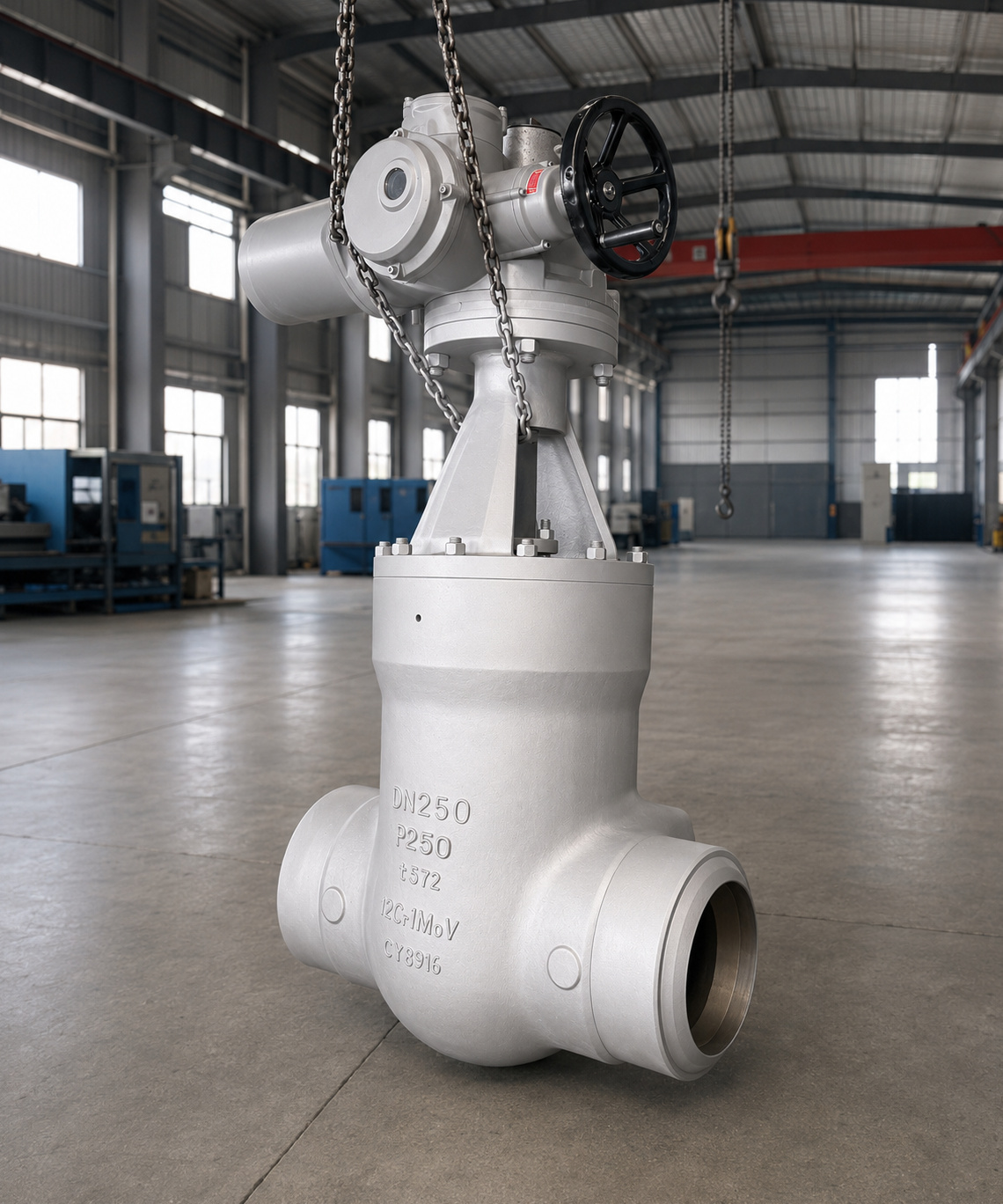
China builds a huge share of the world’s industrial valves. The price is usually competitive. The catch is that a thousand workshops call themselves manufacturers, and quality ranges from export-grade to something you do not want near your piping.
The good news is the difference is visible if you know what to check. A responsible China valve manufacturer can produce to ASME, API, and EN standards, hand over material test reports, and welcome a third-party inspector. A trading house cannot. The gap shows up in paperwork long before it shows up on the line.
I have bought valves from China for two decades, both as an engineer and as a manufacturer. Same set of checks every time. The eight below are the ones that have never let me down.
1. Standards Compliance — Name the Standard First
A valve is only as good as the standard it is built to. Before price, before samples, ask which standard applies to your service. Common ones for industrial valves are ASME B16.34 (pressure classes), API 600 and API 602 (gate and globe valves), and API 594 (check valves).
Ask for the standard, the pressure class, and the face-to-face dimension for your connection. A supplier that has to look that up is not an export manufacturer. A supplier that quotes it from memory, then backs it with a drawing and a spec sheet, has worked with that standard before.
2. Material Certification and Test Reports
This is where fake valves get caught. Every real casting and forging has a heat number tied to a material test report (MTR) showing chemical composition and mechanical properties.
| What to Request | Why It Matters |
|---|---|
| Material test report (MTR) | Confirms the actual grade, not the grade on the label |
| Heat number on each valve | Ties the valve to its MTR for traceability |
| Common grades (A105, F316L, cast steel) | Verify against your service temperature and media |
| Trim material certificate | Seats and discs must match the required trim |
Do not accept a single MTR for a whole batch. Ask how many heat numbers are in your order. A transparent manufacturer reports them all.
3. Factory Audit and Third-Party Inspection
Before you commit to a large order, get eyes on the factory. A photo brochure is not verification. Options range from a direct visit, to a video call walkthrough, to hiring a third-party inspection agency (TUV, SGS, BV) to audit production and testing. On a first order, third-party inspection is worth the cost.
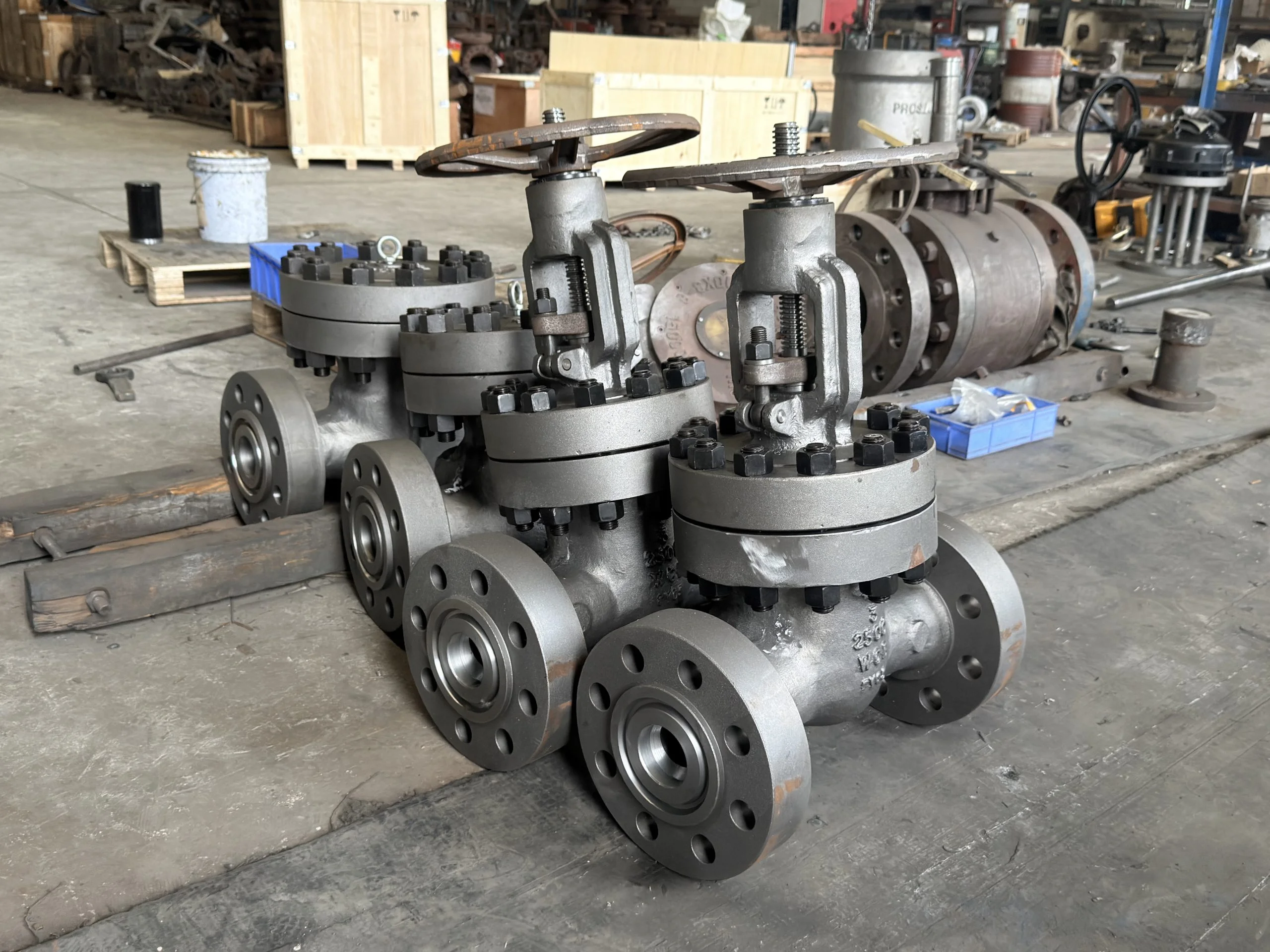
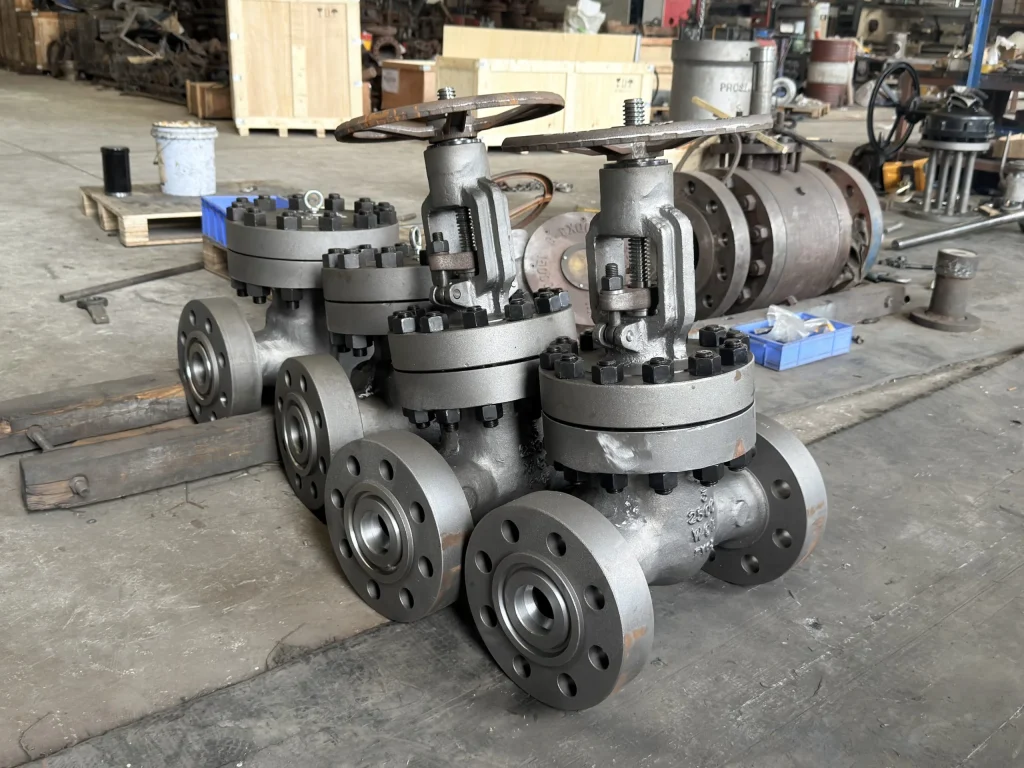
Watch for the difference between a real production floor and a warehouse that ships wholesaled product. A real manufacturer has casting or forging sources, machining lines, assembly stations, and pressure-testing equipment. Ask what they make in-house versus buy in. The more control in-house, the more traceable the quality.
4. Certifications — Read Them Carefully
Certificates matter, but only when verified. A genuine certification is issued by a recognized body and can be checked online. Ask for the certificate number and the issuing body. Confirm the scope covers the exact valve type you are buying.
Be honest about what the factory does and does not hold. Some valves are built to a standard without the factory holding that standard’s certification. That is acceptable for many industrial services, but you must know the difference before you rely on it. Do not pay a premium for a certificate a supplier cannot show proof of.
5. Quality Control and Pressure Testing
Every valve intended for pressure service should be hydrostatically tested before shipment. The test pressure follows the standard and the class. Ask for the test records and, when possible, the hydrostatic and seat leak test pressures used on your batch.
A manufacturer that tests every valve maintains a test bench and keeps records. Ask how many valves are tested per batch, whether testing is 100% or sample-based, and whether you can view the test report with your order number on it. This is the difference between a factory and a reseller.
6. MOQ, Lead Time, and Pricing Model
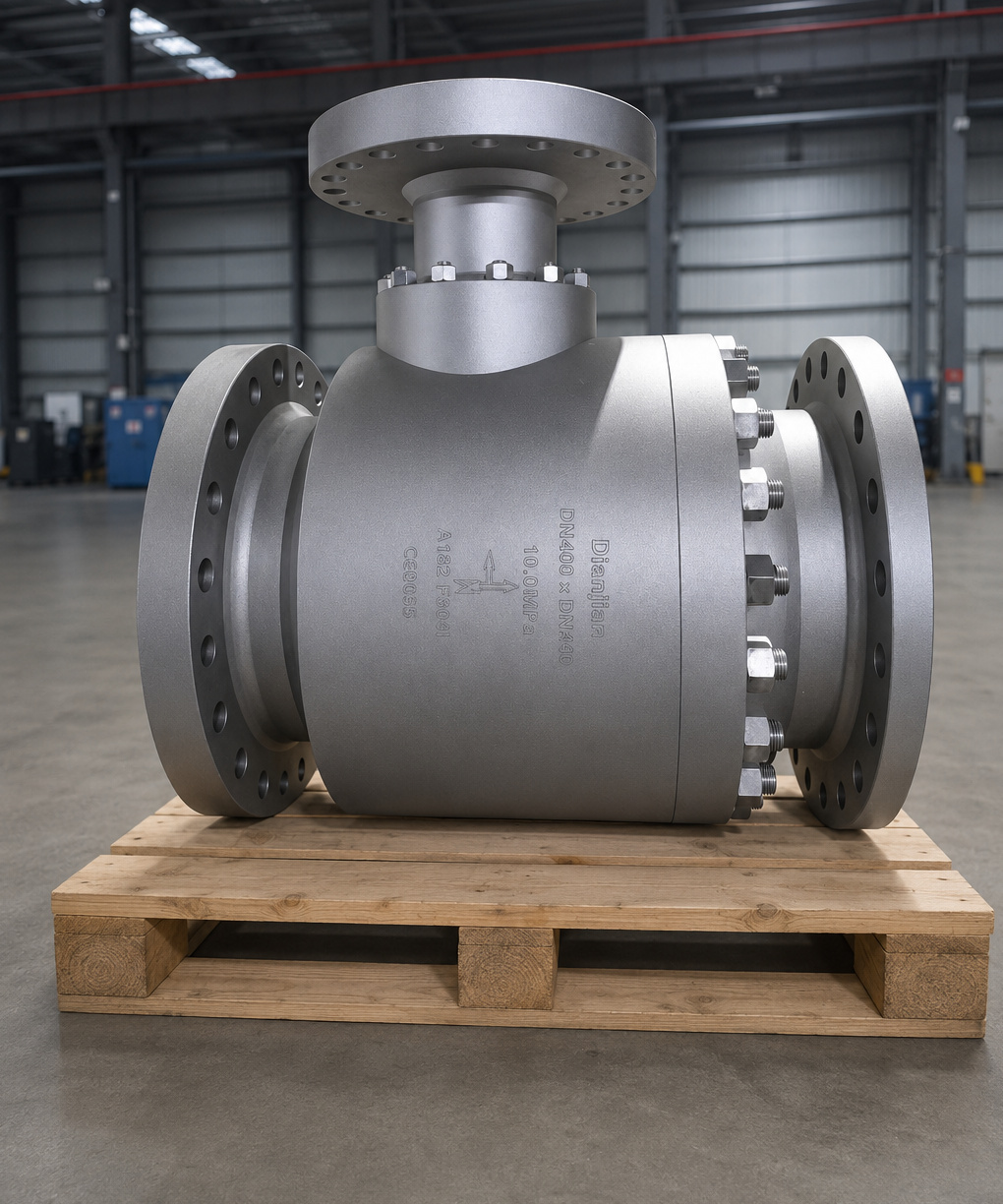
Small orders reveal a supplier’s real position. A manufacturer with its own line can usually do a sensible minimum order quantity (MOQ), while a trading house needs volume to cover its margin. Ask the MOQ by valve type and size, and get the lead time including casting or forging, machining, testing, and packing.
Pricing should be transparent: does the quote include flanges, actuators, packing, and documentation? Some low quotes land high once you add the standard extras. Get an itemized quote and compare like for like.
7. Shipping, Packing, and Export Experience
Valves travel in wooden crates, palletized and strapped, with port marks for export. Ask how the factory packs valves to prevent transit damage, especially for flanged and large-diameter products. Confirm the incoterms (FOB, CIF, EXW) and which party handles customs and freight.
An export-experienced factory ships to many countries and knows the documentation game: packing lists, commercial invoices, bills of lading, and any local certificates your destination needs. Ask for a sample of a recent export packing list. It tells you whether they ship professionally or ad hoc.
8. After-Sales Support and Warranty
The relationship does not end at the port. Ask about the warranty, how warranty claims are handled, and who answers technical questions after delivery. A manufacturer that supports installation issues, provides spare parts, and stands behind the pressure test is worth more than a slightly lower price.
Time zones and language matter too. A supplier that replies within a day, sends engineers who know the product, and documents its commitments in writing is a partner. One that goes quiet after payment is a warning you cannot afford to ignore.
Final Checks Before You Order
Run this shortlist before signing anything.
- Standard named and confirmed for your class and size.
- MTRs and heat numbers available for your batch.
- Inspection plan agreed, third-party if the order is large.
- Test records for hydrostatic and seat leak on your valves.
- Itemized quote with MOQ, lead time, and incoterms in writing.
- Warranty and support contact named.
Doing these checks takes a week. Skipping them can cost months of downtime. A dependable China valve manufacturer will answer every one of them without hesitation because a real factory wants the transaction to survive inspection.
Talking to a China Valve Manufacturer?
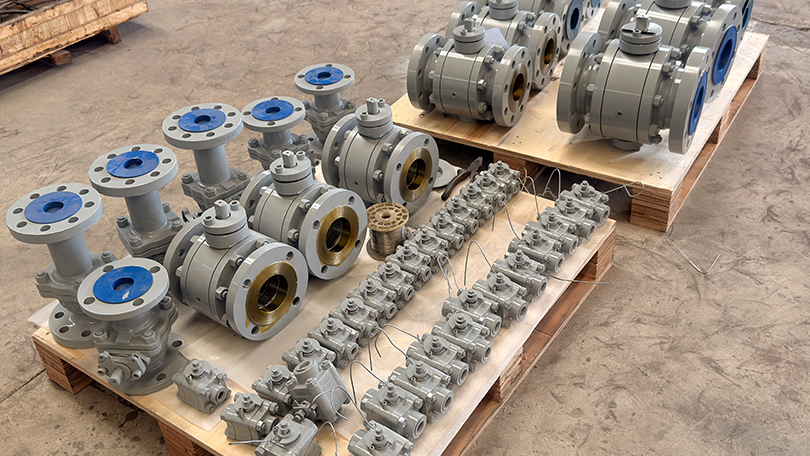
Vornet Valve manufactures forged and cast steel gate, globe, ball, and check valves to ASME B16.34, API 600, API 602, and API 594. We answer the standards, materials, and inspection questions above directly. Send your spec and we will quote with test documentation.
Frequently Asked Questions
How do I verify a China valve manufacturer is real?
Ask for material test reports with heat numbers, request a factory audit or video walkthrough, agree to a third-party inspection, and ask for hydrostatic test records on your order. A real manufacturer answers these; a trading house struggles. Check the certificate numbers with the issuing body.
What standards should Chinese industrial valves meet?
Common export standards are ASME B16.34 for pressure classes, API 600 and API 602 for gate and globe valves, and API 594 for check valves. European buyers often specify EN standards. Confirm the exact standard and pressure class for your connection before ordering.
What is a material test report (MTR) and why does it matter?
An MTR is the document that ties a valve’s heat number to its chemical composition and mechanical properties. It proves the cast or forging is the grade it claims to be. Without a matching MTR and heat number, you cannot verify the material or trace quality issues.
Should I pay for third-party inspection on a valve order?
On a first or large order, yes. A third-party agency checks production, dimensions, and pressure testing at the factory and gives you an independent report. The cost is small relative to the risk of receiving valves that fail or do not meet the standard.
What is a normal minimum order quantity from a China valve factory?
It varies by valve type, size, and standard. A manufacturer with its own line can often accept a small MOQ; a trading house usually needs volume to cover its margin. Ask the MOQ per valve type and size and get it in writing with the lead time.
• Industrial Gate Valve Selection Guide: 7 Core Factors for B2B Procurement
• API 600 Globe Valve vs Gate Valve: Key Differences
• Globe Valve Types Guide: Z-Type, Y-Type, Angle, Bellows Seal
• Swing Check Valve vs Spring Check Valve: 7 Key Differences
• Globe Valve vs Ball Valve: 7 Key Differences