
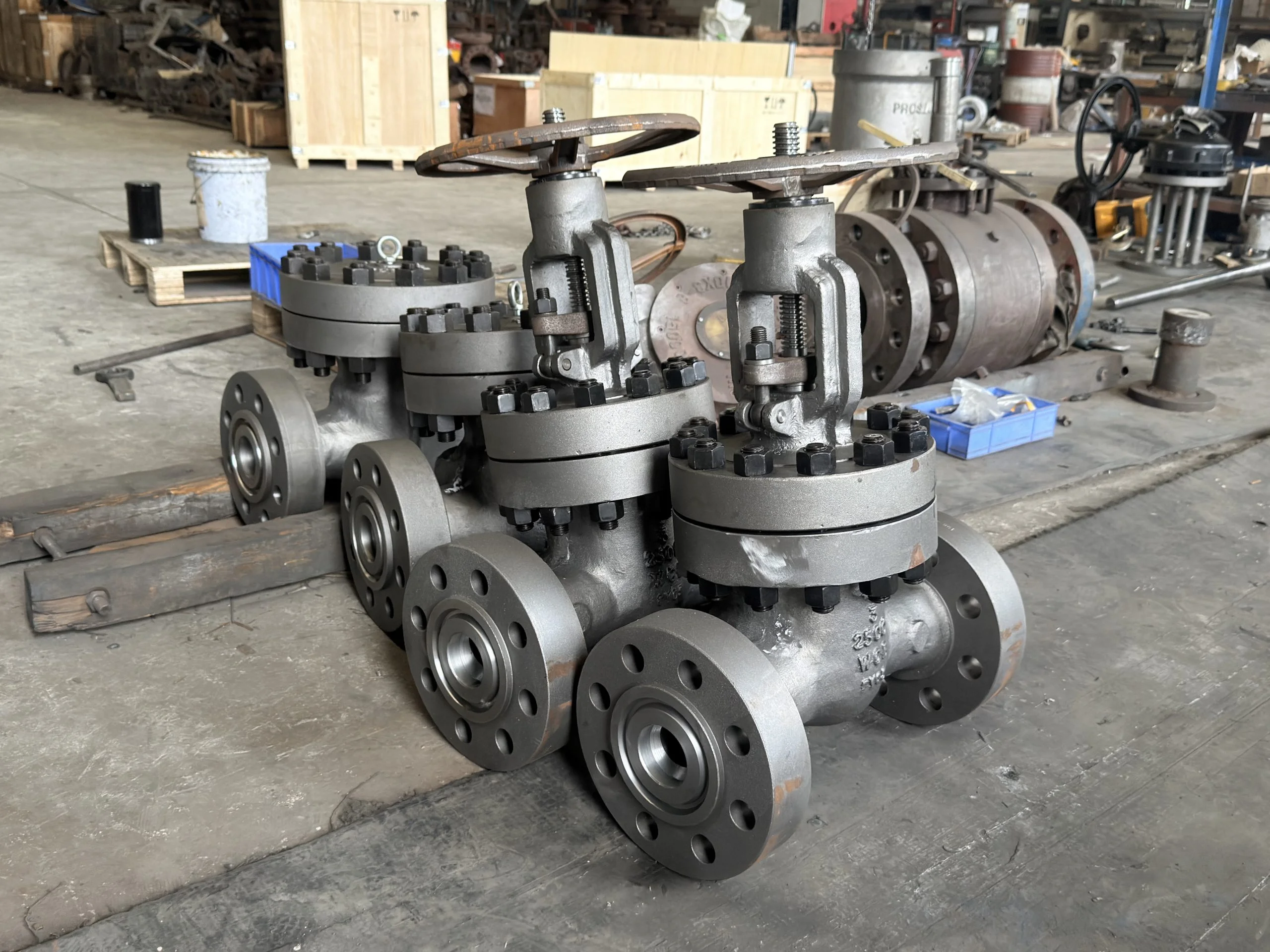
Globe Valve vs Ball Valve: 7 Key Differences and How to Choose
Globe valves give you precise throttling and tight shut-off but rely on linear stem movement. Ball valves give you instant quarter-turn shut-off with low pressure drop but poor throttling. This guide breaks down the 7 key differences, the pressure classes where each wins, and the flow-control questions that decide the right pick.
📋 Key Takeaways
- Globe valve throttles. Ball valve isolates. Two different jobs, two different internals.
- Ball valve = quarter-turn shut-off (0.4 to 1.0 Cv at high travel). Globe valve = linear stem, precise flow control at partial opening.
- Pressure drop: a wide-open ball valve loses far less than a globe valve. On a 6-inch line that can be the difference between 0.5 and 6 PSI.
- Choked or cavitating service? Globe valve wins. Tight quarter-turn isolation? Ball valve wins, every time.
- ASME B16.34 pressure class matters more than the valve type. Match the class to the line rating before anything else.
Why the Globe Valve vs Ball Valve Choice Matters
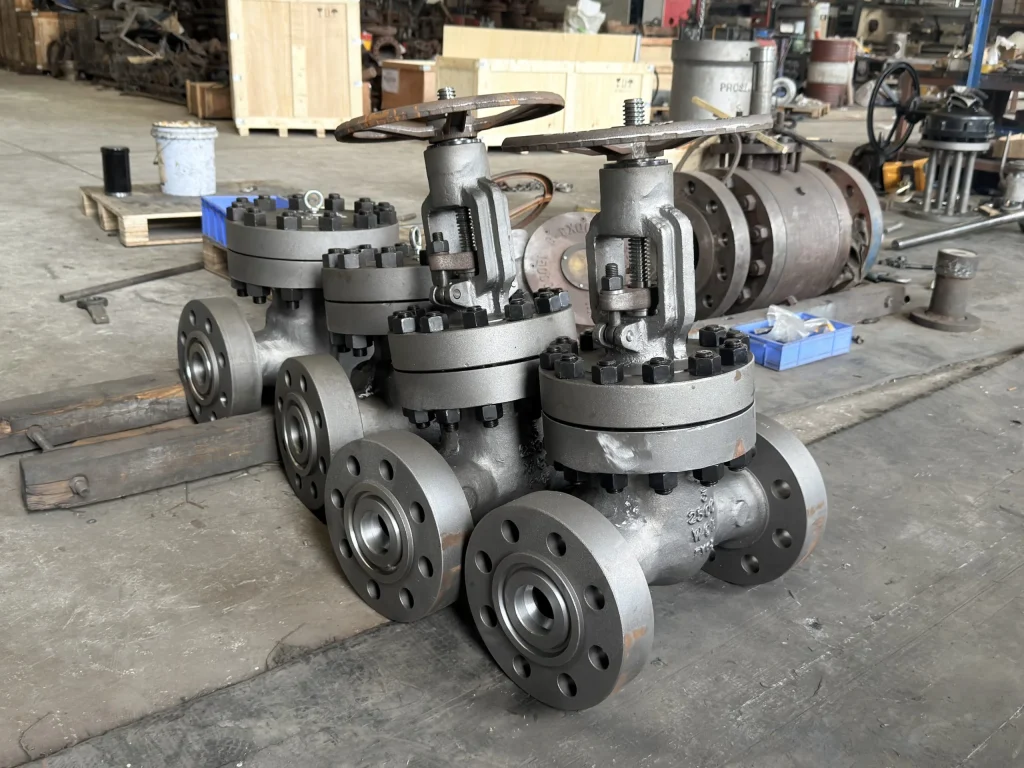
Pick the wrong one and you are changing out a seat in 18 months. I have seen it on Class 300 steam lines and on 10-inch crude headers. The two valves look similar from the outside. Both have a body, a bonnet, and a handwheel. Inside, they work in completely different ways.
The globe valve uses a disc that moves perpendicular to the flow path. The ball valve uses a rotating ball with a through-port. One throttles, one isolates. Engineers keep mixing the two up because both appear on the same piping diagram. They are not interchangeable.
This guide lays out the 7 differences that decide the selection. Real pressure ratings, real pressure drop numbers, real service conditions. Nothing from a brochure.
1. Flow Control: Throttle vs Isolation
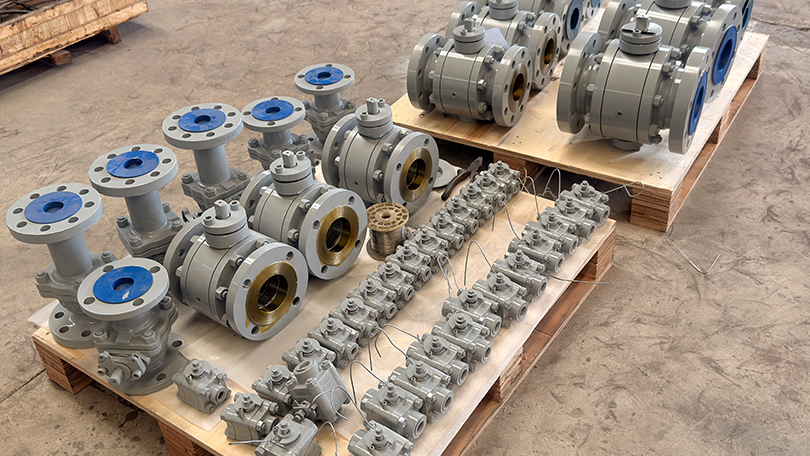
The single biggest difference is how each valve handles partial opening. A globe valve is built for throttling. The disc moves toward and away from the seat, so you get proportional flow at every stem position. This is why every steam drum level-control loop uses a globe valve.
A ball valve is an isolation valve. Wide open or fully closed are its two happy states. Crack a ball valve open 30% and you get a narrow annular gap that erodes the ball and seat under flow. I would not run a ball valve through a throttling cycle on a dirty line. It will leak by shutdown.
2. Operating Speed: Quarter-Turn vs Multi-Turn
| Valve Type | Operation | Time to Full Close | Typical Operator |
|---|---|---|---|
| Ball valve | Quarter-turn (perpendicular ball) | Under 2 seconds manual | Lever, gear, actuator |
| Globe valve | Multi-turn (linear stem) | 10-30 seconds manual | Handwheel, gear, actuator |
Need fast shut-off? Ball valve wins. A quarter turn and the port is closed. On a flare header or emergency isolation line, that speed is the whole point. A globe valve takes a multi-turn stem. Lots of spins. Slower, but that slow motion is exactly what you want when closing a large line without water hammer.
🎯 Still deciding which one fits your line?
Send your pressure class, size, and media — our engineers match the right valve and quote within 24 hours.
3. Pressure Drop: Wide-Open Comparison
Here is the number that surprises most buyers. A wide-open globe valve has a tortuous internal path. Flow turns corners. Pressure drop is real.
| Valve (6-inch, Class 150) | Flow Coefficient (Cv) | Pressure Drop at 200 GPM |
|---|---|---|
| Ball valve, full bore | High (near pipe capacity) | About 0.5 PSI |
| Globe valve, wide open | 30-50% lower than ball | 5-6 PSI or more |
On a long pipeline, that pressure drop is lost energy. If your line is flow-critical and stays mostly open, a ball valve wastes less pumping power. If you are throttling anyway, the globe valve is already doing the work, so its lower Cv does not matter.
4. Shut-Off Tightness and Leakage
Both can give tight shut-off in the right class. The difference is what tight means at partial flow and over time.
A ball valve uses an elastomer or metal seat that seals against the ball surface. Tight. But a seat that has been cracked open at high flow takes erosion damage. A globe valve seals on the disc-to-seat contact and holds much longer under repeated throttling cycles. The old rule I still use: isolation duty with clean media = ball valve. Throttling duty or frequent stroking = globe valve.
5. Pressure Class and Temperature Limits
Both valves are rated by the same ASME B16.34 pressure classes. Class 150 up to Class 2500. Do not assume a ball valve is always the higher-pressure option, or that a globe valve is low-pressure. The class rating follows the material and the flange standard, not the valve type.
For soft-seated ball valves, seat temperature is the ceiling. PTFE seats top out around 400°F (204°C). Metal-seated ball and globe valves handle higher. In high-temperature steam service, a globe valve with a hard-faced seat is often the safer call. Vornet manufactures both forged and cast steel versions to API 600 and API 602.
6. Cost and Total Lifecycle
A full-bore ball valve in large sizes typically costs more than a globe valve of the same class and size. The machined ball and two-piece body are more expensive to manufacture. A globe valve is simpler to build and cheaper per unit.
But lifecycle cost is not purchase price. If the application needs throttling and you buy a ball valve, the seat erosion and replacement labor will wipe out the savings. Buy for the duty. The maintenance cost of the wrong valve always exceeds the purchase-price difference.
7. Installation and Orientation
Globe valves have a preferred flow direction (marked on the body) and work best in horizontal lines with the stem vertical. Ball valves are directional-friendly and can be mounted in any orientation, which helps in tight piping racks.
One more practical note: on a 6-inch or larger line, the tall rising stem of a globe valve needs headroom for the handwheel to travel. A ball valve does not. If clearance is tight, a ball valve with a gear operator often fits where a globe valve cannot.
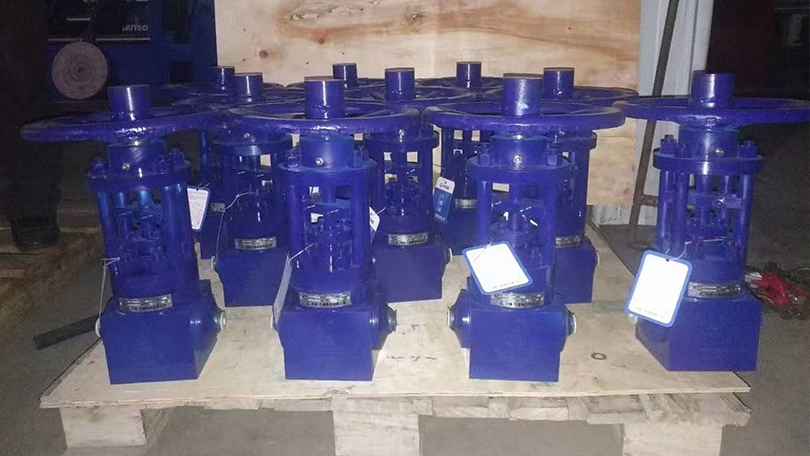
Globe Valve vs Ball Valve: Selection Checklist
Walk this list before you specify. It compresses twenty years of field calls into five questions.
- Do you need to throttle flow? Yes = globe valve. No = read on.
- Do you need instant shut-off? Yes = ball valve.
- Is the line flow-critical when open? High flow always open = ball valve (low pressure drop).
- Is the media dirty or erosive? Clean media = ball valve. Slurry or grit = globe valve.
- What pressure and temperature? Match the ASME B16.34 class and seat material to the actual service, never the valve type.
When the answers split across throttle and isolation on the same line, install both. A globe valve for control and a ball valve upstream for isolation. That combination is standard on steam and blowdown systems, and it is cheaper to run than a single compromise valve that fails.
Need a Globe or Ball Valve? Send Your Spec
We manufacture forged and cast steel globe valves and ball valves to ASME B16.34, API 600, and API 602. Send four details and get a matched spec and quotation within 24 hours:
✔ Pressure class (150 / 300 / 600 / 2500 LB)
✔ Nominal size (NPS 1/2″ – 24″)
✔ Media and temperature
✔ Quantity
Frequently Asked Questions
Which gives better flow control, a globe valve or a ball valve?
A globe valve gives better flow control. Its linear disc moves across the seat in proportion to the stem travel, so it throttles smoothly at partial opening. A ball valve is an isolation valve and erodes a partial-open port. For steady flow regulation, use a globe valve.
Is a ball valve better than a globe valve for shut-off?
For tight, fast quarter-turn shut-off on clean media, a ball valve is better. It seals against a smooth ball surface and closes in under a second with a lever. For throttling-heavy duty or erosive media, a globe valve holds up longer. Match the valve to the primary duty.
Which valve has less pressure drop, globe or ball?
A fully open ball valve has less pressure drop. Its full-bore port mirrors the pipe, so flow passes almost straight through. A globe valve turns the flow through several bends, raising the pressure drop. The gap is largest on large, high-flow lines.
Can a globe valve be used for isolation, or a ball valve for throttling?
You can, but it shortens service life. A globe valve isolates fine, just more slowly than a quarter-turn ball valve. A ball valve throttled at partial opening takes erosion damage on the ball and seat. For a line that needs both control and isolation, install one of each rather than forcing one valve.
What is the pressure rating of a globe valve vs a ball valve?
Both follow the same ASME B16.34 pressure classes, from Class 150 to Class 2500. The rating depends on the material and flange standard, not the valve type. Soft-seated ball valves are limited by the seat temperature, while metal-seated types and globe valves handle higher temperatures.
Why is a globe valve more expensive to stroke but cheaper to buy?
A globe valve has a simpler body and multi-turn stem, so it costs less per unit than a full-bore ball valve with a machined ball. But is slower to operate and loses more pressure when open. The right choice is not the cheaper sticker price but the valve that matches the duty.