\n\n\n\n Valve Selection Guide: How to Choose the Right Valve | Vornet Valve
jessamynlee@vornetvalve.com / jessamyn@vornetvalve.com 📞 +86-17888190118 🌐 EN  |  🇷🇺 RU

Home » Valve Selection Guide

VORNET VALVE

Valve Selection Guide

This valve selection guide helps you find the right valve for your application. Compare valve types, materials, pressure ratings, and temperature ranges — all in one place.

1. Valve Type Comparison

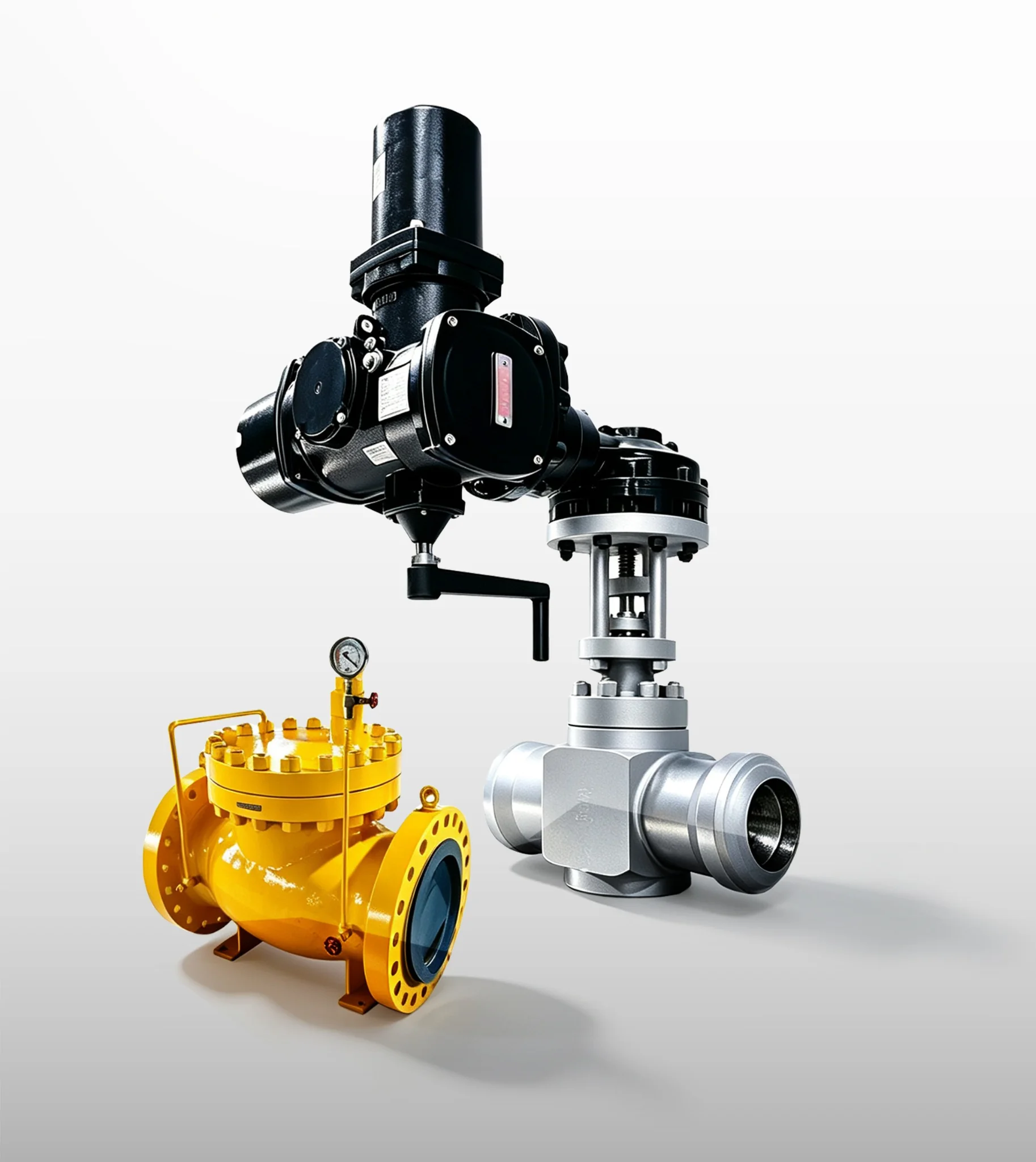
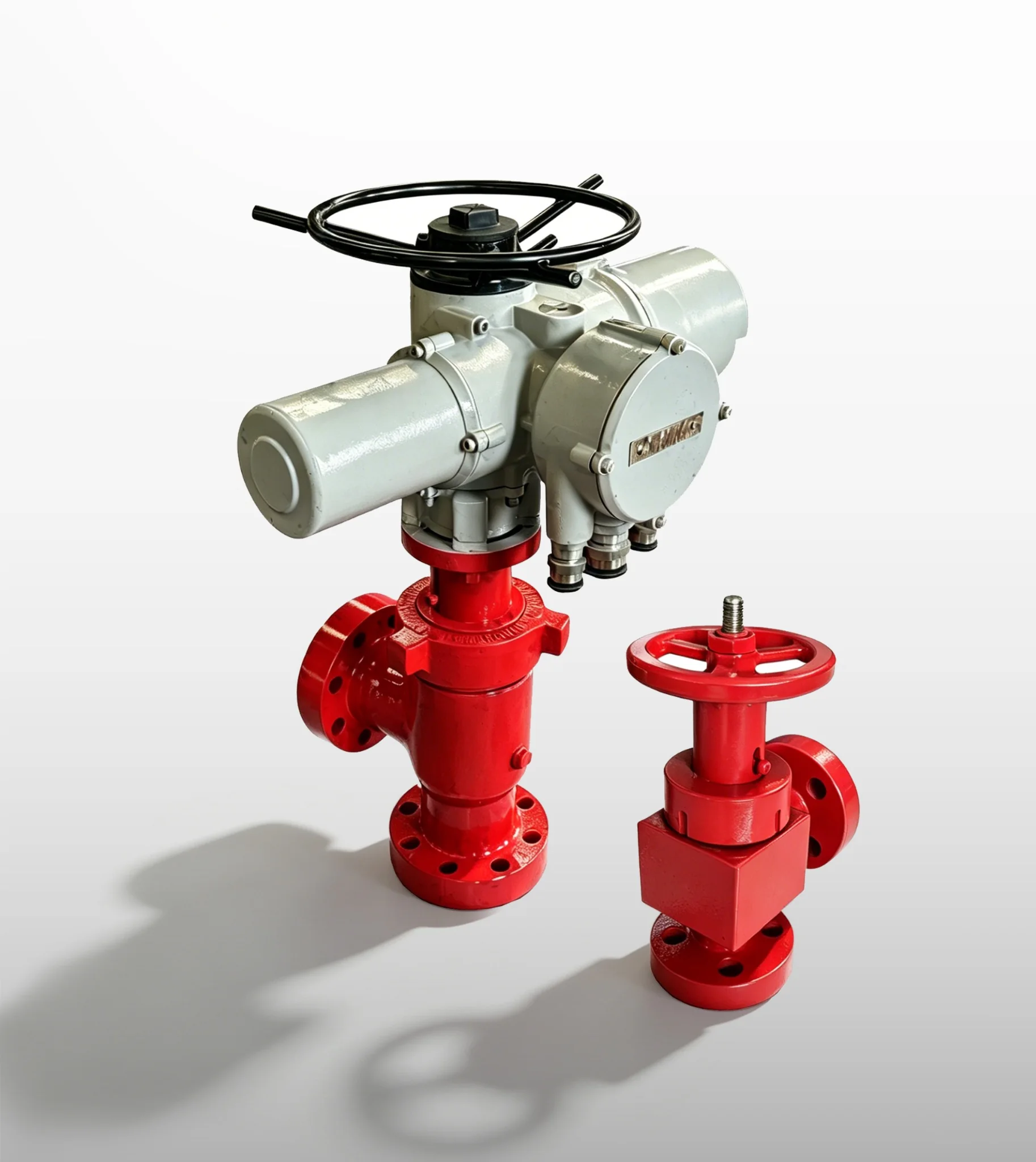
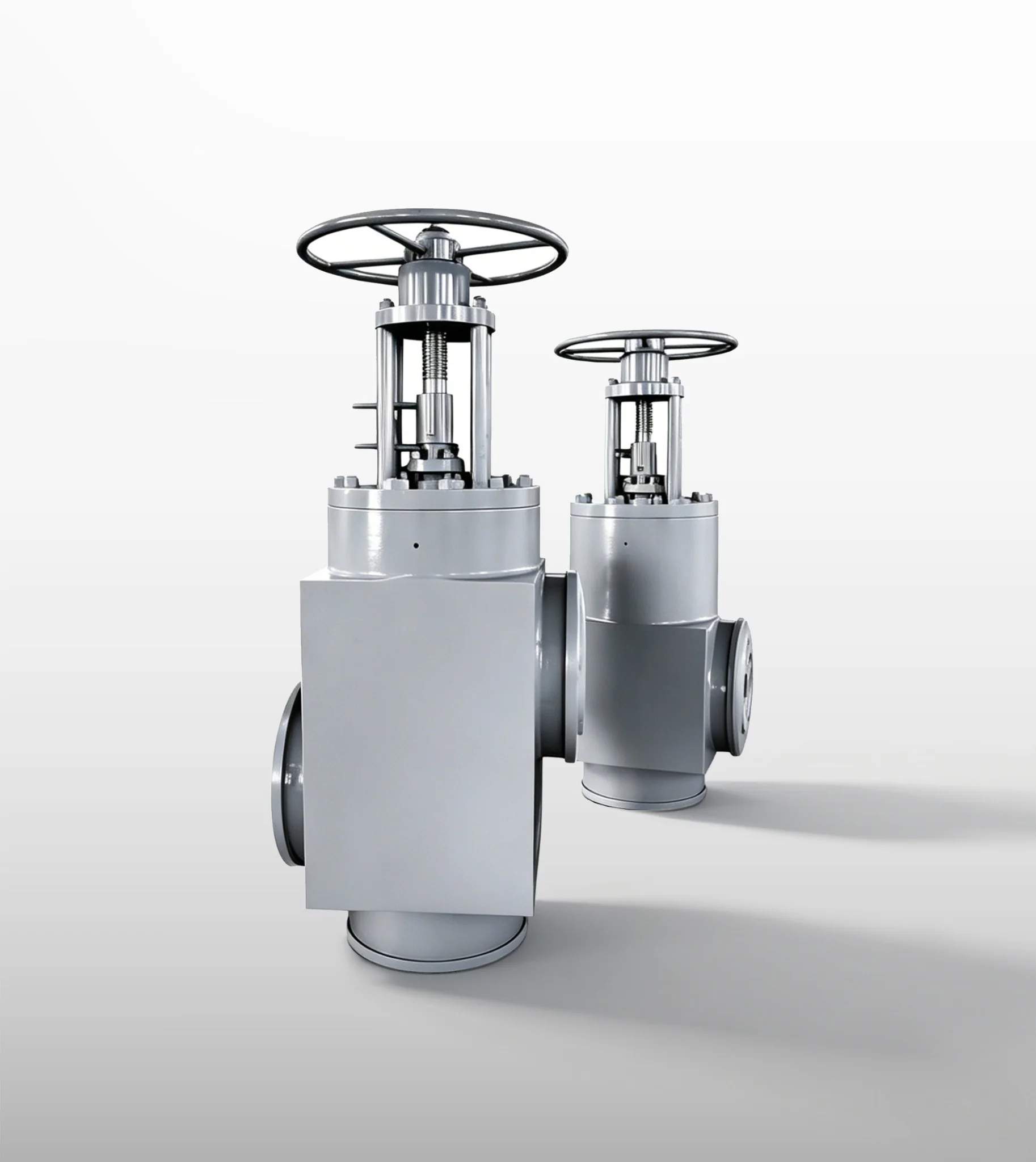
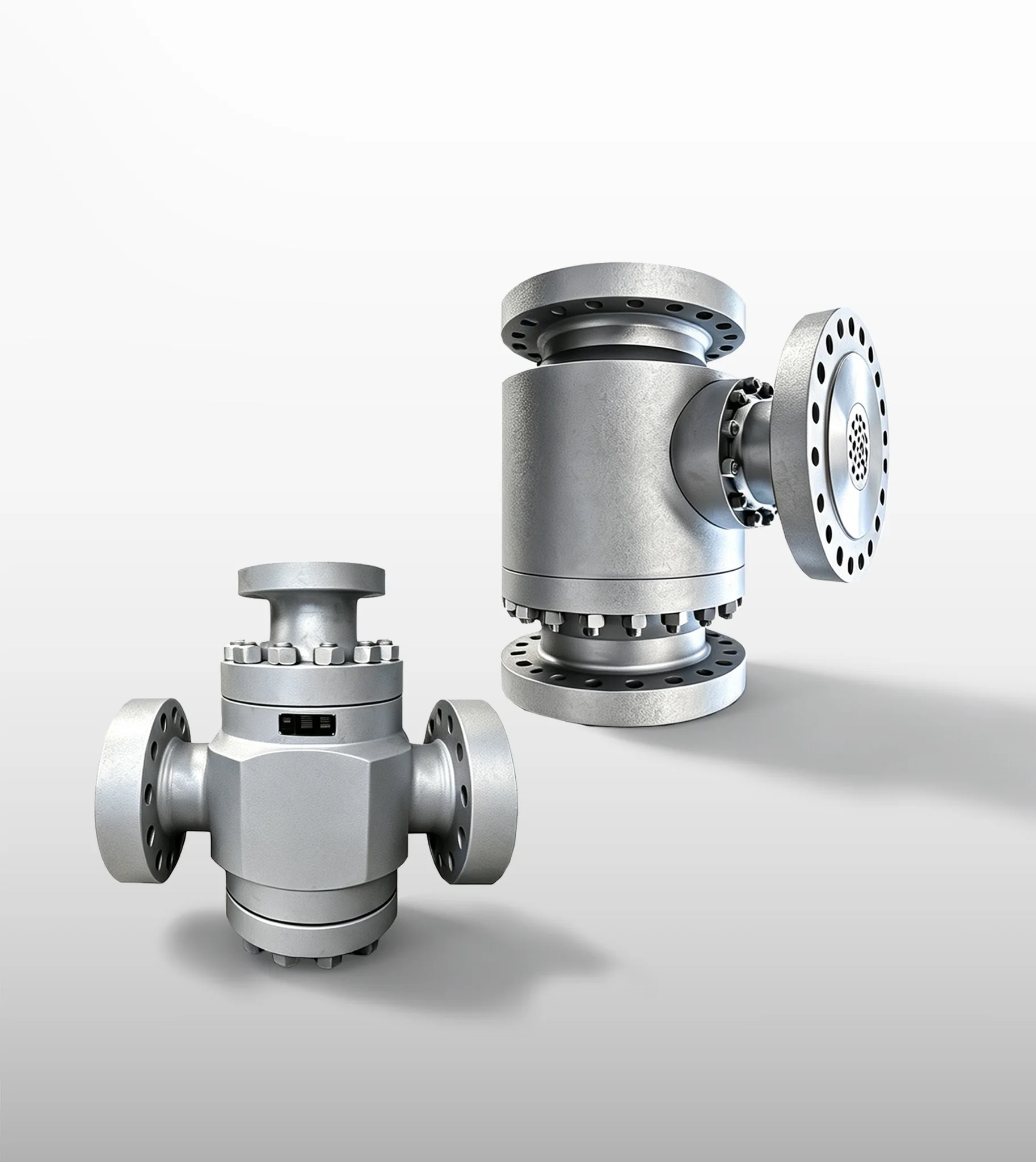
Understanding the differences between valve types is the first step to making the right selection. Below is a comprehensive comparison of the 7 main valve types we manufacture — all readable at any screen size.

Size Range
NPS 1/2″ – 60″

From instrumentation to mainline pipeline

Pressure Rating
Class 150 – 4500 LB

Low to ultra-high pressure service

Temperature Range
–196°C to 680°C

Cryogenic to superheated steam

Valve TypePrimary FunctionBest Suited ForLimitations
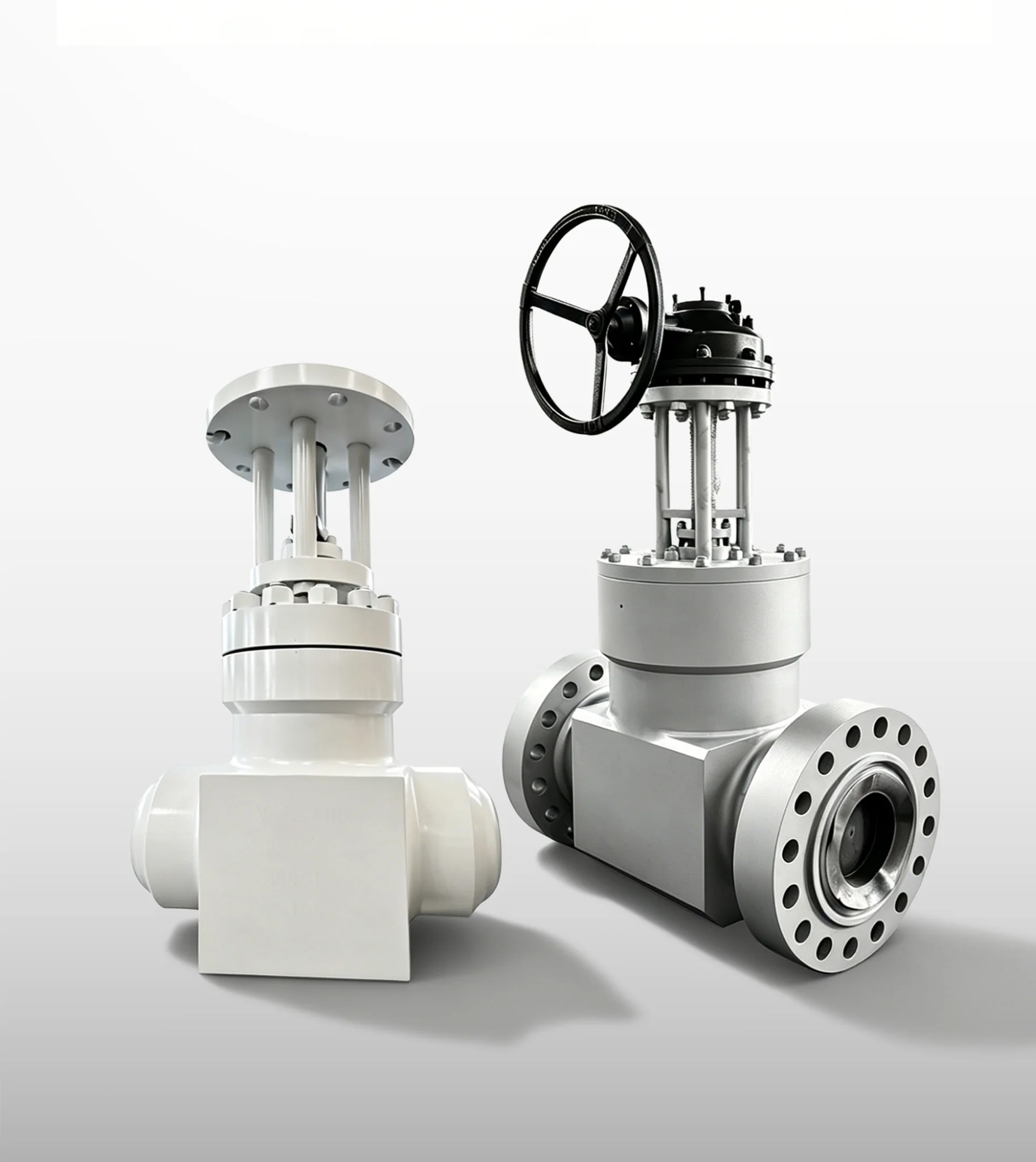
Gate ValveFull open/close isolation. Gate moves perpendicular to flow — minimal pressure drop when fully open.On/off service with minimal ΔP. Pipeline isolation, transmission lines, refineries.
Low ΔP Bi-directional
Not for throttling. Slow operation. Seat damage from partial opening. High torque for large sizes.
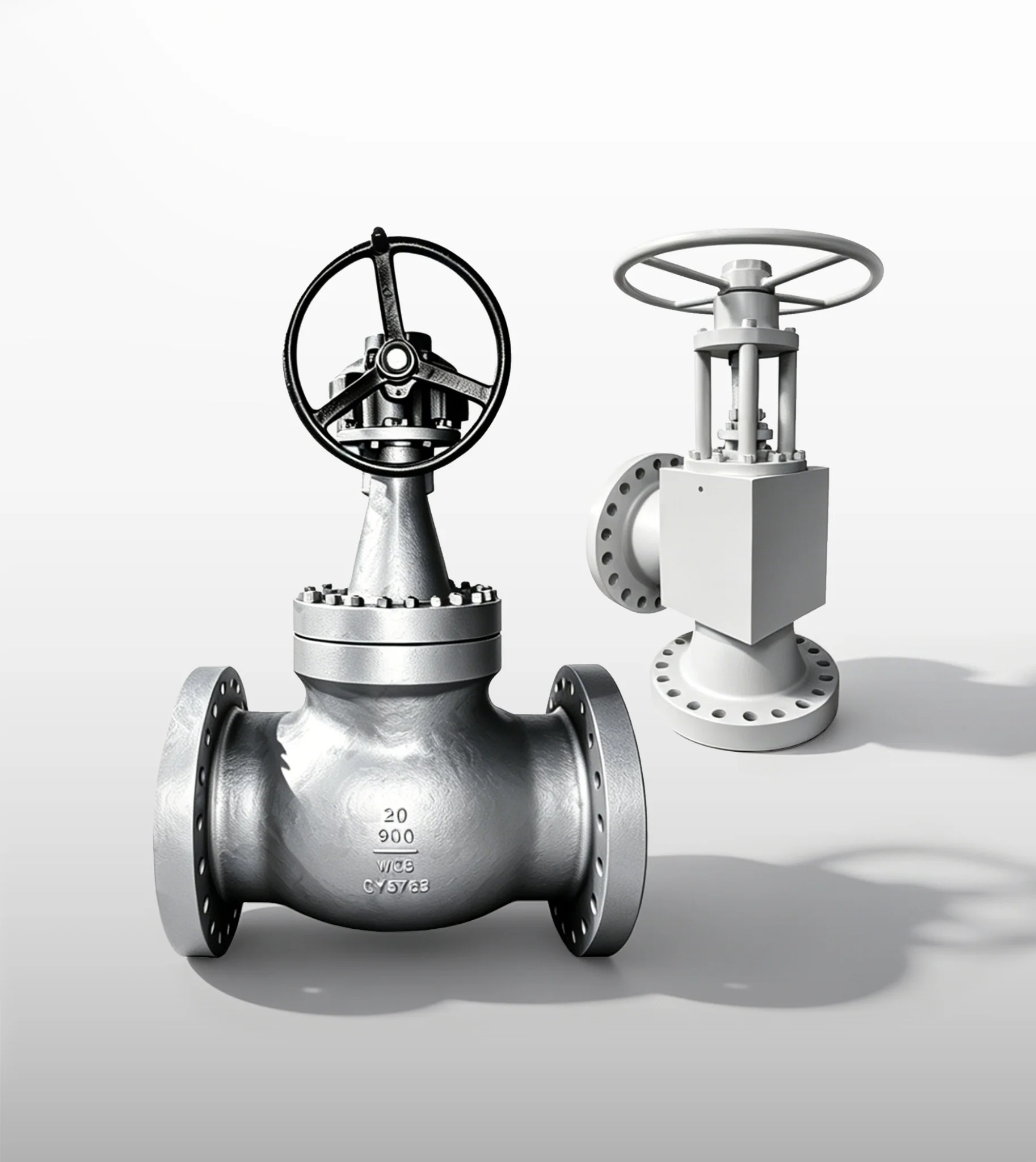
Globe ValvePrecise flow regulation. Disc moves linearly against seat for variable throttling control.Throttling & frequent cycling. Bypass lines, drain systems, cooling water, feedwater control.
Good throttling Frequent cycling
Higher pressure drop than gate. Larger & heavier. More expensive. Not for slurry.
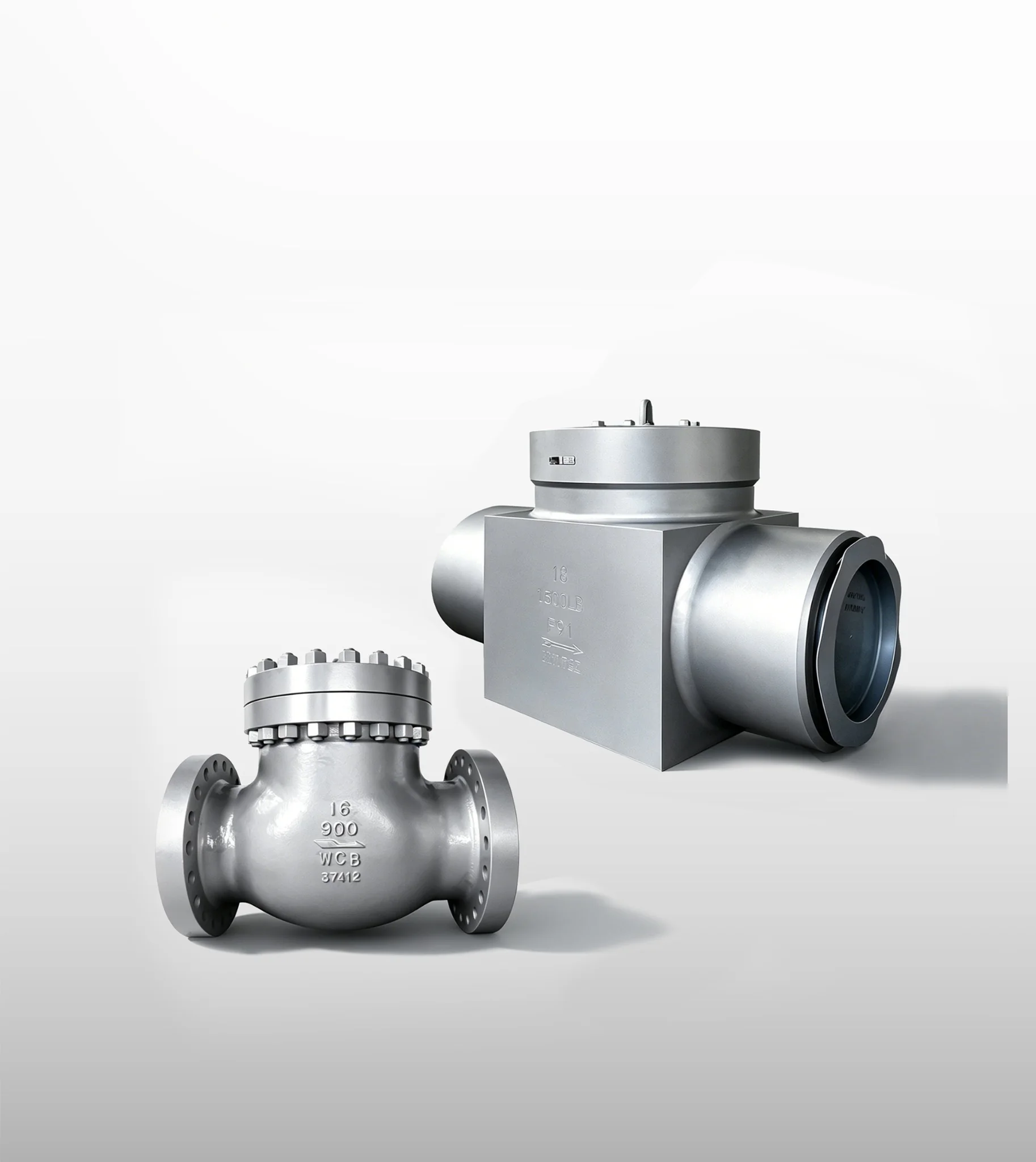
Check ValveAutomatic backflow prevention. Disc opens with forward flow, closes when flow reverses.Reverse flow prevention. Pump discharge, compressor discharge, drainage, condensate lines.
Self-actuated No backflow
Water hammer in swing checks. Requires minimum backpressure. Chatter in pulsating flow.
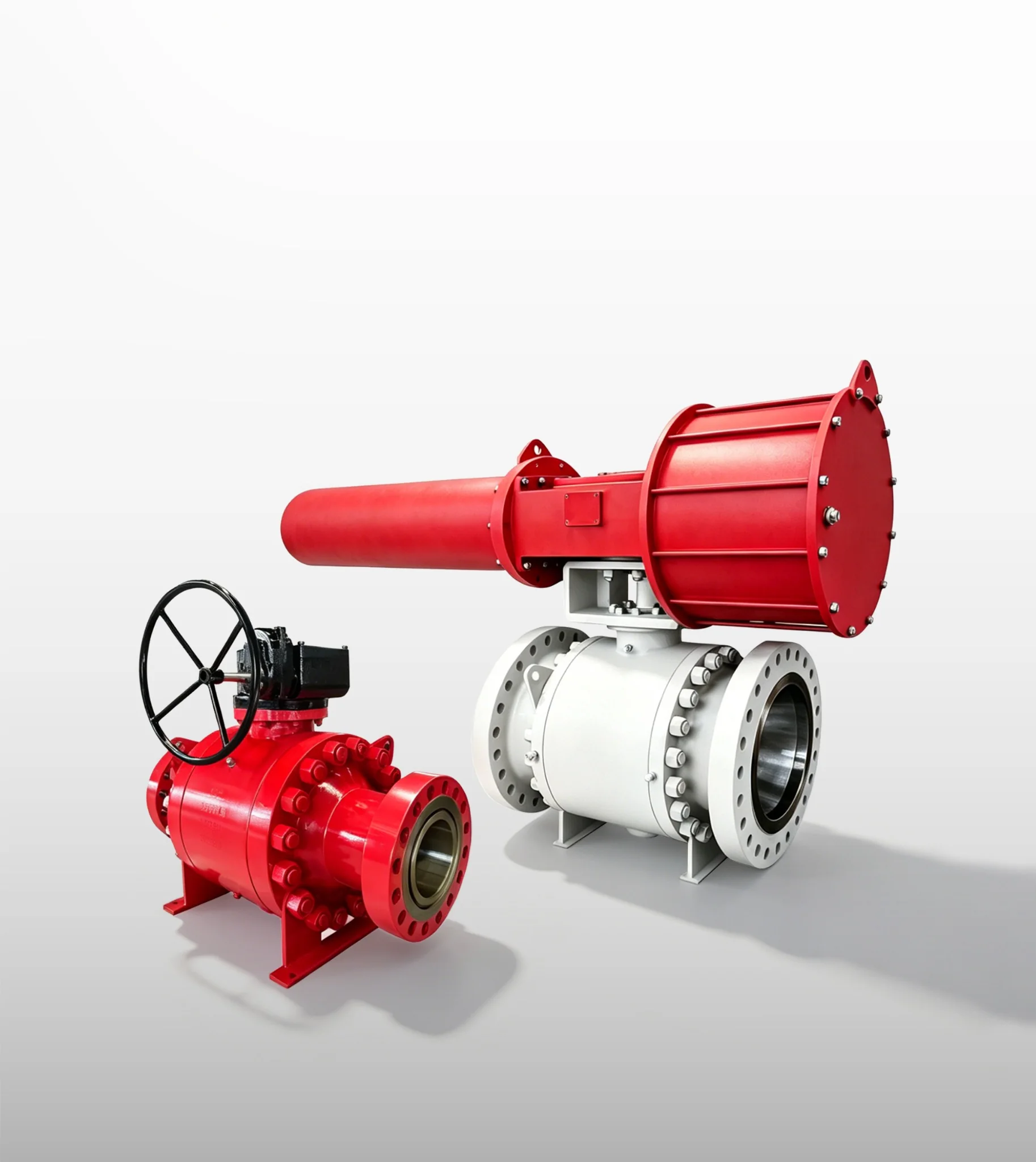
Ball ValveQuarter-turn on/off. Perforated ball rotates 90° for quick flow control (full or reduced bore).Quick shut-off, gas/liquid pipelines, high-pressure systems, automated remote operation.
Quick 90° High pressure
Not ideal for precise throttling. Cavitation risk. Seat wear in abrasive media.
Throttle ValveIntermediate flow control between open and closed. Designed for sustained throttling with minimal erosion.Flow balancing, pressure reduction, cavitation control, high ΔP applications.
Sustained throttle High ΔP
Higher torque requirements. Limited turndown ratio. Complex trim for severe service.
Control ValveAutomated flow modulation. Positioner adjusts valve position via 4-20mA signal for precise process control.Process automation, pressure/flow/temp control loops, DCS/PLC integration, critical processes.
Automated Precision
Requires instrumentation (positioner, actuator). Higher cost. Regular calibration needed.
Safety ValveOverpressure protection. Pops open at set pressure to relieve excess, re-closes when normal conditions return.Vessel/pipe overpressure protection, boiler safety, chemical reactor relief, steam systems.
Overpressure ASME VIII
Not for regular throttling. Requires periodic testing. Set pressure drift over time.

Key Selection Factors

Four critical parameters that determine the right valve choice — always consider all four together.

🔧 Operating Conditions

  • Fluid type: liquid, gas, steam, slurry
  • Operating pressure & temperature range
  • Flow rate (Cv required)
  • Cycle frequency & speed requirements

📐 Valve Function

  • On/off isolation → Gate, Ball
  • Throttling/regulation → Globe, Control
  • Backflow prevention → Check
  • Overpressure protection → Safety

🧪 Material Selection

  • Carbon Steel: General oil & gas service
  • Stainless Steel 304/316: Corrosive media
  • Duplex SDSS: Chlorides, seawater
  • Exotic alloys (Ti, Monel, Alloy20): Extreme corrosives

⚙ Actuation

  • Manual: Handwheel, gearbox, lever
  • Pneumatic: Fast cycling, fail-safe
  • Electric: Remote/SCADA control
  • Hydraulic: High torque for large valves

3-Step Valve Selection Process

Follow this systematic approach to find the optimal valve for your application.

1

Define Operating Conditions

Identify fluid type, operating pressure & temperature, required flow rate (Cv), and whether the valve serves for isolation, throttling, or backflow prevention. Note expected cycle frequency.

2

Select Valve Type & Material

Match valve type to required function. Choose body and trim materials based on media corrosiveness, temperature, and pressure class. Select end connections per piping specs.

3

Verify & Optimize

Cross-check pressure class vs. max operating pressure. Verify seat material temp limits. Determine actuation method. Validate compliance with API, ASME, and ISO standards.

2. Material Selection Guide

Choosing the right valve body and trim material is critical for long-term reliability. Material selection depends on the flowing media, operating temperature, pressure, and corrosion requirements.

MaterialTemp RangeKey PropertiesBest Suited ForLimitations
Carbon Steel
WCB, WCC, LCB, LCC
–46°C to 425°CHigh strength, low cost, good weldabilityOil & gas pipelines, water, steam, general service
Cost-effective
Poor corrosion resistance. Not for acids or sour media. Needs coating/lining.
Stainless Steel
CF8/CF8M/CF3/CF3M
–196°C to 650°CExcellent corrosion resistance, good cryogenic performanceCorrosive chemicals, food/pharma, cryogenic, seawater
Corrosion resistant
Susceptible to chloride SCC above 60°C. Lower strength than CS.
Duplex SS
4A/5A/6A (2205, 2507)
–50°C to 300°C2x yield strength of 316 SS. Excellent chloride SCC resistance.Seawater, offshore, chloride-rich chemicals, desalination
High strength
Limited to ~300°C. Difficult to machine/weld. Sigma phase embrittlement risk.
Titanium
Grade 2, Grade 5
–269°C to 315°CSuperior corrosion in oxidizing media. Lightweight. Excellent for chlorine/seawater.Chlorine service, seawater, brine, oxidizing acids
Superior corrosion
Very expensive. Not for HCl/H₂SO₄. Hydrogen embrittlement risk. Hard to cast.
Monel
Monel 400, K500
–196°C to 482°CExcellent HF acid resistance. Good seawater and sub-zero strength.HF alkylation, seawater piping, marine engineering
HF resistant
High cost. Limited availability. Not for strong oxidizing acids.
Alloy 20
CN7M, Carpenter 20
–46°C to 400°CExcellent sulfuric acid resistance. Ni-Cr-Mo-Cu alloy.Sulfuric acid handling, chemical processing, pharma
Acid resistant
Moderately expensive. Not for high-chloride. Limited high-temp capability.

Quick Material Selection by Service Media

Use the guide below to quickly narrow down material choices based on the fluid in your system.

💧 Water, Steam, Condensate

Recommended: Carbon Steel for clean water/steam. Stainless Steel if chlorides present.

  • Clean water & steam: Carbon Steel — most economical
  • Demineralized water: 304/316 SS — prevents iron pickup
  • Seawater / brackish: Duplex 2205/2507
  • High-temp steam >425°C: Alloy Steel or SS
🛢 Oil, Gas, Hydrocarbons

Recommended: Carbon Steel for sweet service. SS or Duplex for sour (H₂S) service.

  • Sweet oil/gas (no H₂S): Carbon Steel WCB/WCC
  • Sour service (H₂S): 316 SS / Duplex per NACE MR0175
  • Low-temp LNG/LPG: LCB/LCC or 304 SS
  • High-temp hydrocarbons: Alloy Steel or SS
🧪 Chemicals, Acids, Alkalis

Recommended: Match material to specific chemical. SS for mild, Alloy20 for sulfuric.

  • Sulfuric acid (H₂SO₄): Alloy 20
  • Hydrochloric acid (HCl): Titanium or lined CS
  • Hydrofluoric acid (HF): Monel
  • Chlorine / ClO₂: Titanium
  • Caustic soda (NaOH): 316L SS
🌊 Seawater, Brine, Marine

Recommended: Duplex SS or Titanium. Avoid carbon steel.

  • Standard seawater: Duplex 2205
  • Warm seawater / high Cl⁻: Super Duplex 2507
  • Seawater + chlorine injection: Titanium Grade 2
  • Marine engine cooling: Monel 400

Industry Standards & Compliance

Vornet Valve manufactures to international standards — ensuring interchangeability, safety, and quality.

📏

Design Standards

API 6D, API 600, API 602, ASME B16.34, ISO 17292, GB/T 12234/12237

🔩

Material Standards

ASTM A216 (WCB), A351 (CF8/CF8M), A995 (Duplex), A494 (Monel), B381 (Ti), A743 (Alloy20)

Testing & Inspection

API 598 pressure test, API 6D hydro/pneumatic, NACE MR0175 (sour service), NDT per ASME V

3. Selection by Application

Different industries have unique requirements. Browse our application-specific valve recommendations:

Need Valve Selection Assistance?

Our engineers have decades of experience matching the right valve to your operating conditions. Free consultation available.

Contact Our Team