
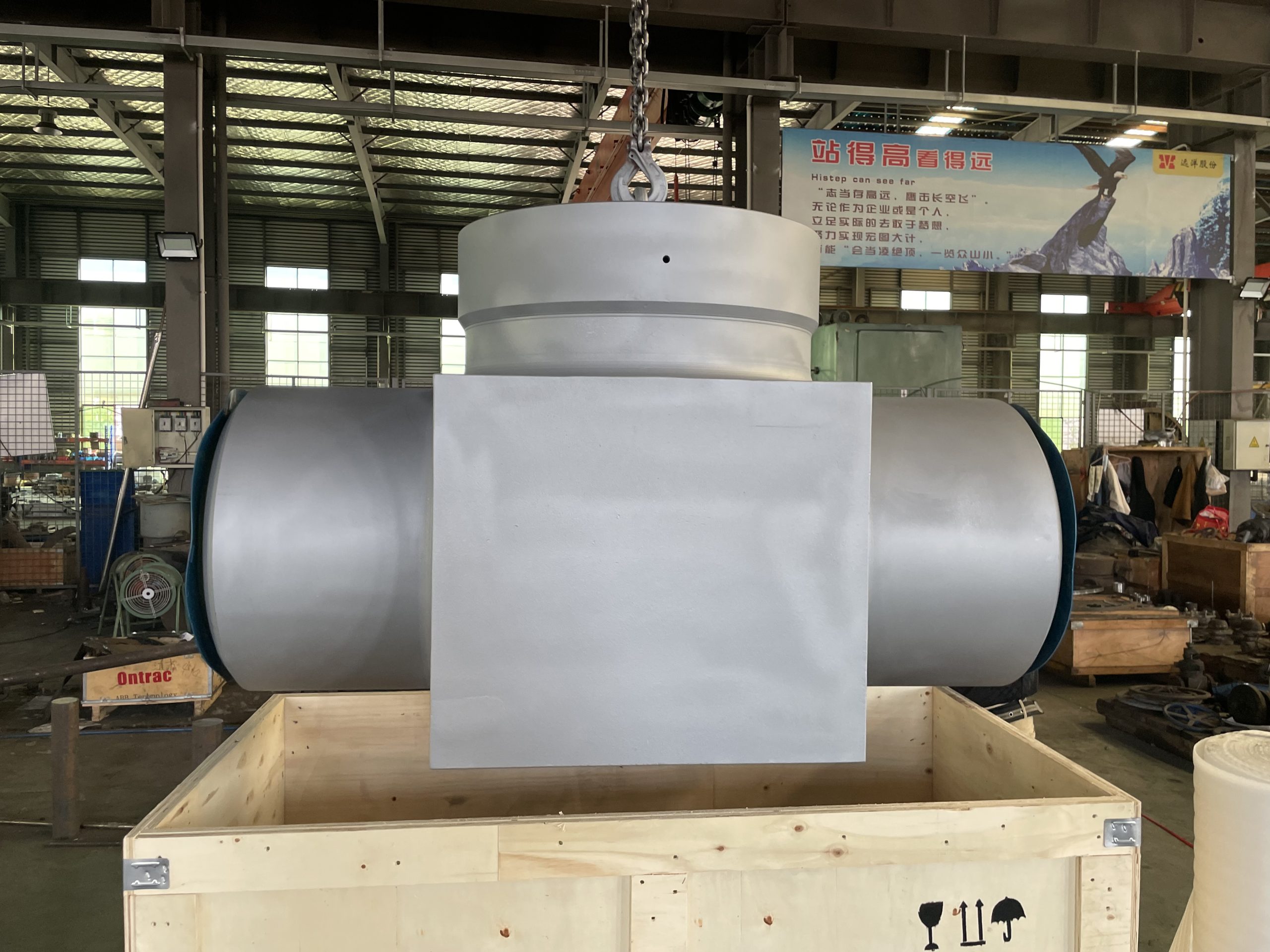
Swing Check Valve vs Spring Check Valve: 7 Key Differences
A swing check valve uses a hinged disc that swings open with forward flow and closes by gravity when flow reverses. A spring check valve adds a spring that forces the disc shut at zero flow. That one difference decides water hammer, installation position, and where each valve belongs. This guide compares them across 7 points.
📋 Key Takeaways
- Swing disc closes by gravity; spring disc closes by spring force. That is the whole story in one line.
- Water hammer: swing check valves slam on flow reversal; spring check valves seat before reverse flow builds.
- Orientation: swing valves run horizontal (stem up); spring types mount vertically or horizontally.
- Pressure drop: a wide-open swing check is lower; a spring check adds resistance from the spring.
- Small lines, fast pulses, and vertical pump discharge favor spring checks. Large clean lines favor swing checks.
Why Swing vs Spring Check Valve Selection Matters
Check valves stop backflow, but they do it at very different speeds. The swing type waits for gravity. The spring type shuts the moment flow stops. On a pumping system that difference shows up as a loud bang, a burst gasket, or a valve that seats before the water turns around.
I have replaced swing checks on reciprocating pump discharge that hammered the line every cycle. Spring checks solved it in an afternoon. I have also watched spring checks on large clean water mains erode their springs and wallow the seat because the line never pulsed. Selection is about the duty, not the price tag.
Both are built to ASME B16.34 pressure classes. Both stop reverse flow. How they travel from open to closed is what separates them. If you are weighing a swing check valve vs spring check valve for a pump or a gravity line, work through the seven points below before you buy.
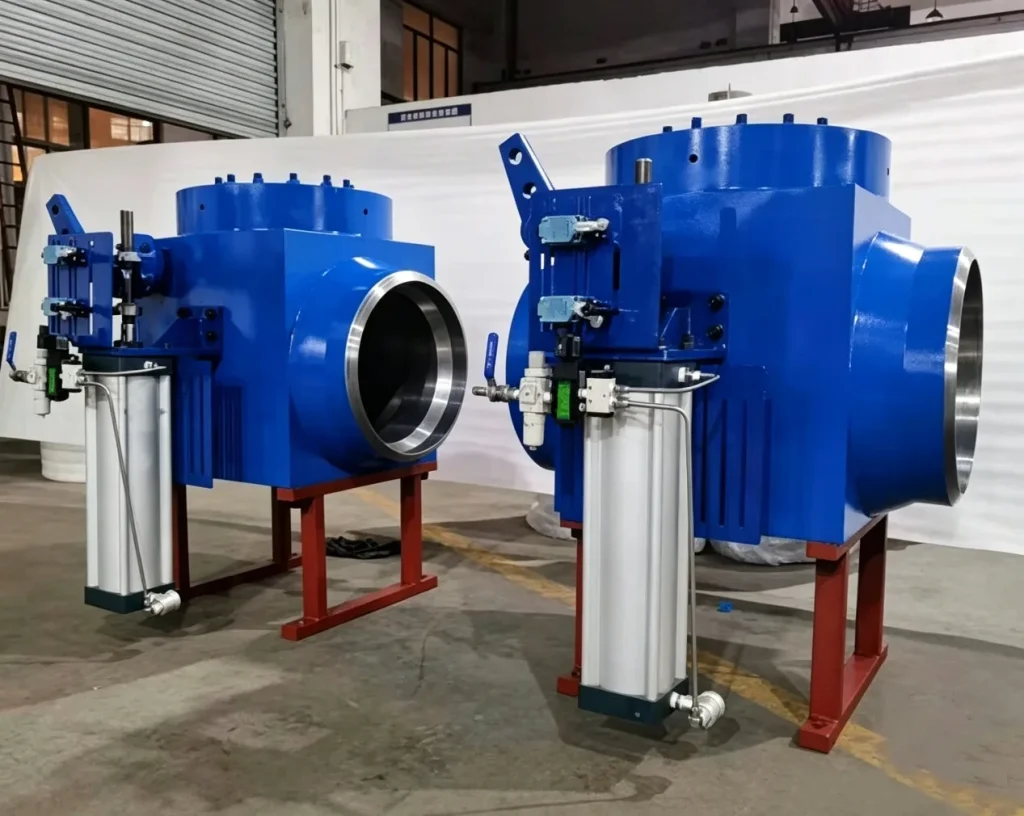
1. Closing Mechanism: Gravity vs Spring Force
The swing check valve has a hinged disc that rides upward on forward flow and drops back onto the seat when flow stalls. Gravity does the closing. No external energy, no springs to fatigue, just a weighted or unweighted disc swinging on a pin.
The spring check valve adds a coil spring that holds the disc against the seat the moment flow stops. The spring does the work. That means the valve seats faster and does not depend on angle or gravity, but the spring itself is a wear part that fatigue-fails over millions of cycles.
2. Water Hammer and Slam
This is the biggest field difference. When a pump stops, flow does not reverse instantly. It decelerates, stalls, then reverses. A swing check disc is still open during the stall. When reverse flow arrives, the disc slams shut. On a long line that slam is a pressure spike, sometimes enough to burst a gasket or crack a fitting.
A spring check valve starts closing during the deceleration phase. The spring pre-loads the disc so it seats before reverse flow can build velocity. You get a softer close and less water hammer. For any service where the pump cycles or flow pulses, spring checks are the safer pick.
3. Installation Orientation
| Valve Type | Horizontal Line | Vertical Line (up) | Vertical Line (down) |
|---|---|---|---|
| Swing check | Yes (hinge up) | Often not recommended | No |
| Spring (in-line) check | Yes | Yes | Yes |
A swing check valve relies on gravity to seat the disc. Mount it correctly, hinge at the top, flow entering under the disc, or it will not close properly. It works best on horizontal lines. On a vertical line the disc has to lift straight up and can hang open.
📌 Horizontal or vertical mounting?
Send your line orientation, size, and pressure class — our engineers confirm the right check valve and quote within 24 hours.
A spring check valve neutralizes gravity with spring force. That is why it works in any orientation, including vertical pump discharge risers. If your line layout forces a vertical run, a spring check is usually the answer.
4. Pressure Drop When Open
| Valve Type | Flow Path in Open Position | Typical Pressure Drop |
|---|---|---|
| Swing check | Straight-through, disc swings clear | Lower |
| Spring check | Disc + spring add resistance | Higher |
A fully open swing check valve lifts its disc out of the flow path, so the flowing pressure drop is low. Good for large, continuously flowing clean lines where every PSI counts.
A spring check valve keeps the disc and spring in the flow stream. That raises the open pressure drop. On a long pipeline the extra resistance means more pumping energy. For gravity-fed or energy-sensitive systems, this matters.
5. Where Each One Works Best
Match the valve to the flow pattern, not to the catalog.
- Swing check valve: large lines, clean media, mostly steady forward flow, horizontal piping. Water mains, discharge headers, gravity lines.
- Spring check valve: small lines, pump discharge, vertical runs, reciprocating or cycling pumps, corrosive or high-vibration service where a reliable rapid close is needed.
- Dirty or solids-laden media: a swing check clears more debris; a spring check can clog on sediment trapped under the disc.
6. Size, Noise, and Maintenance
Swing checks dominate larger diameters because a big spring strong enough to seat a large disc is heavy and expensive. Above about 20 inches you will almost always see swing or tilting disc checks. Below that, spring checks are common and cheaper to fit in tight spaces.
Swing checks can be noisier on rapid reversal because of the slamming disc. Spring checks close quietly. On maintenance, a spring check needs periodic spring inspection and replacement as the coils fatigue. A swing check mainly needs hinge pin and seat inspection, with fewer wear parts that fail from cycling.
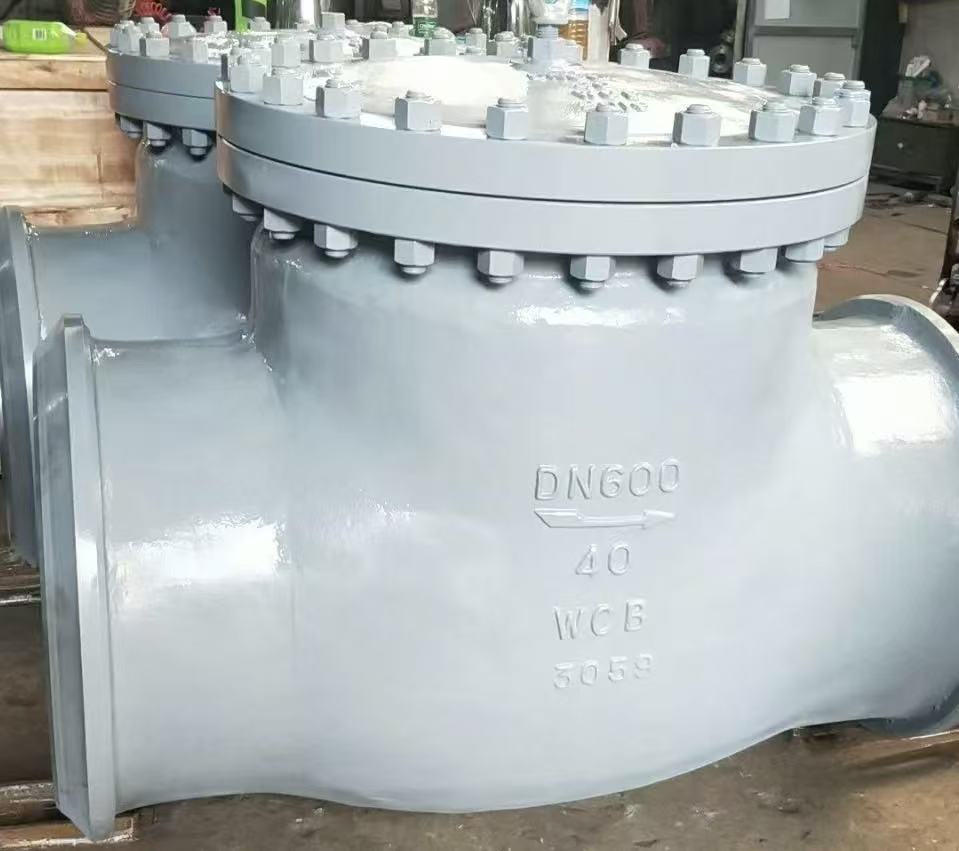
Swing or Spring: Your Decision Checklist
Five questions settle most selections.
- Will the flow pulse or cycle? Yes = spring check (faster close, less hammer).
- Is the line horizontal and clean? Yes = swing check (lower pressure drop).
- Is the run vertical? Yes = spring check (orientation-independent).
- Large line, steady flow? Yes = swing check.
- High temperature or corrosive media? Confirm the seat material and body metal against your service before choosing either.
For most pump discharge applications with a horizontal run, a spring check valve is the safe default because it prevents water hammer. For large clean headers and gravity systems, a swing check valve wastes the least energy. Both show up on the same piping diagram; they earn their place in different services.
Need a Check Valve? Send Your Spec
We manufacture swing, lift, and spring check valves in forged and cast steel to ASME B16.34 and API 594. Send four details and get a matched check valve recommendation and quotation within 24 hours:
✔ Check type (swing / spring / lift)
✔ Nominal size and pressure class
✔ Media and line orientation (horizontal / vertical)
✔ Quantity
Frequently Asked Questions
Which check valve is better, swing or spring?
It depends on the service. A swing check valve suits large, clean, horizontal lines with steady flow and offers low pressure drop. A spring check valve is better for pump discharge, vertical runs, and cycling flow because it closes faster and prevents water hammer. Match the valve to the flow pattern.
Does a swing check valve need to be installed horizontally?
Yes, ideally. A swing check relies on gravity to seat its hinged disc. Install it on a horizontal line with the hinge at the top and flow entering under the disc. On a vertical line the disc can hang open and fail to seat reliably. Use a spring check for vertical runs.
Why does a spring check valve prevent water hammer?
Water hammer happens when reverse flow slams a valve disc shut. A spring check starts closing during the flow deceleration phase, before reverse flow builds speed. The spring seats the disc quickly and softly, so the pressure spike is far smaller than the slam of a gravity-closed swing disc.
Which check valve has lower pressure drop?
A swing check valve has lower pressure drop when open. Its disc swings clear of the flow path, so fluid passes almost straight through. A spring check valve keeps the disc and spring in the stream, adding resistance. On long, energy-sensitive lines this difference can matter.
Can a spring check valve be installed vertically?
Yes. A spring check valve does not depend on gravity because the spring holds the disc. It works in horizontal and vertical lines, including vertical pump discharge risers. This makes it a common choice where swing checks cannot be oriented correctly.
What is the difference between a swing and a spring check valve in a pump system?
On a pump system, flow stops and restarts with every cycle. A swing check valve closes by gravity and can slam when flow reverses, causing water hammer. A spring check valve closes with spring force during deceleration, so it seats before reverse flow builds and protects the pump and piping from pressure spikes.
• Check Valve Types Guide: Swing, Lift, Dual Plate, Tilting Disc
• Globe Valve vs Ball Valve: 7 Key Differences
• Extraction Steam Check Valve Maintenance: Step-by-Step Guide
• Gate Valve vs Ball Valve: Complete Comparison
• Pigging Valve Guide: Types and Applications for Pipeline Cleaning