
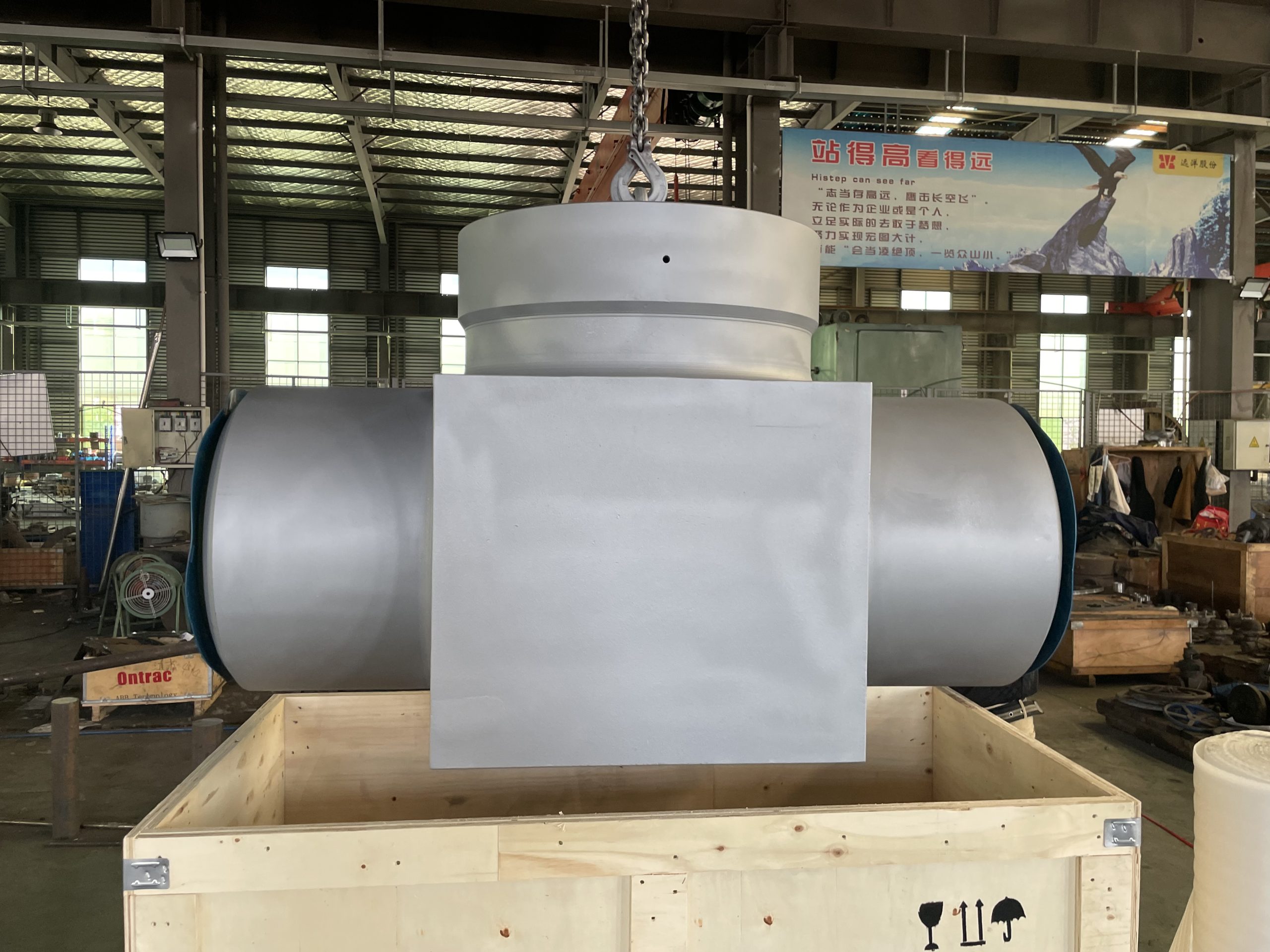
What Is A Check Valve? Complete Guide To Types, Features, And Applications
📋 Key Takeaways
- Check valves automatically prevent backflow while allowing forward flow, with no external actuation required.
- Swing check valves use a hinged disc for low-pressure-drop service; lift check valves suit high-pressure vertical piping.
- Dual-plate (wafer) check valves offer compact, lightweight installation between flanges with rapid closing to prevent slam.
- Nozzle and tilting-disc check valves provide non-slam performance for high-velocity, pulsating flow applications.
furthermore, A check valve, also known as a non-return valve (NRV) or one-way valve, is a mechanical device that allows fluid (liquid or gas) to flow through it in only one direction. Check valves operate automatically — they do not require any manual or external actuation. The valve opens when fluid flows in the forward direction and closes automatically when flow stops or reverses, preventing backflow that could damage equipment, contaminate processes, or cause system failures.
additionally, Check valves are among the simplest yet most essential components in any piping system. They protect pumps, compressors, turbines, and other expensive equipment from the destructive effects of reverse flow, water hammer, and backpressure.
Check valve types: What Is a Check Valve and How Does It Work?
This what is a check valve guide covers the key types, working principles, and applications. The fundamental operating principle of a check valve is simple: the valve member (disc, ball, or flap) is held open by forward fluid flow and closed by reverse flow, often assisted by gravity or a spring mechanism. Most check valves rely on differential pressure to open and close.
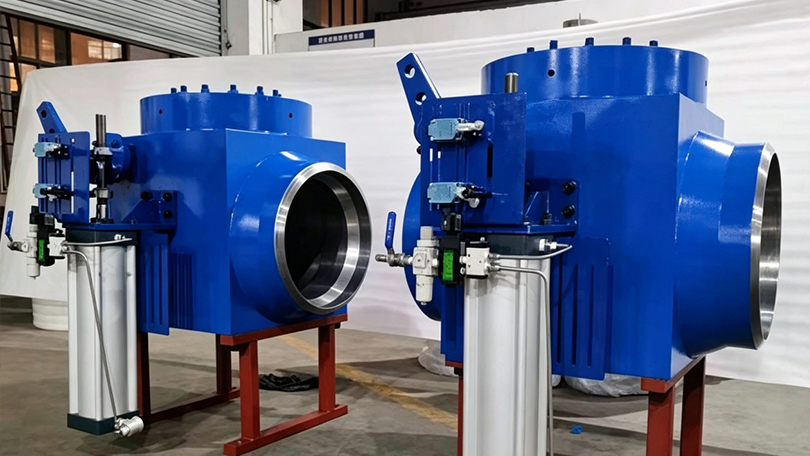
Main Types of Check Valves
1. Swing Check Valve
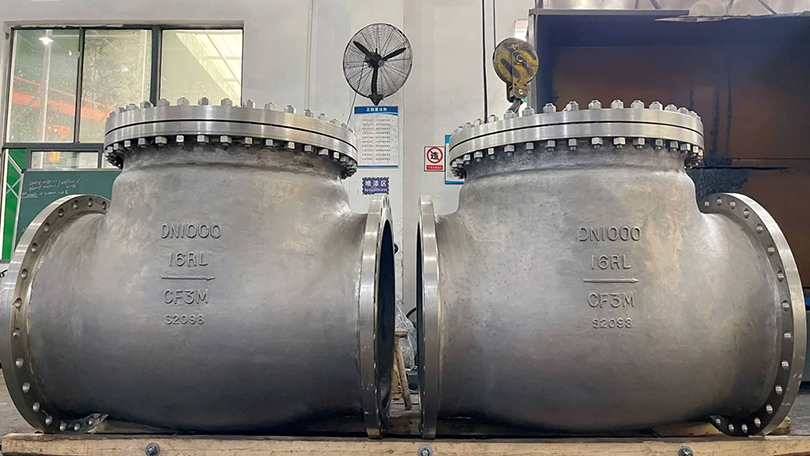
Swing check valves feature a hinged disc that swings away from the seat to allow forward flow. When flow reverses, the disc swings back against the seat to prevent backflow. Features include simple design, low pressure drop, and suitability for large-diameter piping up to 48″+. Applications include water supply systems, wastewater treatment, cooling water circuits, and fire protection systems.
2. Lift Check Valve
Lift check valves use a guided disc that lifts vertically off the seat when forward flow is present. Suitable for high-pressure and high-temperature services. Applications include steam systems, boiler feedwater, high-pressure process piping, and hydraulic systems.
3. Dual Plate Check Valve
Dual plate check valves use two semi-circular spring-loaded plates hinged on a central pin. Compact and lightweight wafer design fits between flanges. Quick closing action reduces water hammer. Applications include HVAC systems, pump discharge, compressor discharge, and general industrial piping.
4. Piston Check Valve
Piston check valves use a piston-like disc that moves within a cylinder guide. Excellent guiding eliminates disc flutter, suitable for high-frequency cycling. Applications include high-pressure steam, boiler feedwater, process gas, and chemical injection.
5. Ball Check Valve
Ball check valves use a spherical ball as the closing member. Self-cleaning design — ball rotation prevents debris accumulation. Suitable for dirty or viscous fluids. Applications include slurry handling, wastewater, drainage, and mining.
6. Tilting Disc Check Valve
Tilting disc check valves create a streamlined flow path with very low pressure drop. Extremely low pressure drop and stable disc position at all flow rates. Applications include large-diameter gas pipelines, compressor discharge, and turbine exhaust.
Check Valve Selection Table
| Type | Size Range | Pressure | Best For |
|---|---|---|---|
| Swing Check | NPS 2″–48″+ | Class 150–2500 | General industrial, water |
| Lift Check | NPS 1/2″–12″ | Class 150–4500 | Steam, high-temp, gas |
| Dual Plate | NPS 2″–48″ | Class 150–2500 | Space-limited, pump discharge |
| Piston Check | NPS 1/2″–12″ | Class 150–4500 | High-pressure, high-cycle |
| Ball Check | NPS 1/2″–24″ | Class 150–900 | Slurries, viscous fluids |
| Tilting Disc | NPS 6″–60″ | Class 150–600 | Gas pipelines, large lines |
Applications by Industry
Oil and Gas
Check valves protect pumps and compressors from backflow. In midstream pipelines, they prevent reverse flow at pig launcher/receiver stations. In refineries, they are installed on pump discharge lines and injection points.
Power Generation
Check valves protect boiler feedwater pumps from backflow, prevent steam from entering condensate systems, and ensure one-way flow in cooling water circuits.
For power plant steam extraction systems, follow our extraction steam check valve maintenance guide for proper inspection and repair procedures.
Water and Wastewater
Water treatment plants use check valves at every pump station discharge. Wastewater systems use ball check valves for solids-containing flows.
Chemical Processing
Chemical plants use check valves to prevent cross-contamination between different process streams and protect chemical feed pumps.
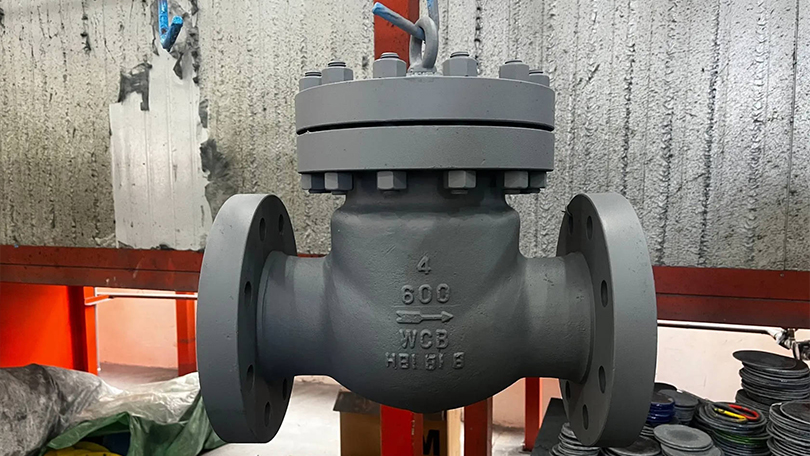
Check Valve Installation Best Practices
Orientation and Positioning
Most check valves are designed for horizontal installation with the cover or bonnet facing upward. Swing check and tilting disc check valves require a horizontal pipe run with the hinge pin oriented horizontally. Lift check valves must be installed in horizontal piping with the disc moving vertically. Dual plate check valves and spring-loaded check valves offer more installation flexibility and can often be installed in any orientation, including vertical flow-upward positions.
Minimum Straight Pipe Requirements
Install check valves with at least 5 to 10 pipe diameters of straight pipe upstream and 3 to 5 pipe diameters downstream to minimize turbulence and flow disturbance that can cause premature disc flutter or chatter. Excessive turbulence can lead to rapid seat wear, disc fatigue, and premature valve failure.
Proper Flow Direction
Always verify the flow direction arrow on the valve body matches the actual system flow direction. Installing a check valve backwards will prevent any flow through the system and can cause serious damage. Most check valves have a visible flow direction indicator cast into or stamped on the valve body.
Avoid Installation Near Elbows and Pumps
Do not install check valves immediately downstream of elbows, tees, reducers, or other flow-disturbing fittings. Similarly, avoid placing check valves too close to pump or compressor discharge connections. Turbulent flow from these sources can cause the check valve disc to flutter, leading to rapid wear and potential mechanical failure. Maintain at least 5 pipe diameters between the pump discharge and the check valve.
Gravity-Assisted Check Valves
For swing check and tilting disc check valves that rely on gravity for closing, ensure the valve is installed in a horizontal or slightly inclined position with the hinge pin horizontal. Vertical installation or excessive pipe incline can prevent proper closing action, leading to reverse flow and potential water hammer.
Spring-Assisted Check Valves
Spring-loaded check valves (dual plate, spring-loaded lift check, spring-loaded ball check) can be installed in any orientation, including vertical lines, as the spring provides the closing force independent of gravity. However, always check the manufacturer’s installation guidelines for specific orientation requirements.
Conclusion
Check valves are fundamental safety components in every industrial piping system. Selecting the correct type — swing check, lift check, dual plate, piston check, ball check, or tilting disc — depends on a systematic evaluation of operating pressure, temperature, pipe size, fluid characteristics, and installation orientation. The selection table provided in this guide serves as a practical reference for procurement engineers and plant maintenance teams evaluating check valve options for B2B pipeline projects.
For high-pressure steam systems, lift check or piston check valves provide the robust guiding and sealing required for reliable service. For water and general industrial applications, swing check and dual plate check valves offer the best balance of cost, performance, and maintainability. For slurry and solids-containing media, ball check valves with their self-cleaning design prevent debris accumulation and ensure consistent operation.
Vornet Valve manufactures a comprehensive range of check valves in carbon steel, stainless steel, duplex, and specialty alloys, with sizes from NPS 1/2″ to 60″ and pressure classes from Class 150 to 4500. All Vornet check valves are designed, manufactured, and tested in accordance with API 6D, ASME B16.34, and ISO 5208 standards. For more detailed specification, refer to the official ASME B16.34 Standard for valve pressure-temperature ratings.
Check Valve Class 300: Selection Guide
Class 300 check valves are the most commonly specified pressure class for industrial check valve applications, offering a balance of pressure capability and cost. The following selection framework covers Class 300 check valves across common service conditions.
Class 300 Check Valve Specifications at a Glance
| Specification | Class 300 Check Valve |
|---|---|
| Pressure Rating | 740 PSI @ 100°F (5.1 MPa) — ASME B16.34 |
| Size Range | NPS 2″ — 36″ (DN 50 — 900) |
| Body Materials | WCB (A216), CF8M (A351), LCB (A352) |
| End Connections | Flanged (ASME B16.5), Wafer (API 594), Butt-Weld |
| Standards | API 6D, API 594, ASME B16.34 |
| Trim Options | 13Cr, 304/316 SS, Stellite hardfaced seat |
| Operation | Automatic (non-return), spring-assisted available |
Class 300 Check Valve Selection by Service
| Service Condition | Recommended Type | Body Material | Trim |
|---|---|---|---|
| Water & general purpose | Swing Check | WCB (A216) | 13Cr / F6a |
| Steam up to 425°C | Lift Check / Piston Check | WCB or WC6 | 13Cr + Stellite seat |
| Hydrocarbon / oil | Swing Check / Dual Plate | WCB or LCB | 13Cr / Monel overlay |
| HVAC / pump discharge | Dual Plate Check | WCB / Ductile Iron | 316 SS |
| Slurries / wastewater | Ball Check | WCB / CF8M | 316 SS / Rubber-lined |
| Cryogenic (−46°C) | Swing Check (extended bonnet) | LCB (A352) | 316L SS |
Class 300 is the most widely used check valve pressure class across refining, petrochemical, power generation, and general industrial applications. When specifying, confirm the body material grade and ensure the trim material meets your media compatibility requirements. Spring-assisted check valves are recommended for vertical installations and applications where rapid closing is required to prevent water hammer.
Frequently Asked Questions
Q1: What is the difference between a swing check and a lift check valve?
A swing check valve uses a hinged disc that swings away from the seat to allow forward flow and swings back to prevent reverse flow. It offers low pressure drop and is suitable for large-diameter piping. A lift check valve uses a guided disc that lifts vertically off the seat when forward flow is present and drops back down when flow stops. Lift check valves are better suited for high-pressure and high-temperature services, particularly in steam and boiler feedwater applications.
Q2: Where should a check valve be installed in a piping system?
Check valves should be installed at pump discharge points to prevent reverse flow when the pump stops, at compressor discharge to prevent backflow during shutdown, at the outlet of pressure vessels and boilers, and at points where backflow could cause contamination or equipment damage. They should be positioned with adequate straight pipe upstream (5-10 pipe diameters) to minimize turbulence and ensure proper operation.
Q3: What causes check valve water hammer and how to prevent it?
Water hammer occurs when the check valve disc slams shut suddenly as forward flow reverses, causing a pressure surge that can damage piping, supports, and equipment. It is typically caused by rapid flow reversal, often when a pump shuts down or a downstream valve closes quickly. To prevent water hammer: use quick-closing check valves (dual plate or spring-loaded types), install slow-closing check valves with dashpots or dampers, ensure proper system design with adequate pipe supports, and consider using valve actuators that control closing speed.
Q4: Can check valves be installed vertically?
Yes, but the type of check valve matters. Gravity-assisted check valves (standard swing check, tilting disc) should not be installed vertically as they rely on gravity for proper closing. Spring-loaded check valves (dual plate, spring-assisted lift check, spring-loaded ball check) can be installed vertically, typically with flow upward. Always consult the manufacturer’s installation guidelines for vertical installation requirements.
Q5: How do I choose the right check valve for my application?
Consider these factors when selecting a check valve: fluid type (liquid, gas, slurry), operating pressure and temperature, pipe size and schedule, allowable pressure drop, installation orientation, flow characteristics (steady vs. pulsating), required closing speed (water hammer risk), and maintenance accessibility. Use the selection table in this guide as a starting point, and consult with Vornet Valve engineers for application-specific recommendations.
Q6: What is the maximum pressure rating for check valves?
Check valves are available in pressure classes from Class 150 (285 PSI @ ambient) up to Class 4500 (6,750 PSI @ ambient) per ASME B16.34. For ultra-high pressure applications above Class 2500, forged check valve bodies with butt-weld ends provide the highest pressure integrity. The pressure rating must be de-rated at elevated temperatures per the ASME B16.34 pressure-temperature tables for the selected body material.
Q7: How often should check valves be inspected?
Check valves should be inspected at least once per year in normal service, and more frequently in severe service conditions such as high-temperature steam, slurry handling, or frequent cycling applications. Inspection should include seat leakage testing, disc and hinge pin wear assessment, and spring force verification for spring-assisted designs. For critical safety applications, check valves should be tested during each scheduled plant turnaround.
Q8: What materials are Vornet check valves available in?
Vornet Valve manufactures check valves in a full range of materials including carbon steel (WCB, WCC, LCB), stainless steel (CF8, CF8M, CF3M), alloy steel (WC6, WC9), duplex stainless steel (4A, 5A), and specialty alloys (Hastelloy C276, Monel 400, Inconel 625, Titanium Gr.2). Seat trims include 13Cr, 304/316 SS, Stellite 6 hardfacing, tungsten carbide coating, and full elastomeric linings for corrosive and erosive services.
For inquiries about check valve selection, technical quotation, custom manufacturing, or bulk procurement, contact our engineering team.ASTM International.
Need a Check Valve for Your Piping System?
Vornet Valve supplies swing, lift, dual-plate, piston, and tilting-disc check valves in sizes NPS 1/2″ to 48″, Class 150 to 2500. Contact our engineering team for sizing and application assistance.
• Globe Valve Complete Guide
• Pipeline Strainer Guide
• Check Valve Selection and Maintenance Guide