
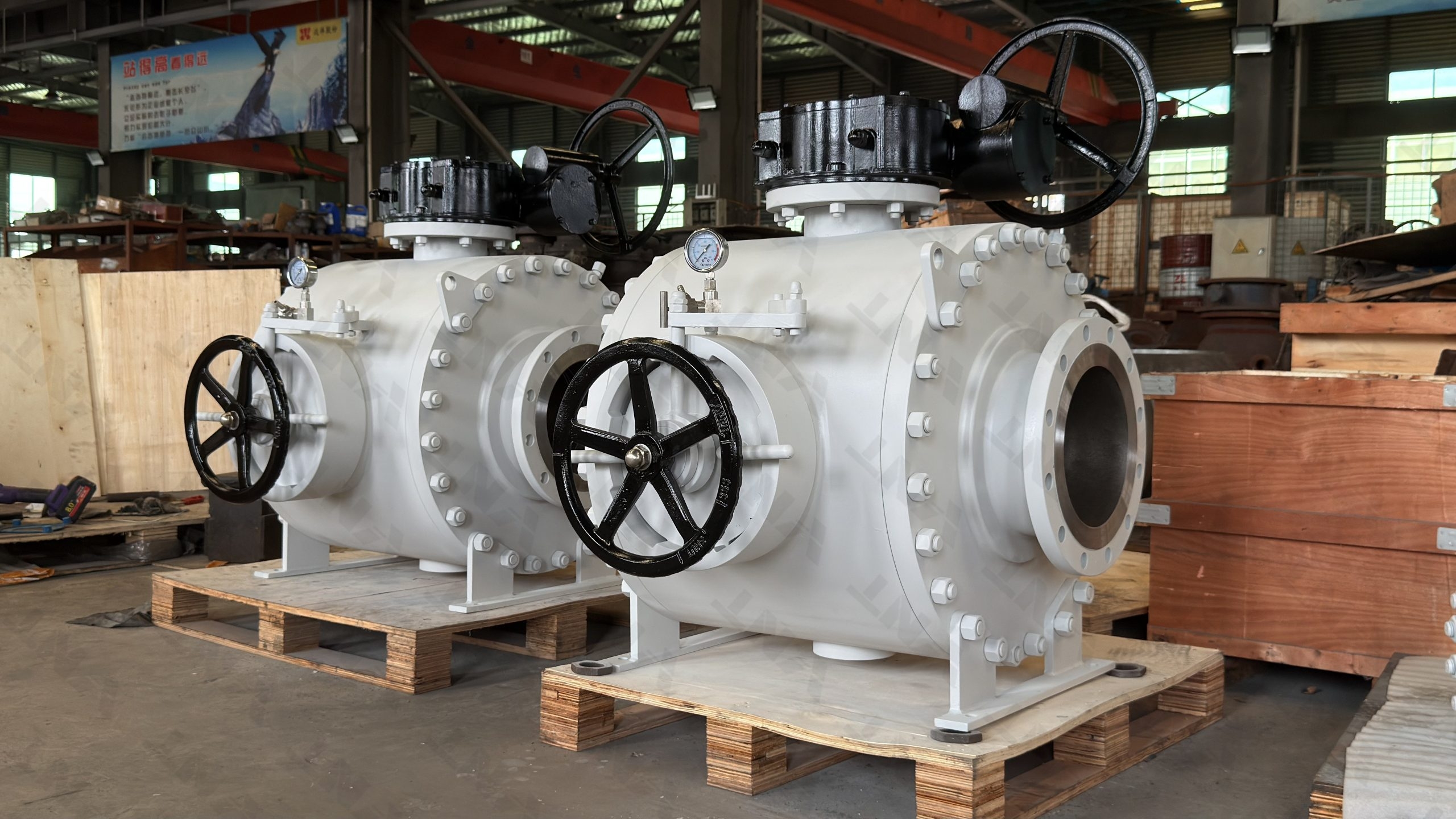
What Is a Pigging Valve? Complete Guide to Pipeline Cleaning Valves
📋 Key Takeaways
- Pigging valves enable pipeline cleaning pigs to pass through without interrupting flow or requiring a traditional launcher.
- Full-bore through-conduit design with equal internal diameter ensures unobstructed pig passage and minimal pressure drop.
- Pigging valves eliminate the need for launcher barrels, reducing system footprint and capital expenditure.
- Key applications include oil & gas pipelines, chemical processing, and water injection systems requiring regular internal cleaning.
Pigging valve types: Pigging Valve for Pipeline Cleaning: What Is a Pigging Valve
furthermore, A pigging valve for pipeline cleaning is a specialized industrial valve that functions as both a launcher and receiver for pipeline cleaning pigs — devices that travel through pipelines to remove debris, wax, scale, and product buildup. Instead of requiring a separate pig barrel, closure door, vent system, and support piping, a pigging valve combines all these functions into a single inline valve body.
additionally, For operators of long-distance pipelines transporting crude oil, natural gas, refined products, water, or chemicals, the pigging valve represents a significant reduction in both capital expenditure and operational complexity. A single valve replaces what traditionally required a dedicated pig launcher station occupying 5-10 meters of pipeline right-of-way.
The term “pigging” comes from the squealing sound the original leather-and-metal cleaning devices made as they traveled through pipes. Modern pigs are sophisticated tools made from polyurethane foam or molded rubber, often fitted with sensors for pipeline inspection. The pigging valve is designed to launch and receive these tools without interrupting pipeline flow.
How Does a Pigging Valve Work?
The pigging valve uses a full-bore ball or plug design. When fully open, the bore diameter matches the pipeline inner diameter exactly, creating an unobstructed passage for the pig. The valve body includes a side entry port for loading and unloading pigs.
The pigging cycle follows these steps:
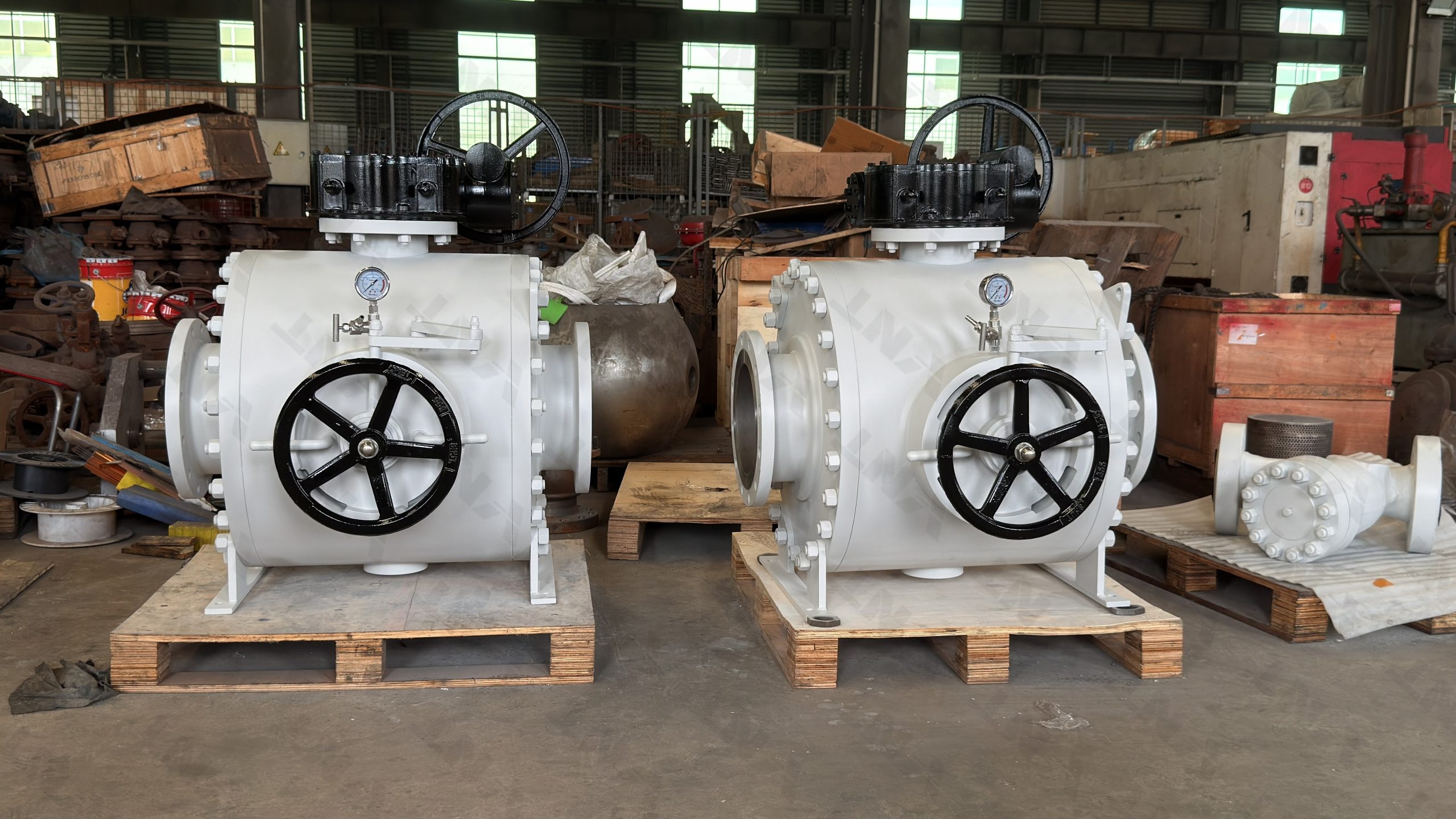
Step 1 — Loading: With the valve in the closed position, the side entry port is opened and the pig is inserted into the valve chamber. The port is then sealed.
Step 2 — Launch: The valve opens to the full-bore position. Pipeline pressure pushes the pig out of the valve chamber and into the pipeline. The pig travels downstream at the speed of the flowing medium.
Step 3 — Recovery: At the receiving end, a second pigging valve in the closed position catches the pig as it arrives. The valve is isolated, the side port is opened, and the pig is removed.
Step 4 — Return to Service: The valve closes, the port is sealed, and the valve returns to normal pipeline isolation or flow control service.
A full pigging cycle — from loading to recovery — takes approximately 10-15 minutes. Traditional pig launcher systems require 2-4 hours for the same operation, plus setup and teardown time for lifting equipment.
Pigging Valve vs. Traditional Pig Launcher
Understanding the differences between a pigging valve and a traditional pig launcher system is essential for pipeline operators evaluating equipment upgrades. The table below compares the two approaches across the key decision factors:
| Factor | Pigging Valve | Traditional Pig Launcher |
|---|---|---|
| Footprint | Single inline valve, < 1m length | 3-10m barrel assembly + closure door swing area |
| Capital Cost | $2,000-$15,000 depending on size and class | $8,000-$50,000+ including barrel, closure, vent, drain, support structure |
| Installation | Welded or flanged inline, no foundation required | Concrete foundation, structural steel supports, multiple weld joints |
| Operators Required | 1 person | 2-3 persons (operators + lifting equipment operator) |
| Cycle Time | 10-15 minutes | 2-4 hours |
| Maintenance | Standard valve seat/seal replacement | Closure seal replacement, vent valve servicing, barrel internal inspection |
| Safety Risk | Lower — no large-diameter pressure closure | Higher — large closure door under pressure is a known failure point |
| Dual Function | Serves as isolation valve when not pigging | Dedicated pigging only |
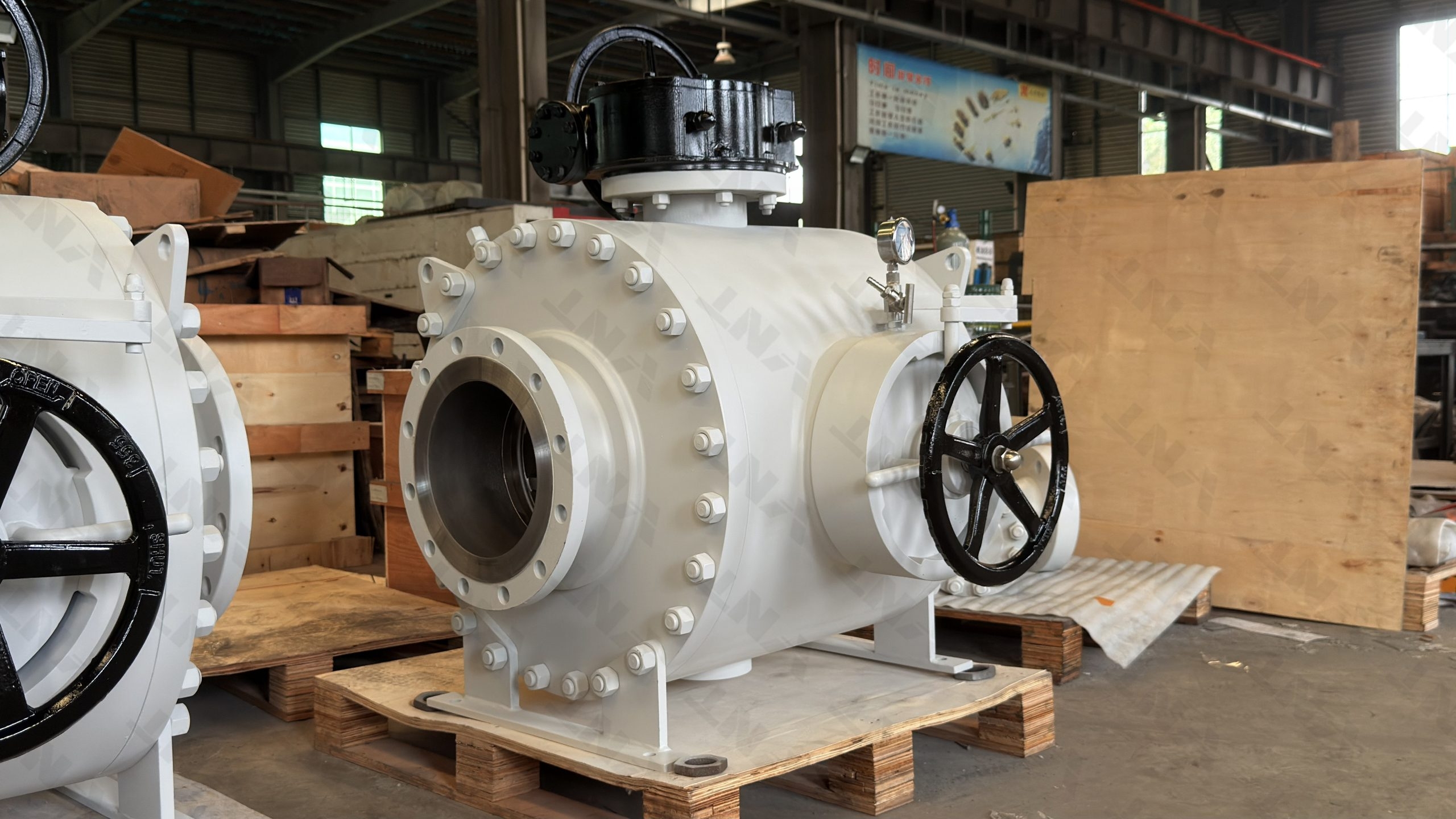
For new pipeline installations, the cost savings from choosing pigging valves over traditional launchers can reach 40-60% on the pigging equipment alone, not counting installation and foundation savings.
Key Applications and Industries
Pigging valves are used across multiple industries where pipeline cleaning is a routine operational requirement:
Oil & Gas Transmission. Crude oil pipelines accumulate paraffin wax deposits that reduce flow capacity over time. Natural gas pipelines collect liquid condensate, black powder (iron sulfide), and debris from construction. Regular pigging with a pigging valve maintains flow efficiency and prevents blockage. Typical pigging frequency ranges from weekly to quarterly depending on medium composition.
Refined Products Pipelines. Product pipelines that transport gasoline, diesel, jet fuel, and LPG require batch separation pigs between different product runs. A pigging valve at the receiving end allows operators to detect product interface and divert batches to the correct tank without cross-contamination.
Water and Wastewater. Municipal water transmission pipelines develop biofilm, scale (calcium carbonate), and sediment over time. Pigging restores flow capacity by 15-30% in many cases, deferring the need for pipe replacement. Pigging valves are particularly valuable in water systems where shutdown for cleaning is politically and logistically difficult.
Chemical Processing. Chemical plants transfer acids, solvents, polymers, and intermediates between storage tanks and processing units. Product purity requirements make regular pigging mandatory. Pigging valves allow chemical operators to clean lines between batch changes without opening the system to atmosphere.
Petrochemical and Refining. Refinery transfer lines handling crude, intermediates, and finished products benefit from pigging valves at launcher and receiver locations. The ability to pig without full system shutdown is especially valuable in continuous-process refineries where unscheduled downtime costs $100,000+ per day.
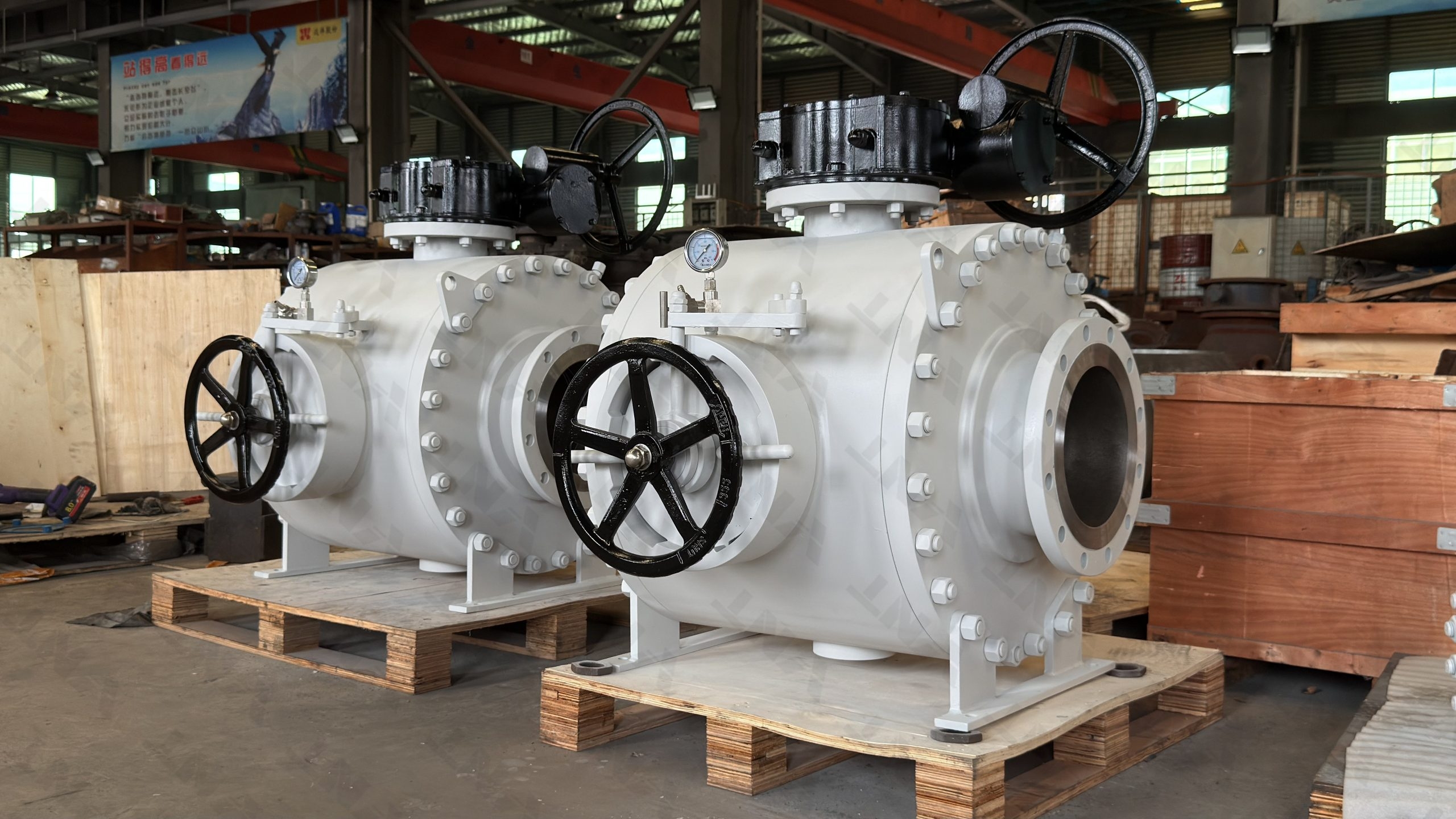
Technical Specifications and Design Standards
Vornet Valve manufactures pigging valves to the following specifications, compliant with international standards:
| Parameter | Specification |
|---|---|
| Size Range | 2″ – 16″ (DN50 – DN400) |
| Pressure Rating | Class 150 – 2500 (PN16 – PN420) |
| Body Materials | Carbon steel (WCB/WCC), stainless steel (CF8/CF8M), alloy steel, duplex stainless steel, nickel-based alloys (Monel, Hastelloy, Inconel) |
| End Connections | RF flanged (ASME B16.5), BW butt-weld (ASME B16.25), NPT threaded, SW socket-weld |
| Operation | Manual gearbox, pneumatic actuator, electric actuator, hydraulic actuator |
| Design Standard | API 6D / ASME B16.34 |
| Pressure Testing | API 6D / ISO 5208 Rate A (zero-leakage) |
| Temperature Range | -46°C to +425°C (higher with special materials) |
| Bore Design | Full bore (full opening, piggable) |
| Sour Service | NACE MR0175 / ISO 15156 compliant available |
The full-bore design is the critical feature that makes a pigging valve suitable for pipeline cleaning. Standard reduced-bore ball valves have a smaller internal diameter that blocks pig passage. Always verify the bore diameter matches the pipeline ID before specifying a pigging valve.
How to Select the Right Pigging Valve
Selection of a pigging valve requires evaluation of several factors specific to the pipeline and operating conditions:
1. Pipeline Diameter and Schedule. The valve bore must match the pipe inner diameter. For a 6″ Schedule 40 pipe (ID = 6.065″), specify a 6″ full-bore pigging valve. If the pipeline uses Schedule 80 (ID = 5.761″), a 6″ valve still works, but confirm the pig size matches the smaller ID.
2. Operating Pressure. Select a pressure class that exceeds the maximum allowable operating pressure (MAOP) including surge. For a pipeline rated at 600 PSIG, a Class 300 valve (720 PSIG at 100°F) provides adequate margin. For sour gas pipelines over 1,000 PSIG, Class 600 or higher is typical.
3. Pig Type and Frequency. Foam pigs (light cleaning, drying) require less valve wear than brush or magnetic pigs (heavy cleaning). For daily pigging with aggressive pigs, specify hardened seat inserts and replaceable seal carriers to extend service life between maintenance intervals.
4. Medium Compatibility. For sweet crude and gas, carbon steel body with standard trim (13Cr or F6NM) is sufficient. For sour service (H2S present), NACE MR0175 compliance requires controlled hardness materials — typically LCC or LCB body with Inconel 625 overlay on sealing surfaces. For chemical service, verify compatibility with the specific chemical concentration and temperature.
5. Actuation Requirements. Manual gear operation is suitable for pigging frequencies of once per week or less. For daily pigging or remote/unmanned stations, specify pneumatic or electric actuation with position feedback and remote control capability.
6. Temperature Range. Standard pigging valves with PTFE seats operate from -46°C to +200°C. For high-temperature pipelines (steam, hot oil, superheated fluids), specify PEEK seats (up to 260°C) or metal seats (up to 425°C). For cryogenic service (LNG, ethylene below -100°C), extended bonnet designs with low-temperature trim are required.
Installation and Maintenance Considerations
Pigging valves install directly in the pipeline like a standard full-bore valve. No special foundation or structural support is required beyond what is standard for the pipeline class. Key installation points:
— Orient the side entry port accessible for pig loading/unloading. For horizontal pipelines, the port should face upward or to the side with clearance for pig insertion tools.
— Provide a downstream receiver valve at the pig retrieval location. The distance between launcher and receiver depends on the pipeline length and pig travel speed.
— Install pressure gauges upstream and downstream of the pigging valve to monitor differential pressure during pig passage. A sudden pressure drop indicates the pig has exited the valve.
Routine maintenance for pigging valves follows the same schedule as standard full-bore ball valves. Seat seal inspection every 12 months or 500 pigging cycles, whichever comes first. Side port seals should be inspected every 100 cycles. Grease fittings on the gearbox should be serviced annually.
FAQ: Pigging Valves
Q1: Can a pigging valve be used as a regular isolation valve?
A: Yes. When not in use for pigging operations, the pigging valve functions as a standard full-bore ball valve for flow isolation, with the same pressure and sealing performance as any API 6D-compliant valve.
Q2: What is the maximum pigging frequency a pigging valve can handle?
A: Vornet pigging valves with standard PTFE seats are rated for daily pigging cycles. For higher frequencies (multiple pigs per day), specify hardened seat inserts and replaceable seal carriers. With proper maintenance, the valve body itself lasts the full pipeline design life of 20-30 years.
Q3: How does a pigging valve handle different pig types?
A: The full-bore design accommodates all standard pig types: foam cleaning pigs, cup pigs, disc pigs, magnetic cleaning pigs, and intelligent inspection pigs (smart pigs). The minimum bore diameter must clear the largest pig component. For smart pigs with sensors and electronics, a bore 1″ larger than the pig diameter is recommended.
Q4: What is the cost difference between a pigging valve and a traditional launcher?
A: For a 10″ Class 600 application, a pigging valve costs approximately $8,000-$12,000. A complete traditional pig launcher station (barrel, closure, vent, drain, support structure, foundation) costs $25,000-$50,000 installed. The pigging valve saves 50-70% on initial equipment cost and eliminates ongoing maintenance for closure seals, vent valves, and barrel internal coating.
Q5: Are pigging valves available for sour gas service (NACE MR0175)?
A: Yes. Vornet Valve supplies pigging valves with NACE MR0175 / ISO 15156 compliance for sour gas and oil services. This includes controlled hardness materials, Inconel 625 or 825 overlay on sealing surfaces, and certification with material test reports (MTRs).
Q6: Can a pigging valve be retrofitted into an existing pig launcher station?
A: Yes. The pigging valve replaces the traditional launcher barrel and closure directly. The existing pipeline connections typically match the pigging valve end connections. Retrofit installation can be completed within a single day during a planned shutdown, with immediate reduction in future pigging cycle time.
Q7: What is the temperature limit for pigging valves?
A: Standard PTFE-seated pigging valves operate from -46°C to +200°C. PEEK seats extend the range to 260°C. Metal-seated designs handle up to 425°C. For cryogenic service below -46°C, extended bonnet designs with low-temperature trim (F316 stainless steel, PCTFE seats) are available.
Q8: How do I verify the pigging valve bore matches my pipeline?
A: Request the valve’s actual bore diameter from the manufacturer. For Vornet pigging valves, the bore is 1-2 mm larger than the nominal pipe inside diameter per API 6D full-bore requirements. Provide your pipe schedule (e.g., 8″ Sch 40, ID = 7.981″) and the manufacturer will confirm the valve bore clearance for your specific pig size.
For technical support, specifications, or a quotation for pigging valves for your pipeline project, contact our engineering team. We provide drawings, material certifications, and application engineering support for all pigging valve orders. For more valve selection resources, visit our Valve Selection Guide. All material specifications reference ASTM International standards.
Need a Pigging Valve for Your Pipeline?
Vornet Valve supplies pigging valves in sizes 2″ to 16″, Class 150 to 2500, in carbon steel, stainless steel, duplex, and alloy materials. Contact our engineering team for sizing and specification assistance.