
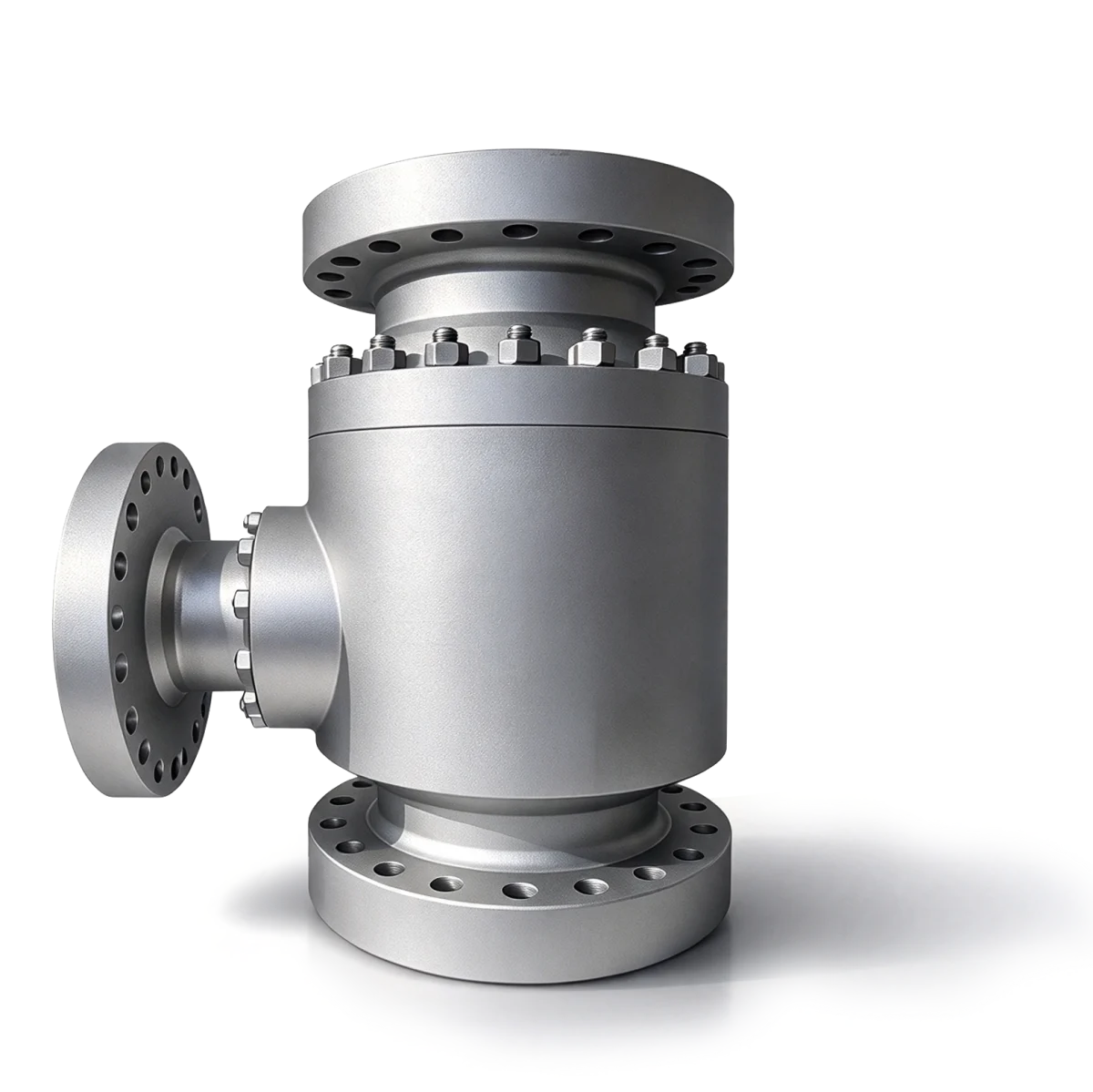
Automatic Recirculation Valve
Product Description
Vornet’s automatic recirculation valve (ARV) maintains the minimum flow required by a centrifugal pump when process demand falls. It is designed for high-pressure applications, including boiler feedwater, petroleum processing and steel mill descaling water systems.
Installed at the pump discharge, this self-acting pump protection valve combines flow sensing, bypass control, pressure reduction and a mainline check function. It requires no external electrical power or instrument air.
How the Automatic Recirculation Valve Works
Start-up or zero process flow: The open bypass returns the pump’s required minimum flow to the designated tank or return vessel.
Partial load: As process flow rises, the main disc lifts and the bypass opening decreases, maintaining the required minimum pump flow.
Normal process flow: At the specified bypass closing point, the bypass closes and flow passes to the process.
Falling process demand: The bypass reopens as main flow falls, restoring minimum-flow recirculation to protect the pump.
Key Features
- Flow sensing: The main check disc responds to process flow and mechanically controls the bypass opening.
- Minimum-flow recirculation: When process demand is low, the bypass returns the required minimum flow to the suction tank or condensate tank to help prevent pump overheating.
- Multistage bypass pressure reduction: Bypass trim is selected for the specified differential pressure and return-tank pressure to manage cavitation, noise and erosion.
- Integrated non-return function: The mainline check valve helps prevent reverse flow into the pump.
- Self-acting operation: Flow sensing and bypass control operate without an external electric power supply or instrument air.
- Material options: A105/LF2 carbon steel, F304/F316L stainless steel, and F51/F55 duplex steel, selected to suit the specified duty.
General Information
| Size Range | 1″–20″ (DN25–DN500) |
|---|---|
| Pressure Rating | ASME Class 150–1500 |
| Body Material | A105/LF2 carbon steel, F304/F316L stainless steel, F51/F55 duplex steel |
| Temperature Range | −10°C to 200°C |
| Operation | Automatic |
| Design Standard | ASME B16.34 |
| Face-to-Face Dimensions | Manufacturer’s standard or customer requirements |
| End Connections | ASME B16.5; other standards upon request |
| Test & Inspection | API 598 |
ARV Sizing Information
Pump flow
Pump manufacturer’s required minimum flow, normal and maximum process flow; pump datasheet or performance curve.
Operating pressures
Pump suction and discharge pressures at the relevant operating points, especially at minimum flow.
Bypass return
Return-vessel pressure, bypass piping size, length and elevation changes where available.
Fluid properties
Medium, operating temperature, density and viscosity where applicable.
Valve specification
Main-line and bypass connection sizes, pressure class, materials, end connections, design pressure and design temperature.
Project requirements
Quantity, required delivery date, inspection requirements and project specifications.
Fill in your ARV enquiry
Automatic Recirculation Valve Enquiry
Enter the operating data you have. Technical fields can be left blank if unknown. Fields marked * are required.
ARV Project
Case Studies
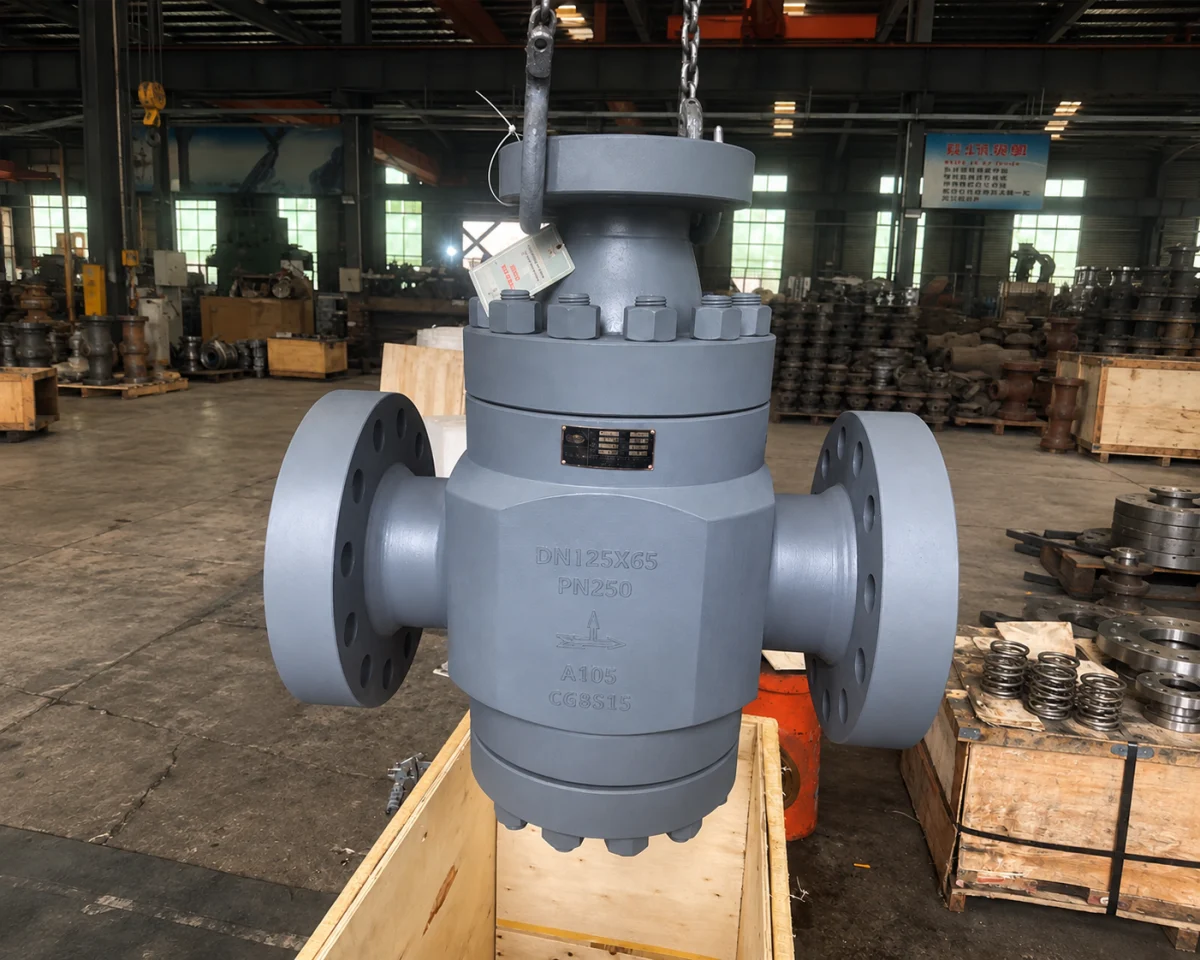
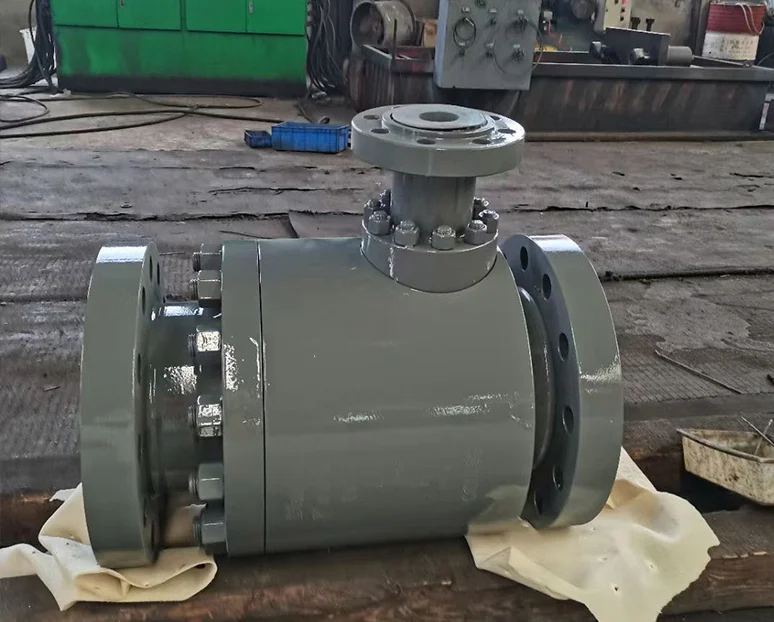
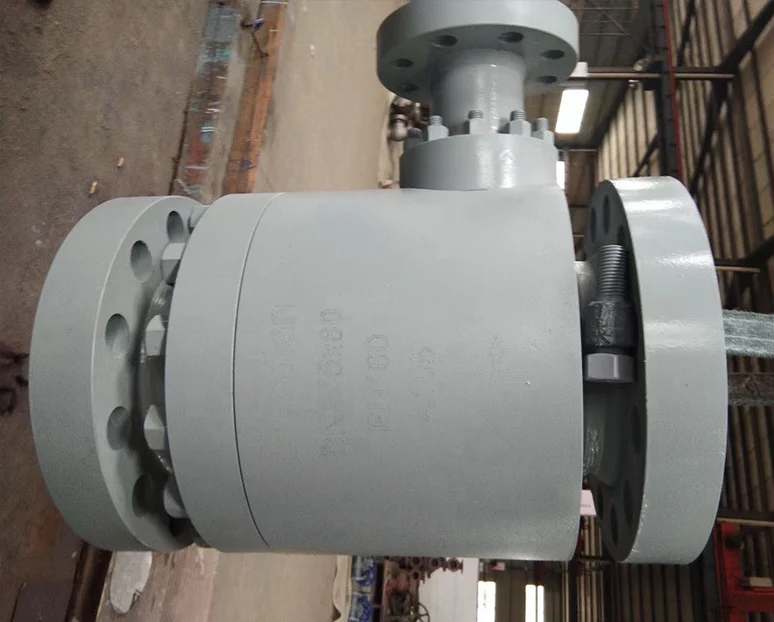
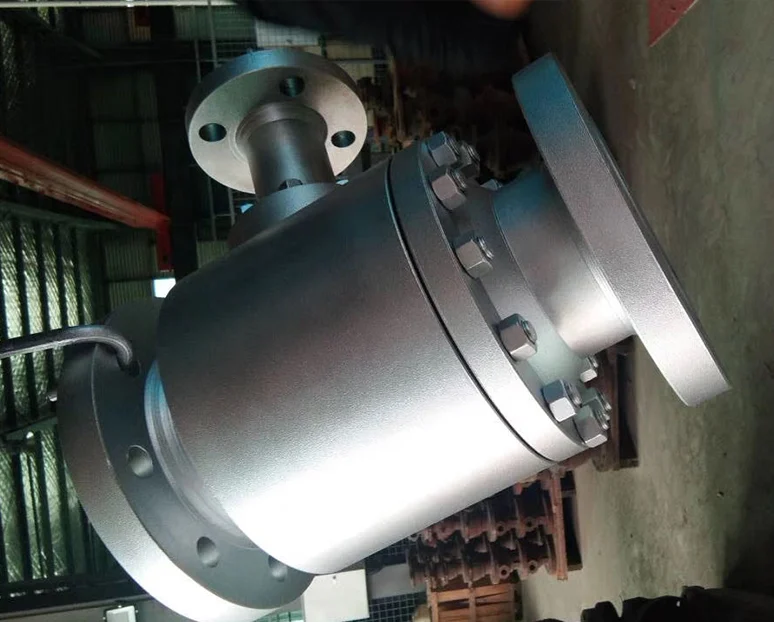
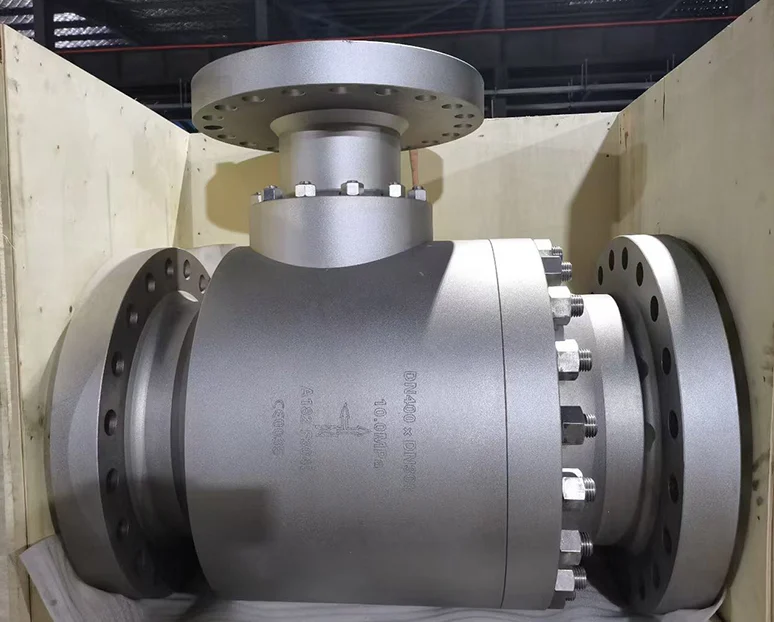
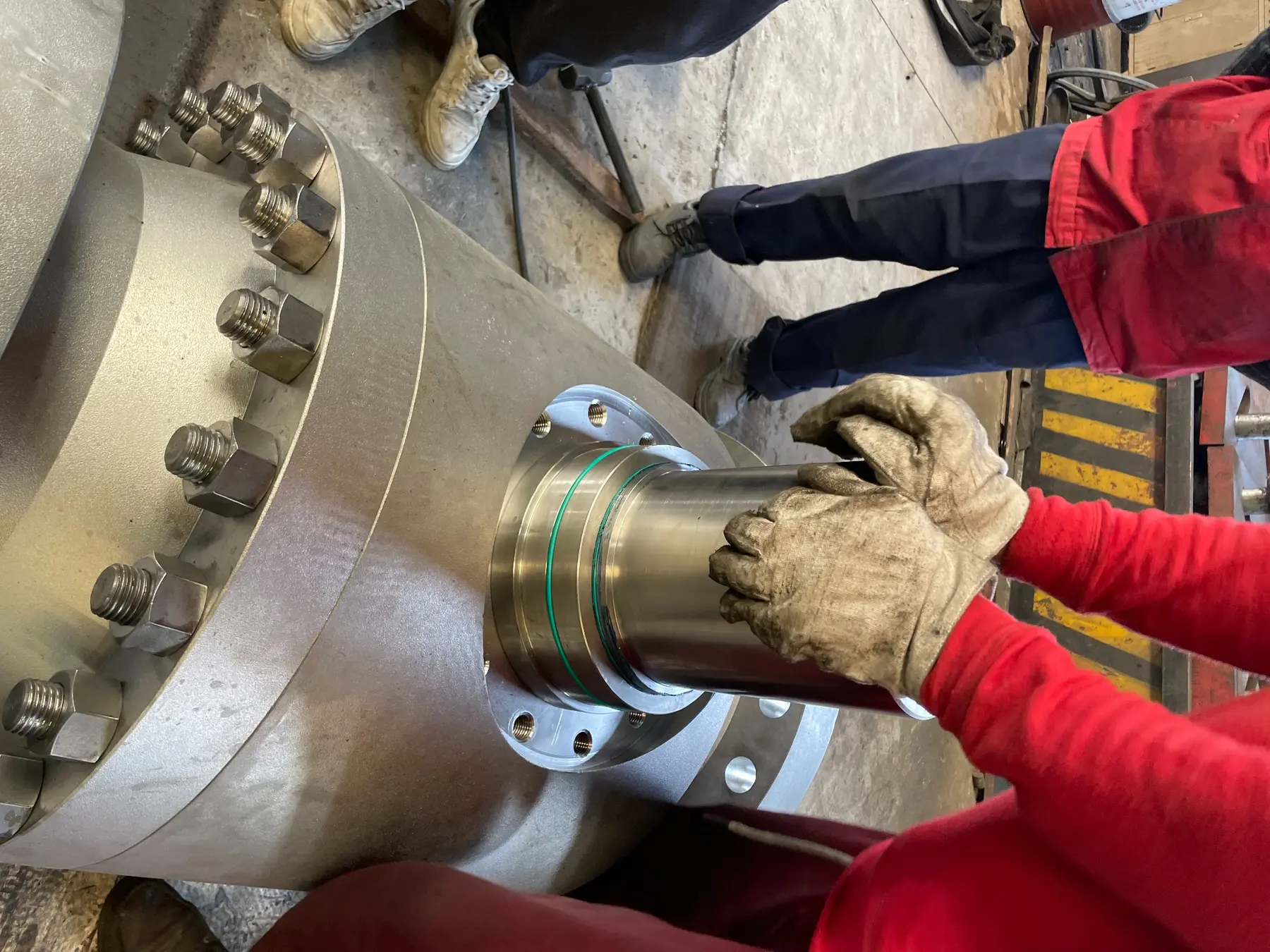
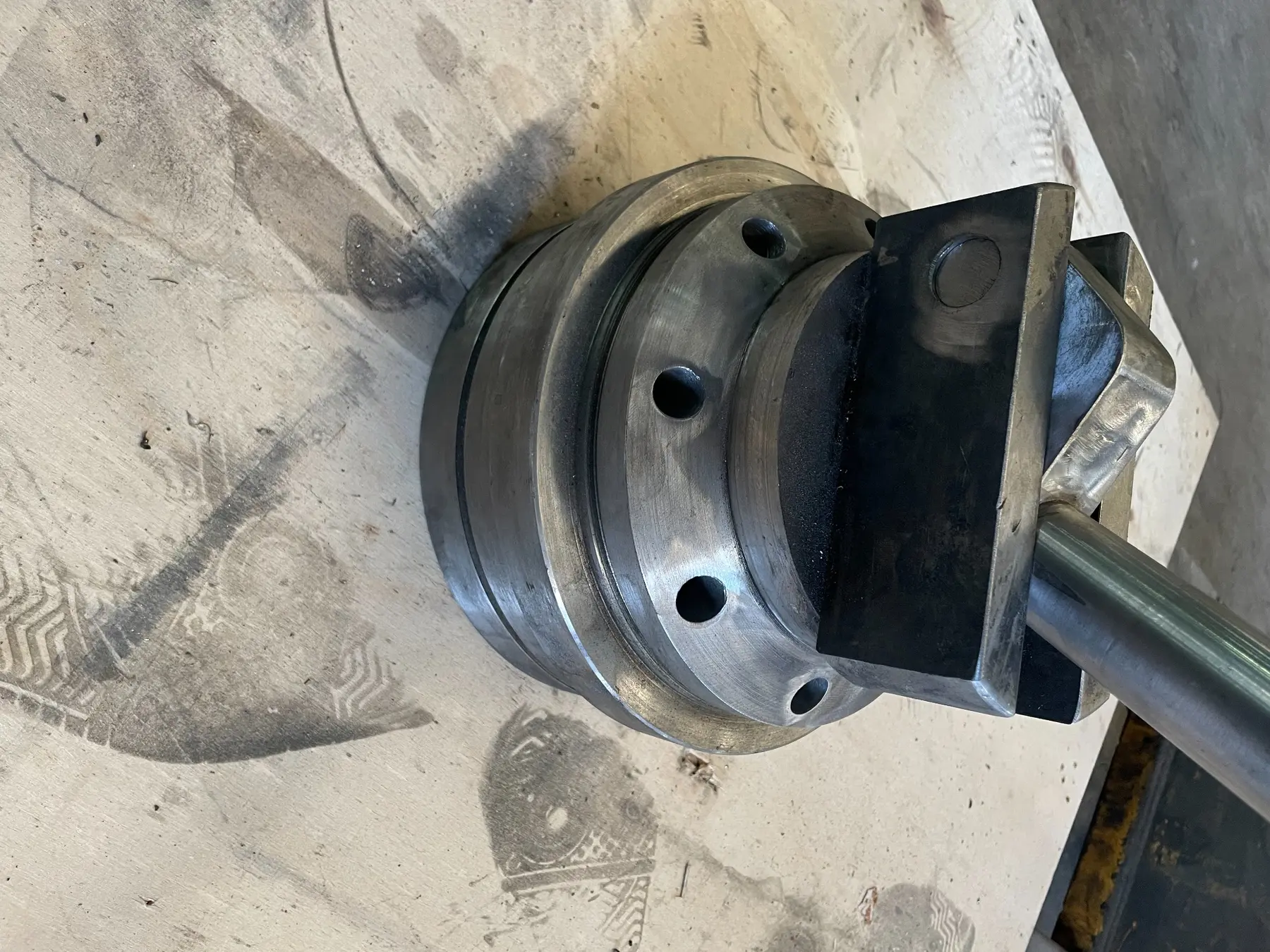
Explore our DN400×DN300, 10 MPa F304 pump protection valve for a power-plant project in Shanxi, China. These photographs show the finished valve, internal assembly and machined components from the same project.
View ARV Project Details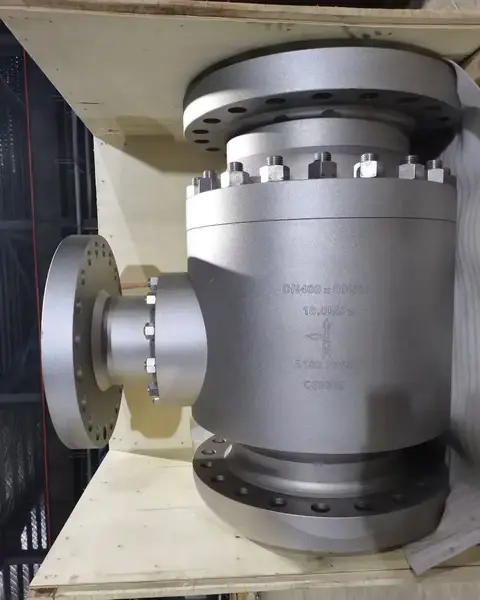
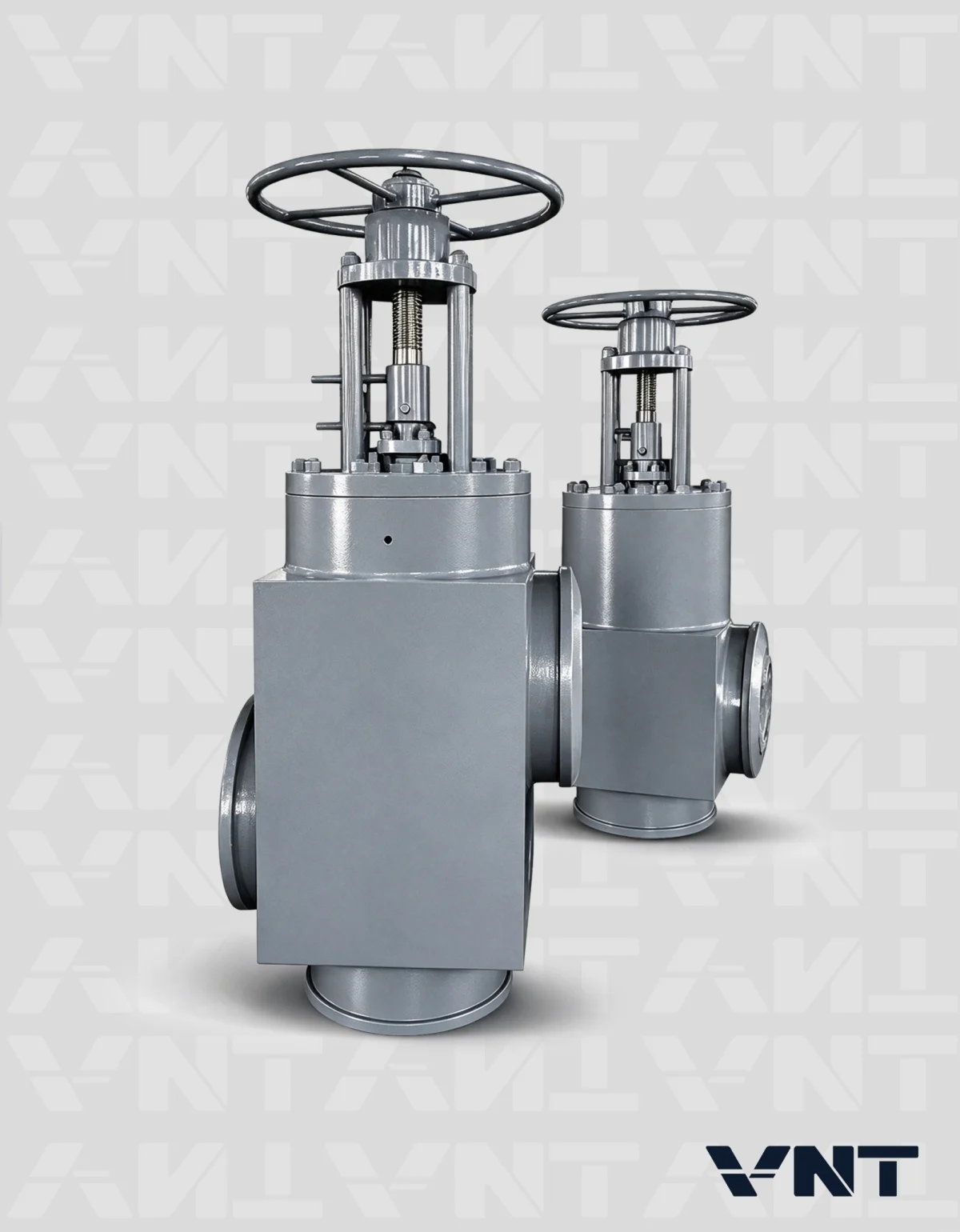
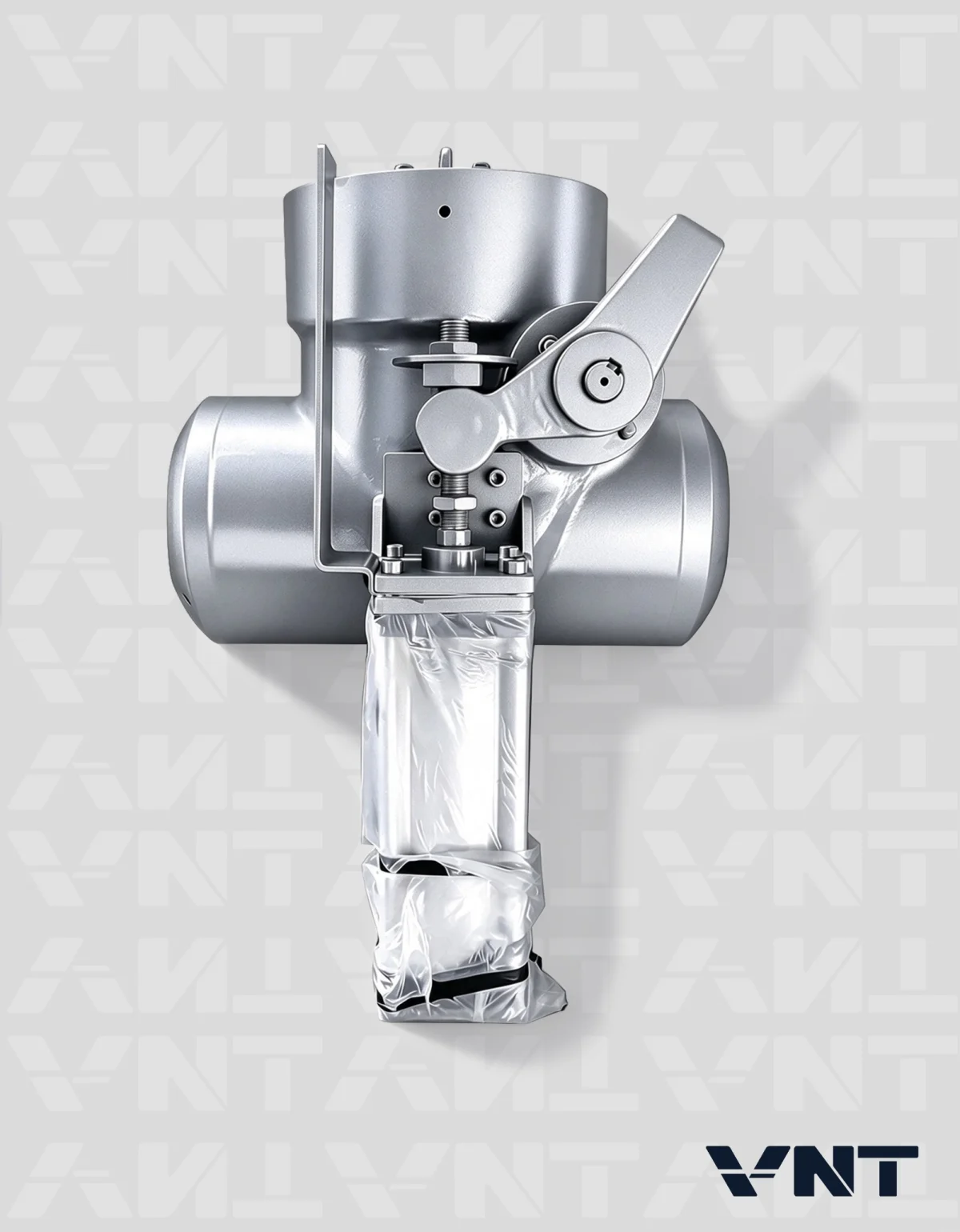
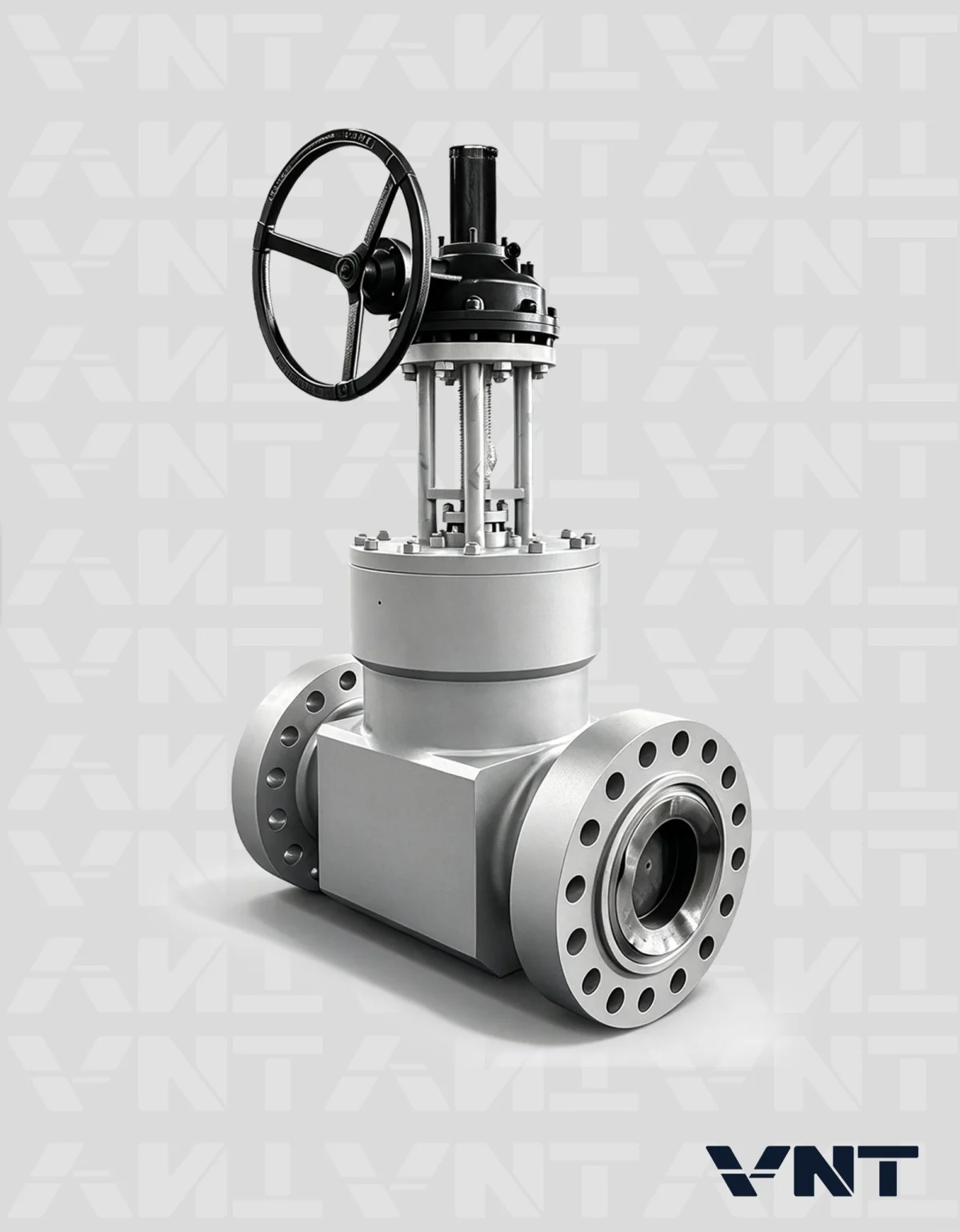
Related Industrial Valves
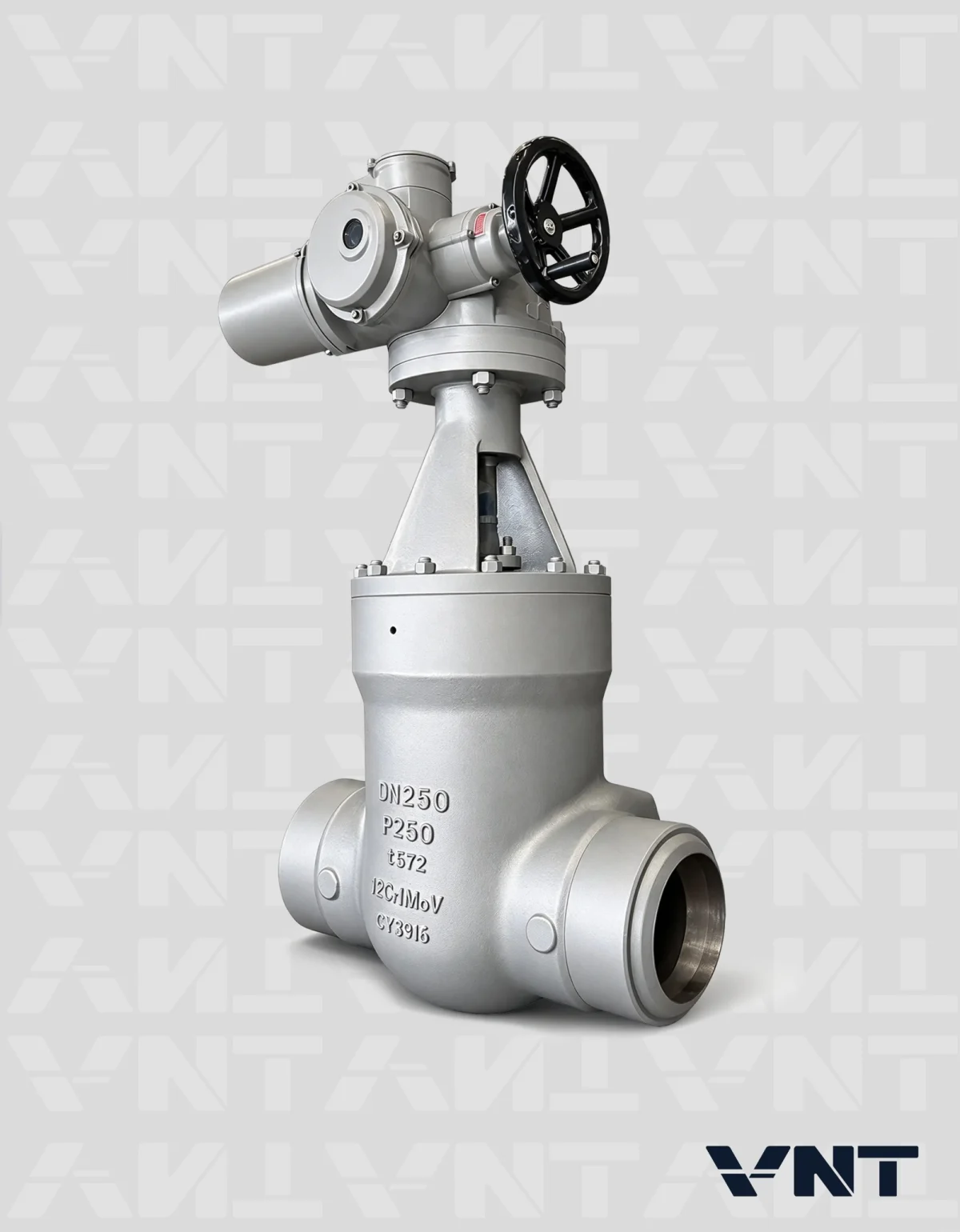
Related
Documents
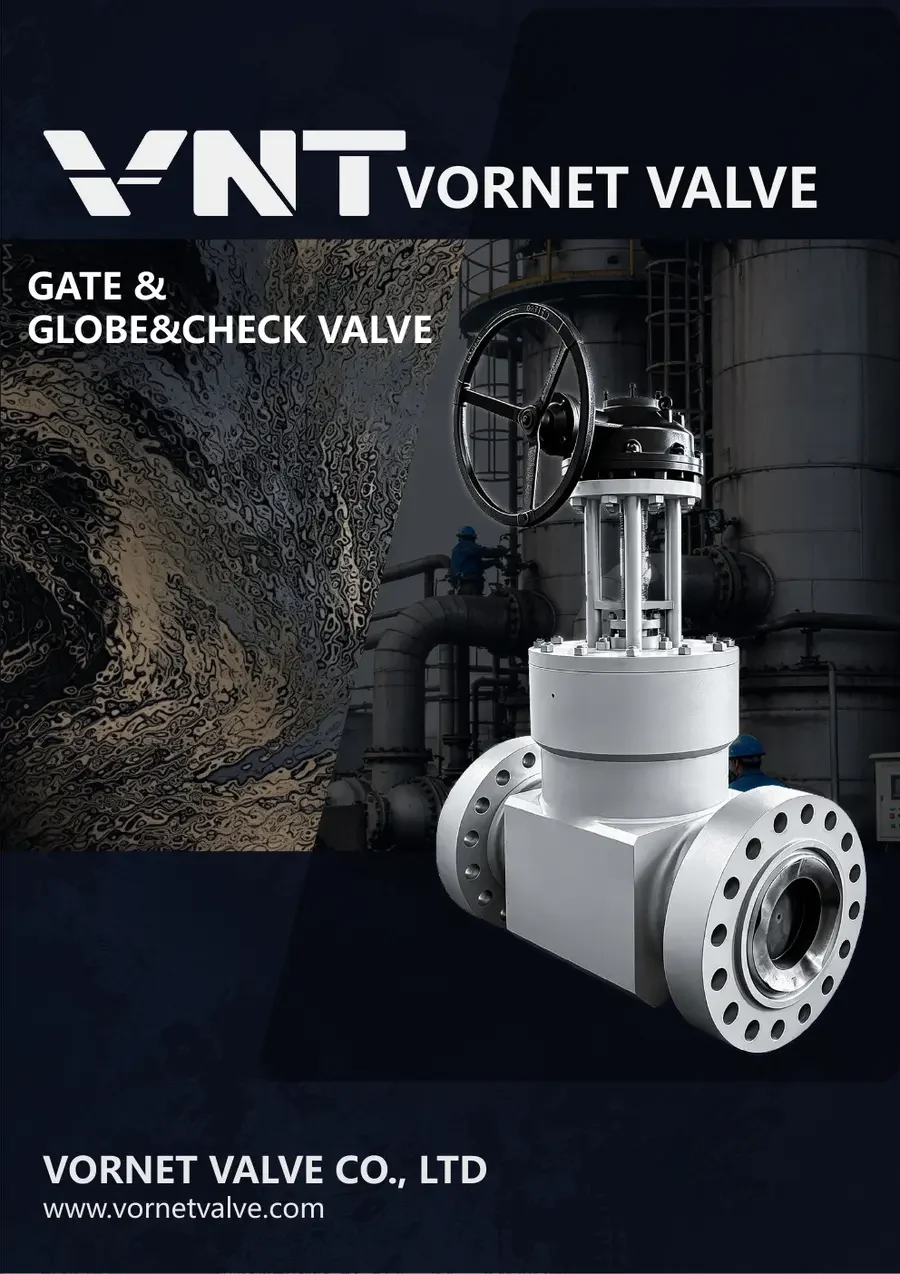
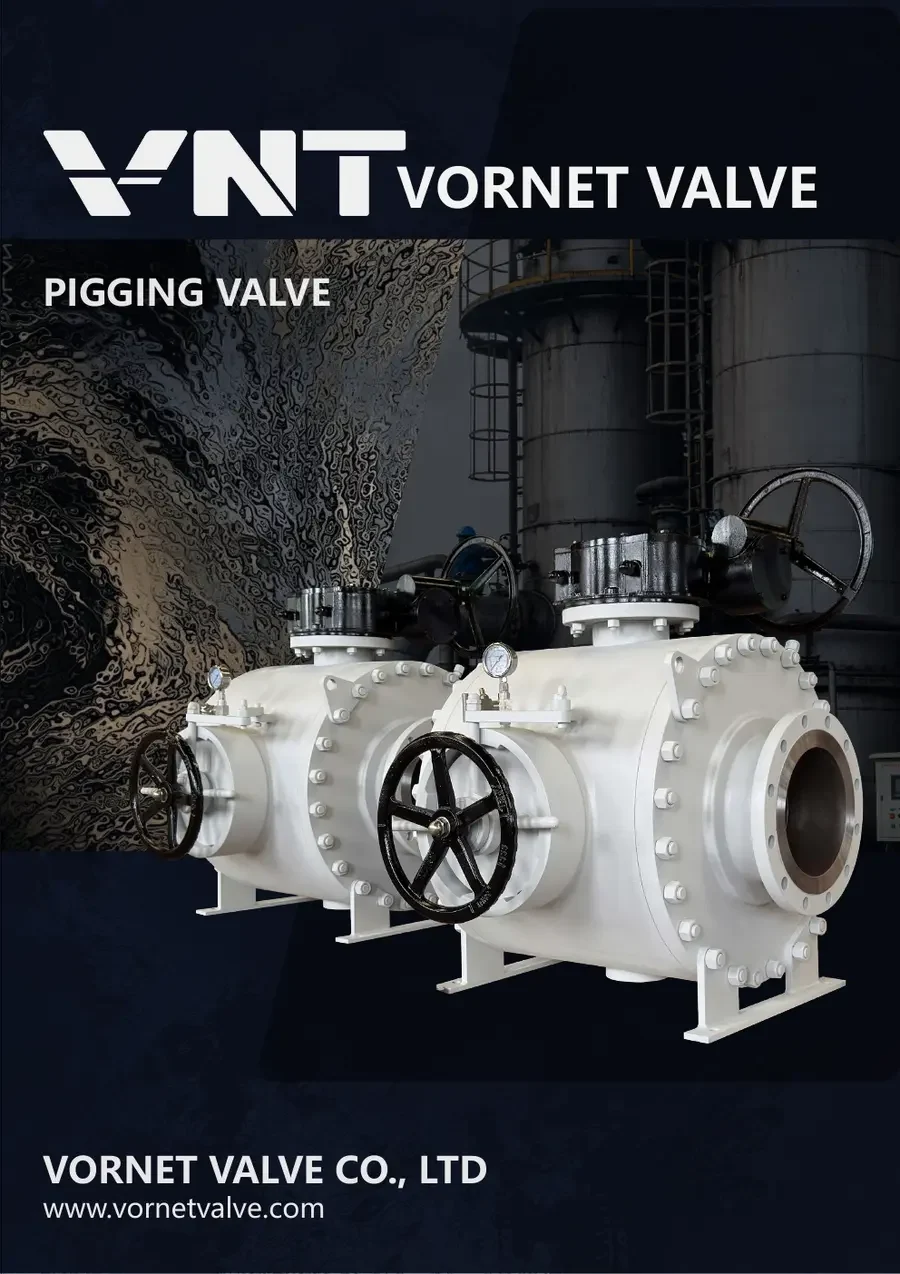
Download Vornet industrial valve catalogues. For automatic recirculation valve sizing information, send your pump and system requirements.
Explore All Downloads ↗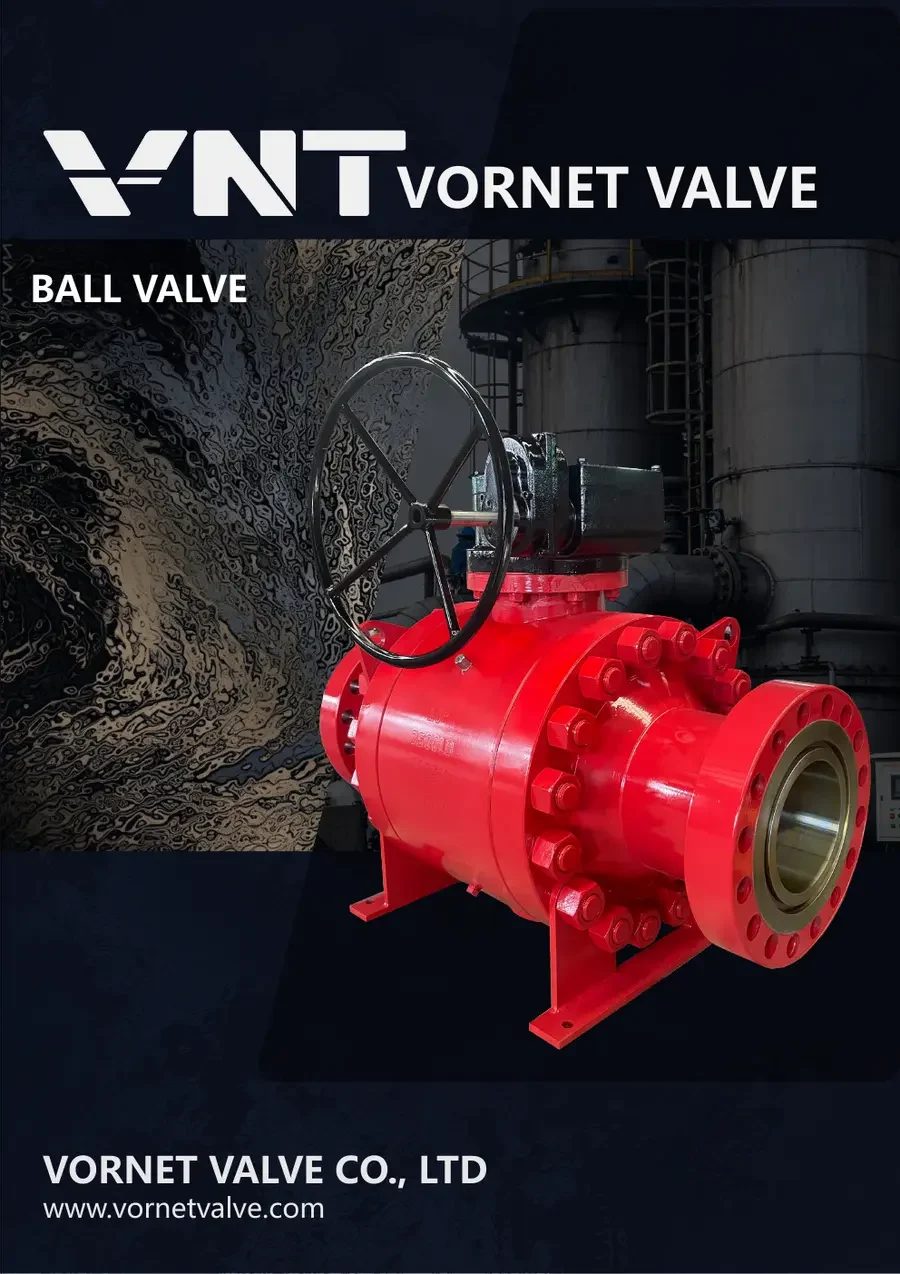
What is the purpose of an automatic recirculation valve?
It protects centrifugal pumps by maintaining a minimum flow whenever the main process flow falls below the required level, helping reduce cavitation, overheating and damage.
Is an automatic recirculation valve a minimum flow valve?
Yes. It is a self-acting type of minimum flow valve that responds to process flow and controls the recirculation bypass. Its mainline check function also helps prevent reverse flow into the pump.
What size and pressure ratings are available?
The published size range is 1″–20″ (DN25–DN500), with ASME Class 150–1500 options. PN-rated project configurations are reviewed separately against the specified design and flange standards; PN and ASME Class ratings are not interchangeable. Final sizing depends on pump duty, bypass differential pressure, fluid properties and system conditions.
What standards and temperature range apply?
The product information states manufacture to ASME B16.34 and operation from −10°C to 200°C. The final specification should be confirmed during engineering review.
What body materials are available?
Body material options include A105/LF2 carbon steel, F304/F316L stainless steel, and F51/F55 duplex steel. Material selection is reviewed against the specified fluid, temperature, pressure and corrosion requirements before quotation.
What information is required for ARV sizing and quotation?
Send your pump datasheet or performance curve, together with the information available below:
Flow: Pump manufacturer’s required minimum flow, normal and maximum process flow.
Pressure: Pump suction and discharge pressures at the relevant operating points, return-vessel pressure and bypass piping details.
Fluid: Medium, operating temperature, density and viscosity where applicable.
Valve requirements: Size, pressure class, materials, end connections, quantity and required delivery date.
The valve is selected for both main-line pressure loss and bypass capacity. Nominal pipe size alone is not sufficient. Send your pump data for ARV selection and quotation.