
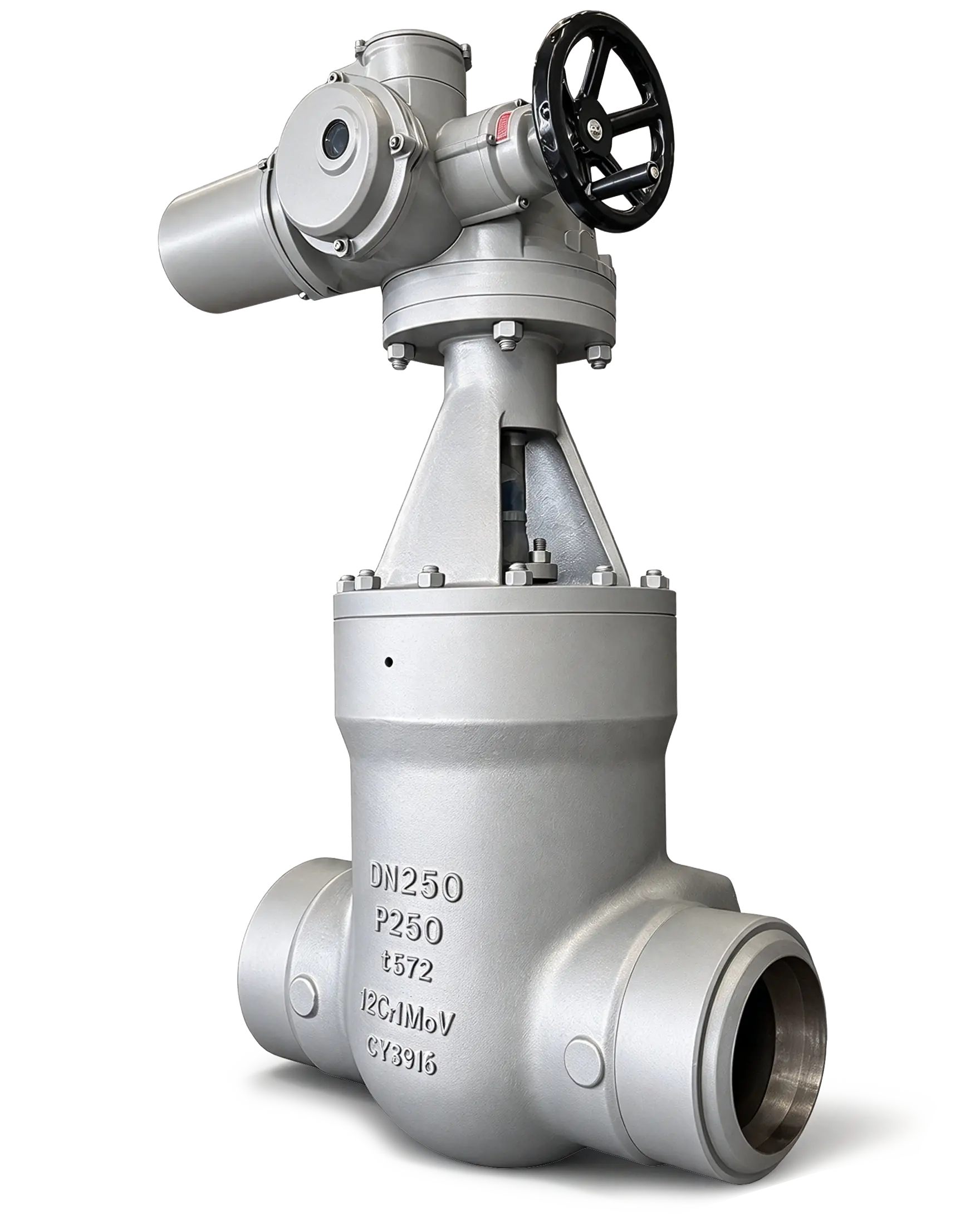
WC6/WC9/C12A Pressure Seal Parallel Double-Disc Gate Valve for Power Plants
| Size Range | NPS 2–24 (DN50–DN600) |
|---|---|
| Pressure Rating | ASME Class 900, 1500 & 2500 |
| Body Material | ASTM A216 WCB; ASTM A217 WC6, WC9 or C12A |
| Design Basis | ASME B16.34 |
| Operation | Handwheel (HW) / Electric |
| Temperature Range | −46°C to +650°C |
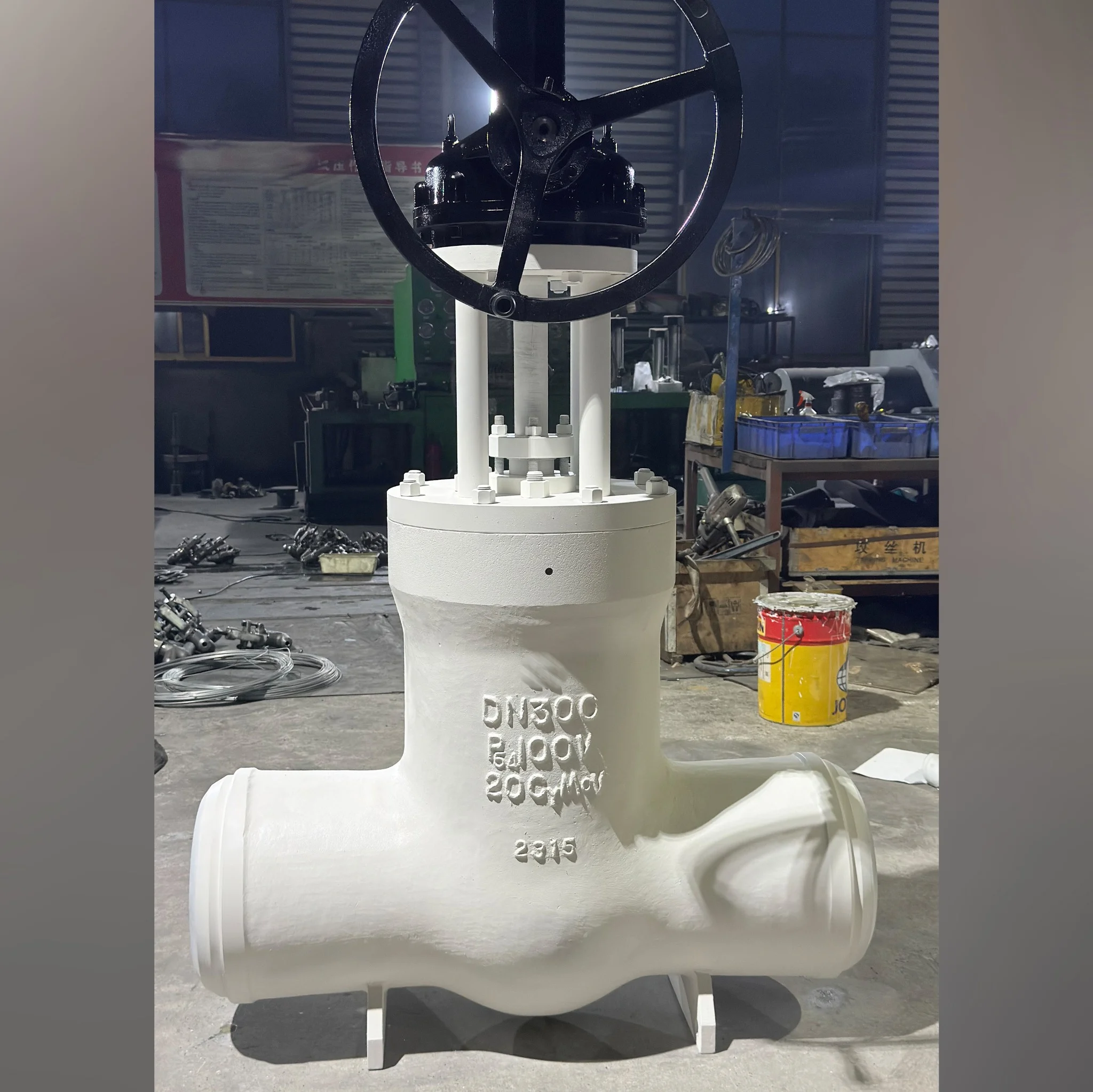
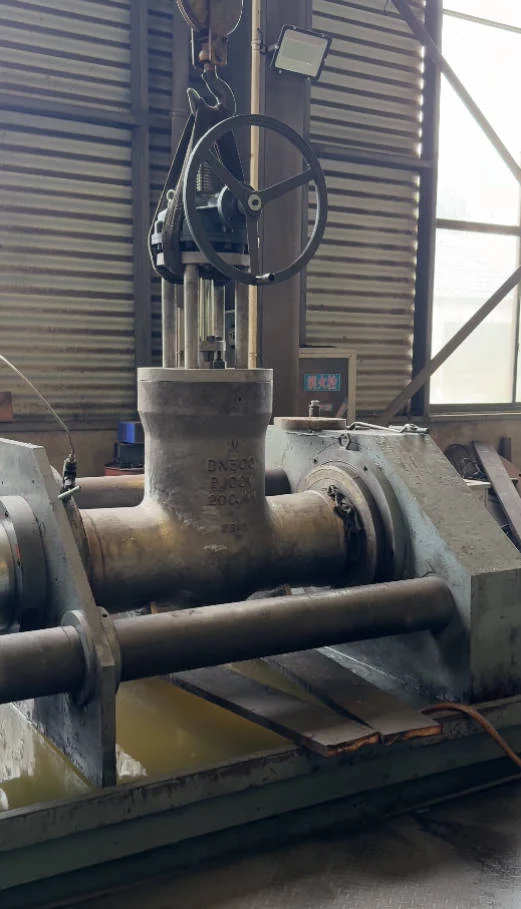
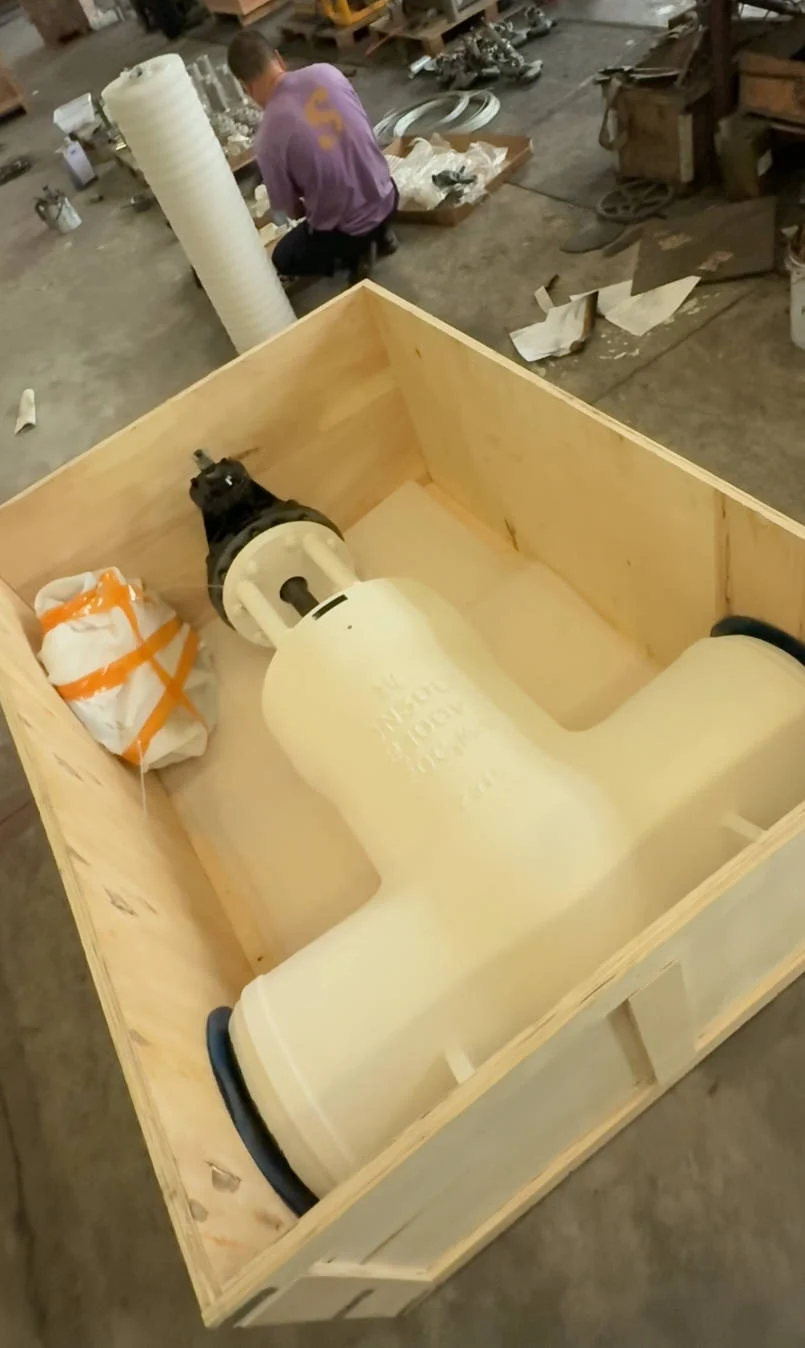
Project scope note: This DN300 PN100 20CrMoV case is a separate power-station gate valve project reference and does not represent the standard configuration of the WC6/WC9/C12A ASME Class 900–2500 product series shown on this page.
- Valve Type
- Power station gate valve
- Nominal Size
- DN300
- Pressure Rating
- PN100
- Body Material
- 20CrMoV
- Design Standard
- NB/T 47044
- Pressure Test
- API 598
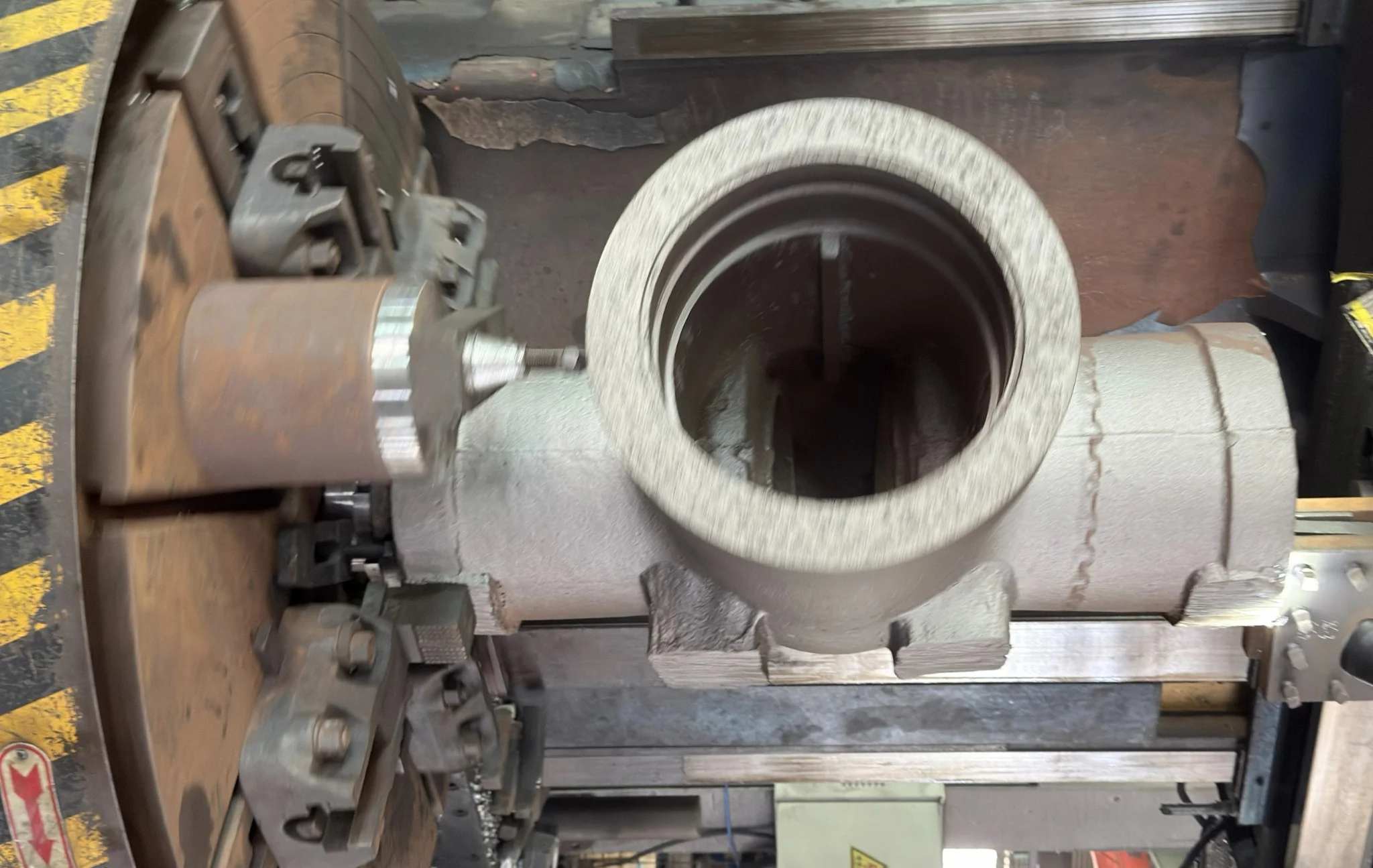
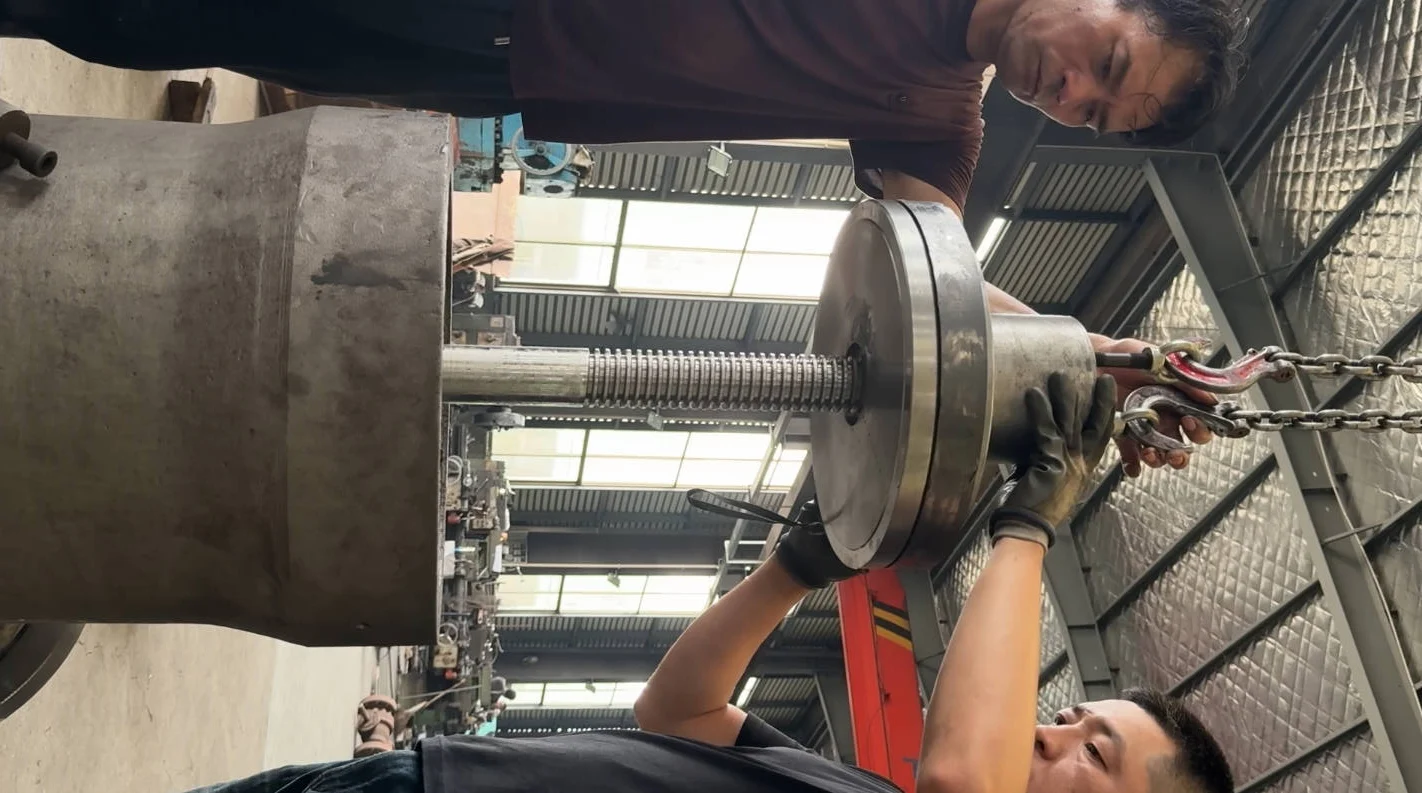
- Work Scope
- Machining, assembly and pressure-test documentation
WC6/WC9/C12A High-Temperature Gate Valve Overview
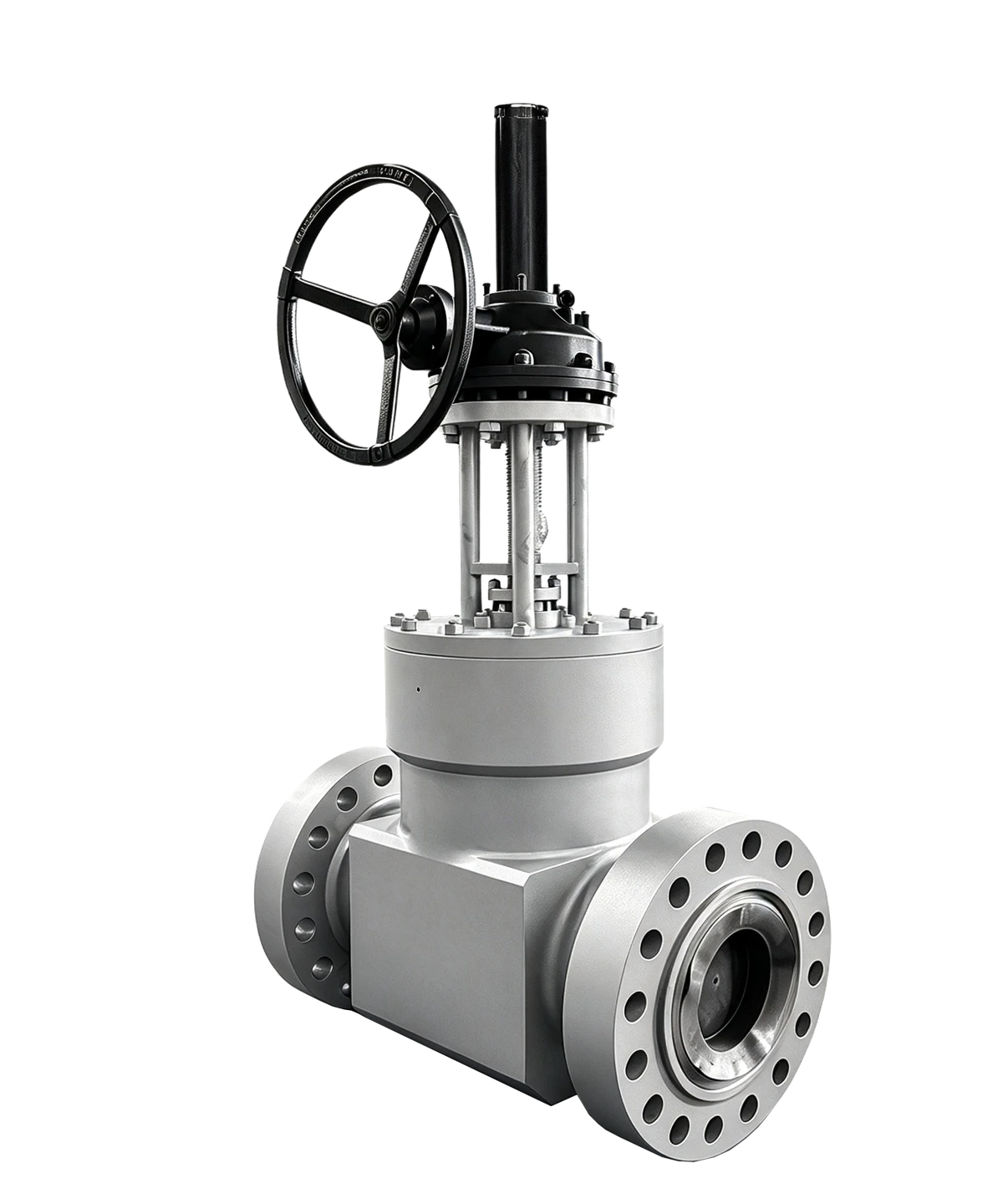
A pressure-seal, high-pressure gate valve engineered for steam isolation in thermal power plants, boiler systems and other elevated-temperature piping.
This power station gate valve is available with ASTM A216 WCB or ASTM A217 WC6, WC9 or C12A body materials for project-specific high-temperature service. The published product family covers 2″–24″ (DN50–DN600), ASME Class 900, 1500 and 2500, butt-weld ends and handwheel (HW) or electric operation. Final pressure-temperature limits must be verified against the selected material grade, valve size, wall thickness, applicable standard and approved project datasheet.
The pressure-seal bonnet uses increasing line pressure to support bonnet sealing and is commonly specified for high-pressure steam isolation. Butt-weld ends reduce potential flange leakage points, while the full-opening gate-valve flow path is intended for on-off isolation rather than throttling. Valve trim, seat hardfacing, stem material and actuator torque are selected for the stated steam conditions and operating cycle.
WC6/WC9/C12A Material Selection
WC6, WC9 and C12A are not interchangeable material grades. WC6 and WC9 are chromium-molybdenum alloy-steel castings for steam service, while C12A is selected for high-temperature applications when required by the approved project specification. The correct grade depends on design pressure, minimum and maximum temperature, piping-material compatibility, heat treatment, welding procedure and the end user’s material specification.
Power-Plant Applications
- Main-steam, hot-reheat and auxiliary-steam isolation where the approved piping class requires a high-temperature gate valve
- Boiler and turbine-island isolation duties requiring Class 900, 1500 or 2500 pressure ratings
- Power-station bypass, drain and high-pressure process lines requiring butt-weld connections
- New EPC projects, replacement valves and plant-maintenance shutdown procurement
Key Features
- Compact pressure-seal gate valve designed to ASME B16.34 for high-pressure and high-temperature service
- Four standard cast body materials: WCB for feedwater piping, WC6 and WC9 for steam piping, and C12A for high-temperature applications
- End-to-end dimensions comply with ASME B16.10 short pattern; project-specific dimensions can also be supplied when required
- Seat rings, gate and backseat are hardfaced with Stellite 6
- Trapezoidal graphite pressure-seal gasket with integral stainless-steel anti-extrusion protection reduces bolting load
- Standard ISO top mounting for easy assembly of an actuator or bevel gear
- Available options include pressure-equalization or overpressure-protection piping, a bypass, and open- or closed-position limit switches
- Standard manual operation by handwheel or bevel gear depending on size; electric, pneumatic or hydraulic actuation is available
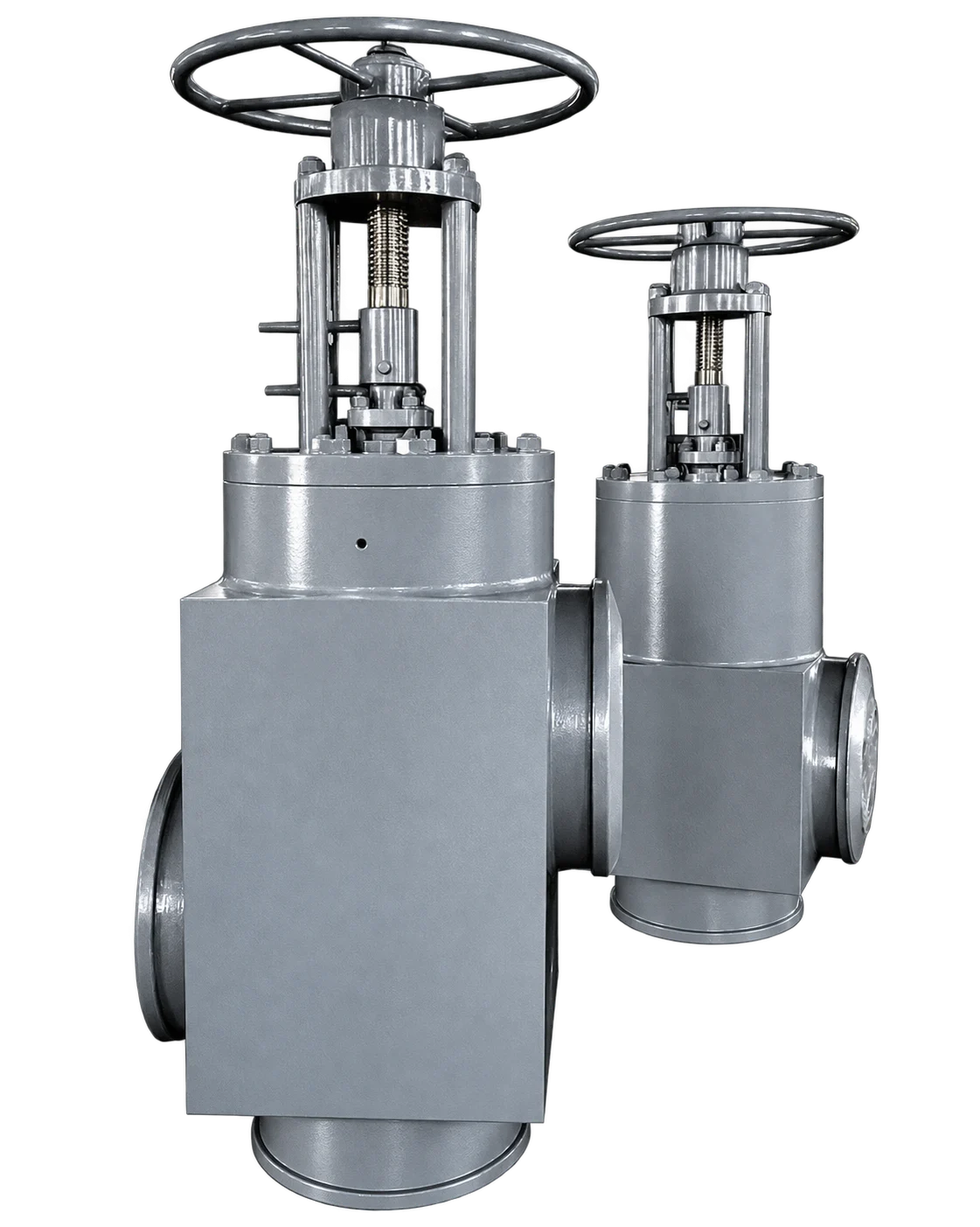
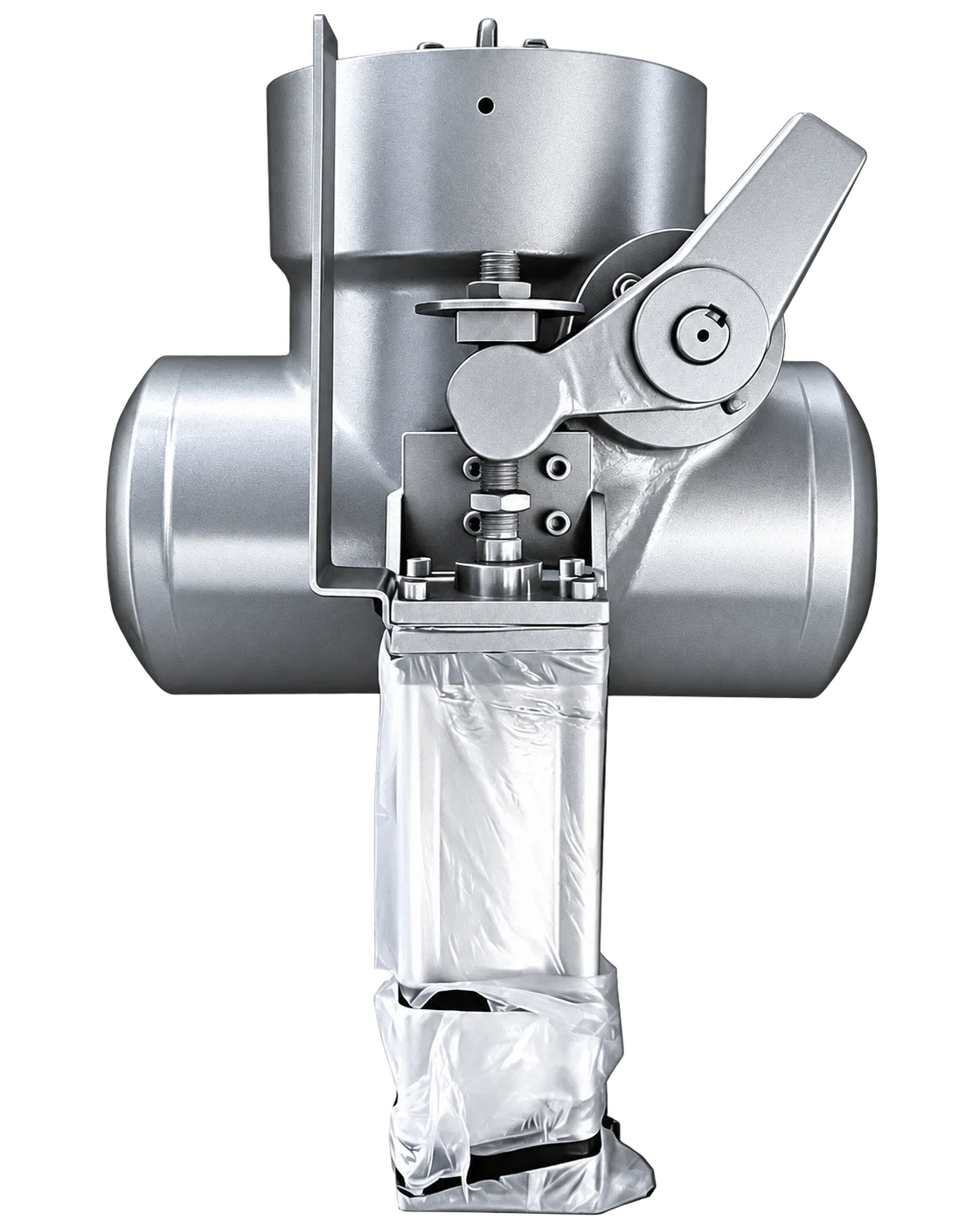
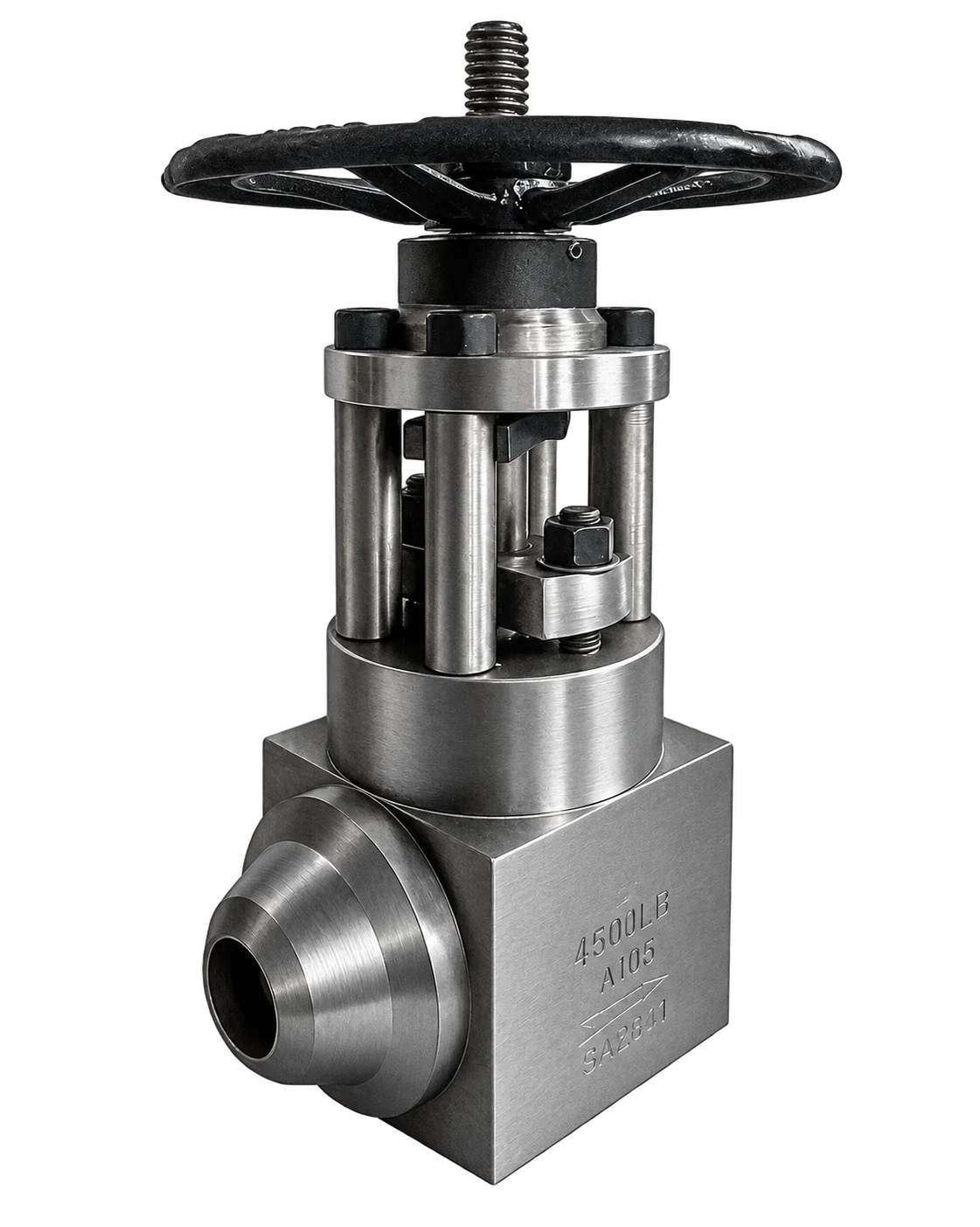
Related Power Station Valves
Discuss Your Power Station Gate Valve Requirements
Related
Documents
Download product catalogues and practical RFQ tools for high-pressure and power-station valve projects.
Explore All Downloads ↗
Pressure Seal Parallel Double-Disc Gate Valve FAQ
How does a parallel double-disc gate valve differ from a wedge gate valve?
This model uses two parallel seating discs rather than a single wedge. It is specified for full-open or full-closed isolation. The seating and equalization arrangement must follow the approved drawing and project datasheet.
Which sizes and pressure classes are available?
The listed range is NPS 2–24 (DN50–DN600) in ASME Class 900, 1500 and 2500, with WCB, WC6, WC9 and C12A cast body material options.
How should WCB, WC6, WC9 and C12A be selected?
Material selection depends on the medium, design pressure, design temperature, applicable pressure-temperature rating and project material specification. WCB is commonly considered for suitable feedwater duty, while WC6, WC9 and C12A address elevated-temperature service.
Does the −46°C to +650°C range apply to every material and pressure class?
No. This is the product-series temperature range. The allowable limit for each material, size and pressure class must be checked against the applicable pressure-temperature rating and approved datasheet.
Which design, dimensional and testing standards apply?
The design basis is ASME B16.34 and the stated butt-weld end-to-end dimension is ASME B16.10 short pattern. Testing and inspection follow API 598 or the approved purchase specification and datasheet.
What information is required for a quotation?
Provide valve size, quantity, ASME class, medium, design and operating pressure, design and operating temperature, body and trim materials, butt-weld details, actuation, testing, inspection and documentation requirements.