
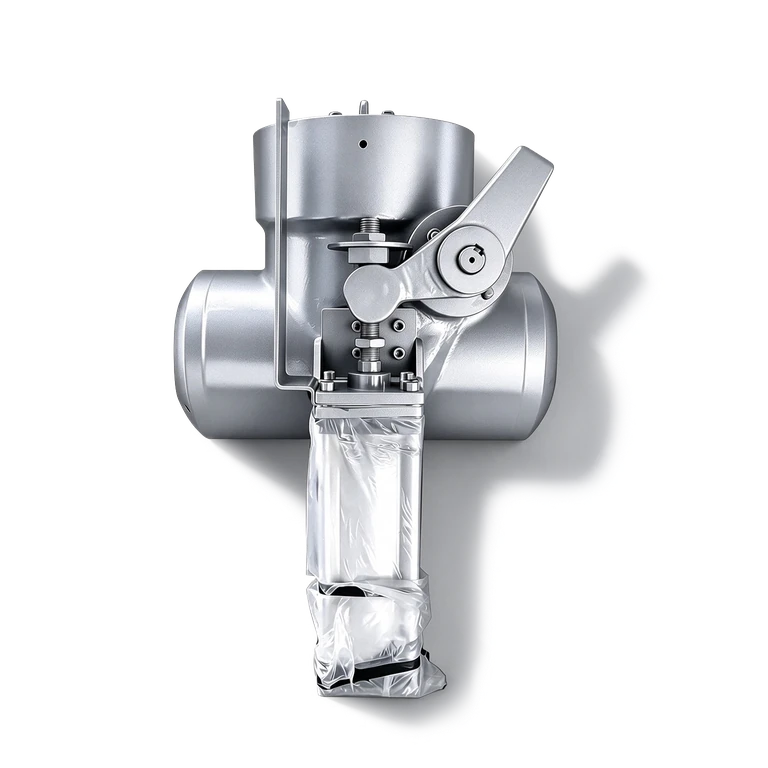
Extraction Steam Quick-Closing Check Valve
| Standard design | ASME B16.34 |
|---|---|
| Size Range | NPS 2–48 |
| Pressure Rating | Class 150–2500 |
| Materials | Carbon steel, low alloy steel, stainless steel |
| Actuator | Pneumatic or hydraulic actuator |
| Installation | Horizontal |
| End Connection | Flanged or butt weld ends |
Quick Closing Non Return Valve for Steam Extraction
Quick-closing non-return valves are mainly used in turbine extraction pipelines that supply steam to primary and secondary heaters, auxiliary turbines and other equipment. They prevent reverse flow and provide rapid, positive shut-off, helping limit damage to the source equipment in the event of a trip.
Key Features
- Closure in less than one second
- Complete disc closure under no-flow conditions
- Reliable reverse-flow prevention
Operation
These special swing-disc check valves are usually installed in the turbine steam extraction lines serving the feedwater preheating stages of modern power plant cycles. Their main function is to shut off the extraction lines quickly following a loss of turbine load, preventing dangerous water carryover from the feedwater heater back to the turbine.
The pneumatic arrangement typically uses a single-acting, spring-return actuator.
The actuator is mounted on one side of the swing check valve body and connected to the valve disc through a shaft.
The actuator air pressure range is typically between 4 and 8 bar.
Under manual operating conditions, compressed air is supplied to the cylinder to compress the spring, allowing the check valve to operate automatically in the conventional manner.
During a turbine upset or emergency, compressed air is vented from the cylinder, allowing the spring to extend. The actuator piston rotates the valve disc through the shaft to shut off the steam extraction line. The spring primarily overcomes the initial friction in the shaft packing and pivot bearings.
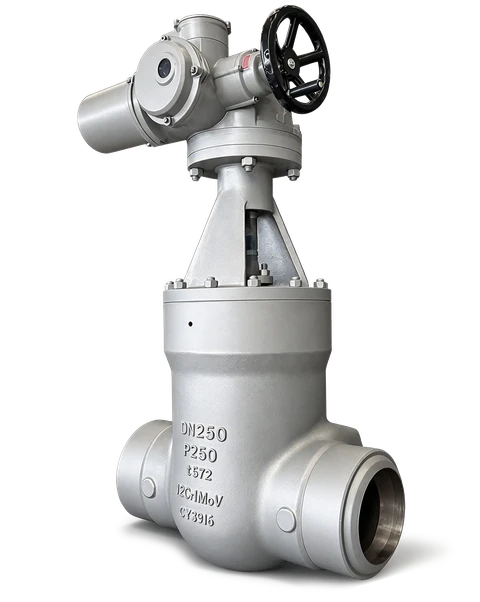
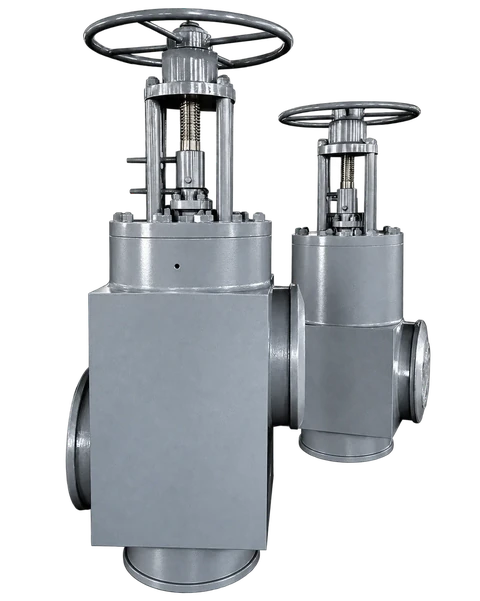
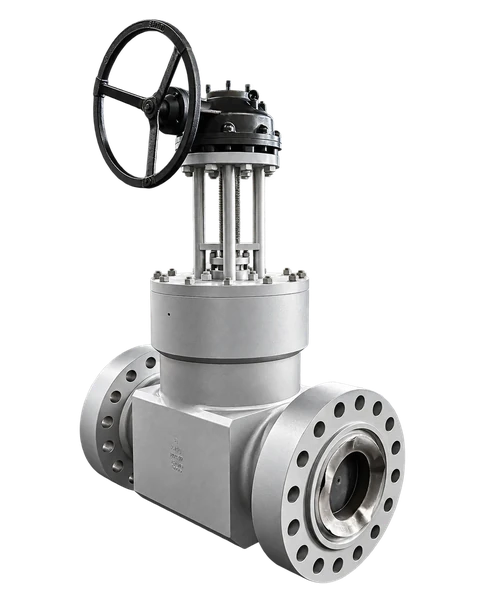
Related Power Station Valves
Discuss Your Steam Extraction Check Valve Requirements
Send your turbine specification, operating conditions and required closing response for technical review and quotation.
Related
Documents
Download the Gate, Globe & Check Valve catalogue for the relevant valve family. Request an extraction-steam valve datasheet, GA drawing, pneumatic control diagram and inspection plan for your project.
Explore All Downloads ↗
Quick Closing Non Return Valve FAQ
What is a Quick Closing Non-return Valve, in simple terms?
It is a specialized safety sentry for steam pipelines. It’s a type of check valve with one critical job: to slam shut incredibly fast the instant it detects a reverse flow, isolating sections of a system to prevent catastrophic damage.
What exactly does it do in a turbine system?
Its main function is quick shut-off. For example, if a turbine suddenly loses load, these valves instantly close the “bleeding” steam pipes. This prevents a dangerous reversal where condensed water from a preheater could be carried back into the hot turbine, which could cause severe mechanical damage.
Why is the "Quick Closing" feature so important?
Speed is everything for protection. In critical systems like turbine extraction lines, a sudden pressure drop or reverse flow can happen in milliseconds. A standard check valve might close too slowly, allowing dangerous backflow. The quick-closing mechanism acts as a fail-safe to limit damage in the event of a system trip or failure.
What should I specify when inquiring about this valve?
Be prepared to discuss the specific application (e.g., turbine extraction line, pump discharge), the pipeline size, pressure/temperature ratings, and the required speed of closure. This information is crucial for our engineers to recommend the correct design.
Where are these valves primarily used?
They are specialist components mainly used in turbine extraction pipelines in power generation and other heavy industries. They are installed on lines that supply steam to equipment like feedwater heaters and auxiliary turbines.
Can the valve be installed in horizontal or vertical piping?
The listed installation is horizontal. Confirm the flow direction, available space and actuator position in the RFQ. Install the valve according to the approved general arrangement drawing and installation instructions; vertical installation should not be assumed suitable.