
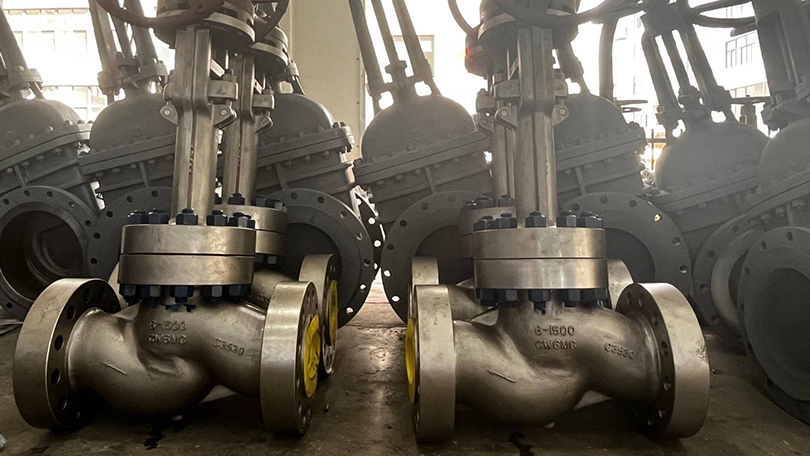
API 600 Globe Valve vs Gate Valve: Key Differences and How to Choose
This guide compares API 600 gate valves and globe valves — their design differences, flow characteristics, pressure ratings, cost considerations, and application-specific recommendations for isolation and throttling service.
📋 Key Takeaways
- API 600 gate valves provide straight-through flow with minimal pressure drop for isolation (on/off) service.
- API 600 globe valves deliver superior throttling and flow regulation due to their Z-path or Y-pattern flow design.
- Gate valves cost less but operate slower; globe valves are preferred for frequent regulation and tight shut-off needs.
- Both follow Class 150-2500 pressure ratings and use cast carbon/alloy steel bodies with renewable seat rings.
When selecting valves for high-pressure, high-temperature industrial applications, two of the most commonly compared types are API 600 gate valves and API 600 globe valves. While both follow the same pressure class standard (API 600), they serve fundamentally different purposes: gate valves are designed for isolation (on/off service), while globe valves excel at throttling and flow regulation.
Api 600 globe valve vs gate valve: API 600 Gate Valve vs Globe Valve: Quick Comparison
| Feature | API 600 Gate Valve | API 600 Globe Valve |
|---|---|---|
| Primary Function | Isolation (on/off) | Throttling & flow regulation |
| Flow Path | Straight-through (low drop) | Z-path or Y-pattern |
| Pressure Ratings | Class 150-2500 | Class 150-2500 |
| Size Range | NPS 2-60 | NPS 1/2-24 |
| Temperature Range | -196C to 680C | -196C to 680C |
| Materials | Carbon steel, stainless, alloy | Carbon steel, stainless, alloy |
| Operation Speed | Multi-turn (slow) | Multi-turn (slow) |
| Cost | Lower | Higher |
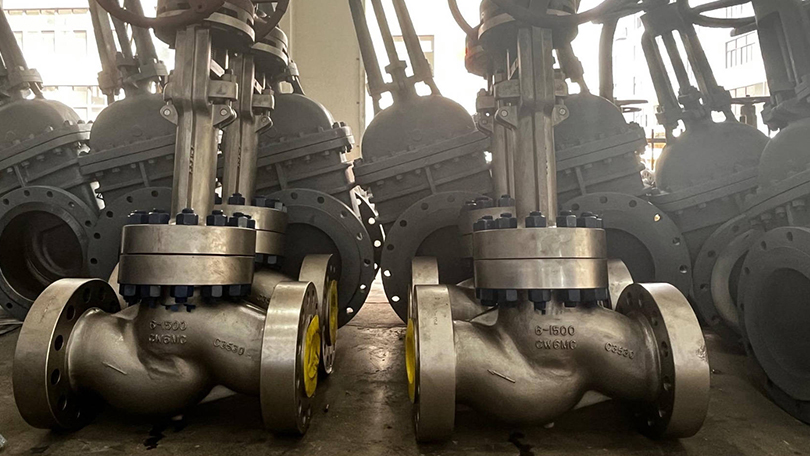
What Is an API 600 Gate Valve?
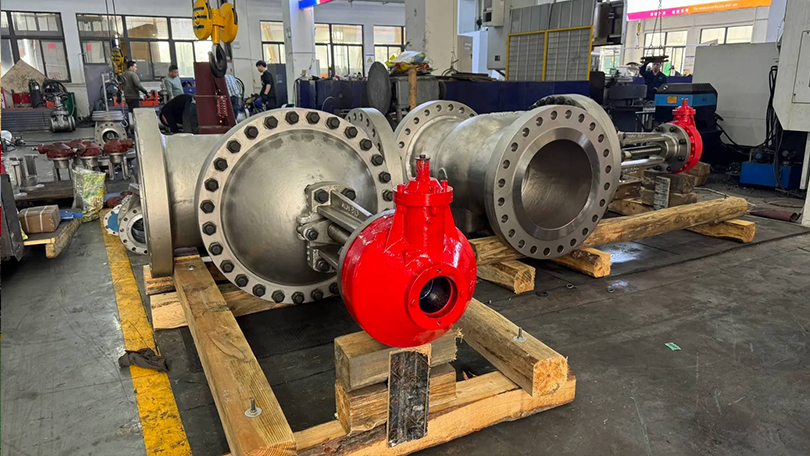
An API 600 gate valve uses a wedge-shaped or parallel gate that moves perpendicular to the flow path. When fully open, the gate retracts entirely into the bonnet, creating a straight-through flow path with minimal pressure drop.
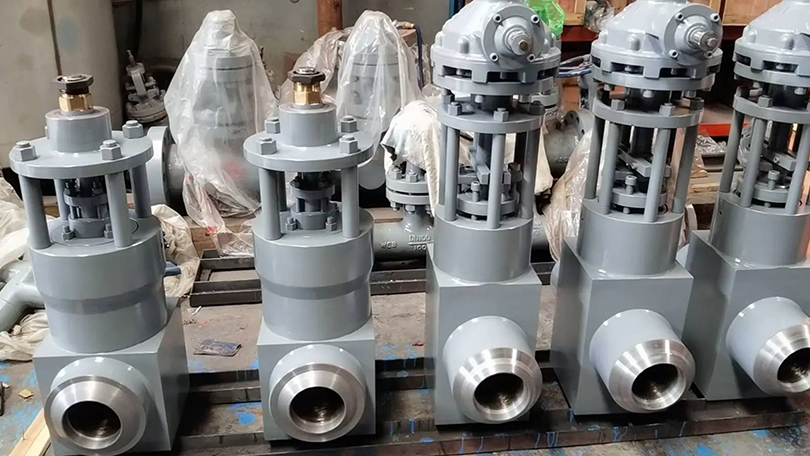
What Is an API 600 Globe Valve?
An API 600 globe valve uses a linear-moving disc that seats against a stationary ring. The flow path changes direction, making globe valves ideal for throttling and regulating flow.
Key Differences Explained
Flow Control: Isolation vs Throttling
The fundamental difference is purpose. A gate valve’s flat gate creates turbulence when partially open. A globe valve’s contoured disc handles throttling conditions. Never use a gate valve for flow regulation.
Pressure Drop
Gate valves have the lowest pressure drop when fully open. Globe valves have 3-5x higher pressure drop due to directional flow change.
Size Range
API 600 gate valves reach NPS 60. Globe valves typically cap at NPS 24.
Cost
Gate valves are 15-25% less expensive than globe valves of the same size and class.
When to Use Which
| Application | Recommended | Reason |
|---|---|---|
| Main pipeline isolation | Gate valve | Lowest pressure drop |
| Flow regulation | Globe valve | Designed for partial opening |
| Frequent operation | Globe valve | Gate seats wear faster |
| ESD/emergency shutdown | Gate valve | Reliable shut-off |
| Bypass lines | Globe valve | Precise flow control |
| Large piping (>24) | Gate valve | Globe not commonly available |
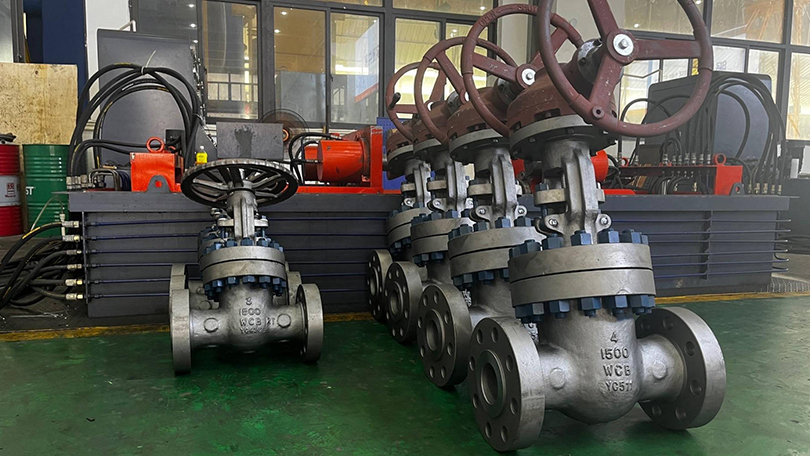
Real-World Application Scenarios
Understanding the practical differences between API 600 gate valves and globe valves helps engineers make better procurement decisions. The following table shows typical industrial applications and which valve type is recommended:
| Application | Recommended Valve | Reason |
|---|---|---|
| Pipeline main line isolation | API 600 Gate Valve | Low pressure drop, straight-through flow, infrequent operation |
| Boiler feedwater regulation | API 600 Globe Valve | Precise flow control needed, throttling capability essential |
| Emergency shutdown (ESD) systems | API 600 Gate Valve | Fast positive isolation with tight shut-off |
| Bypass lines around control valves | API 600 Globe Valve | Manual throttling for maintenance bypass scenarios |
| Storage tank isolation | API 600 Gate Valve | Normally open or closed, no throttling required |
For additional valve comparison guides, see our Gate Valve vs Ball Valve comparison and Safety Valve vs Relief Valve guide.
FAQ: API 600 Gate and Globe Valves
Can I use a gate valve for throttling?
No. Gate valves are for fully open or closed only. Partial opening erodes seating surfaces. Use a globe valve for throttling.
Which has better shut-off?
Both provide bubble-tight shut-off per API 598 testing. Globe valves often maintain seal integrity longer.
Are pressure ratings the same?
Yes. Both follow ASME B16.34 pressure-temperature ratings for their class.
Which is easier to maintain?
Globe valves are easier. The disc and seat are more accessible for lapping or replacement vs gate valves requiring bonnet removal.
How to Select Between API 600 Gate Valve and Globe Valve: Decision Framework
Choosing the wrong valve type for your application can lead to premature failure, higher operating costs, and unsafe conditions. Use this step-by-step decision framework to determine whether an API 600 gate valve or an API 600 globe valve is right for your specific application:
| Decision Factor | Choose Gate Valve If… | Choose Globe Valve If… |
|---|---|---|
| Primary function | Isolation only (on/off) | Flow regulation or throttling |
| Operation frequency | Infrequent (few cycles/month) | Frequent (daily cycling) |
| Pressure drop tolerance | Must be minimal | Moderate drop is acceptable |
| Pipeline size | NPS 24 and above | NPS 24 and below |
| Flow direction change | Straight line only | Direction change OK |
| Budget priority | Lower initial cost needed | Willing to pay for regulation |
| Maintenance access | Full bonnet removal acceptable | Top-entry maintenance preferred |
For applications requiring precise flow control with frequent adjustment, always choose an API 600 globe valve. For mainline isolation with minimal pressure loss, choose an API 600 gate valve. See also our Gate Valve vs Ball Valve comparison for a broader perspective on isolation valves.
What is the cost difference between API 600 gate valves and globe valves?
API 600 globe valves typically cost 15-25% more than gate valves of the same size and pressure class. The price difference is due to the more complex internal geometry of globe valves (Z-path or Y-pattern) and the tighter machining tolerances required for throttling service. For Class 150-300 sizes NPS 2-12, expect a premium of $200-$2,000 depending on materials and trim specifications.
Can API 600 gate valves and globe valves be used for high-temperature applications above 500°C?
Yes, both API 600 gate valves and globe valves are suitable for high-temperature service up to 680°C (1256°F) when specified with appropriate materials. For temperatures exceeding 425°C, standard carbon steel bodies should be replaced with chromium-molybdenum alloy steel (ASTM A217 WC6 or WC9). The trim material should also be upgraded to Stellite-faced seats and 13% chrome stainless steel or Inconel for the disc/seat rings to maintain hardness and resist creep at elevated temperatures.
Conclusion
Choose an API 600 gate valve for isolation with minimal pressure drop. Choose an API 600 globe valve for precise flow regulation. For assistance, contact Vornet Valve.
Related: Ball Valve Guide | API 600 Gate Valve
Need an API 600 Gate Valve or Globe Valve for Your System?
Vornet Valve supplies API 600 gate valves and globe valves in sizes NPS 1/2″ to 60″, Class 150 to 2500, in carbon steel, stainless steel, and alloy materials. Contact us for sizing and selection assistance.