
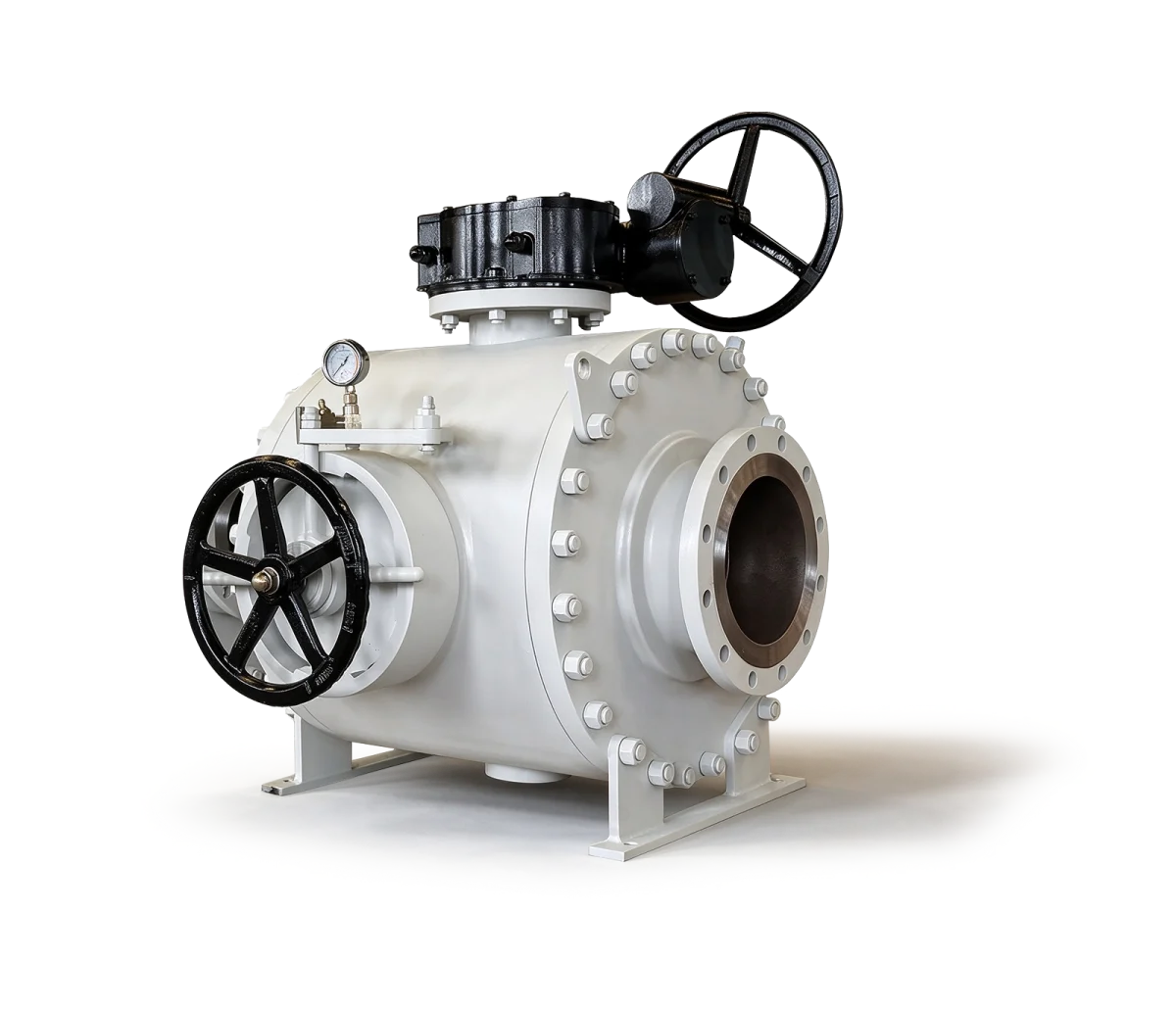
Pigging Valve for Pipeline Pig Launching and Receiving
Product Description
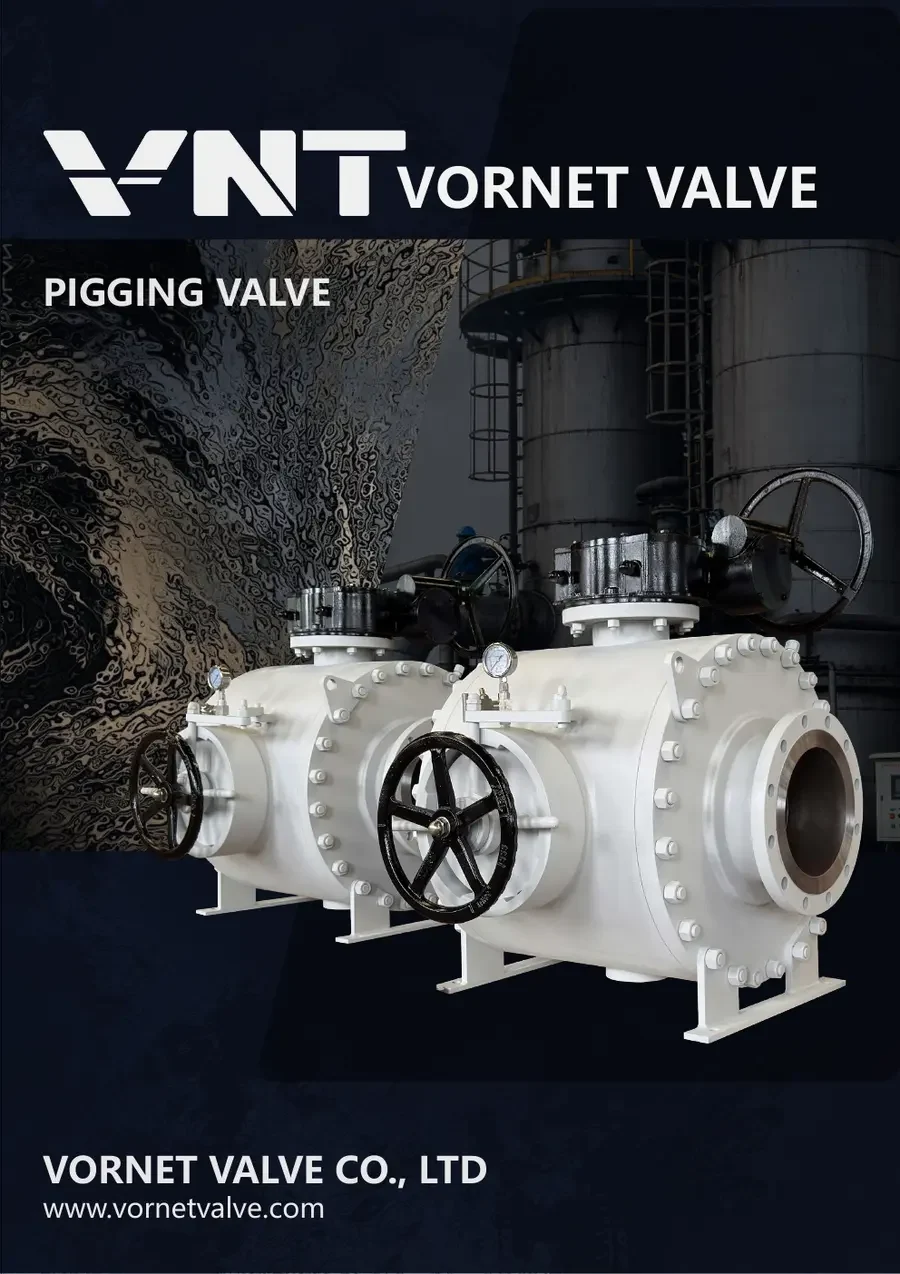
Vornet’s pigging valve is a pipeline ball valve for launching and receiving cleaning pigs. It combines shut-off, venting and bypass functions for oil, natural gas and petrochemical pipeline applications. This pigging ball valve provides a valve-based alternative to separate pig-barrel launcher and receiver arrangements; the flow path, isolation and operating sequence must be confirmed for the selected design.
Select the valve against pipeline internal diameter, pig outside diameter and length, service pressure and temperature, and launcher or receiver duty. Full-bore construction alone does not establish compatibility with a cleaning pig or inspection tool. Send Vornet the project datasheet and pig drawing to confirm the configuration, inspection scope and quotation.
Key Features
- Multi-functional design combining shut-off, venting and bypass in one pigging valve
- Full-bore flow path for pig launching and receiving; compatibility checked against the specified pig dimensions
- Spring-loaded seats for specified bi-directional sealing; leakage acceptance follows the approved test plan
- Blowout-proof stem and anti-static provisions for the specified valve configuration
- Compatible with pneumatic or electric actuators, selected for the project operating sequence
- Fire-safe design option to API 607 / ISO 10497; applicable test documentation must be confirmed
General Information
| Size Range | NPS 2–16 (DN50–DN400) |
|---|---|
| Pressure Rating | Class 150–2500 (PN16–PN420) |
| Body Material | Carbon steel, stainless steel, alloy steel, duplex steel, nickel-based alloy, etc. |
| Temperature Range | −46°C to +120°C |
| Operation | Manual, pneumatic, electric, etc. |
| Design Standard | API 6D / ISO 14313 |
| Face to Face Dimension | ASME B16.10 |
| Ends Connections | ASME B16.25 (BW) / ASME B16.5 (RF/RTJ) |
| Test & Inspection | API 598 |
| Fire-safe Design (Optional) | API 607 / ISO 10497 |
| Sour Service (Optional) | NACE MR0175 / ISO 15156 |
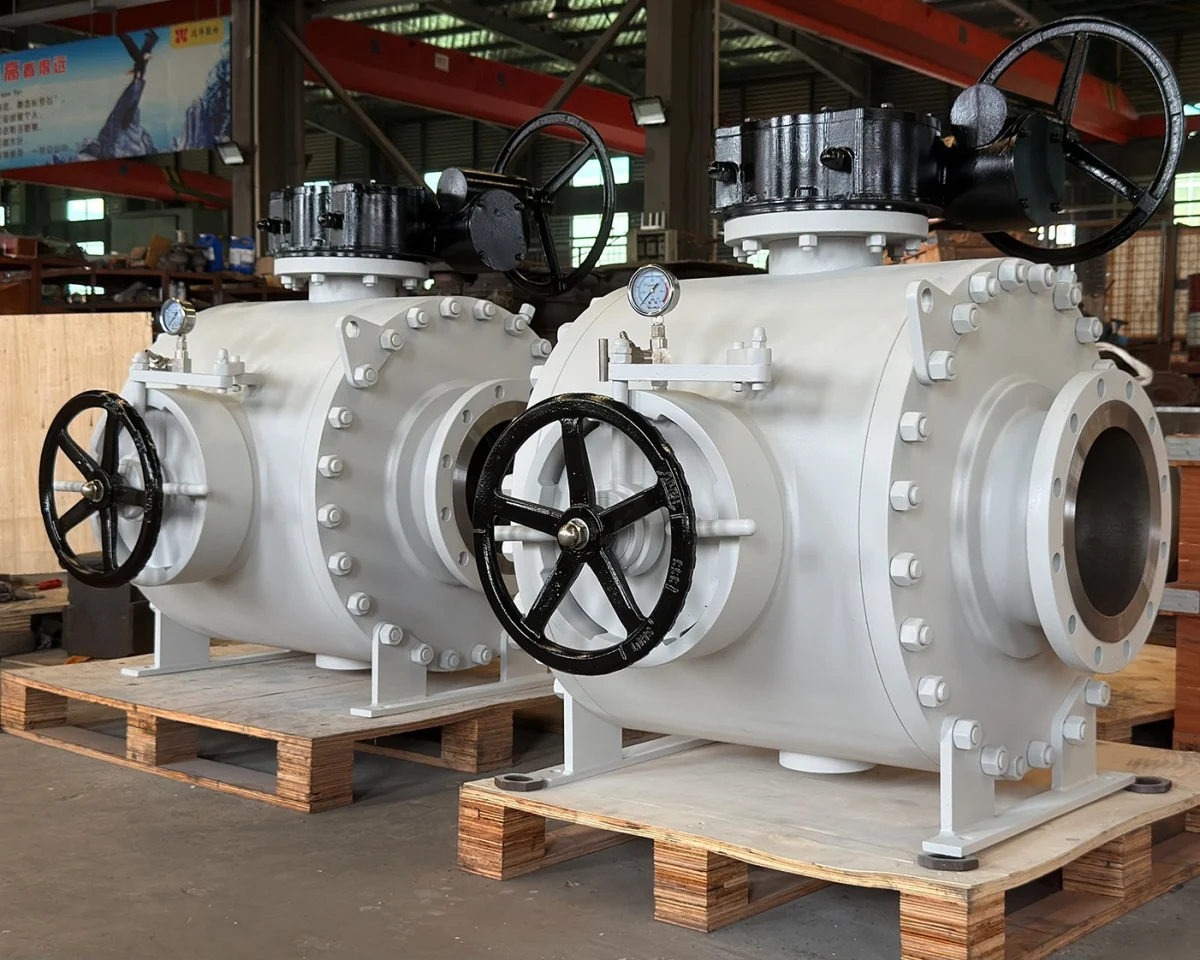
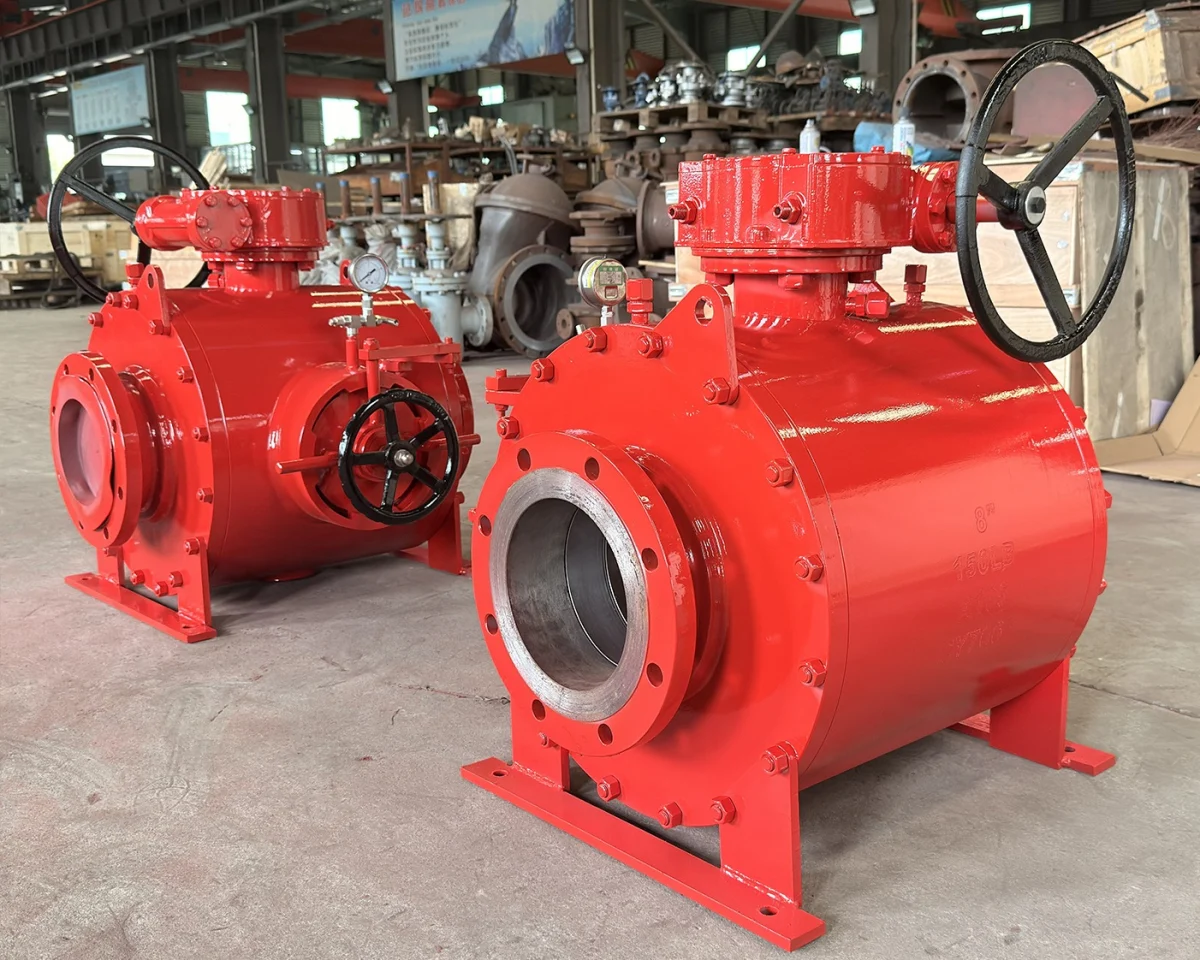
Valve Project
Case Studies
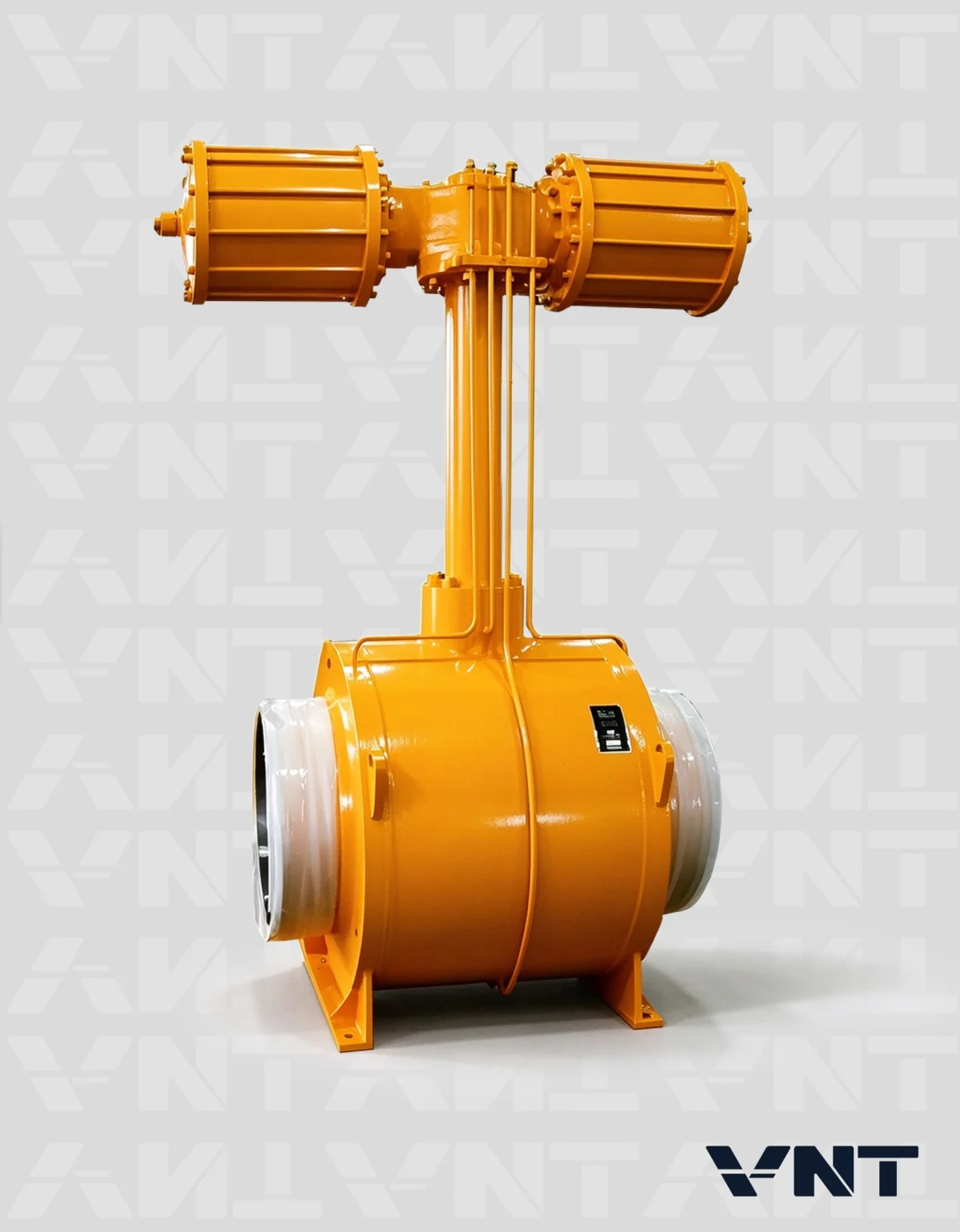
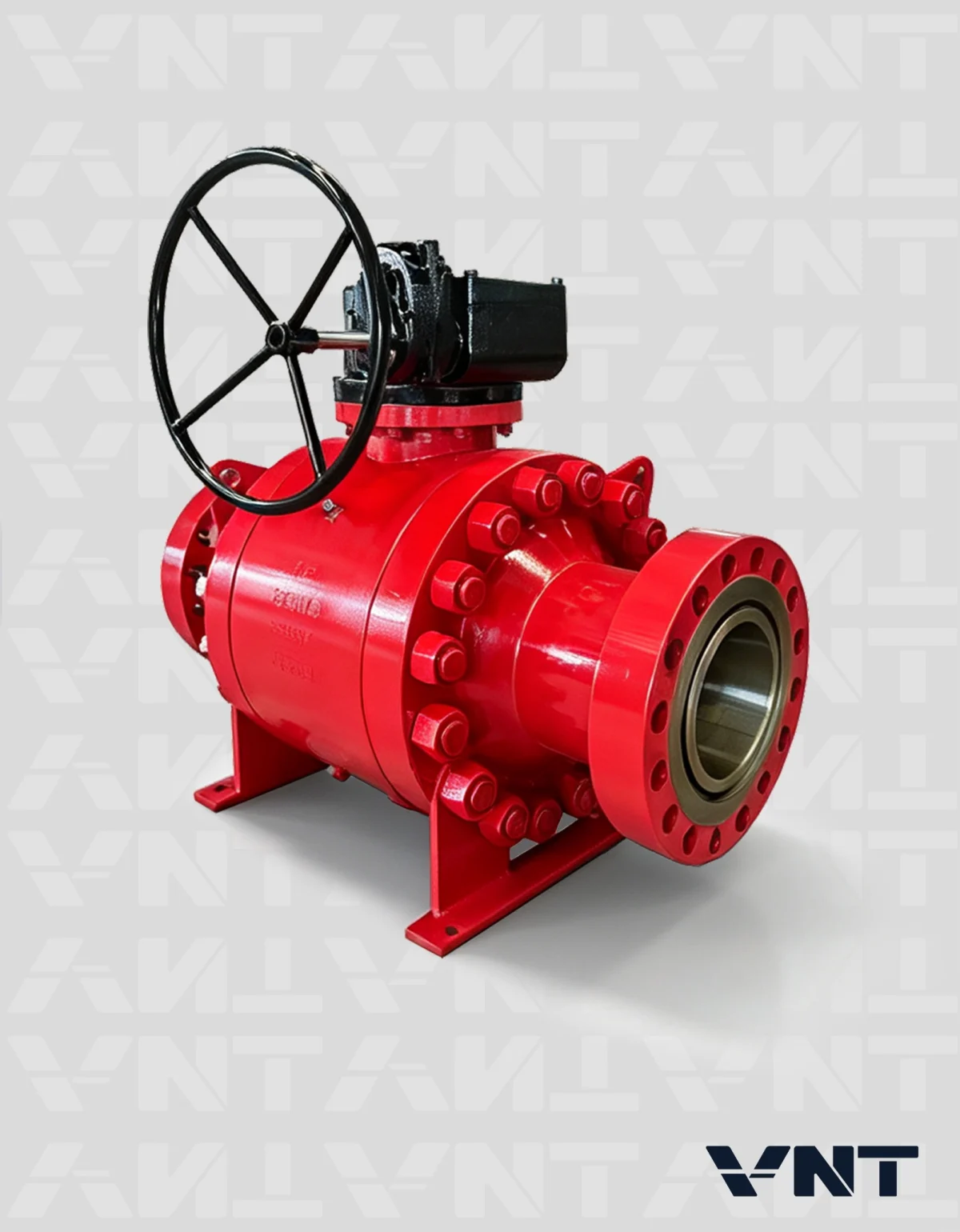
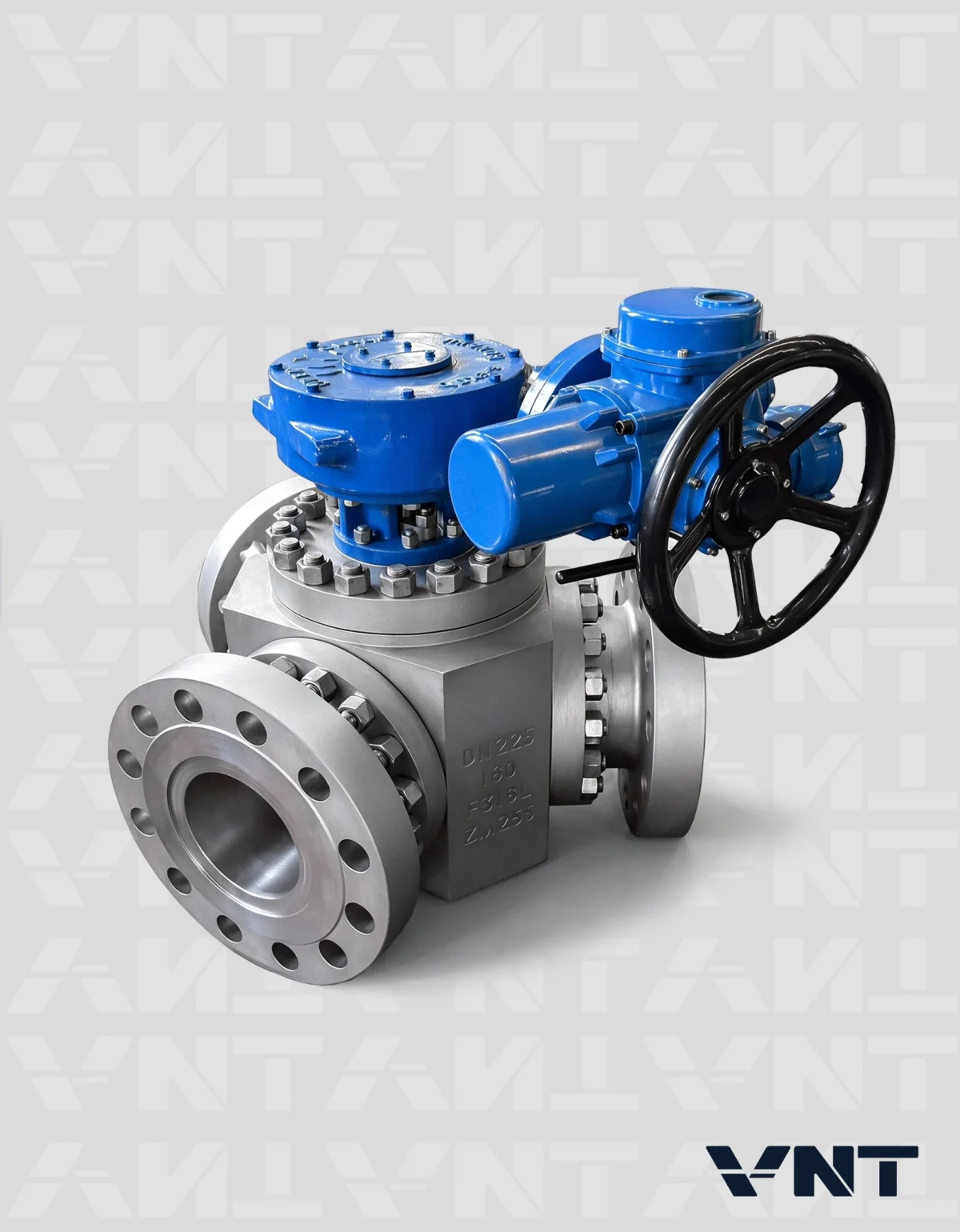
Review an existing Vornet pigging valve shipment case and related ball valve project cases. Each case describes its own product configuration.
View All Case StudiesRelated Ball Valve Resources
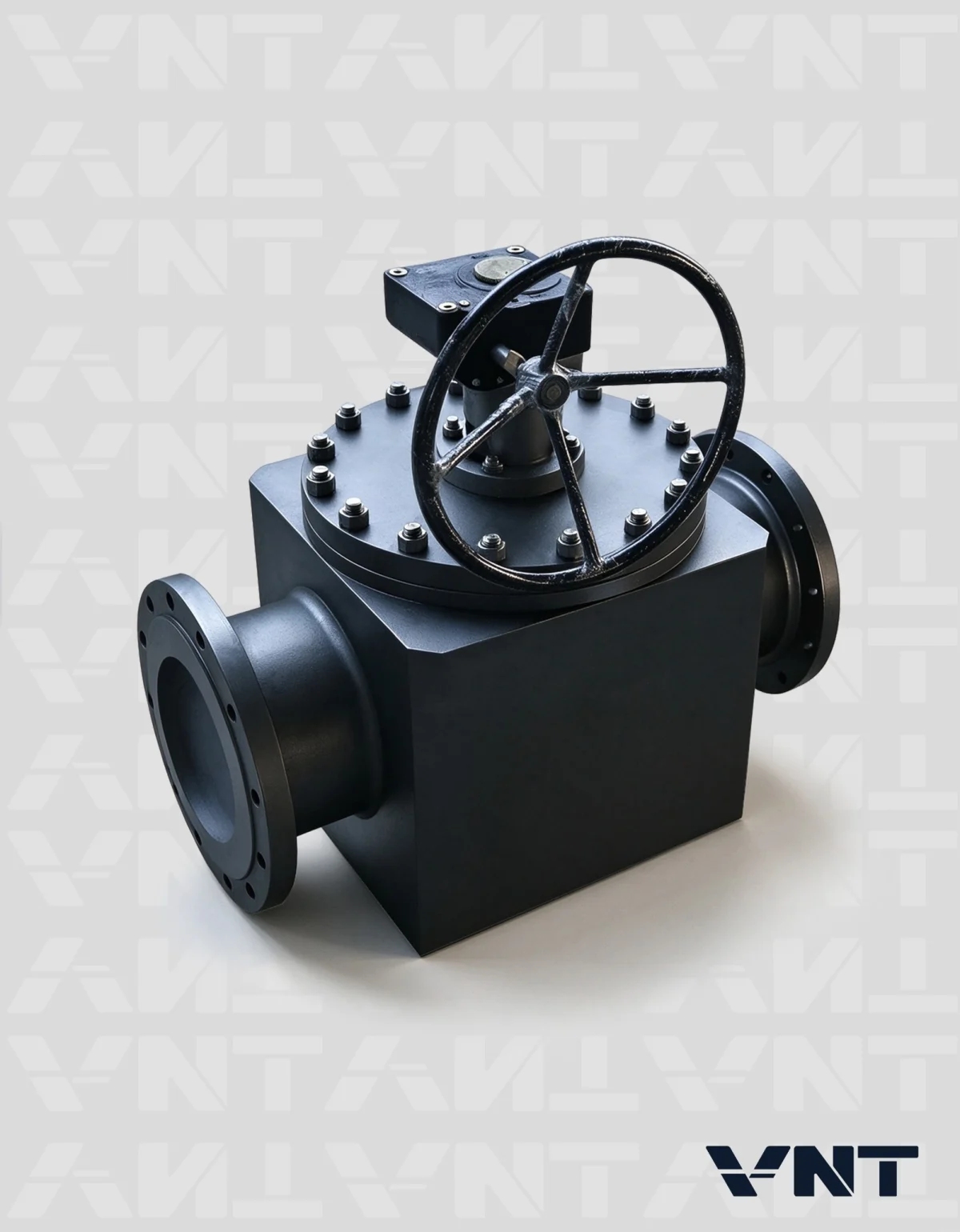
Related
Documents
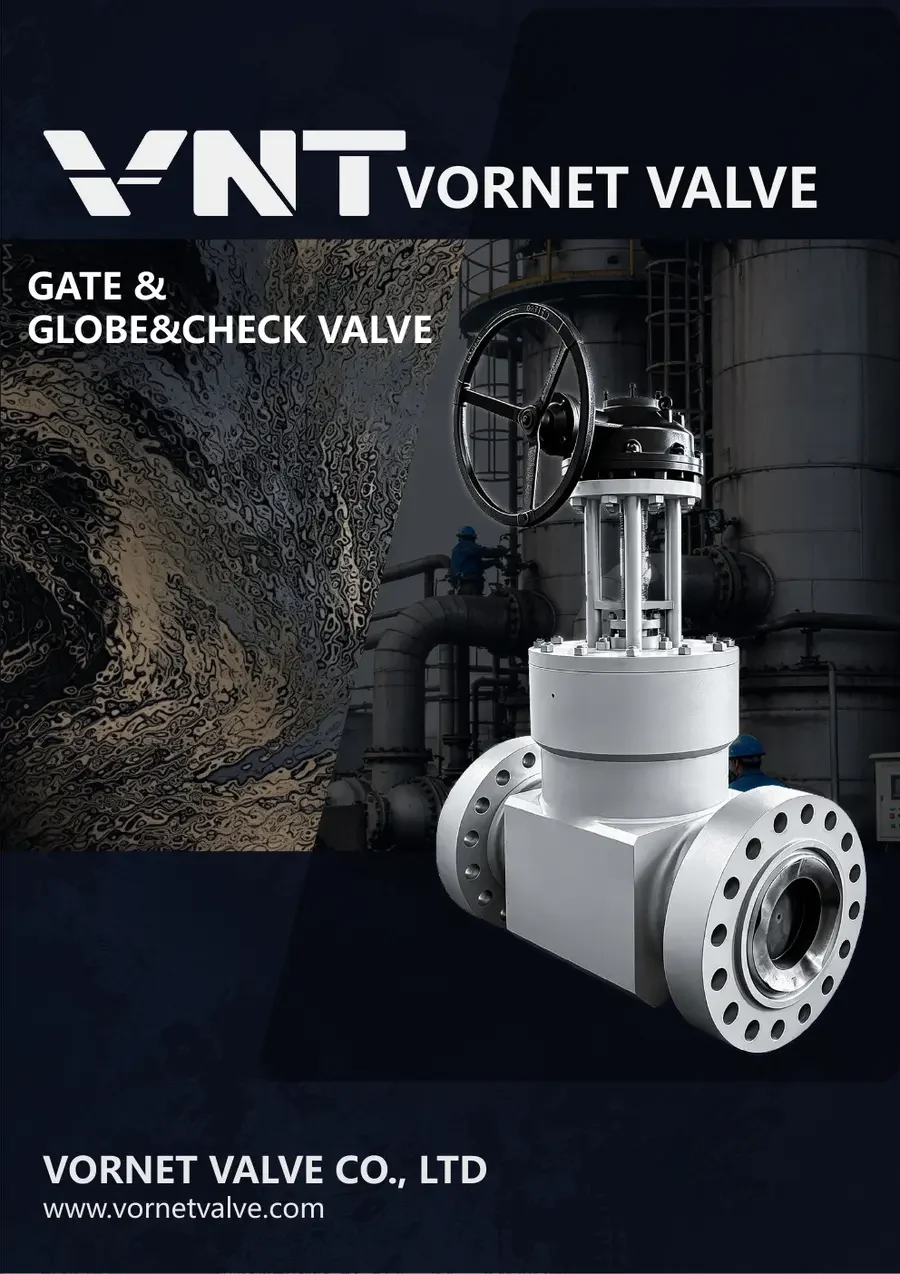
Download existing valve catalogues for project selection and technical review. The pigging valve catalogue is included below.
Explore All Downloads ↗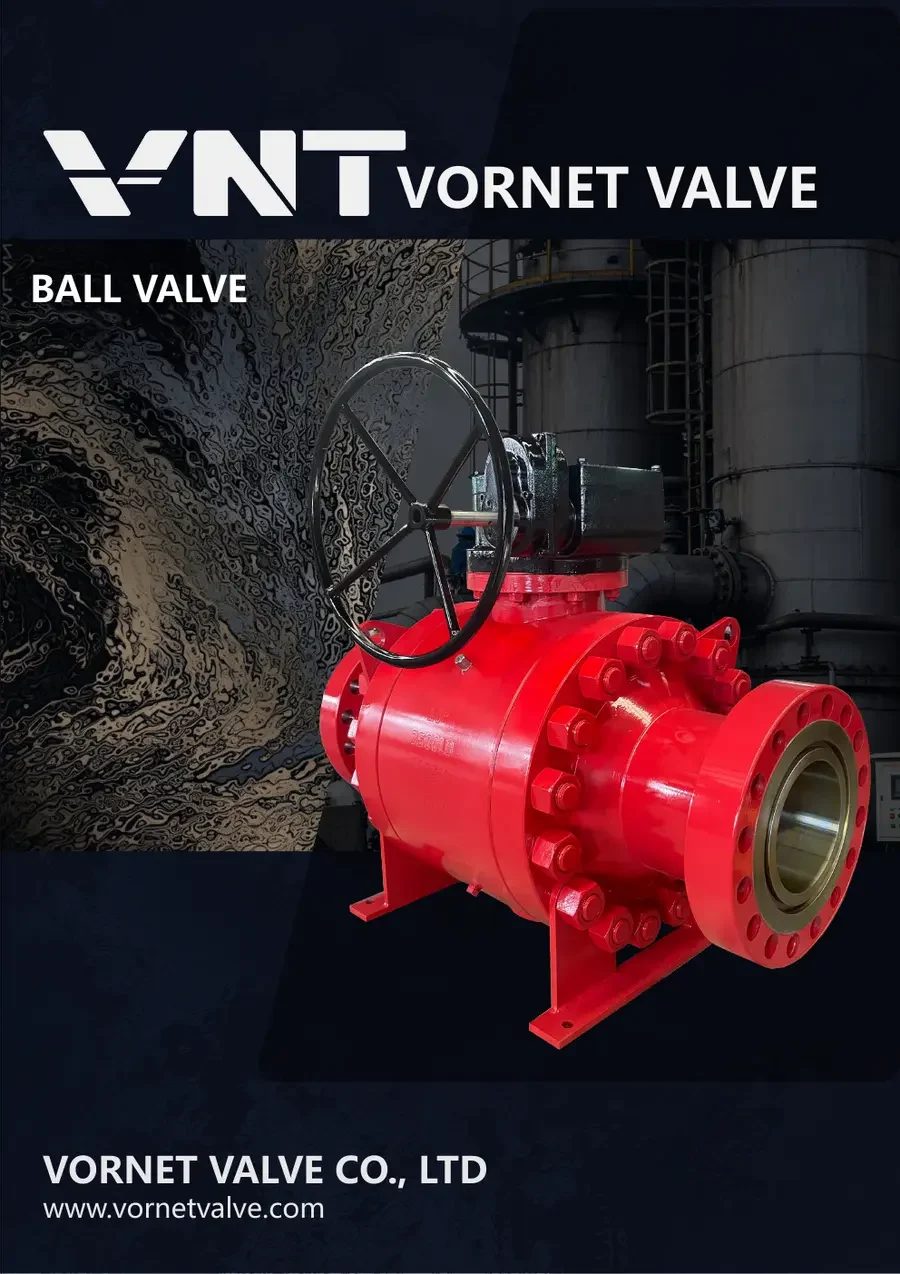
Pigging Valve vs Pig Launcher and Receiver: Which Arrangement Fits the Project?
A pipeline pig program can be served by two different arrangements. A conventional launcher and receiver uses a barrel, a quick-opening closure and a set of isolation valves at each end of the line. A pigging ball valve puts the isolation, venting and pig-transit function into a single valve body. The correct choice is a project decision, and the table below sets out the practical differences.
| Consideration | Pigging ball valve | Barrel launcher / receiver |
|---|---|---|
| Footprint and weight | Compact single-body arrangement; suits skid-mounted and offshore installations | Barrel plus closure plus isolation valves; large footprint and higher weight |
| Pig access | Pig is inserted or retrieved through the valve bore; confirm the actual pig outside diameter and length against the bore | Full-diameter barrel; accepts longer or instrumented pigs with more margin |
| Isolation and venting | Combined in the same valve, so the operating sequence is shorter | Separate valves and vent/drain points; more steps per pig run |
| Best suited to | Small to medium lines, periodic cleaning, compact facilities | Large-diameter transmission lines and frequent or instrumented pig runs |
The decision usually comes down to the pig itself: if the cleaning or inspection tool is long, instrumented or has a large gauge plate diameter, the barrel arrangement provides more working margin. Where the line only needs periodic cleaning with a simple pig and the facility has limited space, the valve-based arrangement removes several components from the design.
Sizing a Pigging Valve Against the Pig and the Pipeline
Sizing is not a simple matter of matching the nominal size. Four values must be fixed before a pigging valve can be offered:
- Pipeline internal diameter. The valve must not create an internal step that the pig sealing elements could catch on.
- Pig outside diameter and length. The bore must pass the actual pig, including any worn or replacement pig used later in the asset life. Provide the pig drawing, not only the nominal pig size.
- Pressure class and design temperature. Class 150 to 2500 and −46 °C to +120 °C are listed as a series range; the specific size, body material and seal selection must be confirmed at the design condition.
- Launcher or receiver duty. The flow direction during the pig run determines which side of the valve is pressurised, and therefore which seat carries the sealing duty.
Where the line carries a wax, scale or hydrate risk, the selected seal material and any bypass arrangement must be reviewed at the same time as the pig sizing, because a seal package chosen only against pressure and temperature may not survive the cleaning duty.
Pigging Sequence and Safe Operating Practice
A pig run is a procedural operation as much as a mechanical one. The sequence below is the general pattern; the approved project procedure always takes precedence.
- Confirm the pig is the correct type and size for the run and record its dimensions.
- Isolate the launching or receiving section and depressurise it through the vent connection.
- Verify zero pressure at the vent before opening any access point.
- Load or retrieve the pig, then close and secure the access arrangement.
- Purge air from the section and pressurise slowly to the operating condition.
- Confirm valve position feedback before starting the pig run, and confirm it again before returning the valve to normal line service.
Two failure points account for most pigging incidents: an assumed-depressurised section and a valve moved before the pig has fully passed. Both are eliminated by a written sequence, positive position indication, and a verified vent reading rather than an assumed one.
Materials and Service Selection
Body material options include carbon steel, stainless steel, alloy steel, duplex steel and nickel-based alloy. Selection follows the line medium, the design temperature and any sour-service requirement, not the pressure class alone:
- Carbon steel — the default for sweet water, oil and gas service within the listed temperature range.
- Low-temperature and alloy steels — where the design temperature approaches the cold end of the listed range, or where the line is subject to heat treatment or impact-testing requirements.
- Duplex and stainless steels — for chloride-bearing or mildly corrosive produced fluids and for lines where corrosion allowance is undesirable.
- Nickel-based alloys — for aggressive sour or chemical service, usually with NACE MR0175 / ISO 15156 compliance specified.
Fire-safe construction to API 607 / ISO 10497 and sour-service compliance to NACE MR0175 / ISO 15156 are optional requirements. They must be stated in the purchase specification and supported by the applicable certificates; the standards do not apply to a valve unless the documentation is provided.
Installation, Testing and Handover
Design standard API 6D / ISO 14313, face-to-face dimension ASME B16.10 and pressure testing to API 598 form the baseline. Before handover, confirm the following are included in the documentation package:
- Dimensional drawing showing the installed face-to-face length and the valve centre-line height for pipe support design.
- Material certificates for the body and trim, traceable to the heat number.
- API 598 pressure test report, and the fire-safe or sour-service certificates where these were specified.
- Actuator documentation, including the supply pressure, control signal and position-feedback arrangement.
- The recommended spare parts list, in particular seat and seal sets for lines carrying abrasive solids.
Support the pipework independently of the valve body so that the valve carries no pipeline load, and verify that the vent and drain connections are accessible from the operating platform before the line is commissioned.
What does a pigging valve do?
A pigging valve launches and receives pipeline cleaning pigs within a valve-based arrangement. A conventional full-bore ball valve may allow a pig to pass through, but that alone does not provide pig loading and retrieval functions. Confirm the selected valve arrangement and the dimensions of the named cleaning pig or inspection tool.
Which pipeline services and operating ranges are listed?
The listed applications include water, petroleum and natural gas pipelines; petrochemical duties require project-specific review. The stated series range is NPS 2–16, Class 150–2500 and −46°C to +120°C. These limits do not establish that every size, material, seal and pressure class can operate at every listed temperature. Confirm the selected combination on the approved datasheet.
How does a pigging ball valve differ from a conventional pig barrel?
A pigging ball valve combines pipeline isolation with pig launching and receiving functions in a valve-based arrangement, rather than relying on a separate barrel-style launcher or receiver. Suitability depends on pig size, required access, flow direction and operating sequence. Isolation, venting, draining and pressure verification must follow the approved project design and operating procedure.
Which operating and optional service configurations are available?
Manual, pneumatic and electric operation are listed. Fire-safe design to API 607 / ISO 10497 and sour-service materials to NACE MR0175 / ISO 15156 are optional requirements. Confirm the selected configuration, material suitability and applicable supporting documents before ordering; a listed standard is not evidence that every valve is certified or fire-tested.
What information is needed for a pigging valve quotation?
Send the pipeline medium and internal diameter, valve size and quantity, design and operating pressure and temperature, ASME class, pig outside diameter and length, launcher or receiver duty, BW or RF/RTJ flange requirements and actuation. Include the pig drawing, required operating sequence, inspection and test plan, and any fire-safe, sour-service, coating or documentation requirements so Vornet can review the configuration and quotation scope.
When should a pigging valve be chosen over a barrel launcher?
Choose the valve-based arrangement when the line needs periodic cleaning with a simple pig, the facility is space-constrained or skid-mounted, and the combined isolation, venting and transit function reduces the number of components in the design. A barrel launcher gives more working margin for long, instrumented or large gauge-plate pigs.
What pig dimensions must be supplied for sizing?
Provide the pig outside diameter and overall length, plus the pig drawing. The valve bore must pass the actual pig including any replacement pig planned for the asset life, and must not create an internal step that the sealing elements could catch on.
What is the general pigging operating sequence?
Isolate and depressurise the launching or receiving section, verify zero pressure at the vent before opening any access point, load or retrieve the pig and secure the access arrangement, purge and pressurise slowly, then confirm valve position feedback before and after the run. The approved project procedure always takes precedence.
Which body materials are available for sour or corrosive service?
Carbon steel, stainless steel, alloy steel, duplex steel and nickel-based alloy are offered. Sour service to NACE MR0175 / ISO 15156 is an optional requirement that must be stated in the purchase specification and supported by the applicable certificates.
What documentation should accompany a pigging valve order?
The dimensional drawing, material certificates traceable to the heat number, the API 598 pressure test report, fire-safe or sour-service certificates where specified, actuator documentation and the recommended spare parts list.