
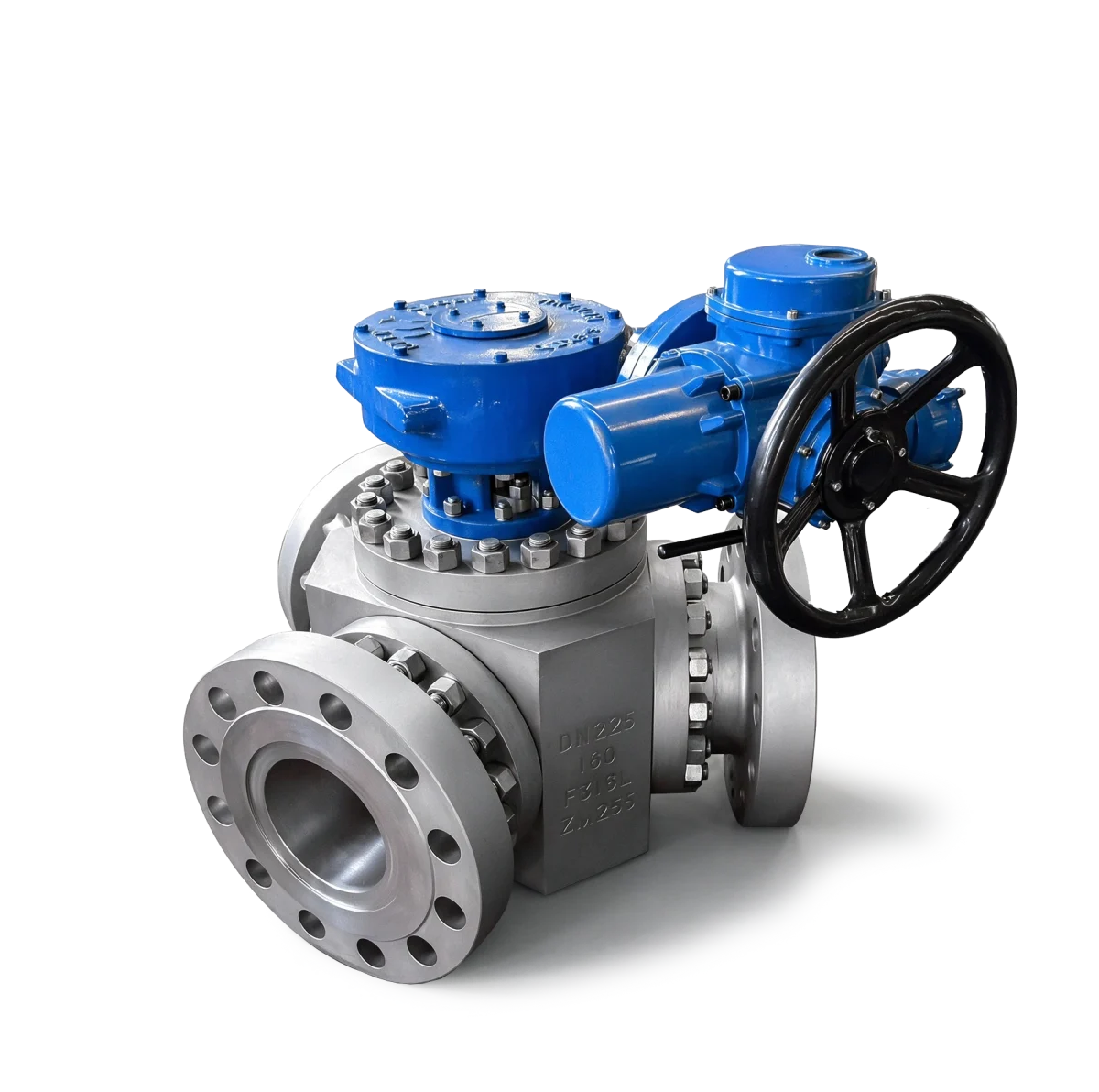
Flanged Three-Way Ball Valve
Product Description
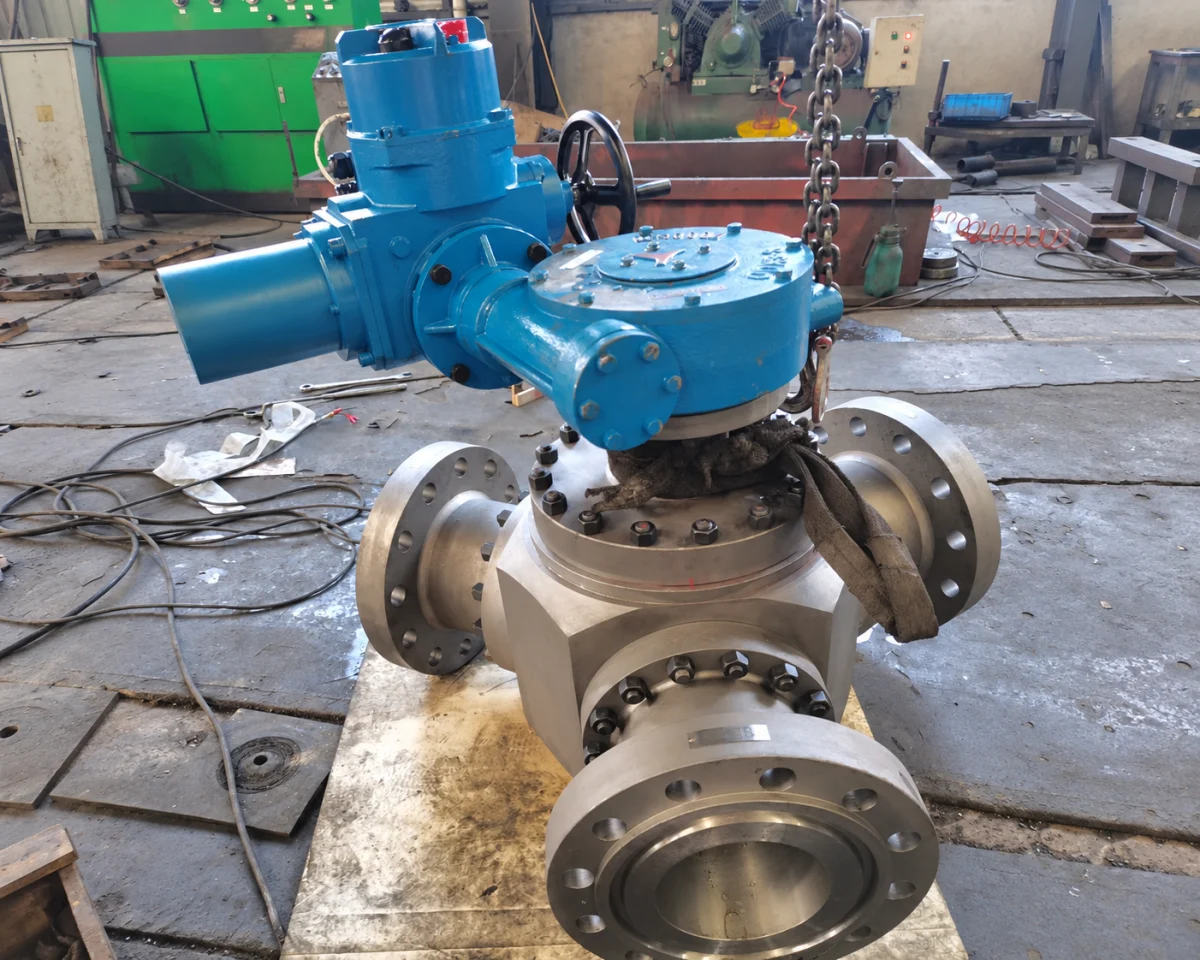
Vornet’s flanged 3 way ball valve routes process flow between three pipeline connections. Its multi-port ball can divert, distribute or combine streams according to the selected L-port or T-port configuration and the port positions shown on the approved valve drawing.
An L-port ball valve typically switches a common connection between two lines. A T-port ball valve can connect three ports or selected port pairs. Confirm the required flow paths, isolation positions and switching sequence against the approved port diagram.
For chemical processing, industrial water and power-plant piping, select the valve against the medium, pressure, temperature and material requirements. Submit a flow diagram and project datasheet for configuration review.
Key Features
- Three-port flow routing for industrial process piping
- L-port or T-port configuration selected by the required port map
- Diversion, distribution or mixing according to the selected flow path
- Actuator mounting and operating positions reviewed for each configuration
General Information
| Size Range | NPS 2–24 (DN50–DN600) |
|---|---|
| Pressure Rating | Class 150–2500 (PN16–PN420) |
| Body Material | Carbon steel, stainless steel, alloy steel, duplex steel, nickel-based alloy, etc. |
| Temperature Range | −46°C to +200°C; material/seat dependent |
| Operation | Manual, pneumatic, electric, hydraulic, etc. |
| Design Standard | ASME B16.34 |
| Face to Face Dimension | ASME B16.10, where applicable |
| Ends Connections | ASME B16.5 (RF/RTJ) / ASME B16.25 (BW) |
| Test & Inspection | API 598 |
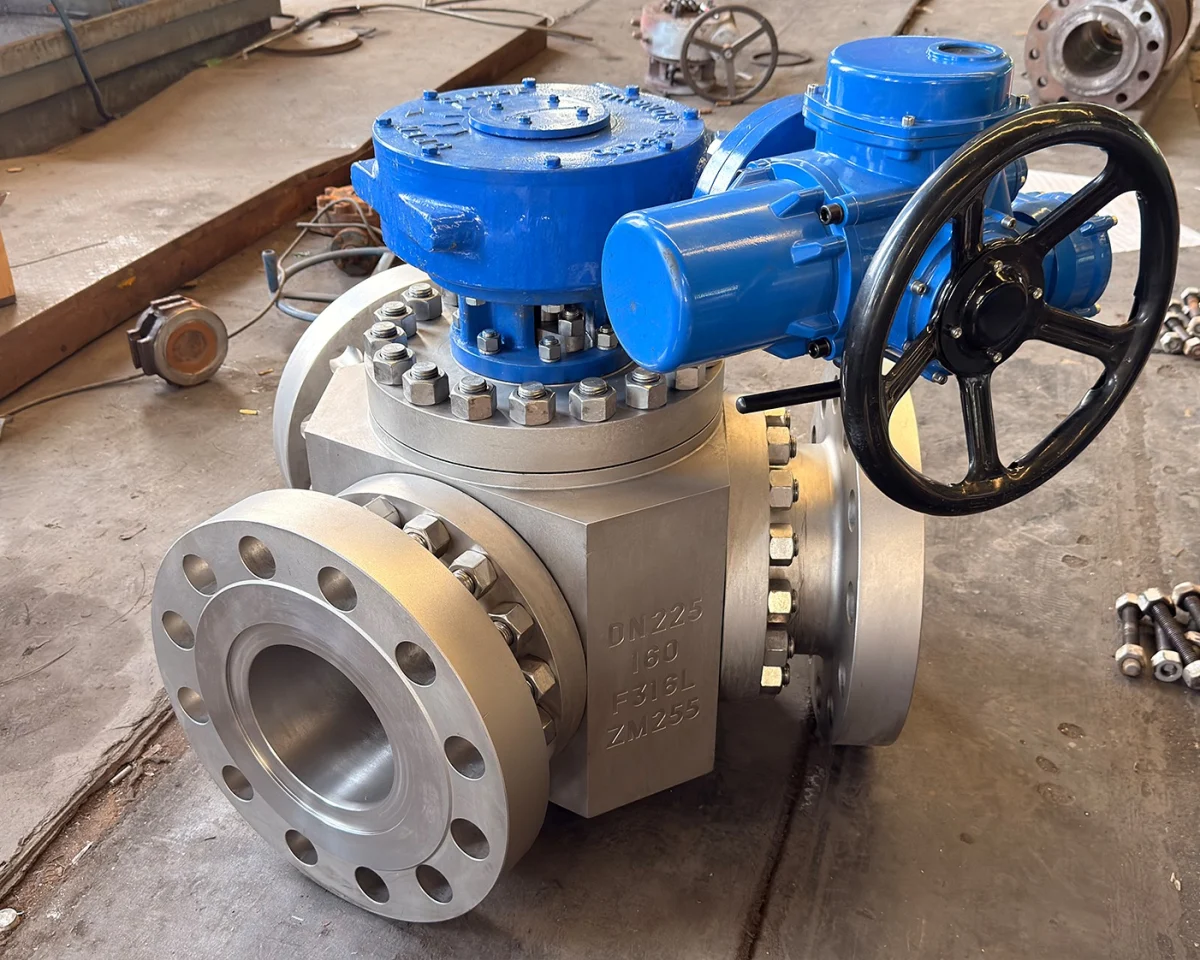
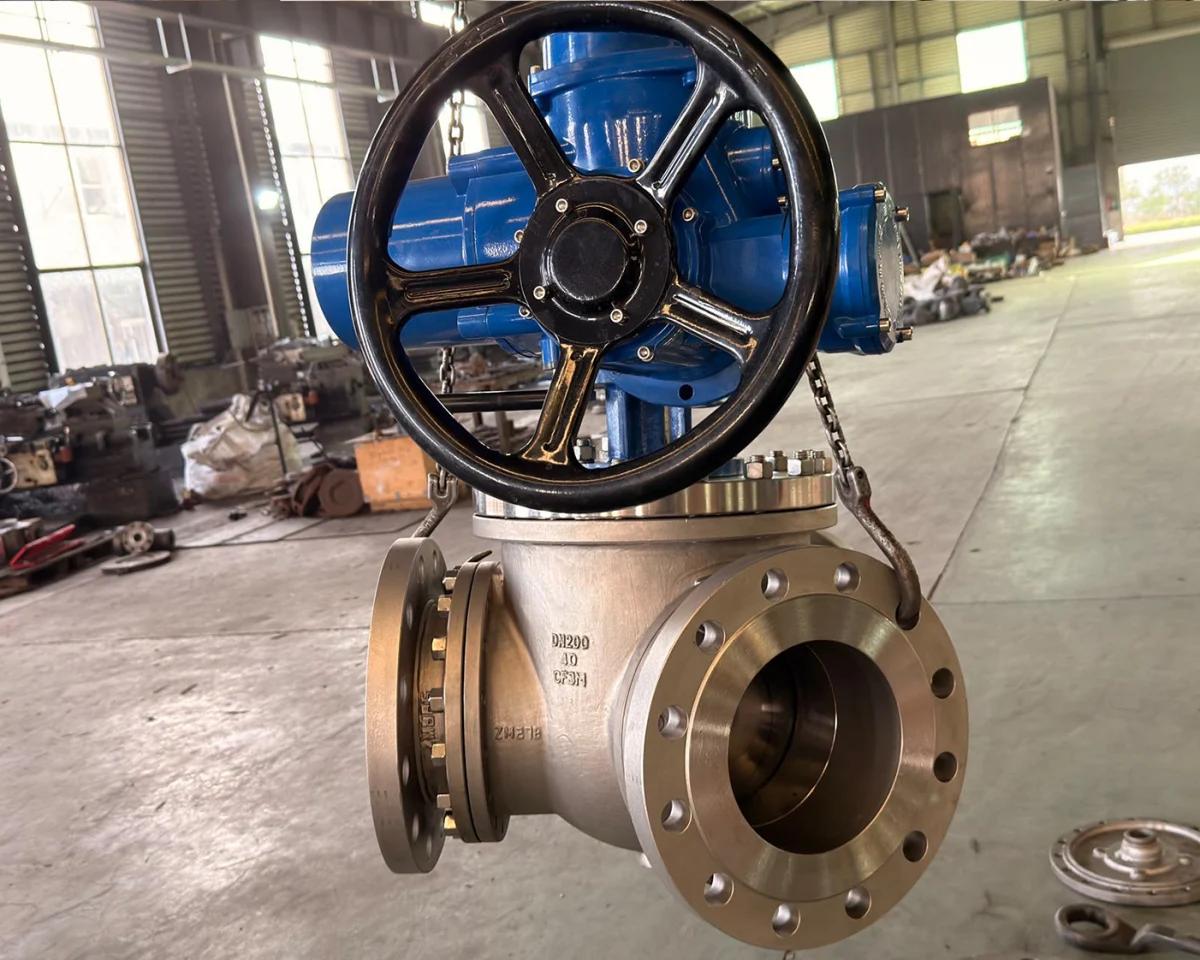
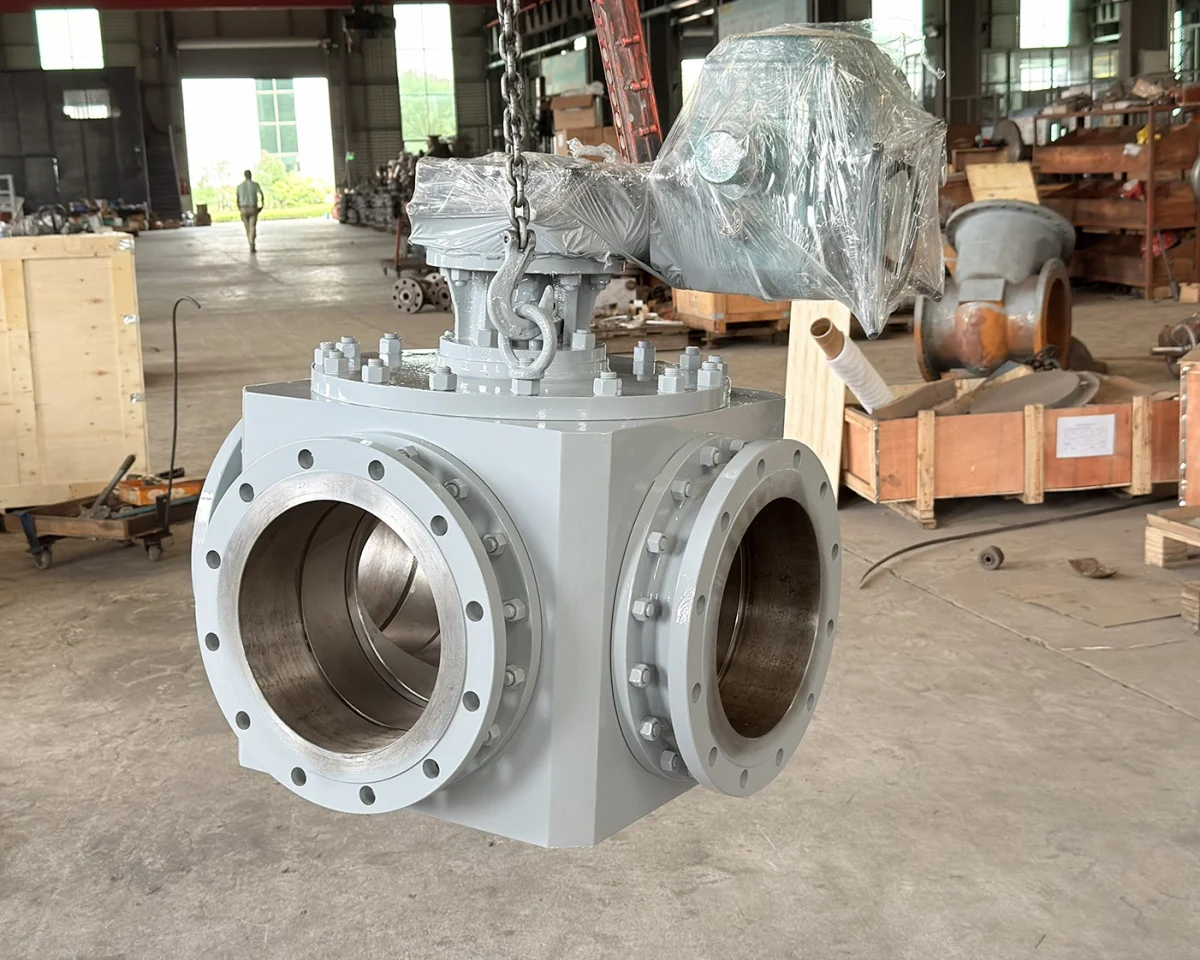
Valve Project
Case Studies
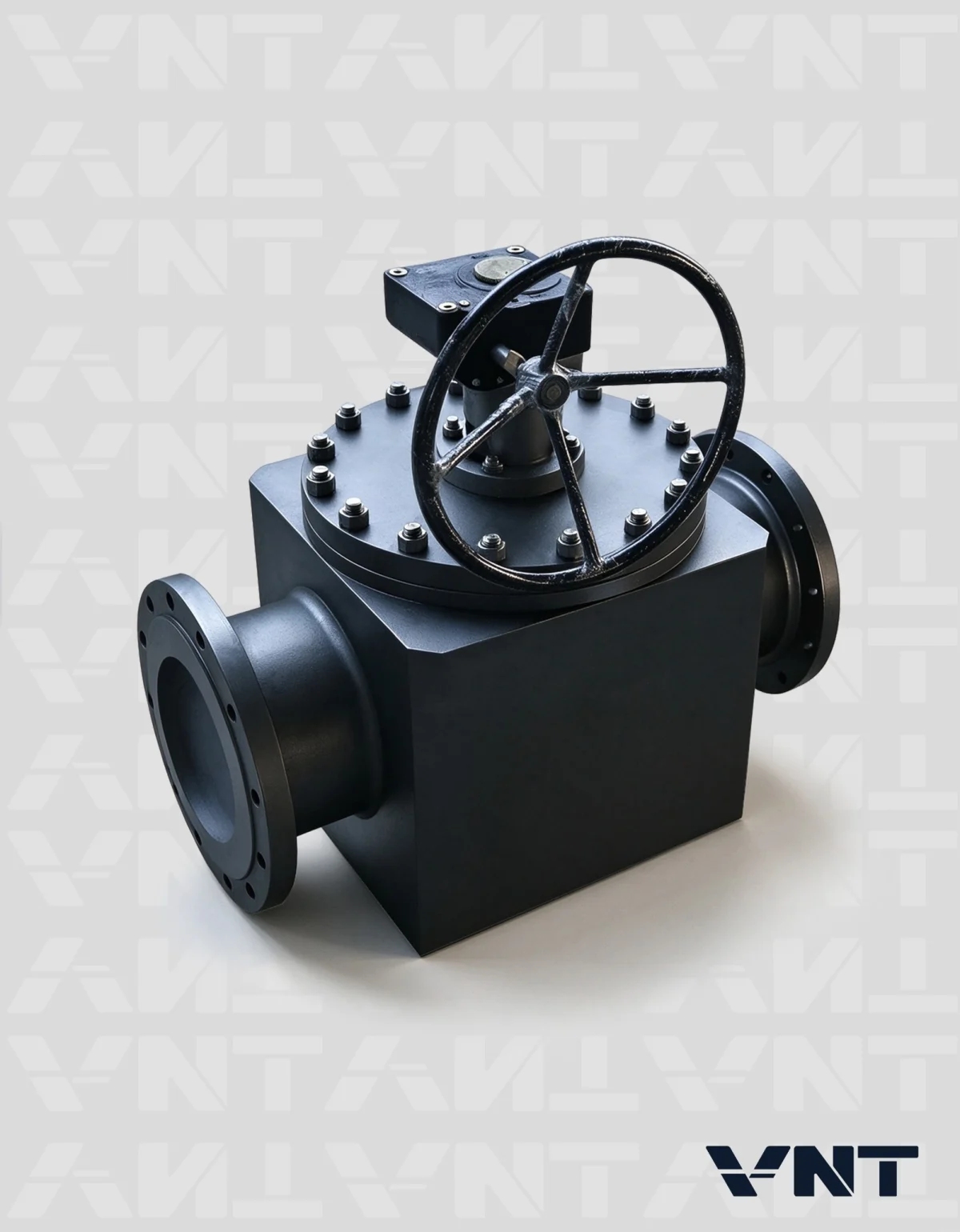
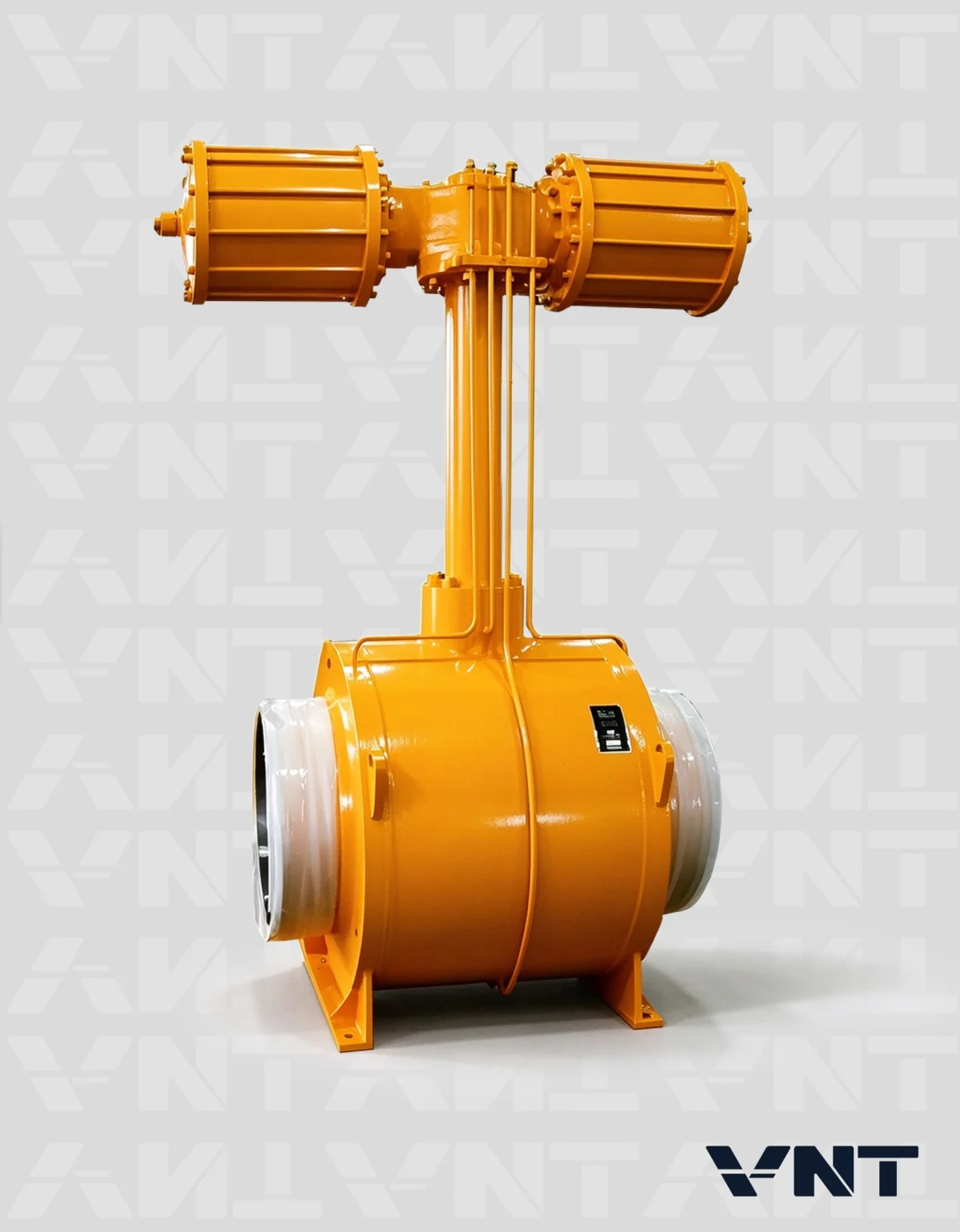
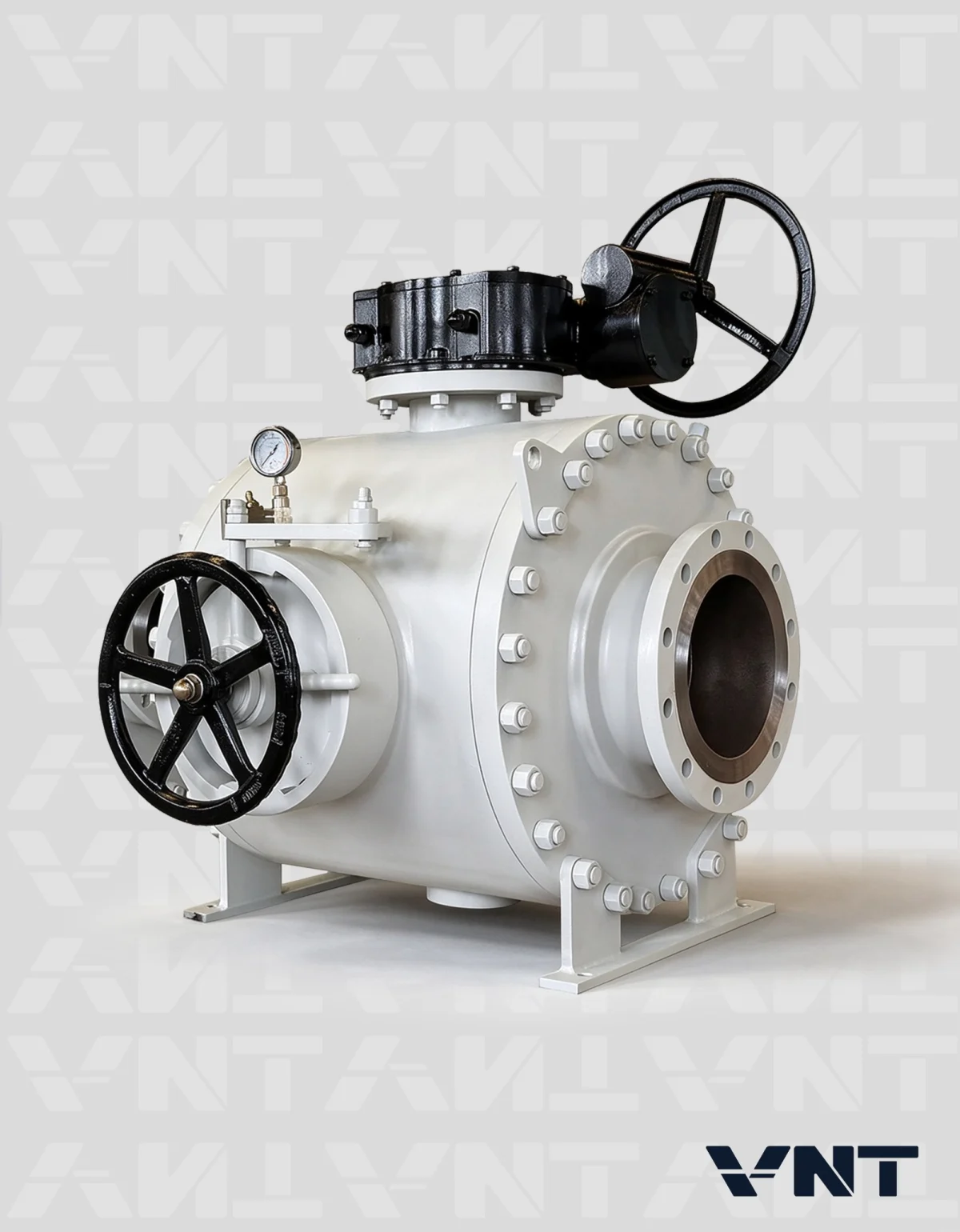
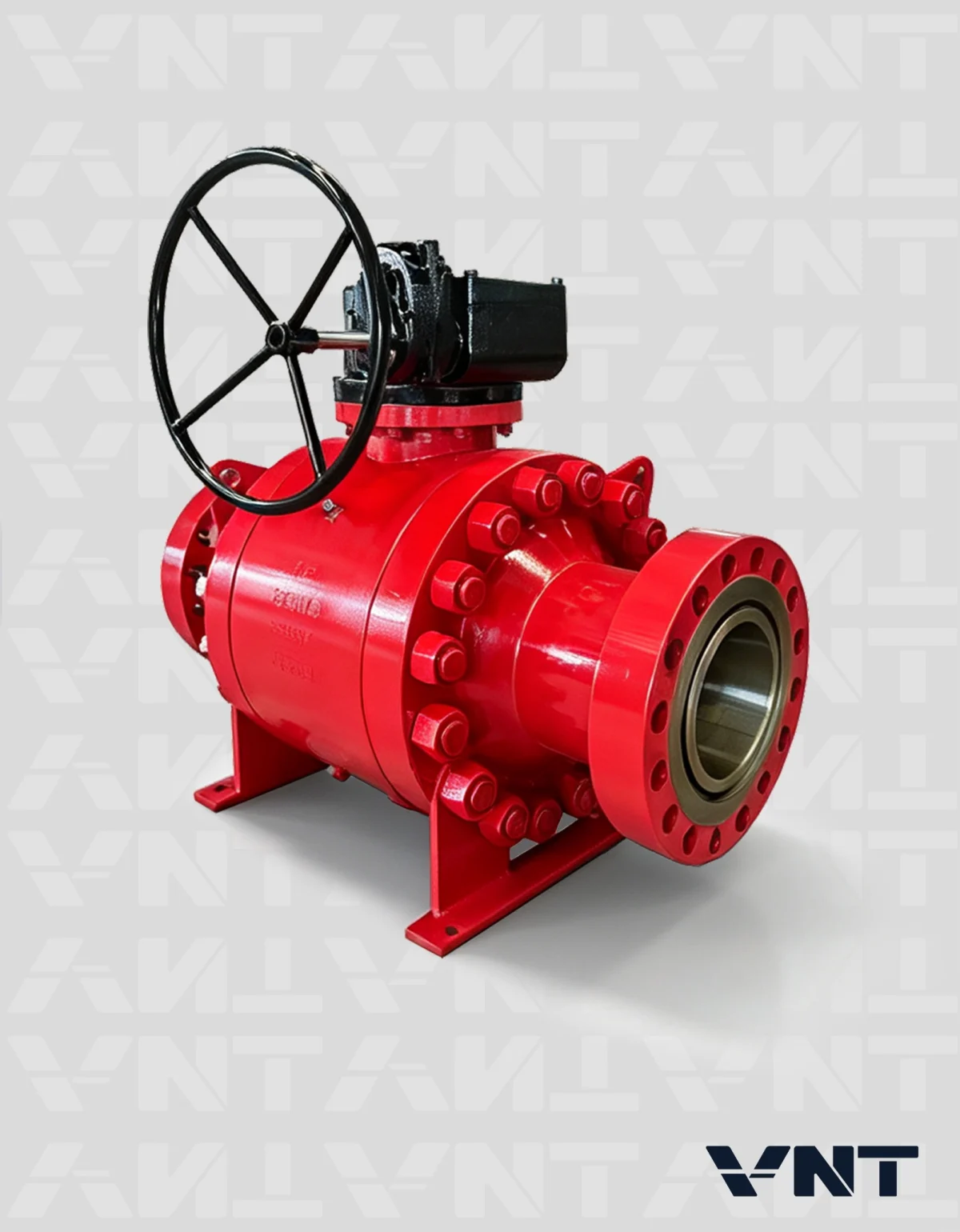
These related ball valve cases cover different designs. They are not three-way valve references; confirm each project’s materials, pressure class and service requirements.
View All Case StudiesRelated Ball Valves
Related
Documents
Download the Ball Valve Product Catalog, then submit your project datasheet and port diagram for flanged 3 way ball valve selection.
Explore All Downloads ↗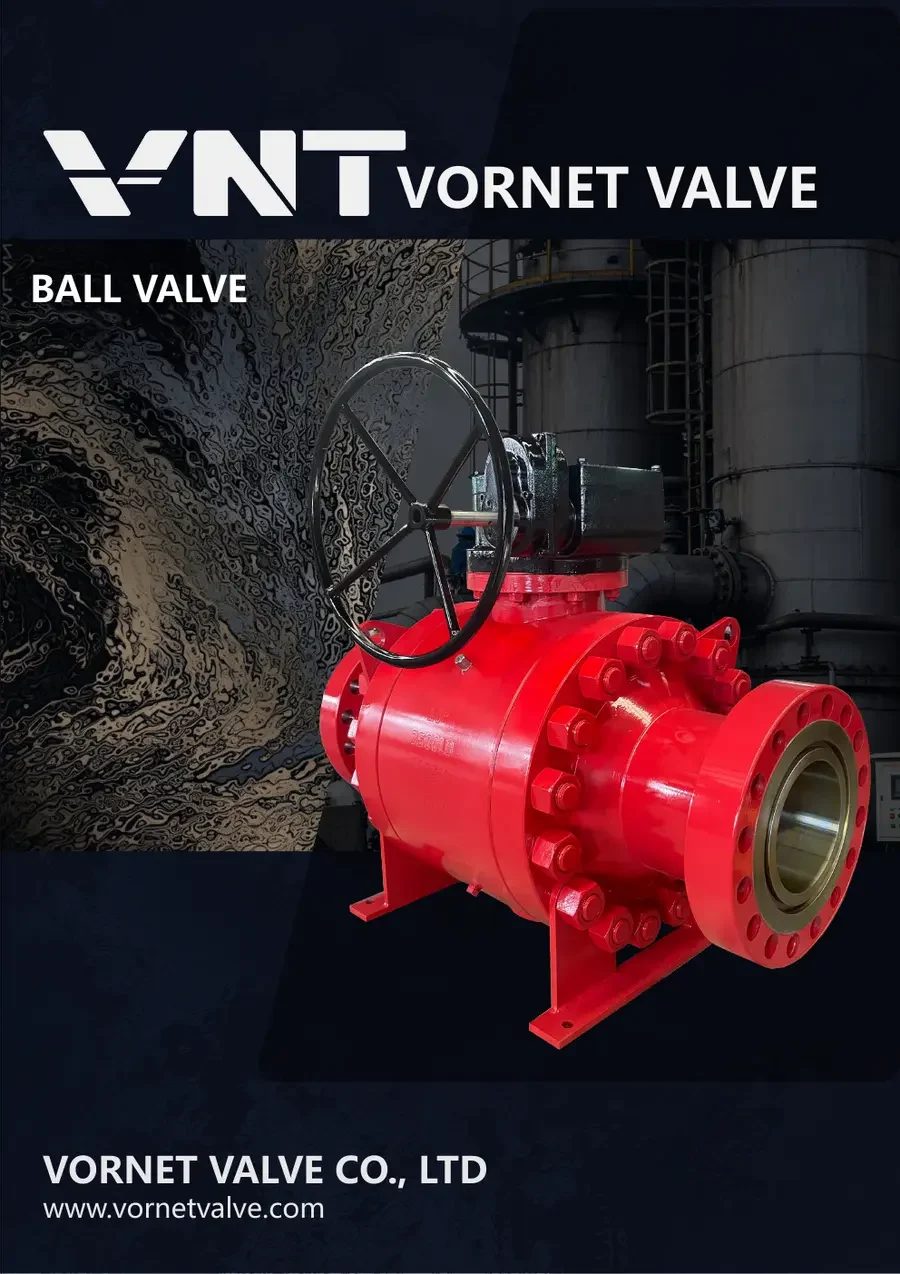
When should an L-port three-way ball valve be selected?
An L-port three-way ball valve is selected to divert flow between a common port and either of two lines. Specify the common port, required connections and operating positions. Any all-ports-closed requirement must be checked against the selected seat arrangement and approved port diagram.
What functions does a T-port configuration provide?
A T-port three-way ball valve can connect all three ports or selected port pairs for distribution, combining streams or switching. Confirm the required connections and isolation at each position. The T-port designation alone does not guarantee complete shutoff or controlled mixing proportions.
Are four-way ball valve configurations available?
Four-way arrangements require separate configuration review. This page describes a three-way flanged ball valve; its size, pressure and connection data must not be applied to a four-way design without an approved datasheet and drawing.
Which industries are listed for this flanged 3-way ball valve?
The applications described here are chemical processing, industrial water and power-plant piping. Suitability depends on the actual medium, pressure, temperature, body and seat materials, port arrangement and end connections; an industry label alone does not establish compatibility.