
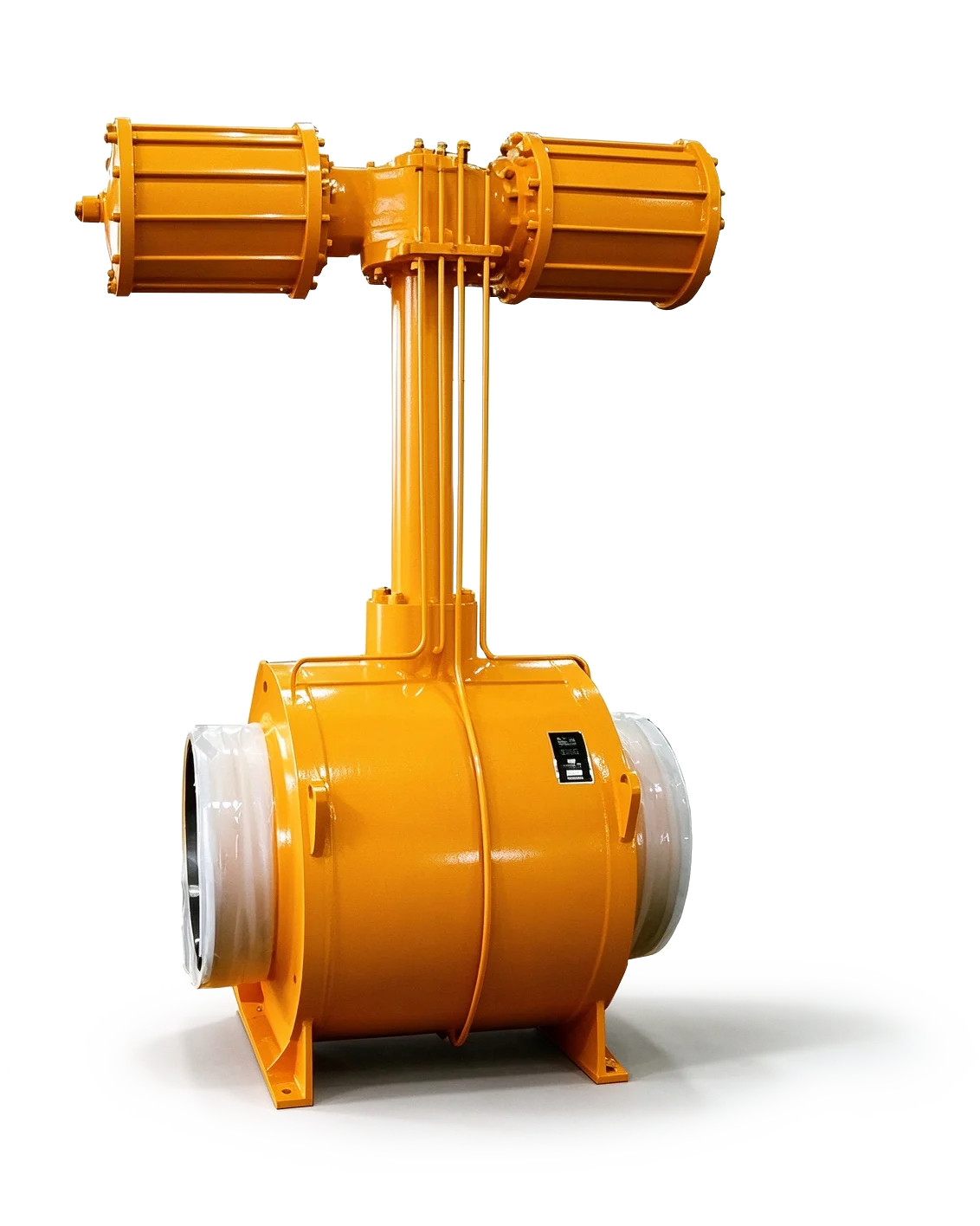
Fully Welded Ball Valve for Buried Service
Product Description
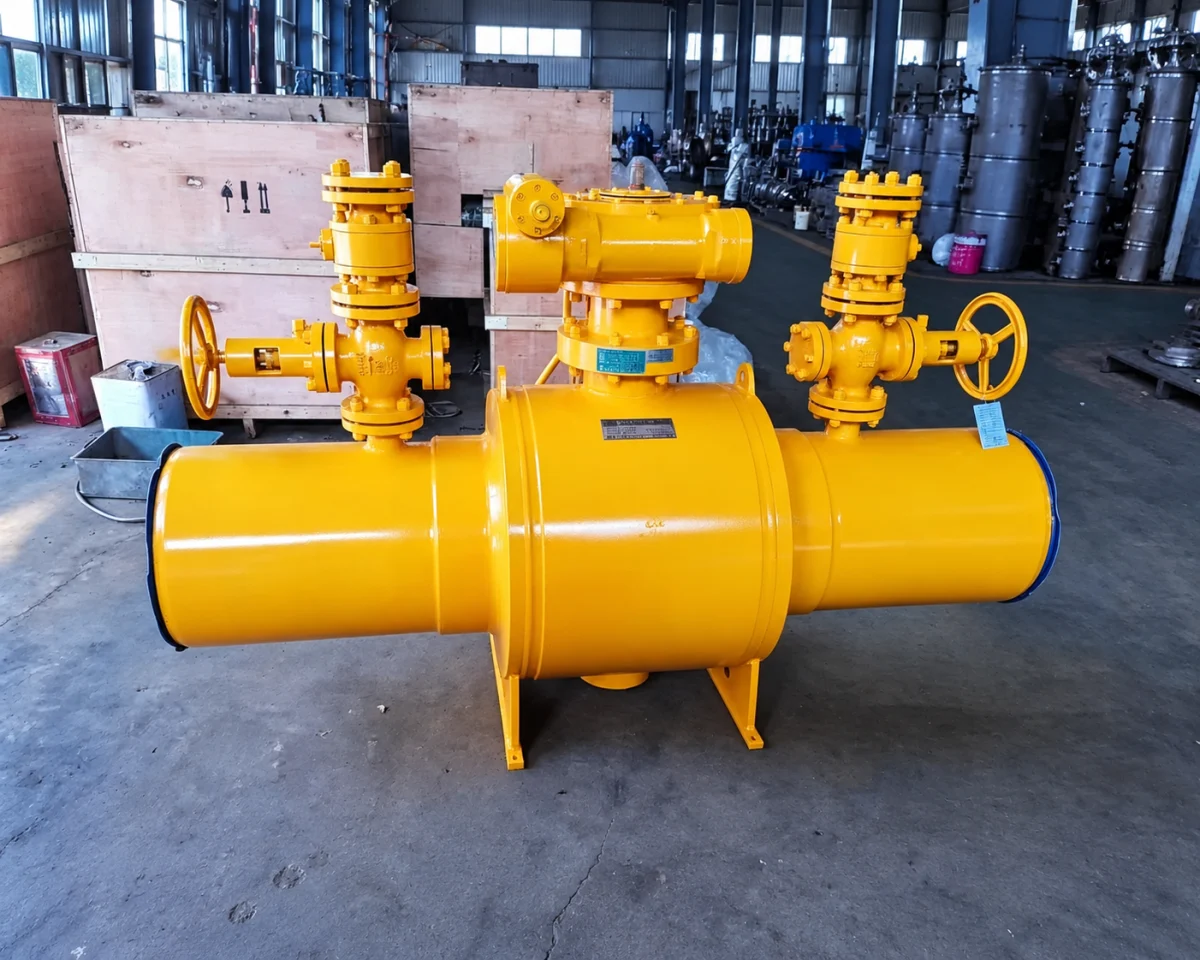
Vornet’s fully welded ball valve uses welded body joints for pipeline on-off isolation. Also described as a welded body ball valve, this construction removes bolted body-joint interfaces and reduces the associated potential leak paths. Applications include urban gas, district heating and oil and gas pipelines. Pressure rating, sealing performance and service life depend on the selected design, materials and service conditions.
An underground ball valve or buried ball valve requires installation-specific review of burial depth, ground level, operating access and corrosion protection. Confirm stem extension and any required vent or drain access on the approved drawing.
Key Features
- Reduced risk of fugitive emissions
- Higher pressure ratings due to welded construction
- Better resistance to mechanical stress and vibration
- Excellent resistance to external corrosion
- Better performance in buried/underground applications
- Suitable for high-cycle applications with better thermal cycling resistance
- Extended service life compared to bolted designs
General Information
| Size Range | 2″–60″ (DN50–DN1500) |
|---|---|
| Pressure Rating | Class 150–2500 (PN16–PN420) |
| Body Material | Carbon steel, stainless steel, alloy steel, duplex steel, nickel-based alloy, etc. |
| Temperature Range | −46°C to +200°C |
| Operation | Handwheel / manual gear, Pneumatic actuator, Electric actuator, Hydraulic actuator |
| Design Standard | API 6D |
| Face to Face Dimension | ASME B16.10 |
| Ends Connections | ASME B16.25 (BW) |
| Test & Inspection | API 598 |
| Fire-safe Design (Optional) | API 607 / ISO 10497 |
| Sour Service (Optional) | NACE MR0175 / ISO 15156 |
Valve Project
Case Studies
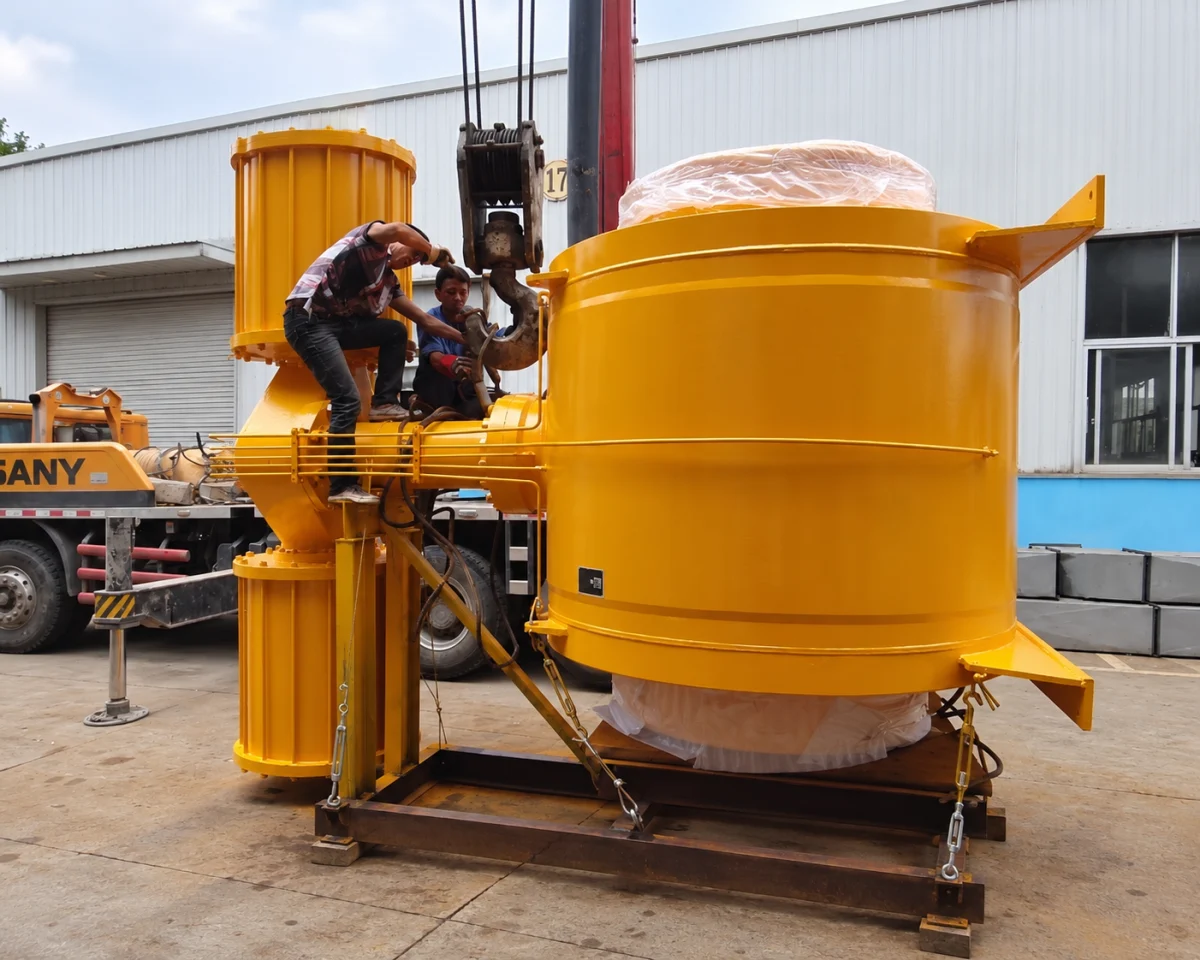
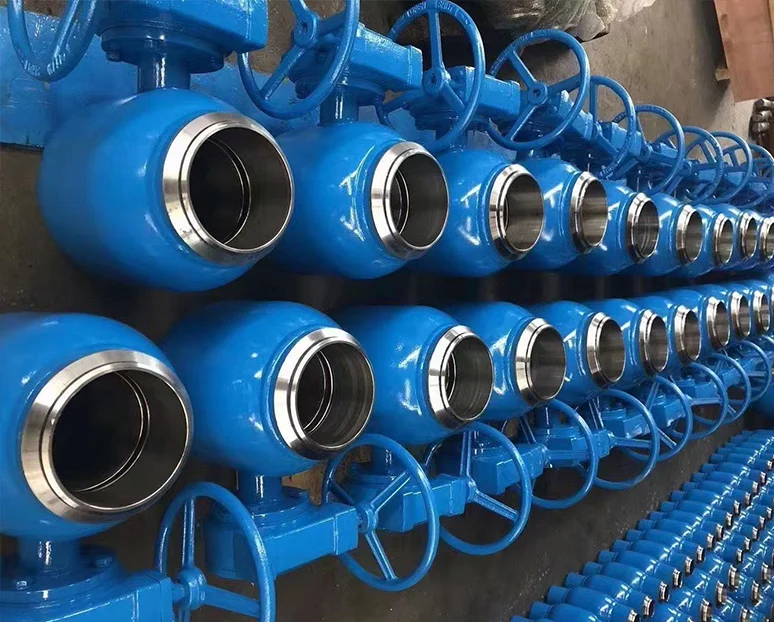
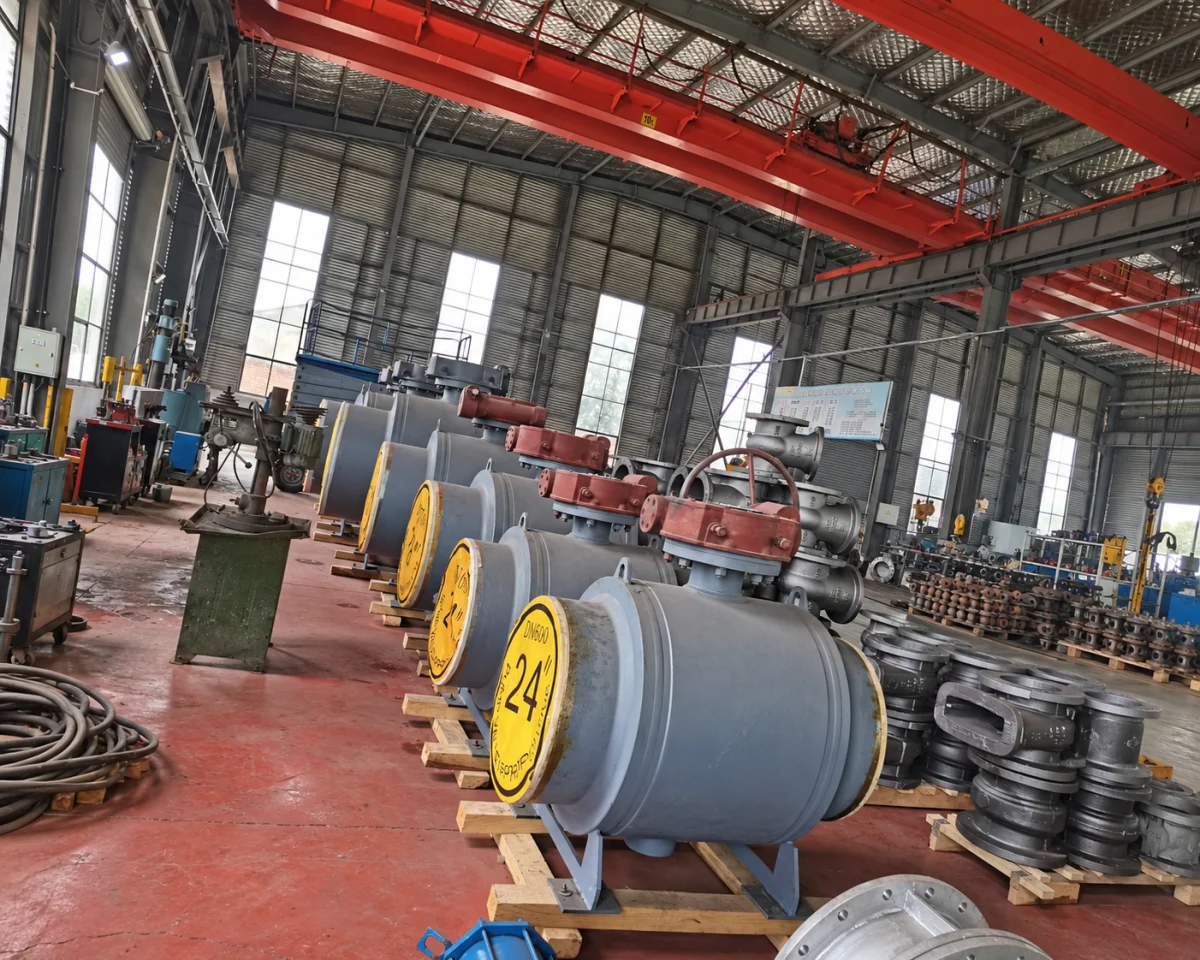
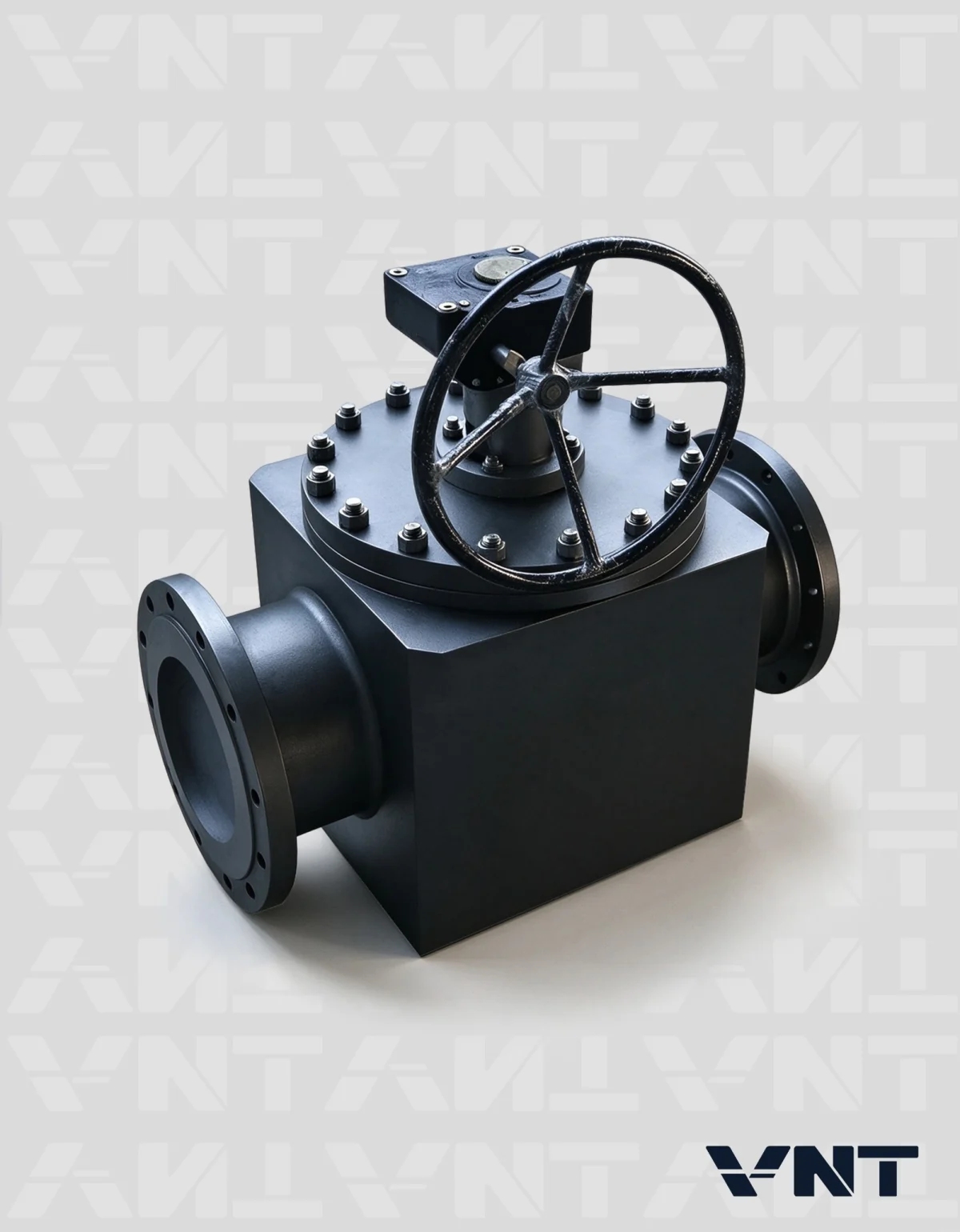
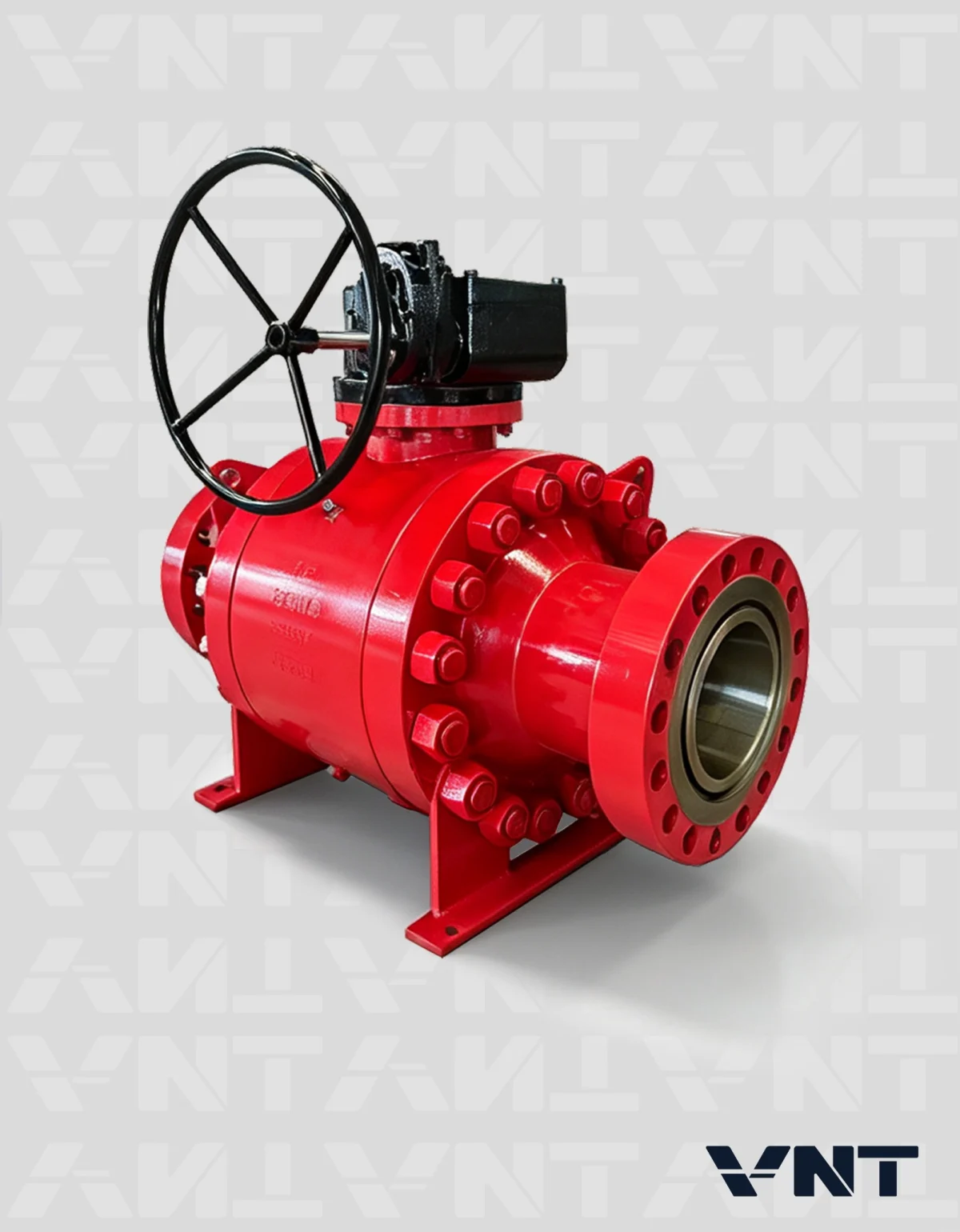
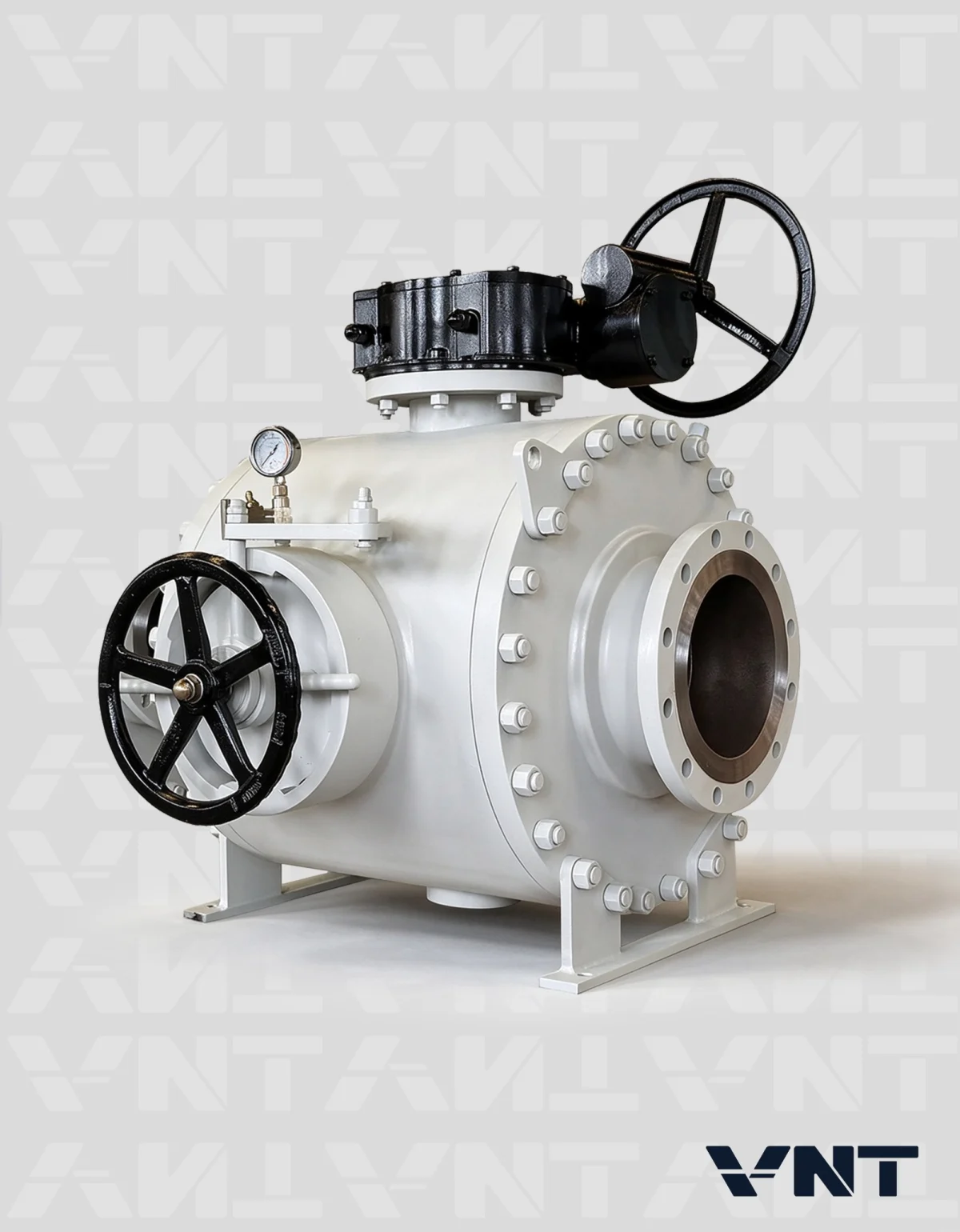
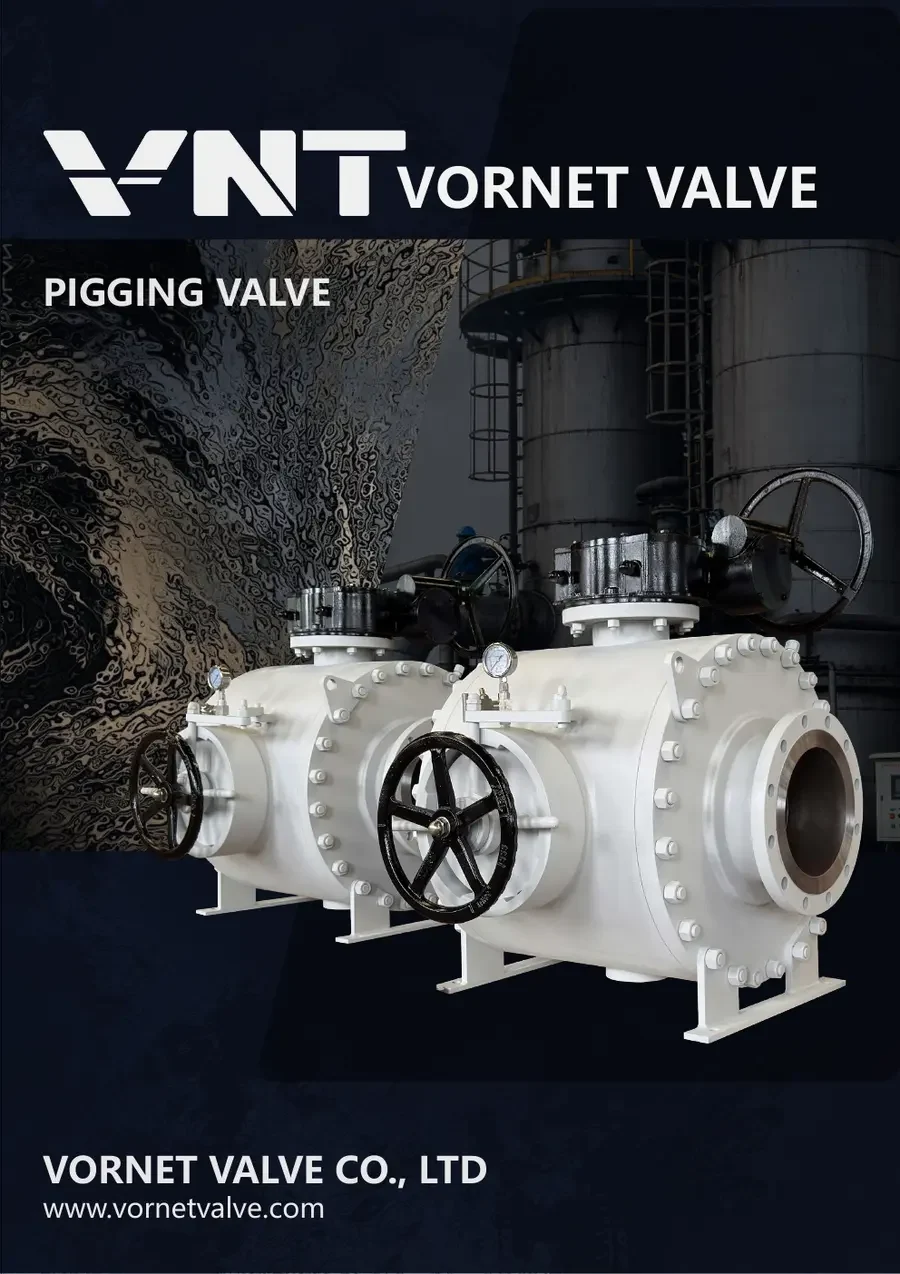
Explore Vornet ball-valve production and delivery records, including pigging and trunnion-mounted configurations. Each case describes its own valve configuration and service conditions.
View All Case StudiesRelated Ball Valves & Selection Guides
Related
Documents
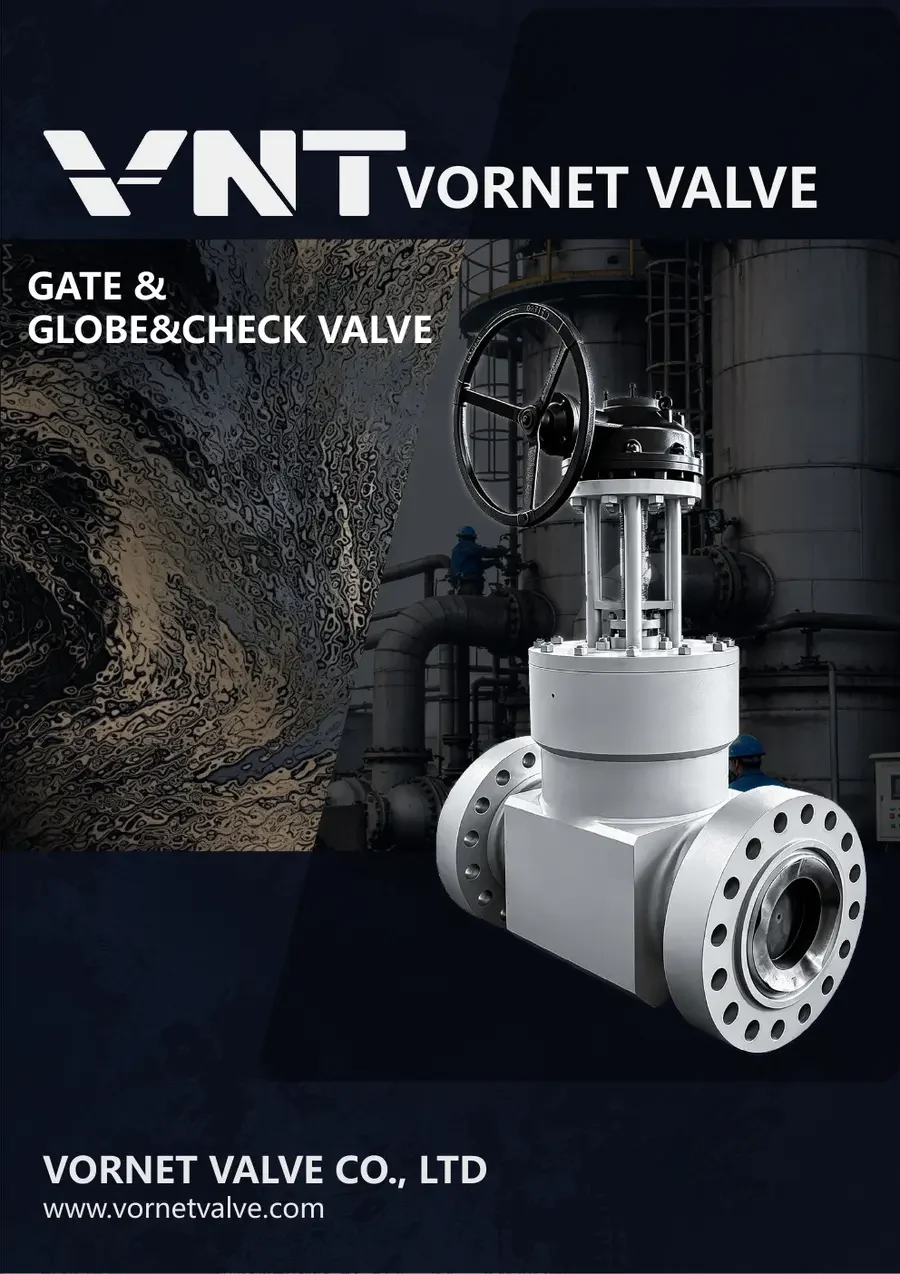
Download Vornet valve catalogues. Confirm the selected direct-buried configuration against the project datasheet and approved technical documents.
Explore All Downloads ↗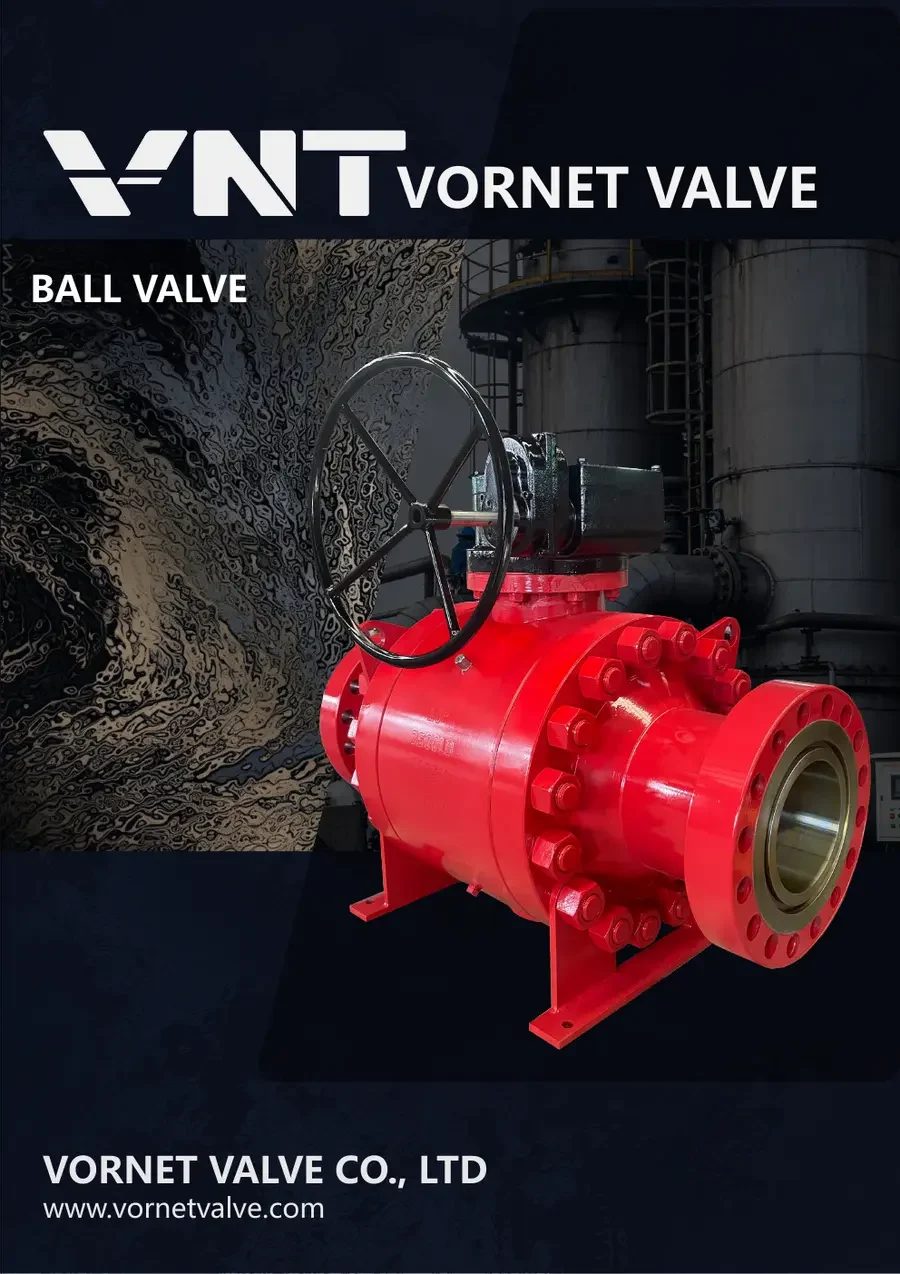
Can this fully welded ball valve be installed underground?
This product page covers a buried-service configuration. Direct burial must be confirmed on the approved installation drawing, including stem extension, operating access, external protection and any required service connections. Fully welded body construction alone does not confirm suitability for every underground installation.
Where is a fully welded ball valve used?
The listed applications are urban gas, district heating and long-distance oil and gas pipelines for on-off isolation. Confirm the medium, pressure, temperature, materials and seat-and-seal configuration for the actual duty.
What burial-depth and access details are needed?
Provide the finished-ground level, valve installation depth, required operator height and accessible operating area. Identify any required vent, drain or other service access so the extension arrangement can be reviewed on the project drawing.
What temperature range is listed?
The stated temperature range is −46°C to +200°C. Confirm the allowable limits for the selected body material, seats, seals and pressure rating against the approved datasheet.
Which connections and operating options are listed?
End connections are specified to ASME B16.25 (BW). Operating options are handwheel / manual gear, pneumatic actuator, electric actuator and hydraulic actuator. Confirm the required connection and operating configuration against the project datasheet.
What should I send for a technical quotation?
Send the valve datasheet or size, quantity, pressure class, medium, design and operating pressure and temperature, materials, end connections and actuation. For buried service, include burial depth, ground level, operator access and external-protection requirements. Specify the required design, testing, inspection and documentation scope for review.