
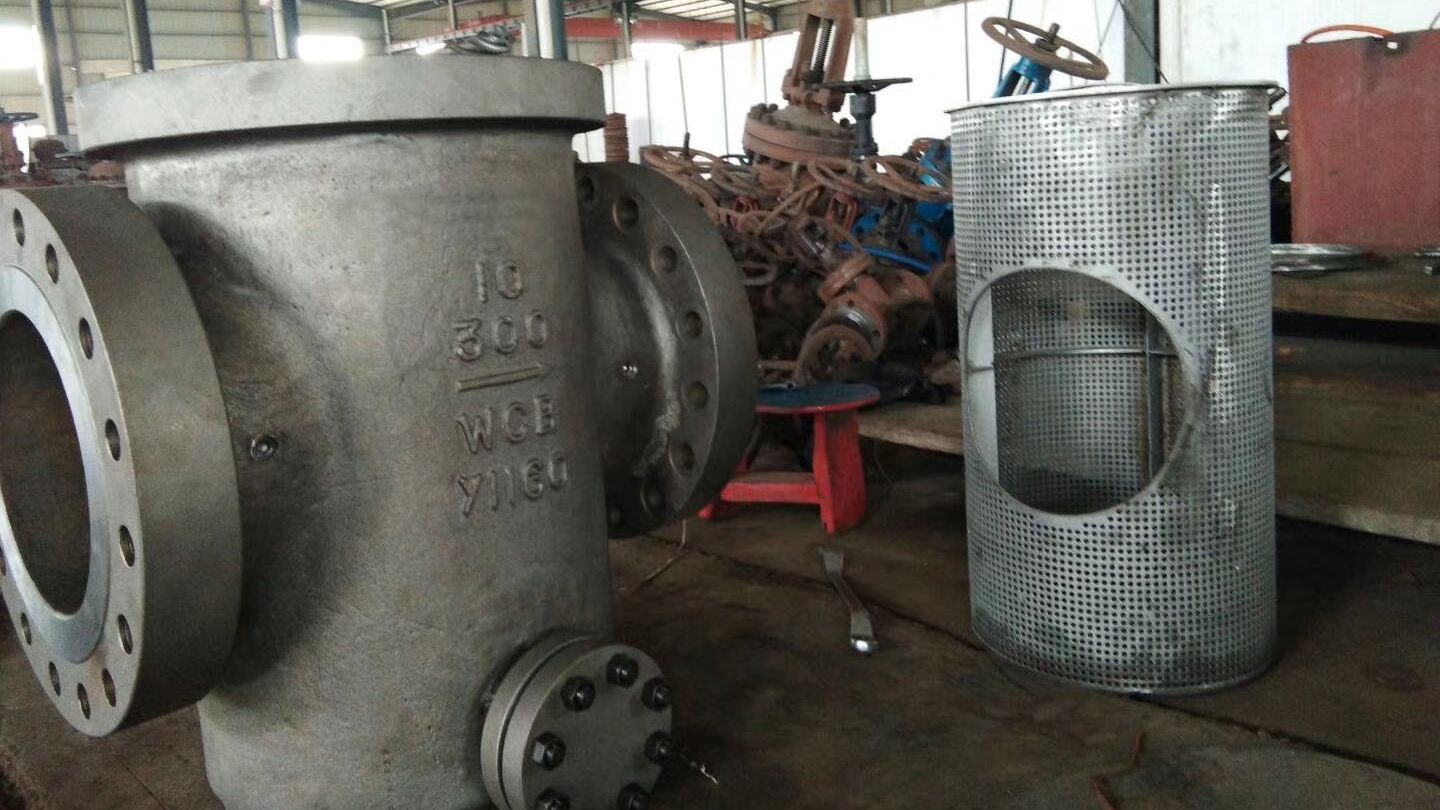
Pipeline Strainer Guide: Y-Type, Basket, Duplex, and How to Select the Right One
Pipeline strainers protect downstream equipment — pumps, control valves, flow meters, and heat exchangers — from debris, weld slag, and pipe scale. This guide covers Y-type strainers, basket strainers, duplex strainers, mesh selection, sizing, and applications across industries.
📋 Key Takeaways
- Pipeline strainers protect downstream equipment by filtering debris, weld slag, and pipe scale from fluid systems.
- Y-type strainers suit steam and gas applications while basket strainers handle liquids with higher debris loading.
- Strainer mesh size selection depends on the smallest particle that could damage downstream valves or instrumentation.
- Regular blowdown and cleaning cycles prevent clogging that causes excessive pressure drops beyond strainer design limits.
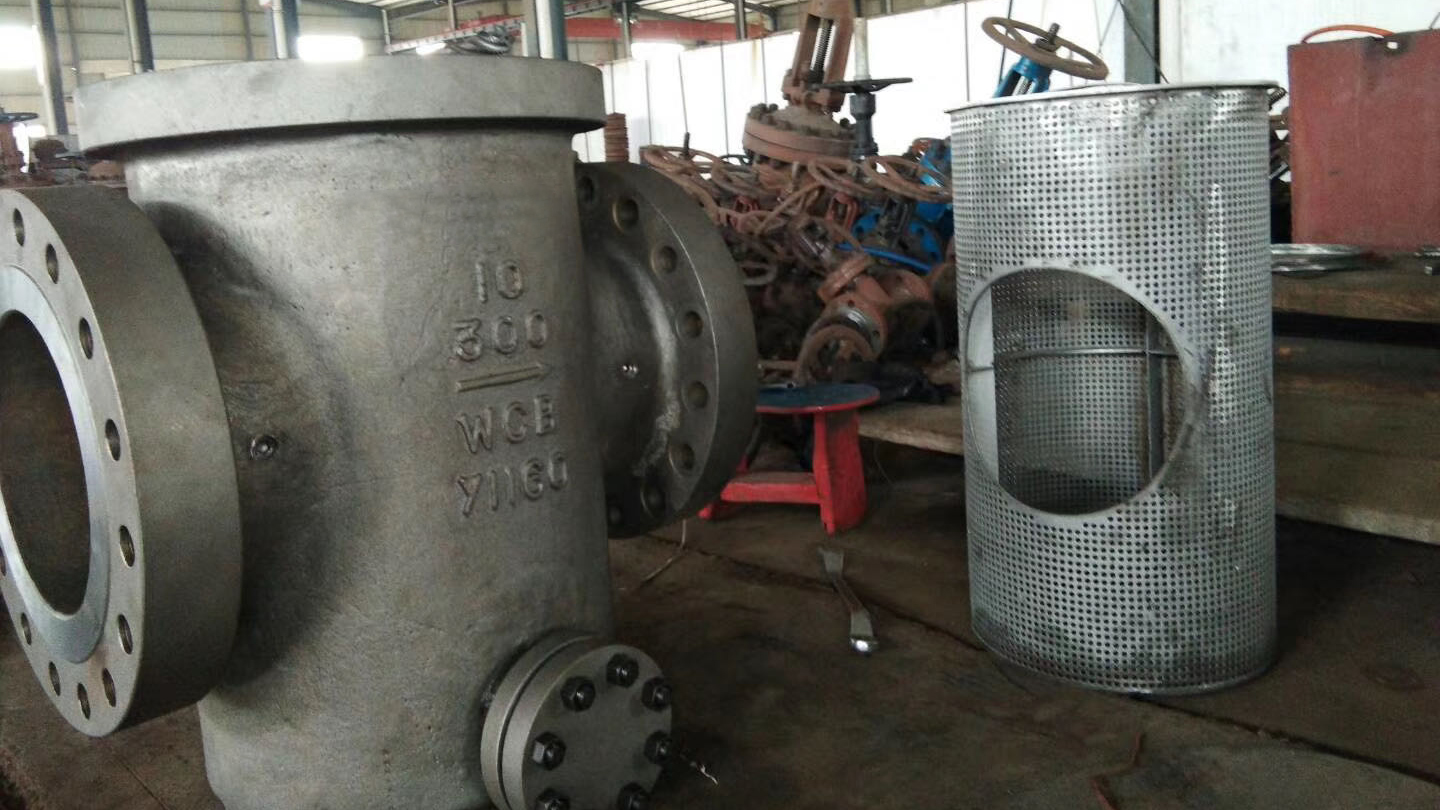
What Is a Pipeline Strainer? — Pipeline Strainer Selection
A pipeline strainer is an inline filtering device that removes solid particulates from flowing liquids or gases. It consists of a body containing a perforated or wire mesh straining element (screen or basket). Unlike filters, strainers remove larger particles (typically >25 microns) and are designed for cleanable, reusable elements rather than disposable cartridges. This guide covers essential pipeline strainer selection information.
Strainers are essential in any system where debris could damage or degrade the performance of downstream equipment. For example, They are the first line of defense in piping systems.
Main Types of Pipeline Strainers
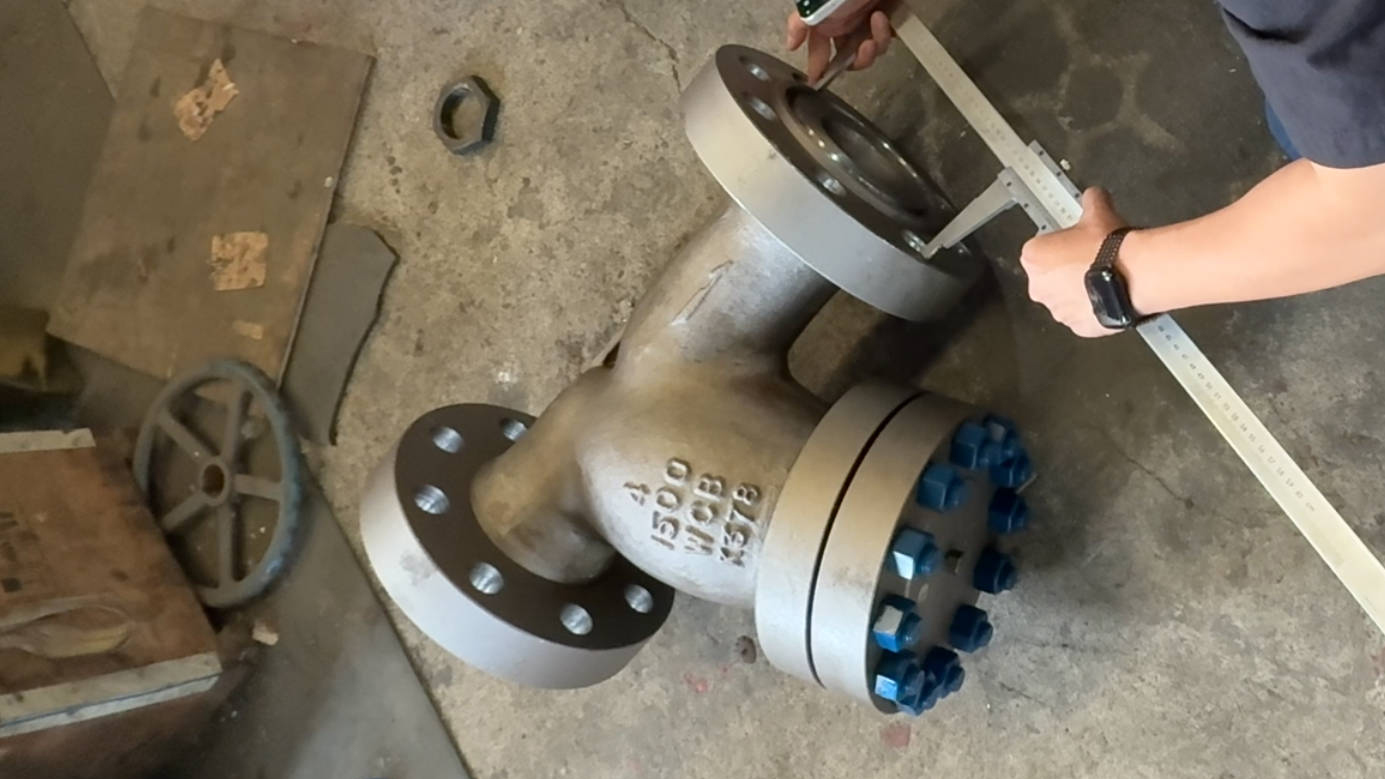
1. Y-Type Strainer
Named for its Y-shaped body design. Additionally, The straining element (screen) is housed in an angled leg (usually 15-45° from the flow axis), allowing debris to settle in the blow-off chamber for easy cleaning without removing the screen.
Best for: Small to medium pipe sizes (NPS 1/4″ to 20″), clean fluids with low debris load, horizontal or vertical installation, high-pressure service.
| Feature | Specification |
|---|---|
| Size range | NPS 1/4″ to 20″ |
| Pressure class | Class 150 to 2500; PN10 to PN400 |
| Screen mesh | Standard 20-100 mesh (perforated: 1/32″ to 1/4″ holes) |
| Materials | WCB, CF8M, CF3M, F304, F316, duplex, Monel |
| Connections | Threaded, socket weld, butt weld, flanged |
| Blow-off | Threaded plug or ball valve for drain |
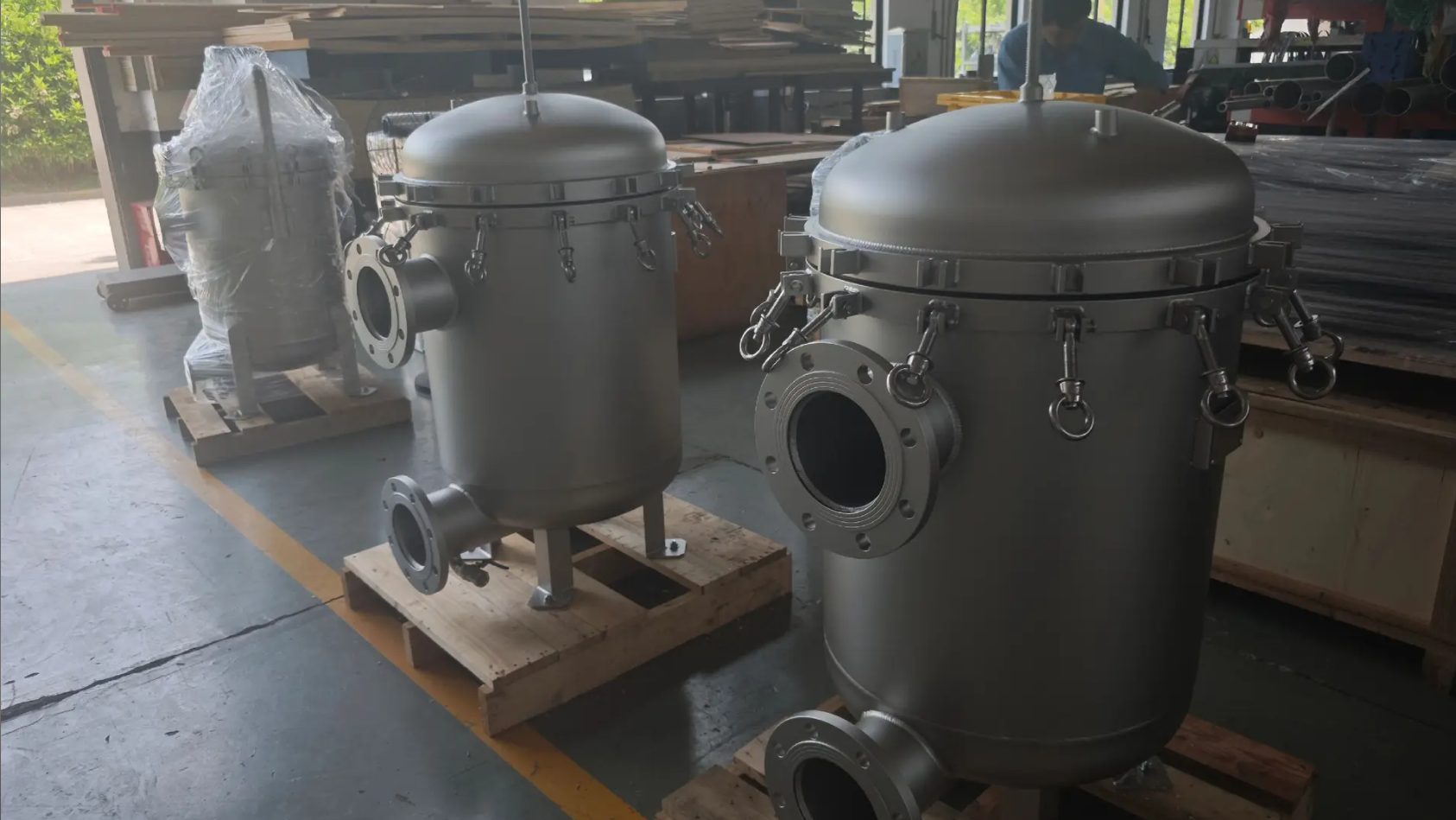
2. Basket Strainer
Features a large cylindrical or conical straining basket that offers significantly more debris-holding capacity than a Y-type strainer. The basket is removable for cleaning via a top or side cover.
Best for: Larger pipe sizes (NPS 2″ to 48″), high debris loads, viscous fluids, applications requiring frequent cleaning cycles.
| Feature | Specification |
|---|---|
| Size range | NPS 2″ to 48″ |
| Pressure class | Class 150 to 900; PN10 to PN100 |
| Screen area | 3-10x pipe cross-section (low pressure drop) |
| Materials | WCB, CF8M, Duplex, FRP-lined |
| Connections | Flanged (ASME, DIN, JIS) |
| Cleaning | Remove cover, extract basket |
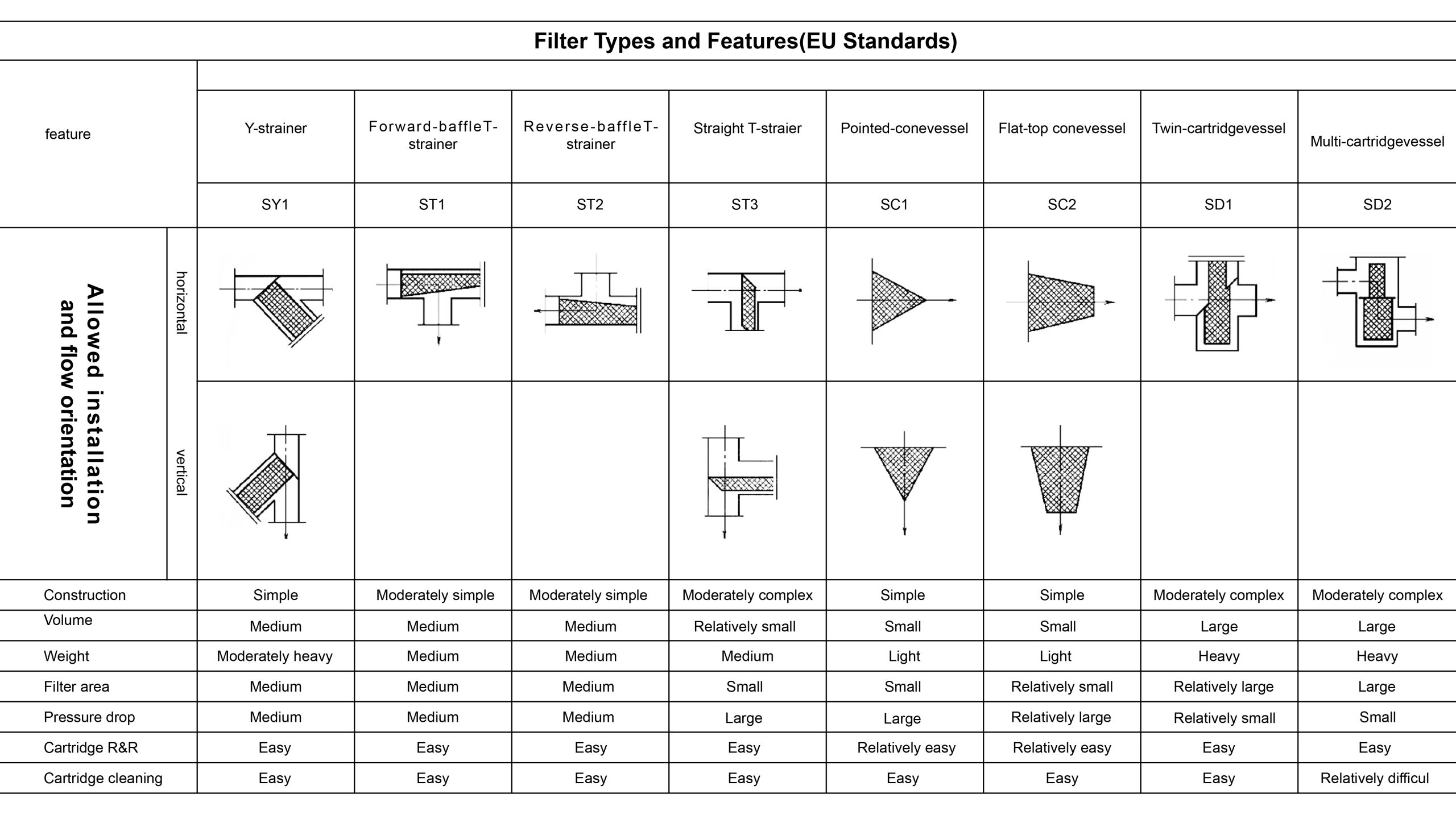
3. Duplex (Twin) Strainer
Contains two strainer chambers with a diverting valve. One chamber operates while the other is on standby. Flow can be switched to the clean chamber without interrupting system operation, allowing on-line cleaning.
Best for: Continuous processes where shutdown for cleaning is not feasible, critical service, automated systems.
4. Temporary (Startup) Strainer
Installed during system startup or commissioning to catch construction debris (weld slag, scale, dirt). Removed after a period of normal operation. Typically a conical or flat perforated screen between flanges.
Screen Selection: Mesh vs Perforated
| Type | Opening Size | Best For |
|---|---|---|
| 20 mesh | 840 microns | Large debris, coarse straining |
| 40 mesh | 400 microns | General industrial water, cooling water |
| 60 mesh | 250 microns | Chemical processing, light slurry |
| 80 mesh | 177 microns | Fine straining, pump protection |
| 100 mesh | 149 microns | Fine straining, control valve protection |
| 200 mesh | 74 microns | Very fine straining |
| Perforated 1/16″ | 1.6 mm | Very coarse, heavy debris |
| Perforated 1/8″ | 3.2 mm | Startup/commissioning strainers |
Strainer Sizing Guidelines
Proper strainer sizing balances protection level with acceptable pressure drop:
- General rule: Line size strainer for continuous operation (e.g., NPS 4 line → NPS 4 strainer)
- Pump suction: One to two sizes larger than line size to minimize pressure drop (e.g., NPS 4 pump suction → NPS 6 strainer)
- Maximum pressure drop: Clean strainer should have ΔP ≤ 0.5 psi at normal flow. Clean at ΔP of 3-5 psi
- Open area ratio: Strainer open area should be 2-5x the pipe cross-sectional area
Strainer Material Selection
| Service | Body Material | Screen Material |
|---|---|---|
| Water, air, general service | WCB / WCC Carbon Steel | 304 SS |
| Corrosive chemicals | CF8M / CF3M 316 SS | 316L SS |
| Seawater / brine | Duplex / Super Duplex SS | Duplex SS / Monel |
| High temperature (400-538°C) | WC6 / WC9 Chrome-Moly | 321 SS / Inconel |
| Hydrofluoric acid | Monel | Monel |
| Sour gas (H₂S) | NACE-compliant LCC | 316L SS (NACE) |
| Sanitary / pharmaceutical | 316L SS (Ra ≤ 0.8 μm) | 316L SS |
Strainer Applications by Industry
| Industry | Application | Recommended Strainer |
|---|---|---|
| Oil & Gas | Pipeline protection, meter skids, compressor suction | Y-type (high pressure), duplex (continuous) |
| Chemical Processing | Reactor feed, pump suction, heat exchanger inlet | Basket or duplex, alloy materials |
| Power Generation | Condenser cooling water, boiler feed, steam lines | Basket (high volume), Y-type (steam) |
| Water Treatment | Raw water intake, filter protection, chemical dosing | Basket (low pressure), duplex |
| HVAC | Chilled water, hot water, cooling tower | Y-type (economical), basket (high flow) |
| Marine | Seawater cooling, ballast, fuel oil | Duplex SS or Monel |
Strainer vs Filter: What’s the Difference?
| Factor | Strainer | Filter |
|---|---|---|
| Particle size | >25 microns | 0.5-50 microns |
| Element type | Cleanable screen or basket | Disposable cartridge or bag |
| ΔP at clean condition | < 0.5 psi typical | 1-5 psi typical |
| Housing | Integrated body design | Separate housing + cartridge |
| Service interval | Clean and reuse indefinitely | Replace cartridge periodically |
| Cost | Lower upfront, minimal ongoing | Higher ongoing consumable cost |
| Best for | Bulk debris protection | Fine particle removal |
Strainer Installation Tips
- Orientation: Y-type strainers should be installed with the screen leg pointing downward for easy cleaning
- Pump suction: Install strainer between the isolation valve and pump. Use a temporary (startup) strainer during commissioning
- Control valve protection: Install a Y-type strainer immediately upstream of control valves (one strainer per valve)
- Steam service: Install with blow-off valve at the lowest point to drain condensate before startup
- Space allowance: Allow sufficient clearance for screen removal (basket strainers need vertical clearance for basket extraction)
Need a Strainer for Your Piping System?
Vornet Valve supplies Y-type, basket, and duplex strainers in sizes NPS 1/4″ to 48″, Class 150 to 2500, in carbon steel, stainless steel, duplex, and exotic alloys. Contact us for sizing assistance.
• Check Valve Types Guide
• Gate Valve vs Ball Valve Guide
• Safety Valve vs Relief Valve Guide
• Control Valve Selection Guide
Frequently Asked Questions About Pipeline Strainers
Q1: What is the difference between a strainer and a filter?
Strainers remove larger particles (typically >25 microns) using cleanable mesh or perforated screens, while filters remove finer particles using disposable media. Strainers are designed for coarse filtration with reusable elements.
Q2: How do I choose between a Y-type and a basket strainer?
Y-type strainers are best for steam, gas, and high-pressure applications with low debris loads. Basket strainers are preferred for liquid systems with higher debris loads where frequent cleaning is needed, as the basket can be removed and cleaned without draining the system.
Q3: What mesh size should I use for my strainer?
The mesh size depends on the smallest particle that could damage downstream equipment. Standard mesh sizes range from 20 to 100 mesh. For control valve protection, 40-60 mesh is typical. For pump protection, 20-40 mesh is common.
Q4: How often should a pipeline strainer be cleaned?
Cleaning frequency depends on debris load and system conditions. Monitor the pressure differential across the strainer — cleaning is needed when the pressure drop exceeds 2-3 psi (0.14-0.2 bar) above baseline.
Q5: Do I need a strainer before every control valve?
Industry best practice recommends installing a strainer upstream of all control valves, regulating valves, and flow meters. Debris in pipeline fluid can damage valve trim, seat surfaces, and instrumentation.