
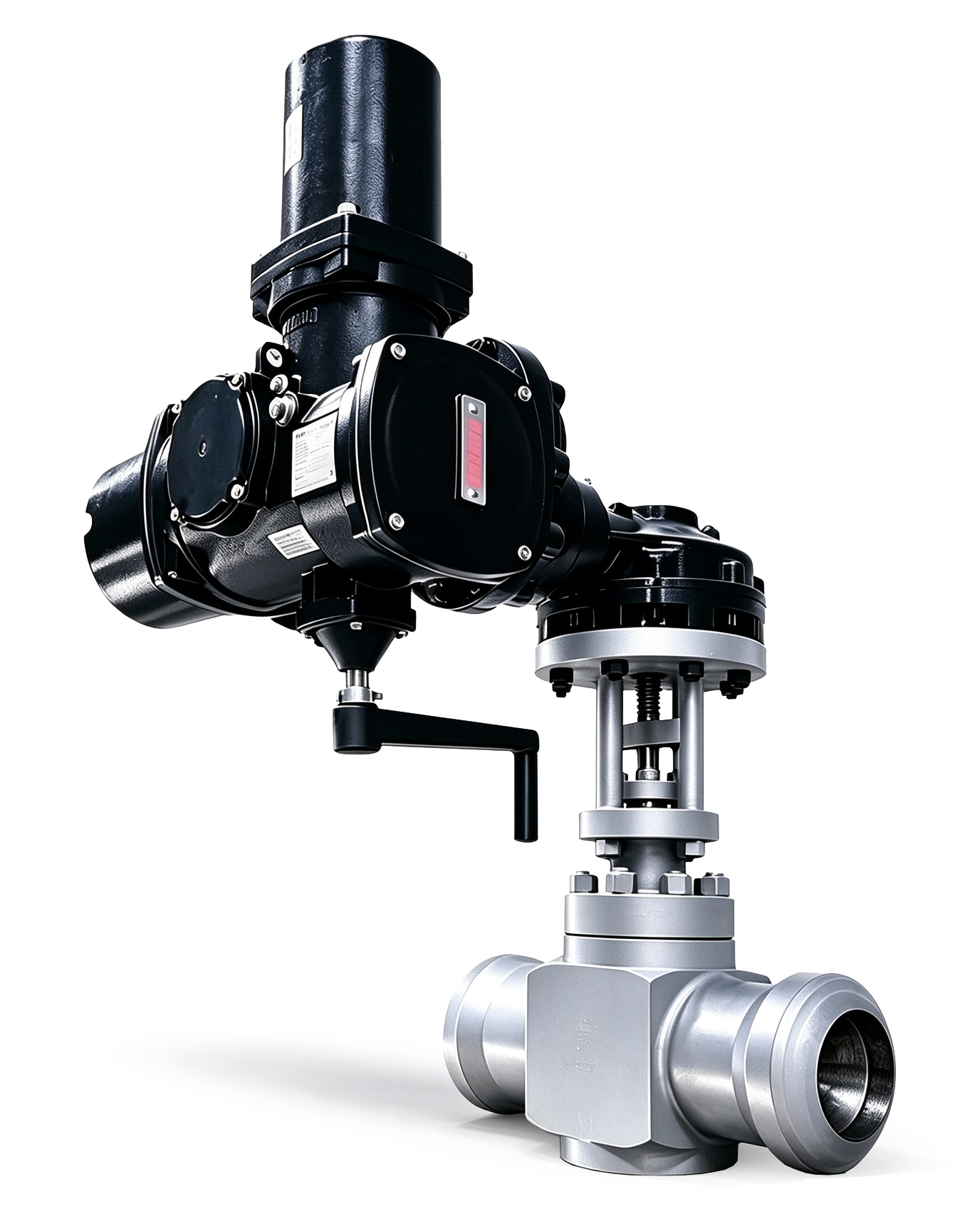
Choke Valve for Oil & Gas Flow and Pressure Control
Product Description
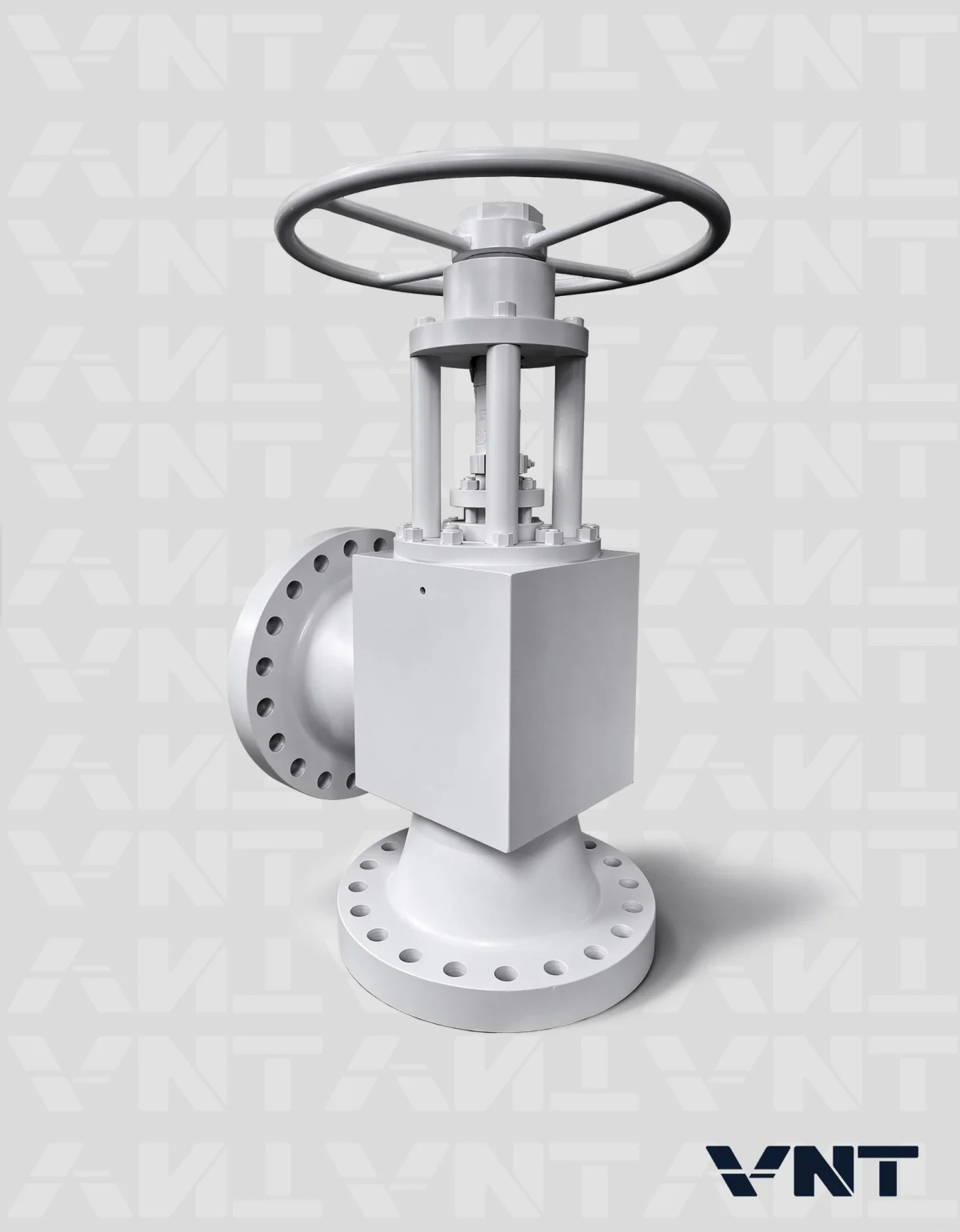
The Vornet choke valve is an adjustable flow-control valve for regulating gas or liquid flow and pressure in pipelines.
In oil and gas production, the choke valve controls well-fluid flow between the wellbore and production facilities. Trim and actuation are selected for the specified operating conditions.
Also described as a throttling valve, it can be considered for power generation, chemical processing and water treatment after the medium, materials and duty are confirmed.
Key Features
- Available choke trim options include labyrinth-disc, multi-port and multi-stage pressure-reducing designs.
- For particle-laden media, TCC disc/seat trim is recommended, subject to the specified service conditions.
- Bolted-bonnet and union-bonnet designs are available.
- A replaceable choke valve seat facilitates maintenance.
- Composite stem packing supports sealing performance and low operating torque.
General Information
| Size Range | NPS 1–10 (DN25–DN250); 2-1/16″–11″ |
|---|---|
| Pressure Rating | Class 150–2500 (PN16–PN420) |
| Body Material | Carbon steel, stainless steel, alloy steel, duplex stainless steel |
| Temperature Range | −29°C to +650°C |
| Operation | Manual, electric, etc. |
| Design Standard | ASME B16.34 / API 6A |
| Face to Face Dimension | ASME B16.10 |
| Ends Connections | ASME B16.5 (RF/RTJ) / ASME B16.25 (BW) |
| Test & Inspection | API 598 |
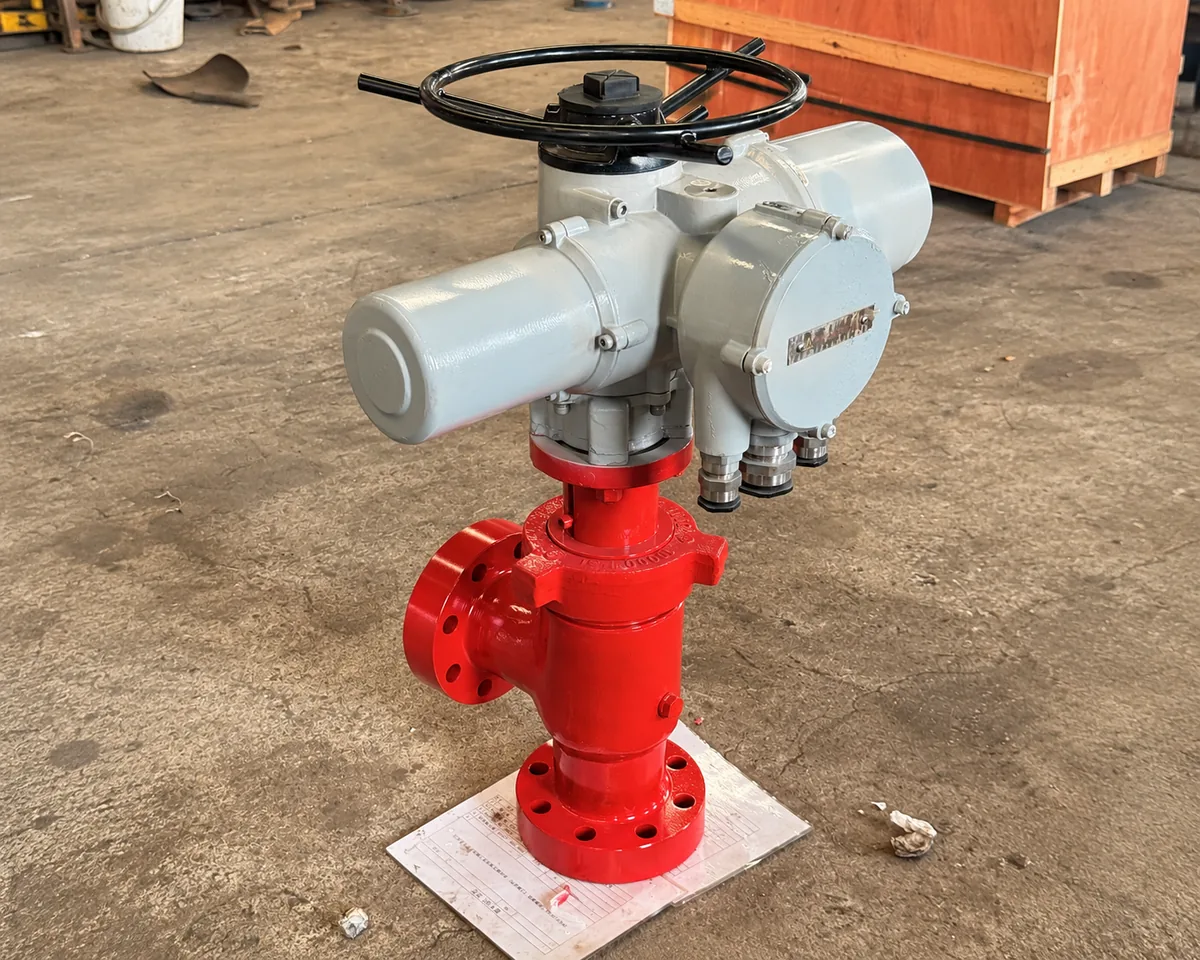
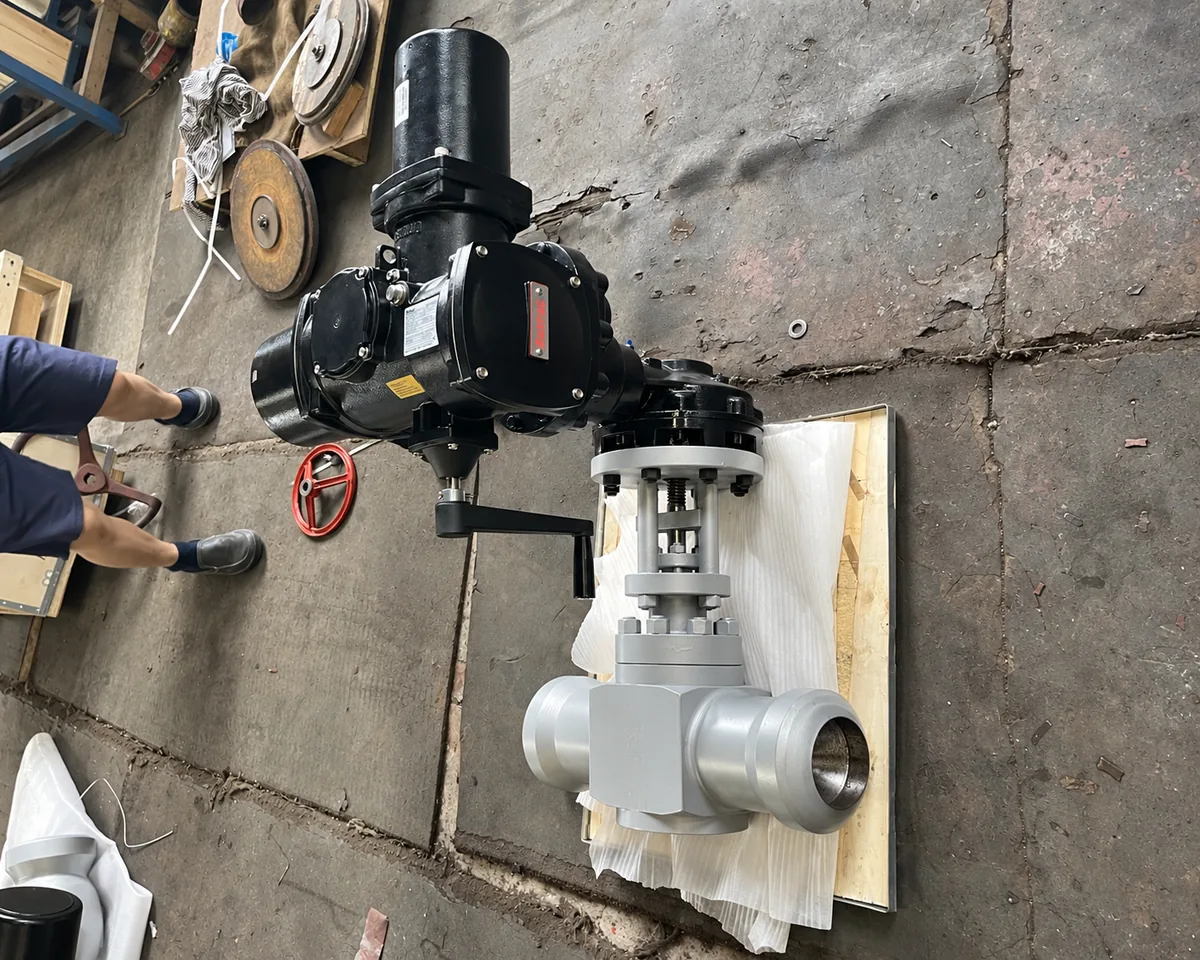
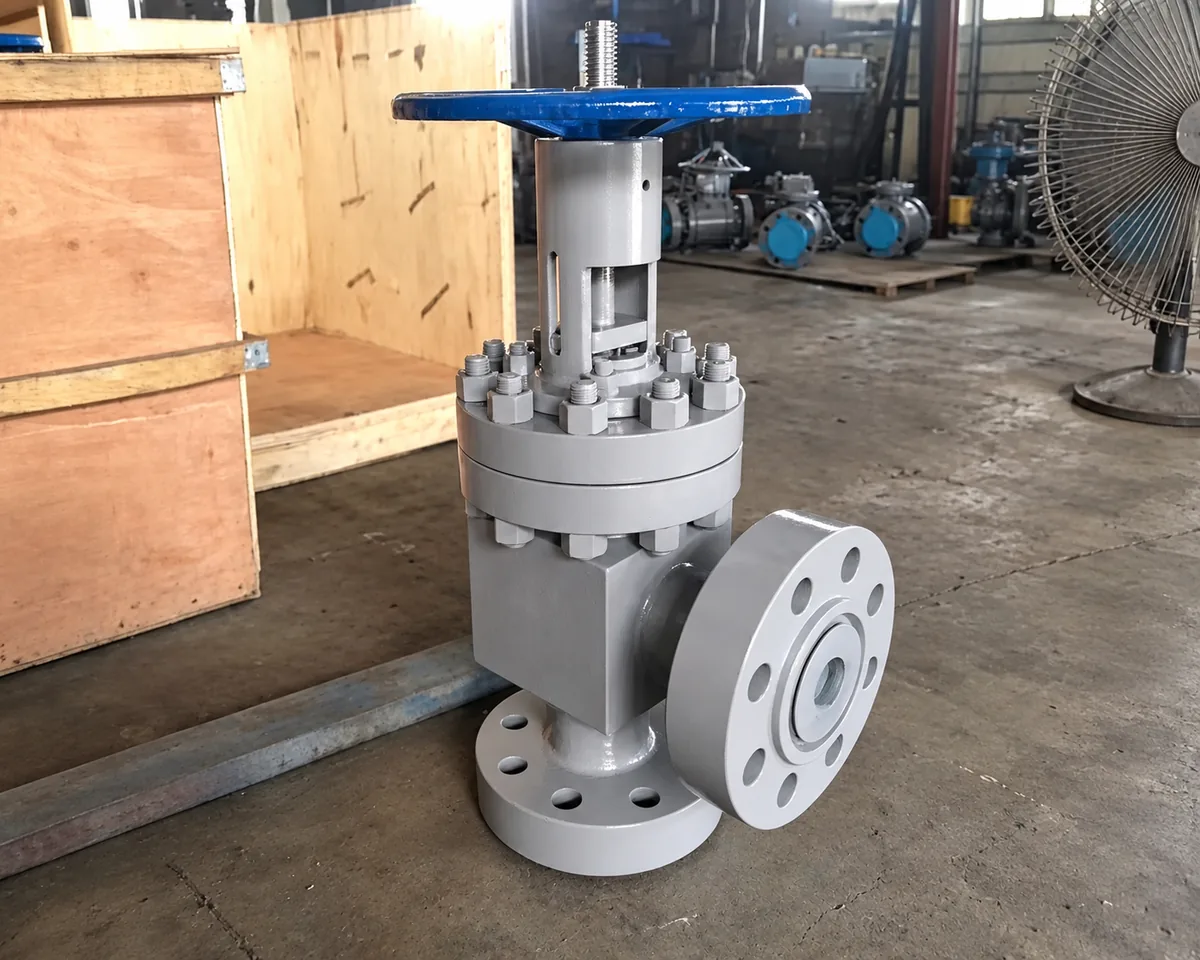
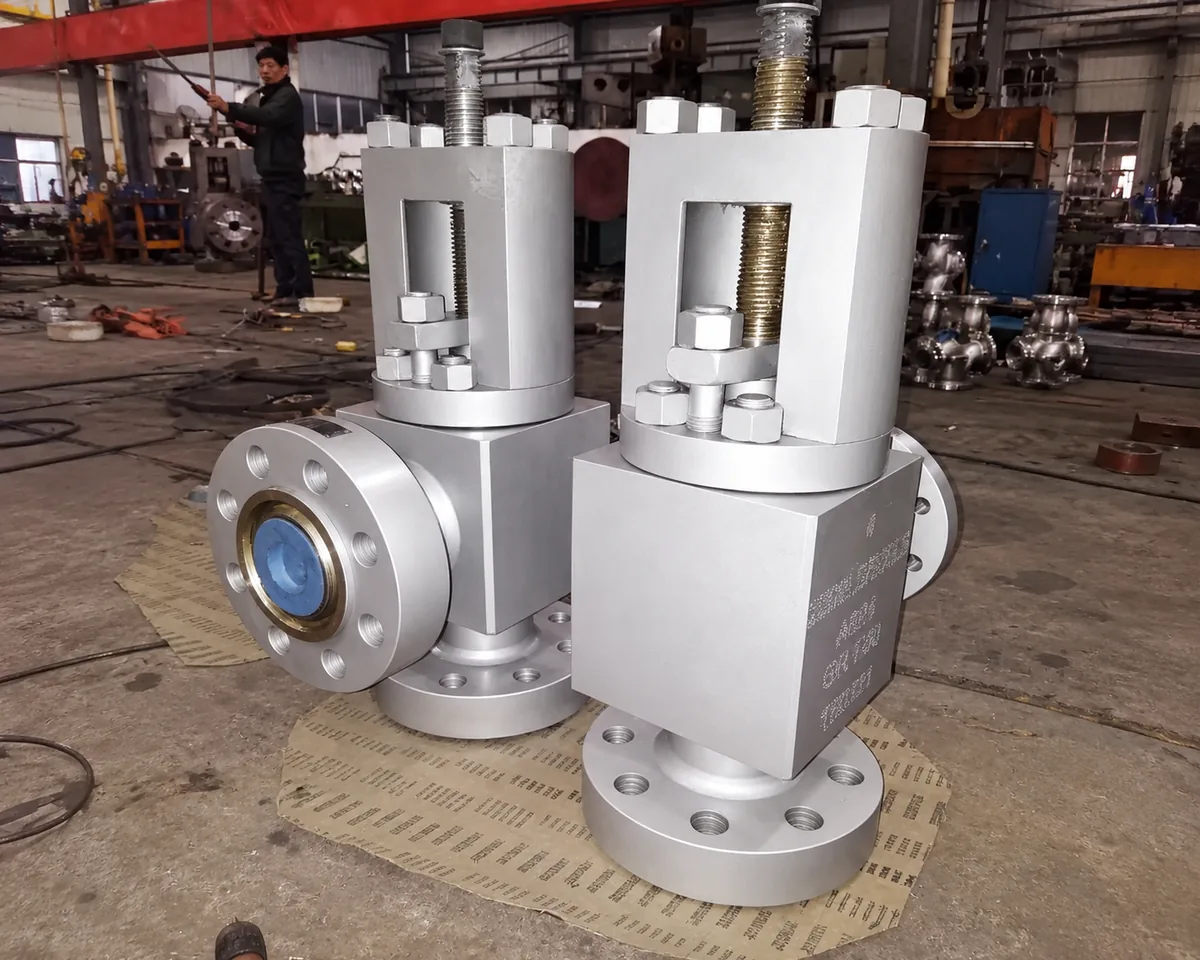
Valve Project
Case Studies
Review a Vornet high-pressure choke valve delivery and related valve projects. Each case describes its own valve configuration and service conditions.
View All Case StudiesRelated Industrial Valves
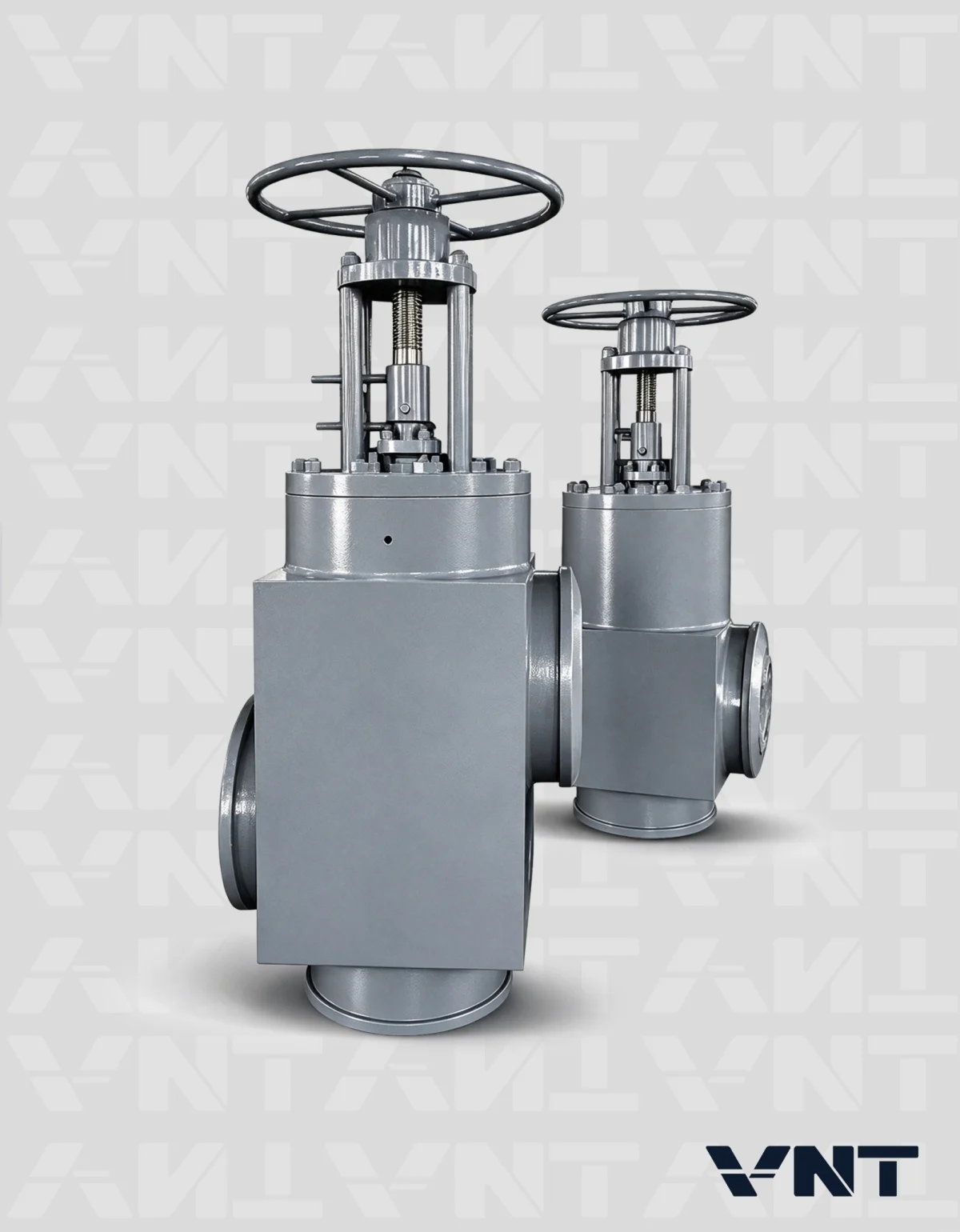
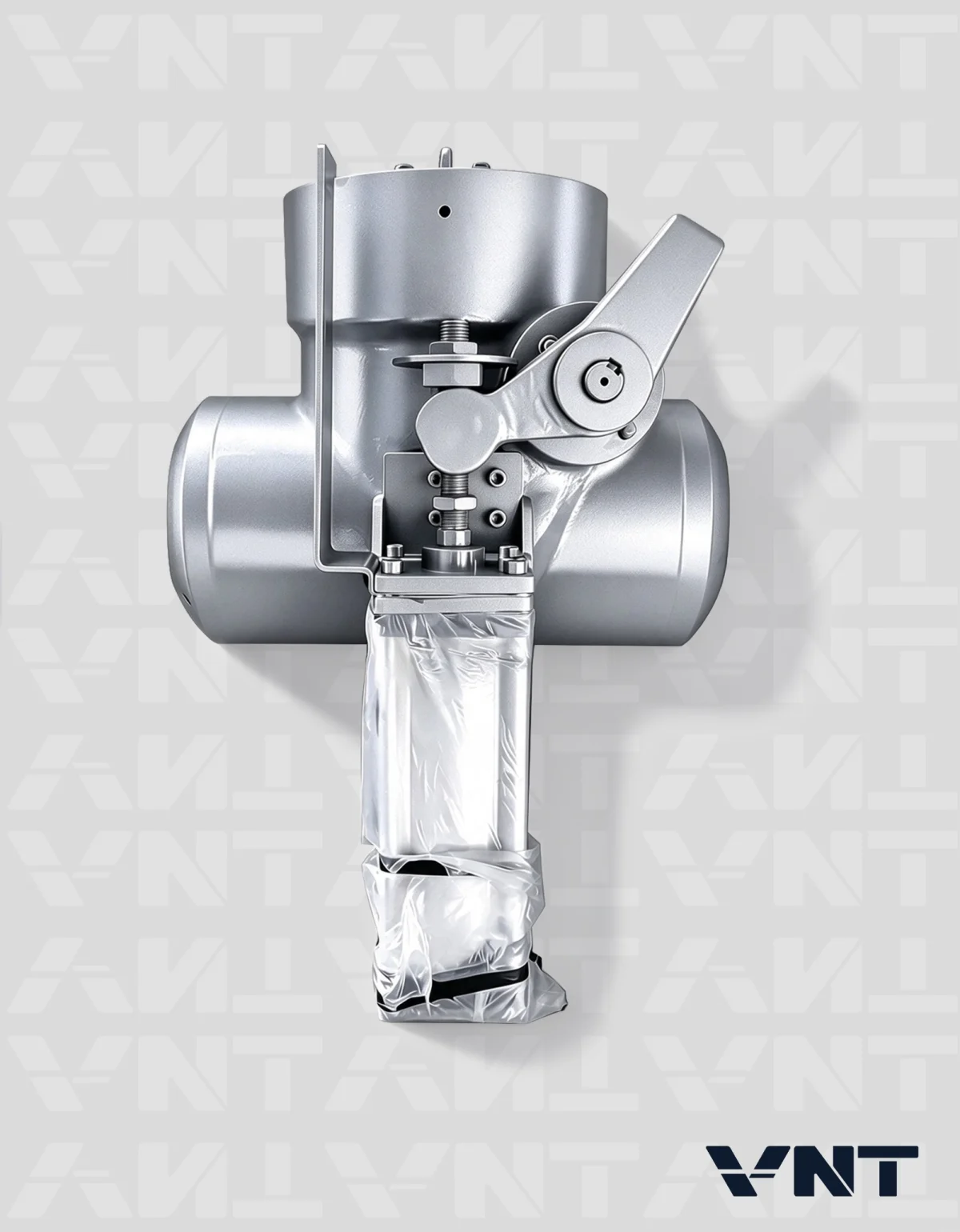
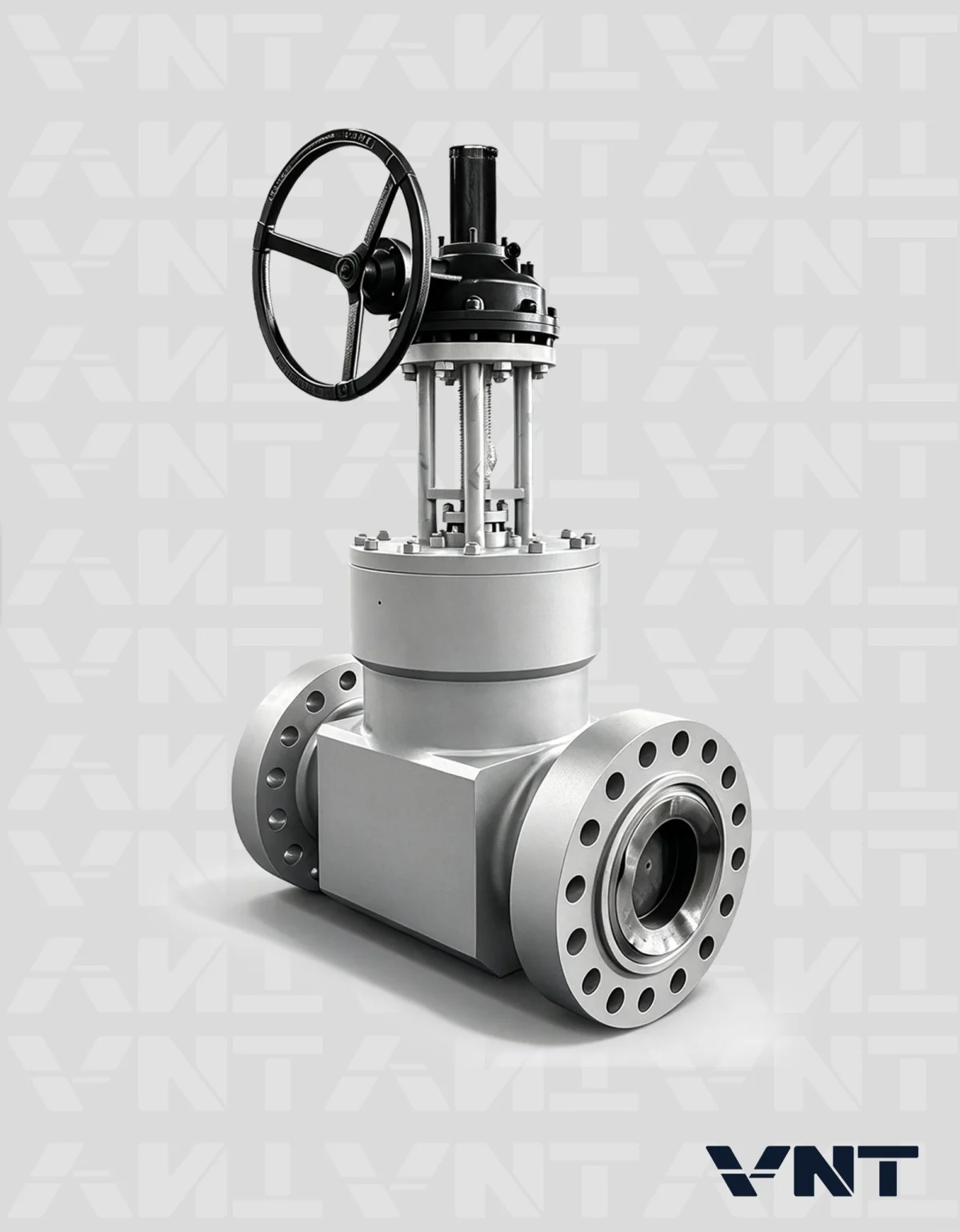
Related
Documents
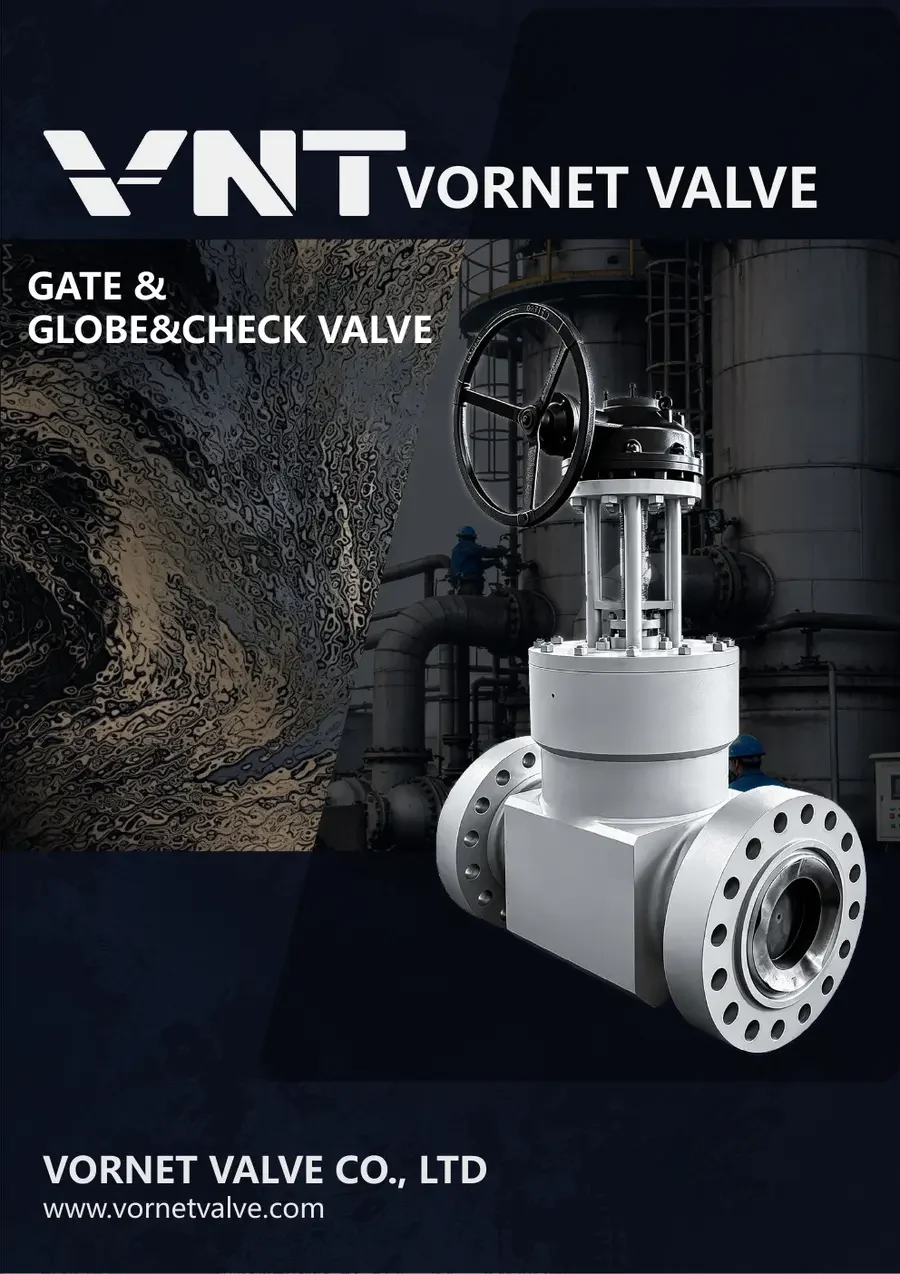
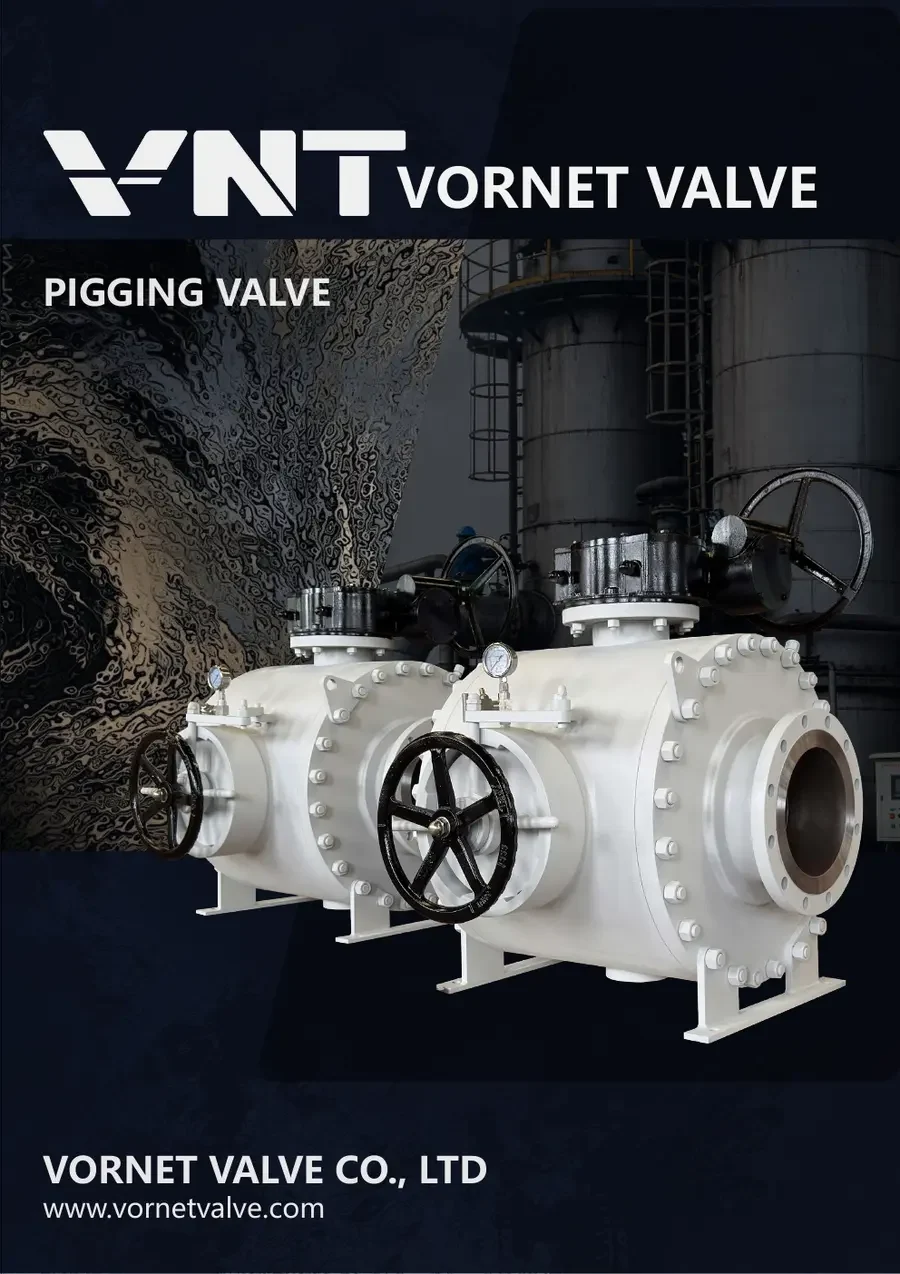
Download available Vornet valve catalogues for project review. For choke valve drawings and service-specific technical documents, contact our team.
Explore All Downloads ↗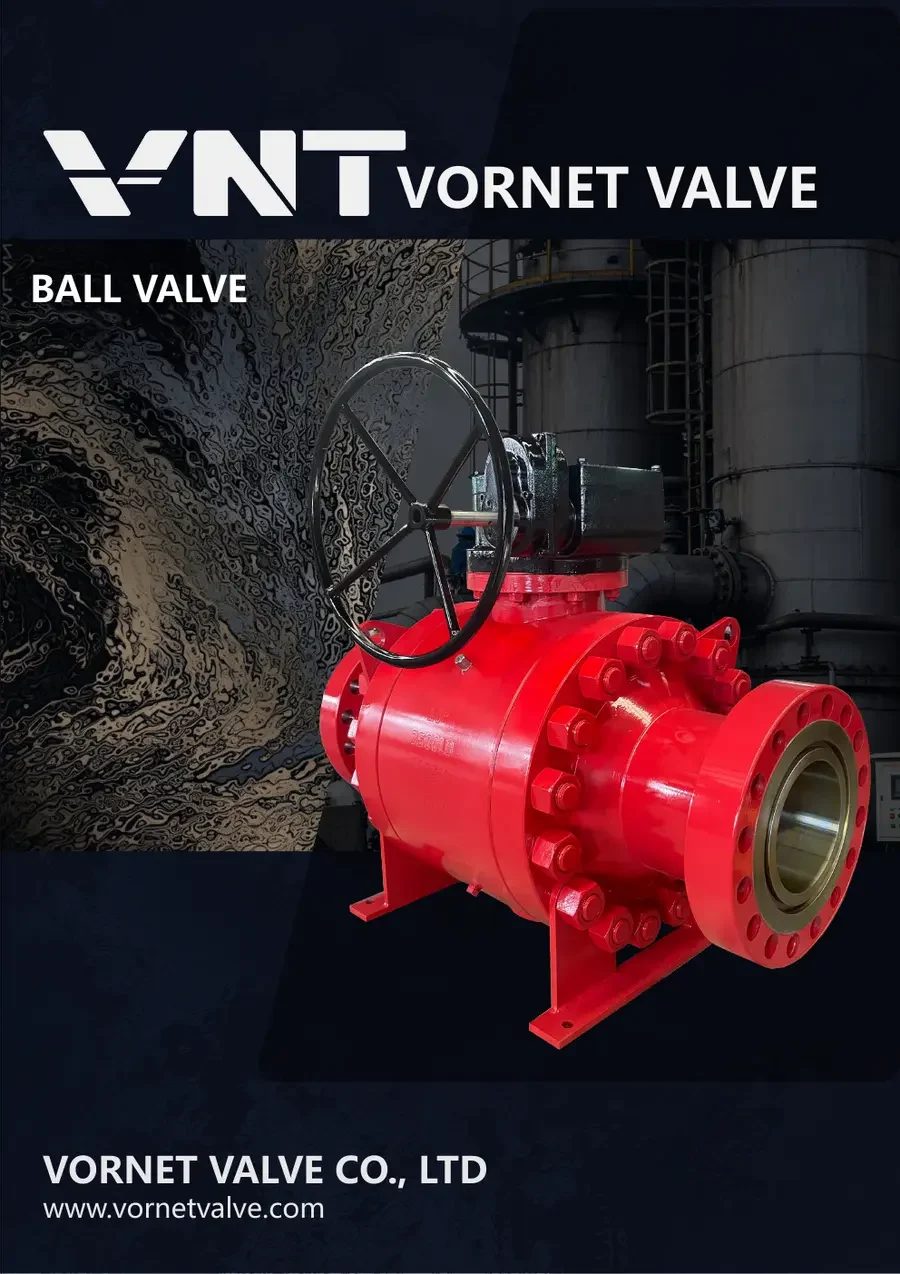
What is the difference between an industrial throttle valve and a choke valve?
Both restrict the flow passage to reduce pressure, but the duty differs. An industrial throttle valve is normally used to throttle process lines, steam or water where continuous pressure reduction and controllability matter. A choke valve is built for oil and gas wellhead, manifold and flowline service, where it must handle high pressure drops, abrasive solids or sand, and frequent trim adjustment. Specify the standard, pressure class and abrasive duty before choosing between them.
How do you size a throttle valve for a high pressure drop?
Size from the required Cv/Kv at each operating case, not from line size alone. Check the pressure drop, inlet pressure, fluid state (liquid, gas or flashing liquid), temperature and the resulting velocity through the trim. High pressure ratios can produce cavitation in liquids and choking or noise in gases, so trim geometry, number of stages and body material must be matched to the calculated conditions. Provide the full process data sheet for a sizing check.
What causes erosion on a throttle valve trim, and how is it reduced?
Erosion comes from high velocity across the narrowest passage, especially with sand, catalyst fines or other solids. Reduce it by lowering the velocity through the trim (larger body or multi-stage trim), selecting a hardened trim material such as tungsten carbide or stellite, and routing the flow so abrasive particles do not impinge directly on the seat and plug. Regular trim inspection and replaceable seat/plug design lower long-term maintenance cost.
Can a choke valve be used on steam or water service?
A choke valve built for oil and gas service is not automatically suitable for steam or clean water duties. Steam requires a design that accounts for high temperature, thermal expansion and noise; water service requires attention to cavitation and flashing. Confirm the pressure-temperature rating, trim material, seat leakage class and actuator sizing for the actual medium before ordering.
How does this choke valve regulate flow or pressure?
The adjustable choke changes the flow-passage area to regulate flow rate and the pressure drop across the valve.
Can the valve regulate both gases and liquids?
Gas and liquid duties are listed for this choke valve. Confirm the fluid properties, operating conditions and trim selection for the application.
Which operating methods are listed?
Manual and electric operation are listed. Select the operator for the required choke adjustment and control arrangement.
What process conditions should be reviewed?
Review the fluid, inlet and outlet pressures, flow range, temperature and solids content, together with the end connections, materials and actuation.
What information is needed for a quotation?
Submit the valve datasheet or specify the medium, inlet and outlet pressures, flow range, temperature, size, materials, connections, operator and quantity for technical review and quotation.