
International Valve Shipping Routes & Standard Practices for Damage-Free Global Delivery
📋 Key Takeaways
- Major valve shipping routes connect Asian manufacturing hubs to North American and European markets.
- Logistics planning must account for customs clearance, packaging standards, and lead-time variability.
- Sea freight remains the most cost-effective mode for bulk valve shipments over long distances.
- Proper documentation and compliance with international trade regulations prevent costly shipping delays.
Industrial valve export shipping: Industrial Valve Shipping Guide: Main International Shipping Routes for Global Valve Export
, This comprehensive industrial valve shipping guide covers packaging standards, export documentation, and damage prevention best practices for global valve logistics. Industrial valves are high-precision pressure-bearing industrial assets. Flange sealing surfaces, internal trim components, electric and pneumatic actuators are highly susceptible to salt fog corrosion, structural impact damage and operational malfunction during industrial valve shipping. Adopting region-compliant global logistics solutions and standardized cargo protection protocols is critical to seamless customs clearance, scheduled transit and damage-free arrival for valve consignments shipped to North America, Europe, Southeast Asia, the Middle East, Latin America and Africa. Site engineers, global project procurement managers and regional supply chain supervisors can select tailored cross-border shipping options based on valve dimension, gross weight, project lead time and local import regulations, mitigating mainstream logistics risks including flange abrasion, port detention, cargo missing, customs refusal and warehouse damp deterioration in global industrial valve shipping.
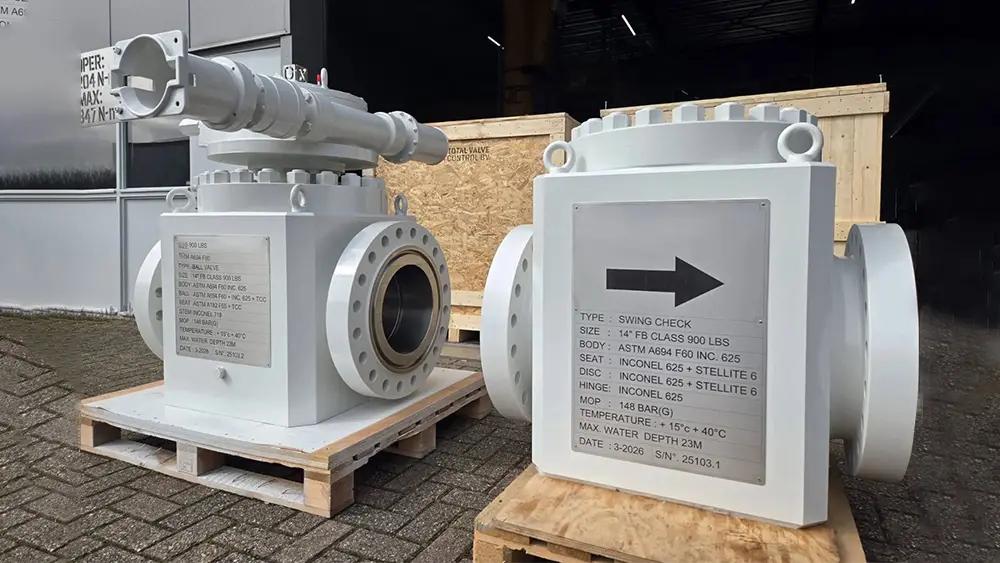
Fully drain hydrostatic test water, remove machining metal debris and surface greasy residue from valve internal cavities; apply marine-grade anti-rust coating on carbon steel and alloy valve exteriors; install full-coverage flange protectors to eliminate contact abrasion, a core pre-treatment step for safe industrial valve shipping. Lock valve discs at fixed closed positions to avoid internal component friction caused by bumpy cross-border transportation.
ISO Standard Seaworthy Export Packaging
, All wooden export crates shall comply with ISPM 15 global phytosanitary fumigation standards, the universal packaging standard for qualified industrial valve shipping. Sealed packaging is equipped with moisture absorbers and vapor corrosion inhibitor bags to resist ocean salt fog and high humidity. Heavy-duty valves adopt customized foam cushioning and metal bracing for structural reinforcement; standardized ISO 780 handling labels including Fragile, This Side Up and Corrosion Resistant shall be marked on two outer crate sides.
Whole-Process Loading & Transit Fixed Protection
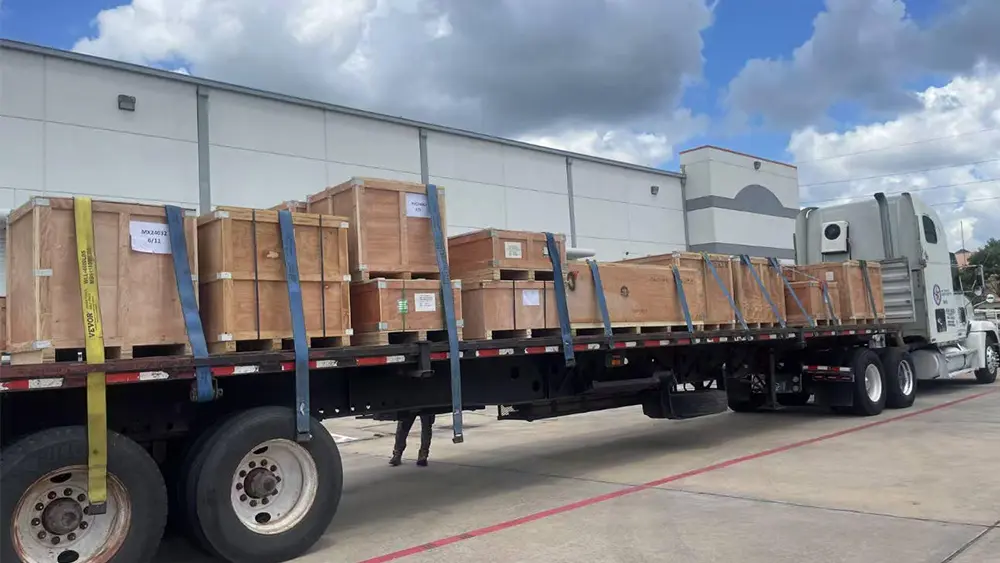
, Only soft woven lifting slings are allowed for valve hoisting; steel wire rope lifting is prohibited to prevent valve shell indentation and deformation during industrial valve shipping. Valves are stacked by weight classification inside shipping containers and fastened with anti-slip ratchet straps. Automated actuated control valves require independent storage zones to avoid compressive damage from stacked industrial cargo.
Complete Customs & Cargo Insurance Configuration
Prepare destination-customized export documents including valve material test certificates, factory hydrostatic test reports, packing lists and official commercial invoices to ensure smooth customs clearance for global industrial valve shipping. Purchase global all-risk cargo insurance covering collision damage, seawater immersion, theft and total loss. Verify local valve import policies, tariff standards and restricted specifications in advance to prevent port hold-up and customs seizure for regional project orders.
Destination Warehouse Handover Inspection Mechanism
Provide real-time container or shipment tracking codes for consignees for full visibility of industrial valve shipping progress; take comprehensive packaging photos before vessel departure for record filing. Joint unpacking inspection signed by logistics carriers and receiving teams is mandatory upon port arrival, enabling fast liability confirmation and efficient insurance claim processing once cargo damage occurs.
Conclusion
In conclusion, cross-border industrial valve shipping requires customized route planning based on valve specification, project delivery timeline and regional import rules. Standardized anti-damage packaging and full-coverage cargo insurance remain mandatory for all global valve shipments, securing stable, reliable delivery for long-term industrial cooperation and regional pipeline projects.
Major Valve Export Shipping Routes from China
| Route | Origin Port | Destination Region | Key Hub Ports | Transit Time | Best For |
|---|---|---|---|---|---|
| East China — North America West | Shanghai / Ningbo | USA West Coast, Canada | Long Beach, Los Angeles, Vancouver | 12-16 days | Standard valves, emergency orders |
| East China — North America East | Shanghai / Ningbo | USA East Coast, Gulf Coast | New York, Houston, Savannah | 25-30 days | Large orders, heavy gate/check valves |
| South China — Europe | Shenzhen / Guangzhou | Northern Europe, Mediterranean | Rotterdam, Hamburg, Antwerp, Algeciras | 22-28 days | API-compliant valves for EU projects |
| East China — Middle East | Shanghai / Ningbo | UAE, Saudi Arabia, Qatar | Jebel Ali, Dammam, Hamad | 14-18 days | Oil & gas valves, API 6A/6D |
| East China — Southeast Asia | Shanghai / Ningbo | Singapore, Malaysia, Indonesia, Thailand | Singapore, Port Klang, Tanjung Priok | 5-8 days | Short-lead valves, project fill-ins |
| East China — South America | Shanghai / Ningbo | Brazil, Chile, Argentina | Santos, Valparaíso, Buenos Aires | 30-40 days | Large-bore valves, mining valves |
| East China — Africa | Shanghai / Ningbo | South Africa, Nigeria, Kenya | Durban, Lagos, Mombasa | 18-35 days | Water & wastewater valves, infrastructure |
| East China — Oceania | Shanghai / Ningbo | Australia, New Zealand | Sydney, Melbourne, Auckland | 14-20 days | Mining valves, water treatment |
ISO Standard Export Packaging Comparison
| Packaging Type | Valve Size | Material | Protection Level | Typical Use |
|---|---|---|---|---|
| Plywood Case | NPS 1/2″ — 6″ | 9-15mm plywood, steel strapping | Standard | Small-bore valves, multiple units per case |
| Plywood Case (IPPC) | NPS 1/2″ — 12″ | Heat-treated plywood, fumigation certified | Standard + ISPM-15 | International shipments, EU/AU/NZ customs |
| Wooden Crate | NPS 8″ — 24″ | Timber frame + plywood panels | Heavy-duty | Medium to large valves, single units |
| Steel Frame Crate | NPS 24″ — 60″ | Steel angle frame + bolted panels | Extra heavy-duty | Large-bore valves, API 6D trunnion ball valves |
| Open Crate (weatherproof wrap) | Any size | Steel/wood frame + VCI film + waterproof tarp | Weather-resistant | Oversized valves, actuator-mounted assemblies |
| Sea-worthy Container (FCL) | All sizes | 20ft / 40ft dry container | Highest (containerized) | Bulk orders, consolidated shipments |
Valve Type vs Recommended Shipping Method
| Valve Type | Shipping Method | Packaging Priority | Special Consideration |
|---|---|---|---|
| Cast Steel Gate Valve | FCL or LCL sea freight | Wooden crate + foam padding | Bonnet bolts protection, flange face covers |
| Trunnion Ball Valve | Break-bulk or FCL | Steel frame crate + desiccant | Seal integrity check before packing, stem protector |
| Floating Ball Valve | LCL sea or air freight | Plywood case + individual foam cutout | Ball position verification (partial open for thermal expansion) |
| Globe Valve | LCL sea freight | Plywood case with internal bracing | Disc position locked, flow direction arrow visible on crate |
| Check Valve | LCL sea freight | Plywood case or wooden crate | Hinge pin secured, disc blocked in open position |
| Large Gate/Check Valve (>NPS 24″) | Break-bulk or FCL | Open steel crate + heavy-duty lashing | Spreaders required for lifting, rubber gasket protection |
| Small Instrument Valve | Air freight / express | Cardboard carton + foam inlay | Thread protector caps, separate tool kit |
| Actuator-Mounted Assembly | FCL sea or break-bulk | Weatherproof open crate + actuator covered | Actuator junction box sealed, conduit plugs installed |
Frequently Asked Questions
Q1: Which shipping method is the most cost-effective for bulk industrial valve export?
A1: Ocean FCL/LCL freight delivers the lowest unit shipping cost for bulk standard cast iron, steel and stainless steel valves. FCL is better for orders above 15CBM, while LCL fits mixed small-batch valve procurement for multiple regional industrial sites.
Q2: What core export documents are required for customs clearance of overseas valves?
A2: Mandatory documents include commercial invoice, packing list, bill of lading, valve material certificate, factory pressure test report and certificate of origin. Special alloy or cryogenic valves need extra product specification declarations for EU, US and Middle East customs clearance.
Q3: How to prevent flange corrosion and breakage during long-sea valve shipment?
A3: Adopt three protective measures: install dedicated plastic flange caps, apply marine anti-rust oil on bare metal surfaces, and place desiccant + anti-corrosion bags inside ISPM15 fumigated wooden crates. Heavy valves need outer steel frame bracing for anti-collision protection.
Q4: What is the standard transit time for valves shipped to mainstream global regions?
A4: Sea freight: 18-32 days to EU/US ports, 5-12 days to Southeast Asia ports; Air freight: 3-7 working days for global urgent valve parts; Breakbulk shipping: 30-45 days for oversized heavy-duty valves.
Q5: Can customized special valves be shipped to high-standard industrial countries?
A5: Yes. Custom corrosive-resistant, high-temperature and cryogenic valves can be exported, provided all material reports and test documents meet API, CE and local industrial pipeline admission standards before shipment.
Need industrial valve shipping support for your upcoming project? Contact Vornet Valve for customized export logistics and packaging solutions tailored to your valve specifications and destination requirements.
• Importing Valves from China Guide
• API 602 Gate Valve Guide
• Ball Valve Selection Guide