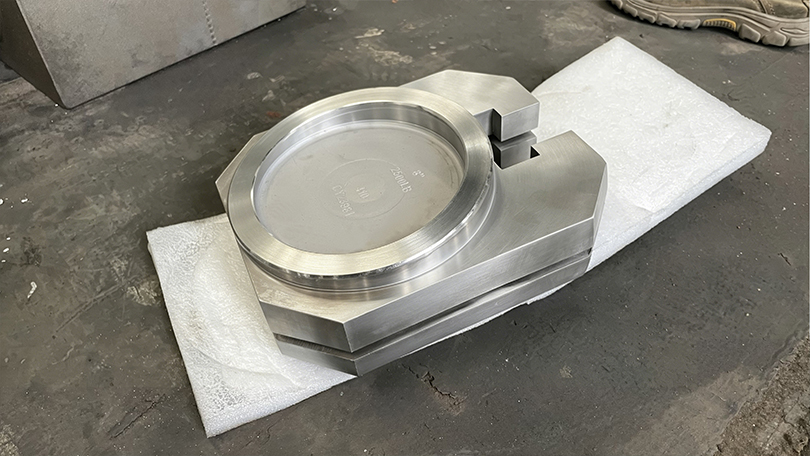
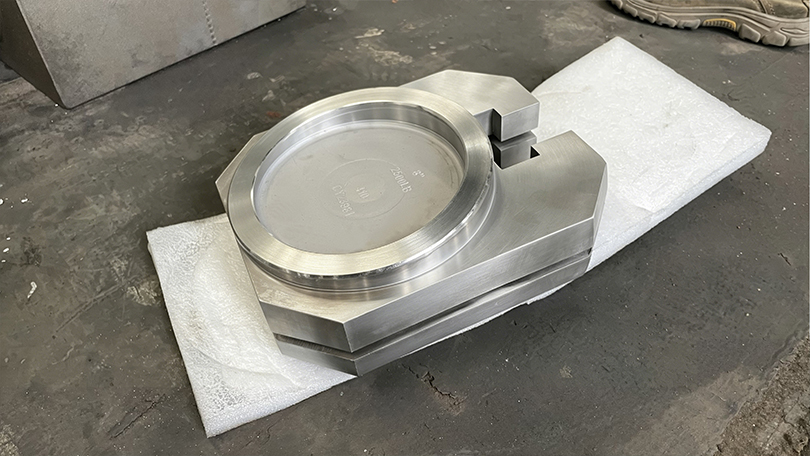
What Are Valve Trim Materials?
Valve trim materials directly determine sealing performance, corrosion resistance, and wear life in demanding applications. This guide covers seat materials (PTFE, PEEK, metal), hardfacing alloys (Stellite, Colmonoy), seal/gasket materials, and a step-by-step selection framework for industrial valves.
📋 Key Takeaways
- Valve trim materials directly determine sealing performance, corrosion resistance, and wear life in demanding applications.
- Stellite hard-facing provides exceptional erosion resistance for valve seats and discs in high-velocity steam services.
- 316 stainless steel and Monel trim options offer superior corrosion resistance for chemical and marine environments.
- Trim material selection must account for fluid chemistry, operating temperature, and galvanic corrosion potential between components.
Valve trim refers to the internal components of a valve that come into direct contact with the process fluid. Additionally, The trim typically includes the seat, sealing surfaces, disc/ball, stem, and any hardfacing applied to wear-prone areas. Selecting the right valve trim materials is essential for ensuring long service life, reliable sealing, and compliance with process conditions such as temperature, pressure, corrosion, and abrasion.
This guide covers the most common valve trim materials — seat materials, seal materials, and hardfacing alloys — with their temperature limits, pressure ratings, and recommended applications.
For example, For a broader overview, see our Industrial Valve Materials and Trim Selection Guide.
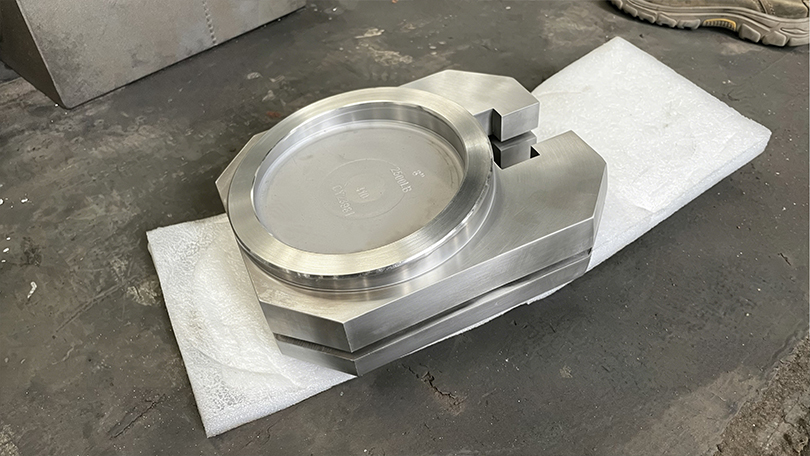
What Is Included in Valve Trim?
The term “trim” covers the following internal components:
- Seats — the mating surfaces that create the seal when the valve is closed
- Seals / Gaskets — static sealing elements between body and bonnet, or stem seals
- Disc / Ball / Wedge — the closure member that blocks flow
- Stem — the shaft connecting the actuator/handle to the closure member
- Hardfacing — wear-resistant alloy overlays applied to seats or closure surfaces
- Bushings / Bearings — support components that reduce friction
Each component must be selected to withstand the process fluid’s chemical composition, temperature, pressure, and flow characteristics.
Valve Seat Materials
The seat is the most critical trim component. It determines the valve’s sealing performance, temperature range, and chemical compatibility.
| Material | Max Temp (°F) | Max Temp (°C) | Key Characteristics | Typical Applications |
|---|---|---|---|---|
| PTFE (Teflon) | 450°F | 232°C | Excellent chemical resistance, low friction, bubble-tight seal | Chemical processing, general industrial |
| RPTFE (Glass-Filled PTFE) | 500°F | 260°C | Higher strength and wear resistance than PTFE; reduced cold flow | Steam, higher-pressure services |
| PEEK | 500°F | 260°C | High mechanical strength, excellent wear and creep resistance | High-pressure, high-cycling applications |
| Nylon | 250°F | 120°C | Good wear resistance, lower cost, suitable for low-temperature applications | Water, air, hydraulic systems |
| Devolite® (PCTFE) | 400°F | 204°C | Superior chemical resistance, low permeability to gases | Cryogenic, chlorine, aggressive chemicals |
| Metal (Stellite / SS) | 1200°F+ | 650°C+ | High-temperature capability, fire-safe, excellent wear resistance | Steam, hydrocarbons, high-temp processes |
PTFE and RPTFE Seats
PTFE (polytetrafluoroethylene) is the most widely used soft seat material. Notably, It offers exceptional chemical resistance — it is inert to almost all industrial chemicals — and a very low coefficient of friction. PTFE seats provide bubble-tight shut-off at moderate temperatures and pressures.
RPTFE (reinforced PTFE) incorporates glass, carbon, or other fillers to improve dimensional stability and reduce cold flow (creep) under pressure. RPTFE seats can handle higher pressures and temperatures than virgin PTFE, making them suitable for steam service up to 500°F.
PEEK Seats
PEEK (polyetheretherketone) is a high-performance engineering thermoplastic that combines excellent mechanical strength with good chemical resistance. PEEK seats are ideal for high-pressure, high-cycling applications where PTFE would deform or wear quickly. PEEK maintains its properties up to 500°F and offers superior creep and wear resistance.
Nylon Seats
Nylon seats offer good wear resistance at a lower cost. They are suitable for low-temperature services such as water, air, and hydraulic systems. Nylon is not recommended for aggressive chemicals or high-temperature applications.
Devolite (PCTFE) Seats
Devolite is a brand name for PCTFE (polychlorotrifluoroethylene). It offers superior chemical resistance to PTFE with extremely low gas permeability. It is particularly well-suited for cryogenic service and applications involving chlorine or other aggressive gases.
Metal Seats (Stellite, Stainless Steel)
Metal seats are used when temperatures exceed the limits of soft materials, or when fire-safe design is required. Common metal seat materials include Stellite (cobalt-chromium alloy), 316 stainless steel, and 17-4PH hardened stainless steel. Metal seats can handle extreme temperatures (1200°F+) and abrasive services, but they do not provide the same bubble-tight shut-off as soft seats at low pressures.
Hardfacing Materials
Hardfacing is the application of a wear-resistant alloy overlay to the seating surfaces or closure member of a valve. This extends service life in abrasive, erosive, or high-temperature services.
| Hardfacing Alloy | Hardness (HRC) | Max Temp (°F) | Key Characteristics |
|---|---|---|---|
| Stellite 6 | 38-43 | 1500°F | Excellent all-round wear and corrosion resistance; most common hardfacing |
| Stellite 21 | 28-35 | 1300°F | Tougher than Stellite 6; good thermal shock resistance |
| Colmonoy 5 | 45-55 | 1100°F | Higher hardness; excellent abrasion resistance |
| Colmonoy 6 | 56-62 | 1100°F | Very high hardness; extreme abrasion resistance |
Stellite Hardfacing
Stellite is a cobalt-chromium alloy family that combines excellent wear resistance with good corrosion resistance at high temperatures. Stellite 6 is the most commonly specified hardfacing alloy for valve seats. It resists galling, erosion, and corrosion up to 1500°F. Stellite 21 offers improved toughness and thermal shock resistance, making it suitable for steam and thermal cycling applications.
Colmonoy Hardfacing
Colmonoy is a nickel-chromium-boron alloy family that provides very high hardness (up to 62 HRC). It offers superior abrasion resistance compared to Stellite, making it ideal for services with sand, particulates, or other erosive media. However, its corrosion resistance is lower than Stellite in some chemical environments.
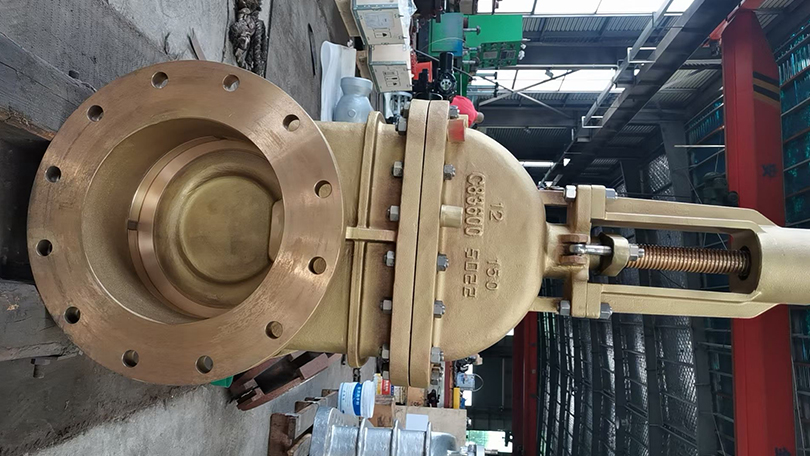
Seal and Gasket Materials
Static seals and gaskets between the body and bonnet, as well as stem seals, must be selected for process compatibility.
- Graphite — Excellent temperature range (-400°F to 1200°F), good chemical resistance, commonly used for high-temperature stem packing and gaskets
- PTFE — Wide chemical compatibility, low friction, limited to 450°F
- Spiral Wound Gaskets — Graphite or PTFE filler wound with stainless steel, used for body-bonnet joints in high-pressure classes
Selecting the Right Valve Trim Materials
Follow these steps when specifying trim materials for a new valve:
- Determine maximum operating temperature — this is the primary constraint. Soft seats are limited to 500°F maximum.
- Assess chemical compatibility — refer to published chemical resistance charts for each seat material against the process fluid(s).
- Consider pressure class — higher pressure classes may require reinforced (RPTFE, PEEK) or metal seats.
- Evaluate abrasion/erosion potential — if the fluid contains particulates, specify Stellite or Colmonoy hardfacing.
- Check cycling frequency — high cycling favours PEEK or metal seats over PTFE.
- Confirm fire-safe requirements — if fire-safe certification is needed, metal seats are essential.
Frequently Asked Questions
Q1: What is the most common valve seat material?
PTFE (Teflon) is the most common soft seat material due to its excellent chemical resistance, low friction, and ability to provide bubble-tight shut-off at moderate temperatures and pressures.
Q2: What temperature can PTFE valve seats handle?
Virgin PTFE is rated to approximately 450°F (232°C). RPTFE (glass-filled PTFE) can handle up to 500°F (260°C). For higher temperatures, PEEK (500°F) or metal seats (1200°F+) are required.
Q3: What is Stellite and why is it used in valves?
Stellite is a cobalt-chromium alloy used for hardfacing valve seating surfaces. It provides excellent wear resistance, galling resistance, and corrosion resistance at high temperatures, extending valve service life in demanding applications.
Q4: Are metal seat valves better than soft seat valves?
Neither is universally better. Specifically, Soft seat valves (PTFE, PEEK) provide bubble-tight shut-off but are temperature-limited. Metal seat valves handle extreme temperatures and fire-safe requirements but may have some leakage at low differential pressures. The choice depends on the specific application parameters.
Q5: What is the difference between Stellite 6 and Stellite 21?
Stellite 6 has higher hardness (38-43 HRC) and is the most common choice for general valve hardfacing. Stellite 21 is slightly softer (28-35 HRC) but offers better toughness and thermal shock resistance, making it preferred for steam service and applications with rapid temperature changes.
Conclusion
Selecting the correct valve trim materials is one of the most important decisions in valve procurement. However, The right combination of seat material, hardfacing alloy, and seal material ensures reliable performance, long service life, and compliance with process conditions. Always consult the manufacturer’s material temperature and pressure ratings, and verify chemical compatibility before final selection.
For a comprehensive reference on valve materials and trim equivalents, consult our Valve Materials and Trim Selection Guide.
• Valve Material Selection Guide
• How to Read Valve Nameplate Markings
• Hastelloy vs Titanium Valve Comparison
Need Help Selecting Valve Trim Materials?
Vornet Valve manufactures gate, globe, check, ball, and control valves with all standard API trims. Contact our engineering team for material selection assistance.