
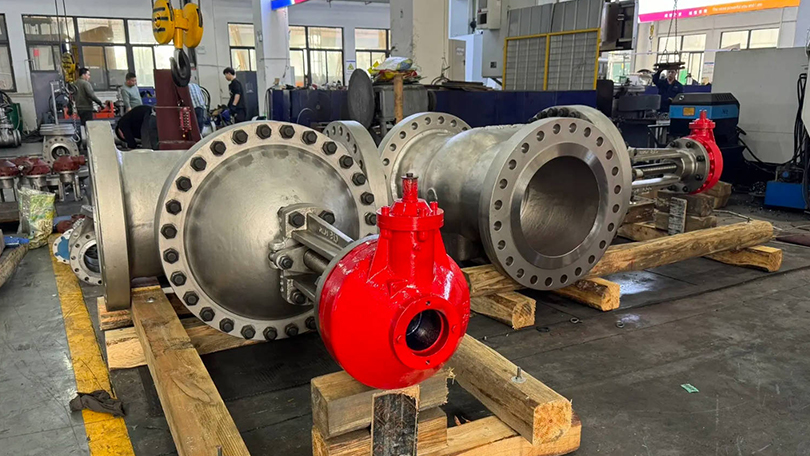
Hastelloy vs Titanium Valve: Core Material Property Comparison — Corrosion Resistant Valve Materials
📋 Key Takeaways
- Hastelloy offers superior corrosion resistance in highly acidic and chloride-rich chemical environments.
- Titanium provides excellent strength-to-weight ratio and outstanding resistance to seawater corrosion.
- Hastelloy valves excel in chemical processing; titanium valves suit marine and desalination applications.
- Cost comparison and expected service life are decisive factors between these two premium alloys.
Therefore, This hastelloy vs titanium valve comparison guide covers hastelloy valves and titanium valves are two mainstream anti-corrosion alloy valves widely applied in chemical, pharmaceutical, petrochemical, marine engineering and other harsh corrosive process piping industries. For international B2B industrial valve buyers and EPC project procurement teams, selecting the appropriate anti-corrosion alloy valve directly impacts system safety, maintenance cost and total pipeline lifecycle. This article provides a professional corrosion resistance comparison to help global industrial buyers make informed Hastelloy vs titanium valve selection decisions.
However, Hastelloy is a premium nickel-chromium-molybdenum based nickel alloy engineered for extreme corrosive environments. Featuring high nickel content, it delivers outstanding resistance to reducing acid, high-temperature mixed acid, pitting and crevice corrosion. Hastelloy valve bodies and internal trim are integrally manufactured from Hastelloy C276, C22 or B2 alloy series.
Therefore, Key corrosion advantages of Hastelloy valves:
- Excellent resistance to hydrochloric acid, dilute sulfuric acid and wet hydrogen chloride gas under all concentration and temperature ranges
- Superior pitting and crevice corrosion resistance in high-temperature high-chloride environments (FeCl₃, seawater, brine)
- Stable passivation in mixed acid (nitric-hydrofluoric, sulfuric-phosphoric mixed medium) without selective corrosion
- No sensitization and intergranular attack in as-welded condition, suitable for complex on-site welding
2. Core Material Property & Corrosion Advantage: Titanium Alloy Valve — Hastelloy vs titanium
Furthermore, The corrosion resistance of titanium valves relies on a dense, self-repairing TiO₂ passivation film formed on the titanium alloy surface. This oxide film has extremely high chemical stability and regenerates instantly even if mechanically scratched, delivering lifelong anti-corrosion performance for titanium alloy valves.
However, Key corrosion advantages of titanium valves:
- Immune to all concentrations of nitric acid corrosion — the optimal valve material for nitric acid production and storage pipelines
- Complete resistance to wet chlorine gas, hypochlorite and chlorate media — zero corrosion attack
- Outstanding seawater corrosion resistance — ultra-low salt spray corrosion rate, optimal for marine engineering, ship piping and offshore platform valves
- Low density (4.5 g/cm³) with high specific strength — same valve weight is roughly 40% lighter than Hastelloy, ideal for weight-sensitive applications
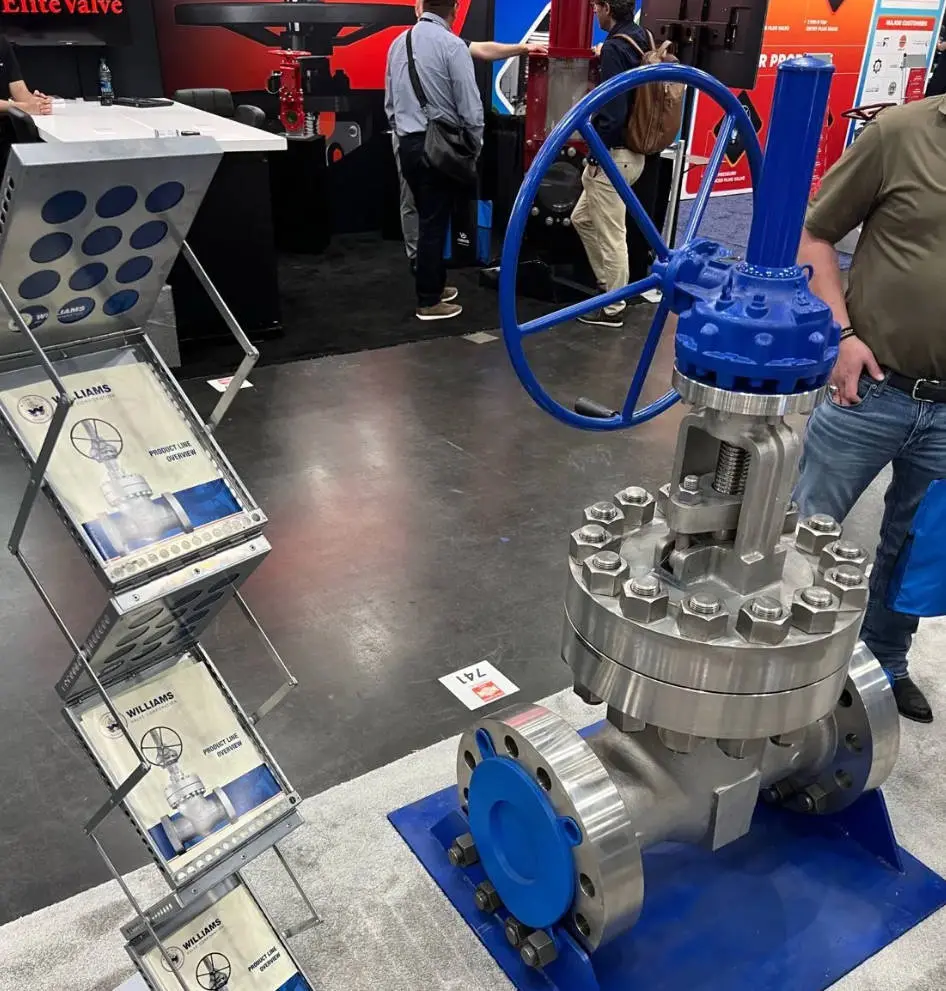
3. Direct Corrosive Working Condition Comparison: Which Valve To Choose? — Hastelloy vs titanium
3.1 Preferred Hastelloy Valve
Therefore, Reducing acid medium, high-temperature mixed corrosive fluid, high-chloride mixed harsh piping environment; ideal for chemical reactor discharge pipelines, acid regeneration units, flue gas desulfurization slurry circulation and high-temperature acid gas quenching systems.
3.2 Preferred Titanium Alloy Valve
Furthermore, Concentrated nitric acid, wet chlorine, seawater, room-temperature single oxidizing corrosive medium; optimal for offshore platform seawater cooling, desalination brine, nitric acid production storage and chlor-alkali wet chlorine pipelines.
3.3 Universal Application Taboo
Both Hastelloy valves and titanium valves are not applicable for any hydrofluoric acid contained working conditions. For HF-containing media, Monel 400 or Alloy 20 valves are the recommended alternatives.
4. Final Selection Conclusion for B2B Industrial Buyers
The Hastelloy alloy valve acts as an all-round anti-corrosion valve for diversified mixed corrosive conditions, while the titanium alloy valve serves as the specialized optimal solution for nitric acid, wet chlorine and seawater single-medium environments. Professional international B2B valve procurement teams shall evaluate actual process medium composition, operating temperature range and chloride concentration before final anti-corrosion alloy valve selection.
Frequently Asked Questions
Q1: Which is more corrosion resistant, Hastelloy valve or titanium valve?
There is no absolute better one. Hastelloy valves outperform in reducing acid, high-temperature mixed corrosion and chloride-induced pitting environments. Titanium valves are superior in concentrated nitric acid, wet chlorine and seawater oxidation service. Selection must be based on actual process medium conditions.
Q2: Can Hastelloy and titanium valves resist hydrofluoric acid?
No. Neither Hastelloy alloy valves nor titanium alloy valves can withstand hydrofluoric acid erosion. We provide super austenitic stainless steel and Monel alloy valve alternatives for HF-containing working conditions.
Q3: What are the main application scenarios of Hastelloy C276 valve?
Hastelloy C276 valves apply to hydrochloric acid, dilute sulfuric acid, high-temperature mixed acid and wet chlorine pipelines in chemical, pharmaceutical and FGD industries. They also serve acidic chloride brine and high-temperature organic acid process piping.
Q4: Why choose titanium valve for marine engineering piping?
Titanium valves feature low density, high strength and excellent seawater corrosion resistance, with ultra-low salt spray corrosion rate. They are the preferred choice for offshore platform seawater systems, ship ballast piping and desalination plants.
Q5: What B2B valve services are available for corrosive chemical pipelines?
Qualified alloy valve manufacturer offers one-stop service: free corrosion condition evaluation, technical quotation, alloy grade customization, bulk procurement, anti-corrosion pipeline retrofitting and cross-border OEM manufacturing.
Q6: What medium suits high-temperature Hastelloy C276 valve operation?
Hastelloy C276 valves stably serve 0–450℃ high-temperature mixed acid, wet chlorine and acidic chloride mixed medium. Its outstanding high-temperature oxidation resistance makes it the premier nickel alloy valve for high-temperature corrosive pipelines.
Q7: Why titanium valve is forbidden for 100℃+ dry chlorine piping?
High-temperature dry chlorine will destroy titanium surface TiO₂ passivation film, triggering rapid crevice corrosion and even pyrophoric reaction. Dry chlorine pipelines must use Hastelloy C276 or Monel 400 valves instead.
Q8: Can I get customized alloy valve for special corrosive working conditions?
Yes. We provide full customized service: alloy grade adjustment, pressure caliber modification, anti-corrosion structure optimization, special end connection design and matched actuator integration for unique corrosive process requirements. All material grades reference ASTM International standards.
For inquiries about Hastelloy or titanium alloy valve selection, technical quotation or custom manufacturing, contact our engineering team.
• Valve Trim Materials Chart
• Valve Material Selection Guide
• Ball Valve Selection Guide