
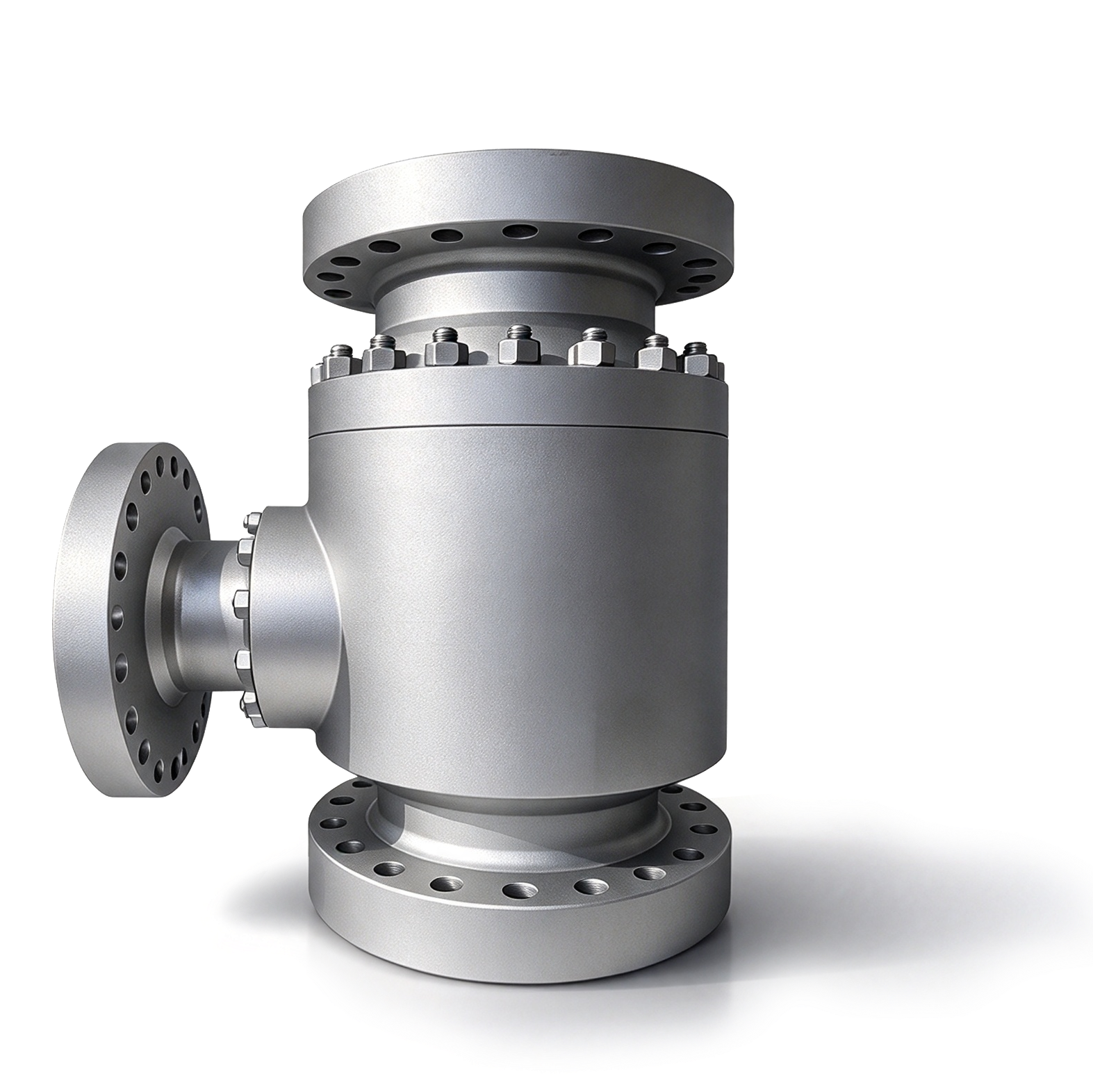
Automatic Recirculation Valve for Pump Protection
| Size Range | 1 1/4″ – 12″ (DN50 – DN300) |
|---|---|
| Pressure Rating | Class 125 – 1500 (PN10 – PN1500) |
| Body Material | Carbon steel, stainless steel, etc. |
| Connection Type | Flanged |
| Operation | Automatic |
| Standard | ASME B16.34 |
| Service Temperature | −10°C to 200°C |
- Valve Type
- Pump protection valve / automatic recirculation valve
- Nominal Size
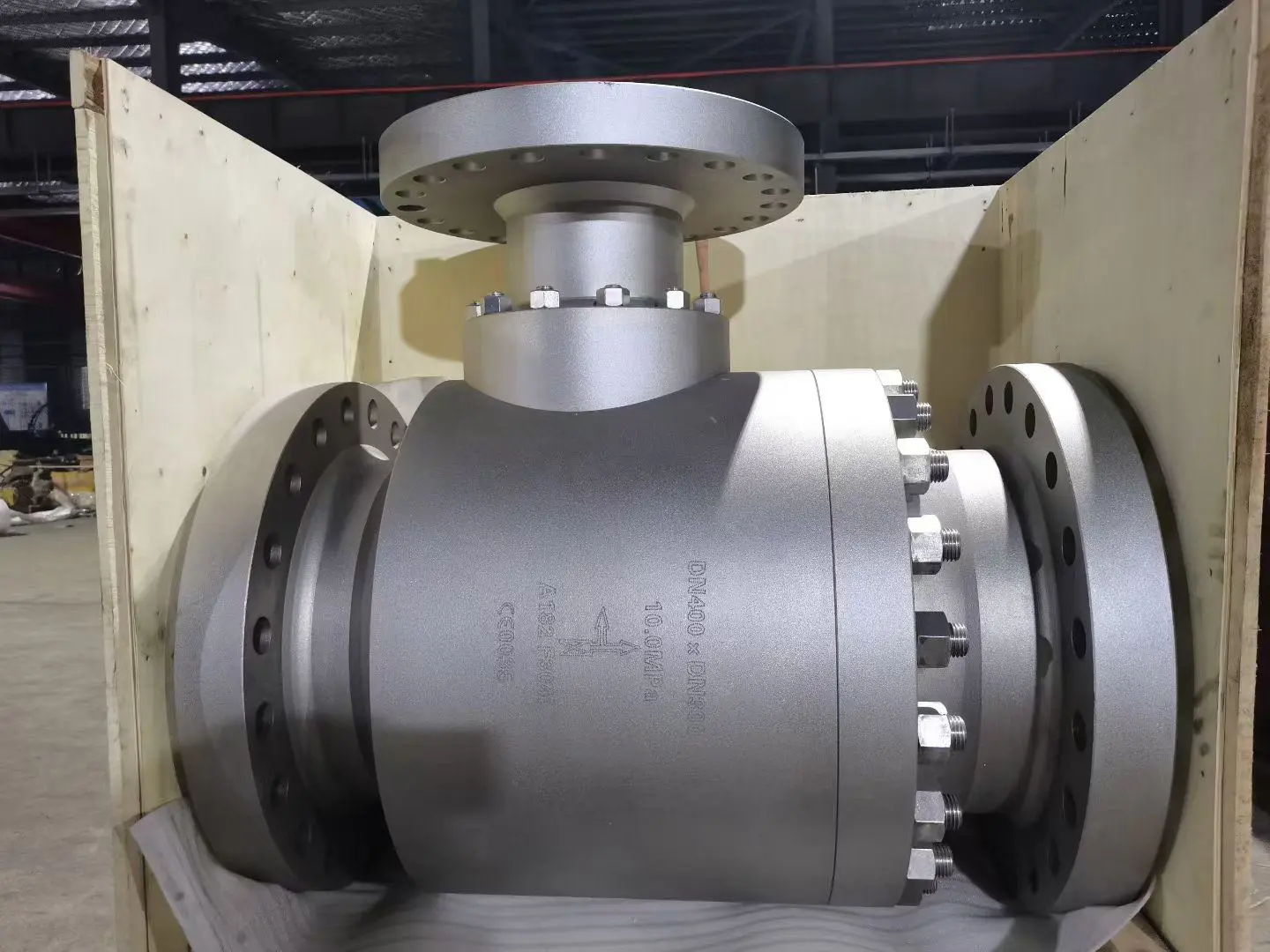
- DN400 × DN300
- Pressure Rating
- PN100
- Body Material
- F304 stainless steel
- Connection
- Flanged
- Function
- Minimum-flow protection for centrifugal pumps
- Country / Industry
- China / Power generation (pump protection)
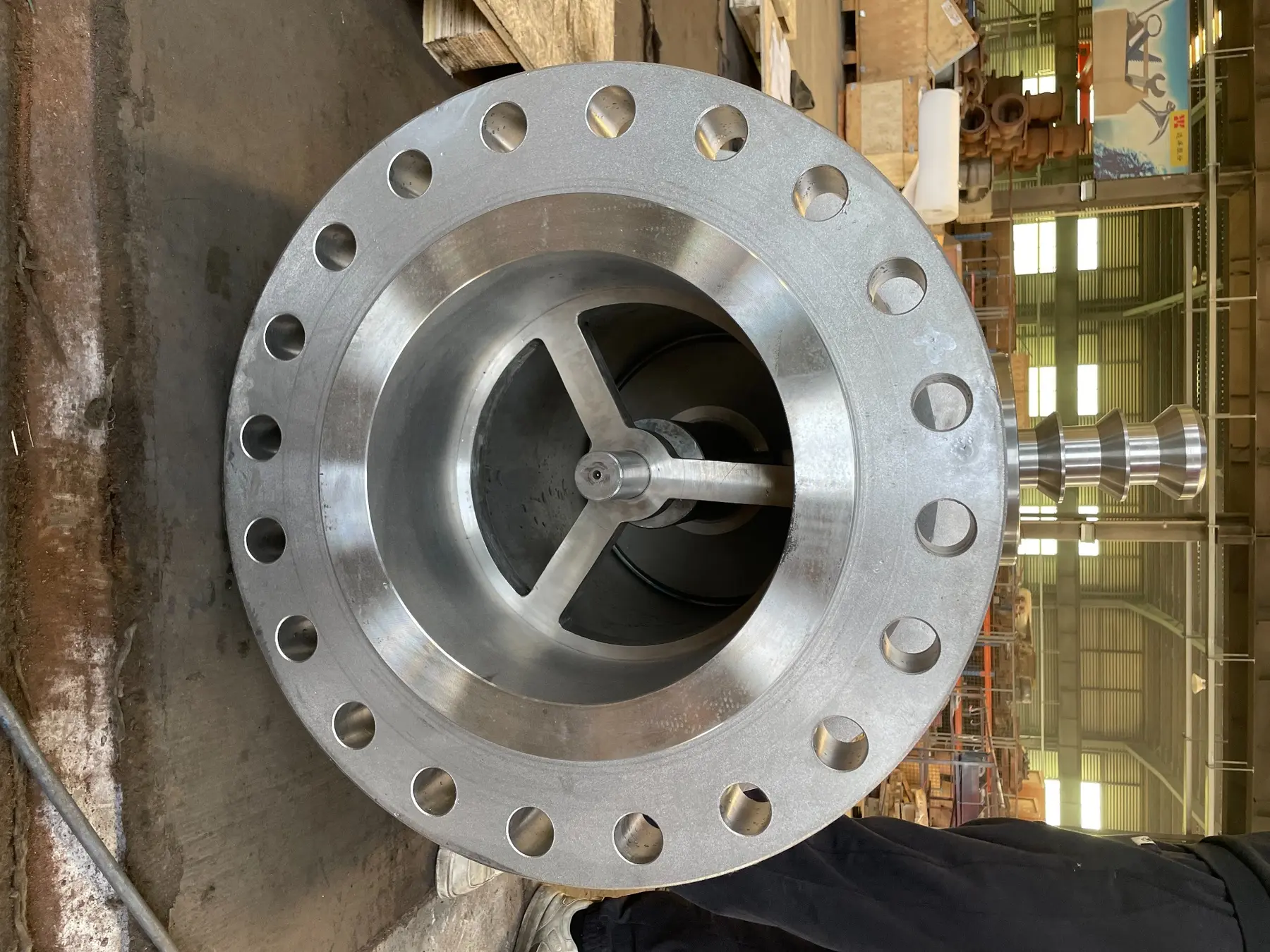
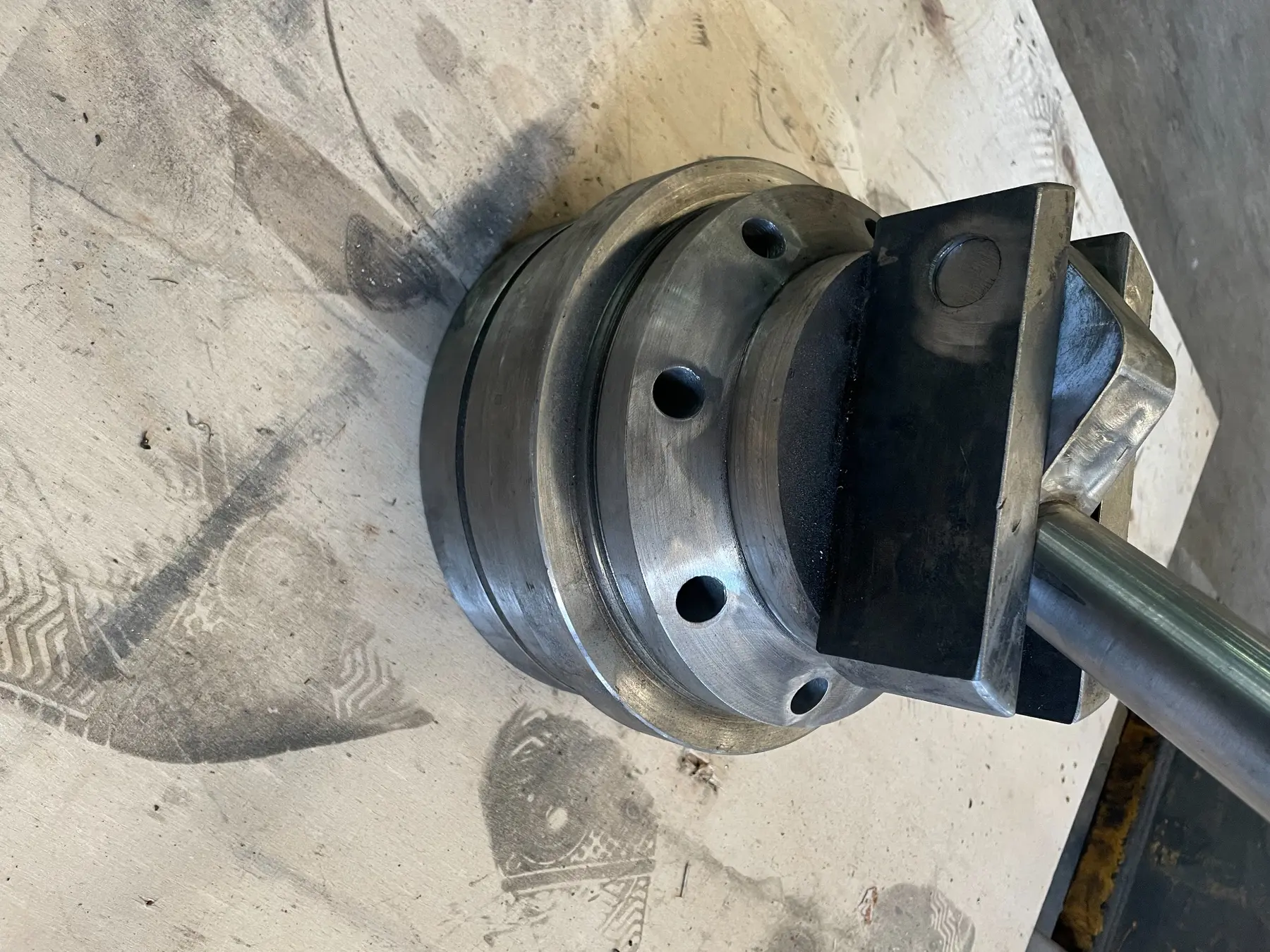
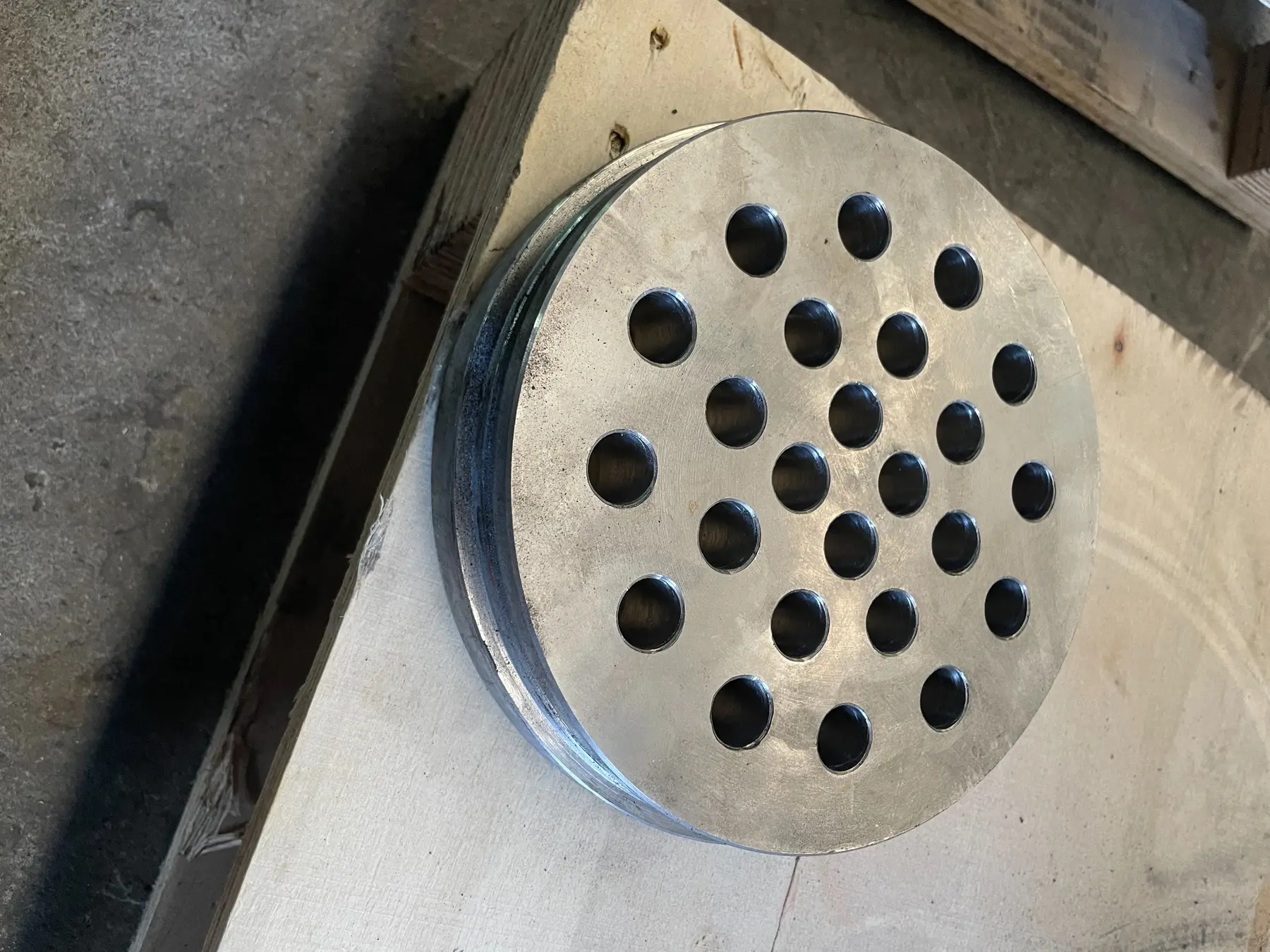
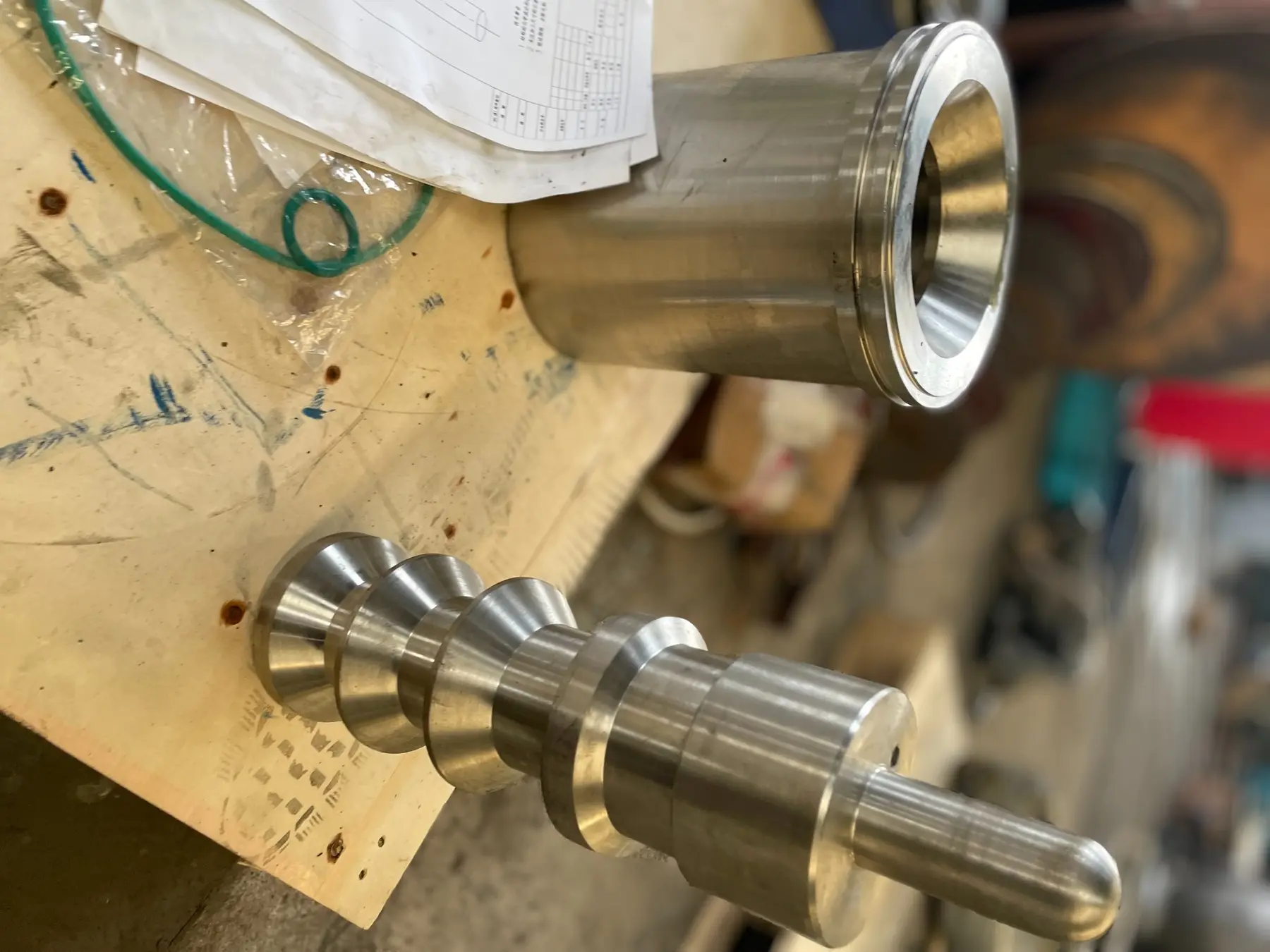
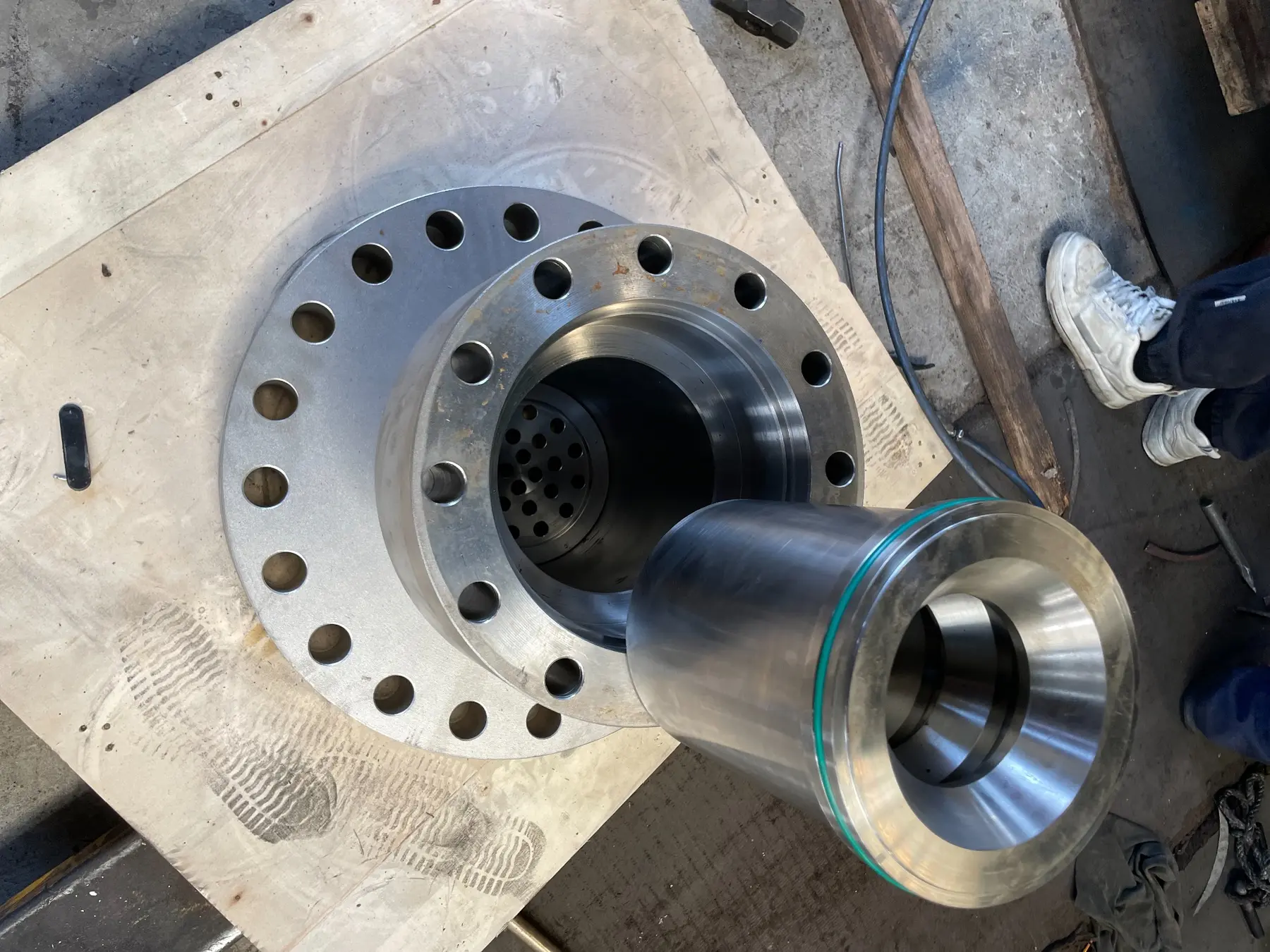
Features & Benefits
Developed for high-pressure centrifugal pump protection. Popular applications include boiler feed water, petroleum, and steel mill hot strip descale water.
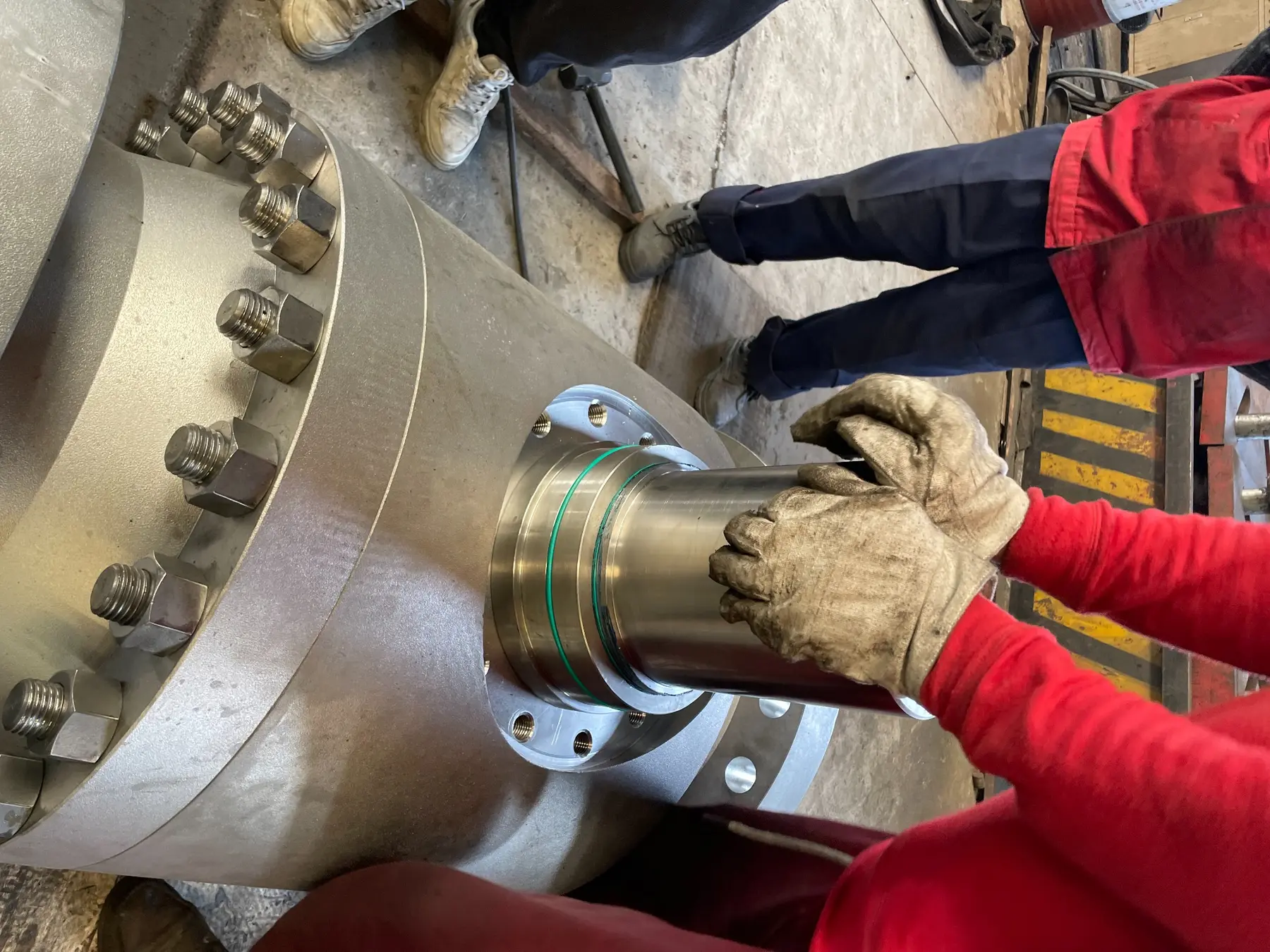
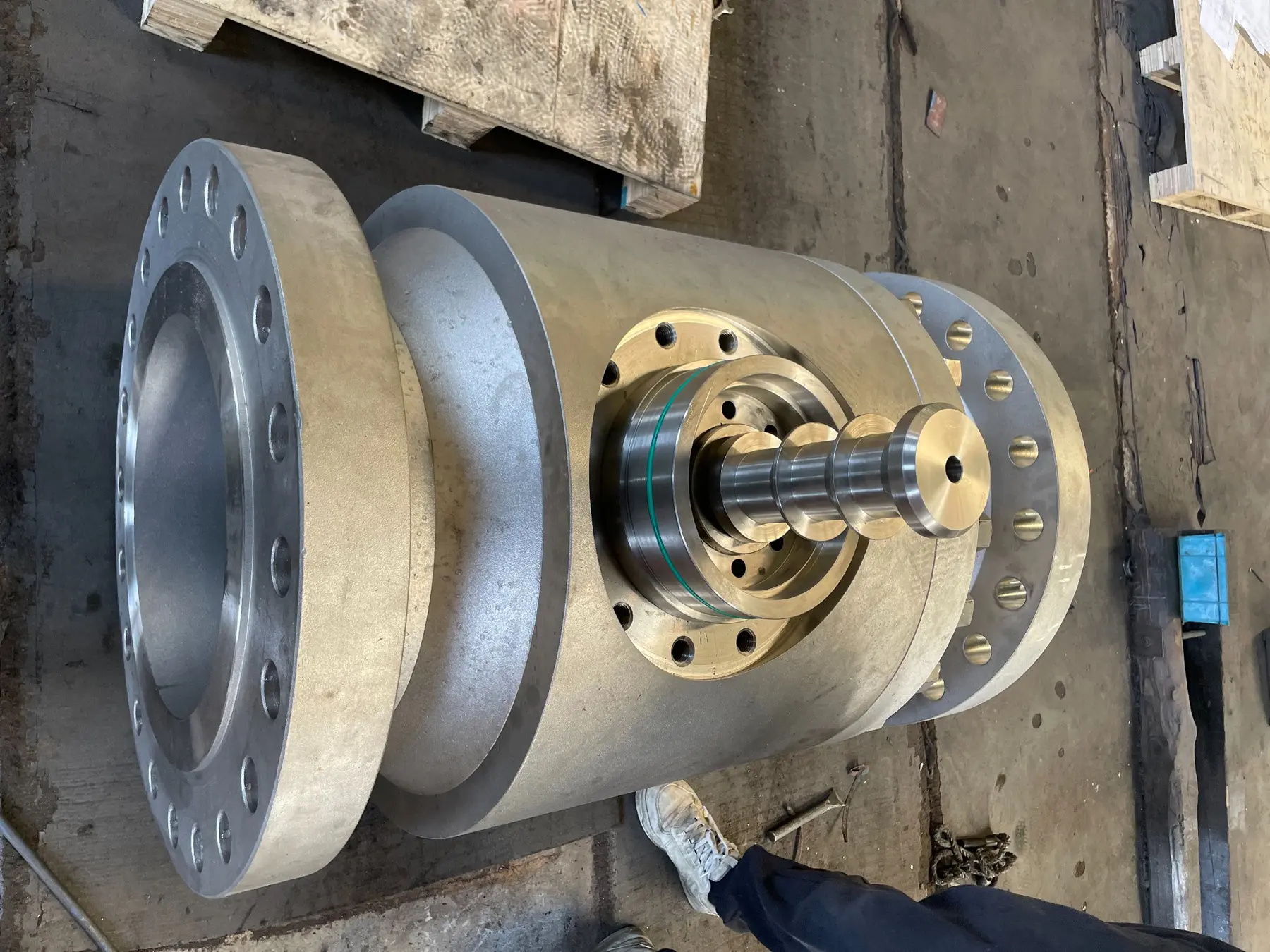
The automatic recirculation valve provides economical and reliable protection for low and reverse flow. By combining the functions of the mainline check valve, flow sensing, bypass flow control, bypass pressure reduction, pulsation dampener, and bypass line check valve, the valve eliminates at least seven components necessary with a conventional system. The valve operates without air or electric power and is easily installed with three connections.
The valve is installed on the pump discharge, just as an ordinary check valve would be. Upon pump start-up, and without process demand, the bypass is completely open, recirculating the necessary minimum flow. Once process demand starts, the spring-loaded disc is lifted and held in position by flow demand. Until the main flow demand exceeds the recommended minimum flow, the valve will modulate. As the main flow demand increases beyond the recommended minimum flow, the bypass will close and all flow will go to the process.
Features
- Positive fail-open bypass
- Integral pulsation damper
- Forged A105 steel body
- The design does not utilize a pilot valve or tube
- Start-up bypass inserts available due to start-up debris
- Maxi-Flow protection available
Benefits
- Positive pump protection
- Smooth operation
- Superior pressure containing integrity
- Less sensitive to debris and the operation cycle is not as harsh which can lead to system instability
- Avoids possible damage to bypass trim
- A unique feature to prevent pump runout
- Long-term proven design… Your operation is not a test lab
Discuss Your Pump Protection Valve Requirements
Frequently Asked Questions
What is the purpose of an automatic recirculation valve?
It protects centrifugal pumps by maintaining a minimum flow whenever the main process flow falls below the required level, helping reduce cavitation, overheating and damage.
How does the valve maintain minimum flow?
The integrated check and bypass arrangement responds automatically to main-flow conditions and opens the bypass path when the pump needs minimum flow.
What size and pressure ratings are available?
The published range is 1 1/4″–12″ (DN50–DN300) and Class 125–1500 (PN10–PN1500). Final sizing depends on pump duty and system conditions.
What standards and temperature range apply?
The product information states manufacture to ASME B16.34 and operation from −10°C to 200°C. The final specification should be confirmed during engineering review.