
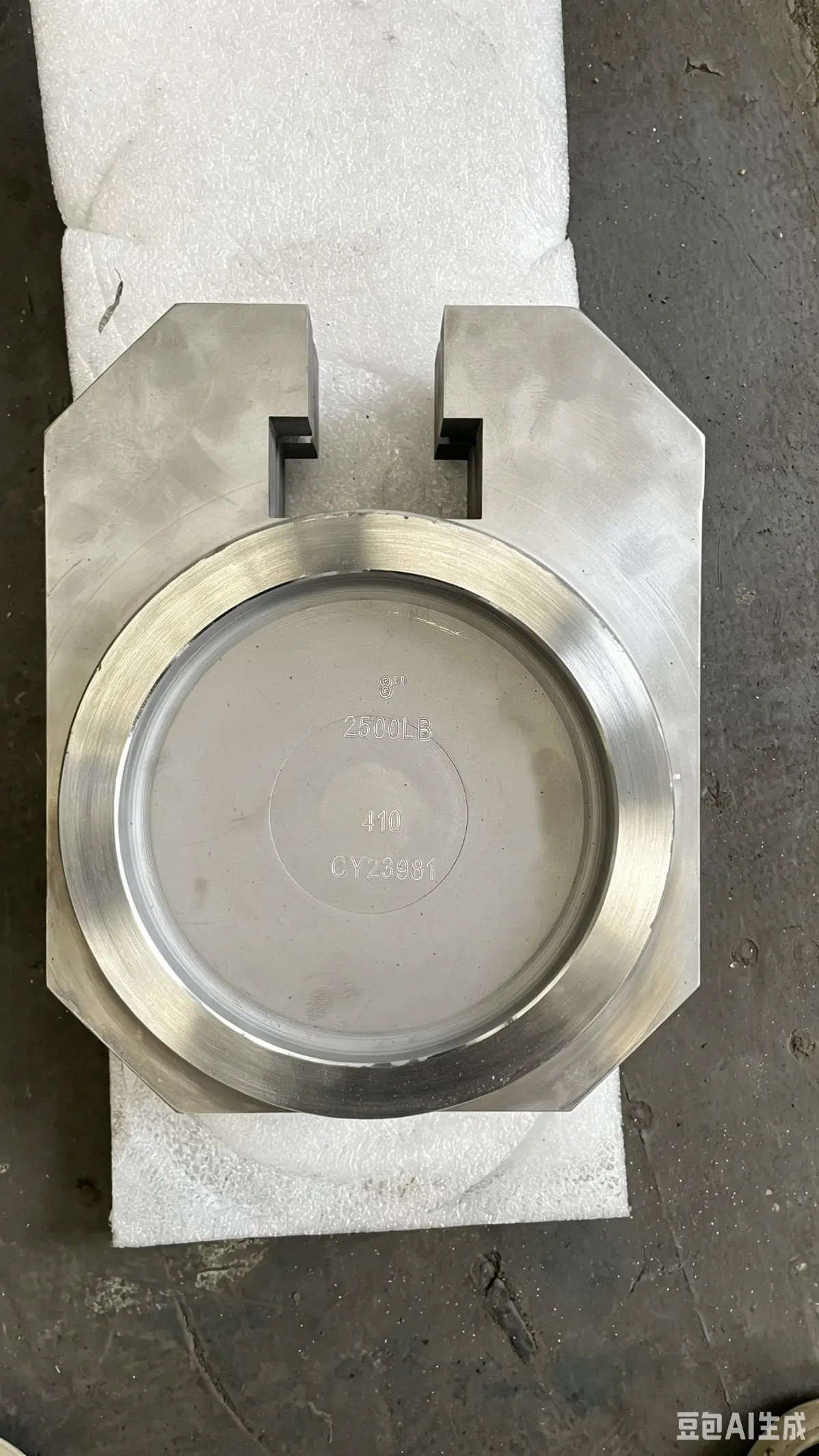
Stellite Alloys in Industrial Valves: High-Temperature Wear & Corrosion Resistance

Why Stellite Matters in Valve Manufacturing

In demanding industrial environments — high-temperature refining, sour gas processing, slurry-laden pipelines — conventional valve materials fail through a combination of wear, erosion, and corrosion. Stellite cobalt-based alloys have become the go-to solution for valve seats, discs, and trim components that must withstand these extreme conditions simultaneously.

This article examines the two most widely used Stellite grades in the valve industry — Stellite 3/3PM and Stellite 6/6PM — with real-world performance data from refinery and offshore installations.

Stellite 3 / 3PM: Maximum Wear Resistance at High Temperature

Typical Composition (wt%)

  • Cobalt (Co): 55–65%
  • Chromium (Cr): 28–32%
  • Tungsten (W): 8–10%
  • Carbon (C): 1.0–1.5%

Mechanical & Thermal Properties

  • As-cast hardness: HRC 40–45; up to HRC 50+ after heat treatment
  • Hot hardness: HRC ≥ 42 at 800°C
  • Tensile strength: ≥ 800 MPa at room temperature; ≥ 500 MPa at 600°C

Application Case: FCCU Control Valves

In fluid catalytic cracking units (FCCU) at refineries, Stellite 3PM is commonly used for hardfacing valve seats and plugs to resist continuous erosion from fine catalyst particles entrained in the crude oil stream. One refinery recorded only 0.03 mm of sealing surface wear after 2,000 hours of continuous operation — approximately 4× longer service life compared to conventional stainless steel or tungsten carbide alternatives.

Stellite 6 / 6PM: Balanced Performance for Multi-Phase Flow

Typical Composition (wt%)

  • Cobalt (Co): 60–65%
  • Chromium (Cr): 30–35%
  • Tungsten (W): 5–7%
  • Carbon (C): 1.5–2.0%

Mechanical & Corrosion Properties

  • As-cast hardness: HRC 45–50
  • Impact toughness: AKV ≥ 20 J at room temperature
  • Corrosion resistance: In H₂S-containing acidic environments, pitting potential is approximately 0.3 V higher than 316L stainless steel, significantly improving localized corrosion resistance

Application Case: Offshore Gas Throttle Valves

On an offshore platform, Stellite 6PM hardfaced throttle valves operating in high-velocity gas streams with 5% sand content showed no visible wear after 1,500 hours. The pressure drop remained stable at 0.2 MPa throughout the test period, confirming the alloy’s reliability in severe multi-phase flow conditions.

The Science Behind Stellite Performance

Stellite’s exceptional properties arise from a precisely engineered multi-element synergy:

Cobalt Matrix — The Tough Foundation

55–65% cobalt provides high toughness and thermal stability. Its coefficient of thermal expansion (~12 × 10⁻⁶/°C) closely matches carbon and low-alloy steels, significantly reducing thermal stress cracking during weld overlay or hardfacing operations.

Chromium — The Oxidation Shield

27–35% chromium forms a dense, self-healing Cr₂O₃ oxide film at elevated temperatures, reducing the oxidation rate at 1,000°C by approximately 80% compared to conventional heat-resistant steels.

Tungsten-Carbon Hard Phases — The Reinforcement

5–12% tungsten combines with carbon to form MC and M₆C-type hard carbides, dispersed throughout the matrix. These act like reinforcing bars in concrete, dramatically improving resistance to abrasive and fretting wear.

Trace Elements — Fine-Tuning Performance

  • Silicon (≤ 1%): Improves melt fluidity during casting
  • Iron (3–5%): Reduces cobalt content without significant performance loss, optimizing cost
  • Nickel (0.5–1.0%): Enhances low-temperature toughness, broadening the application temperature window

Conclusion

Through precise composition control, advanced powder metallurgy (PM) processing, and optimized hardfacing techniques, Stellite 3 and Stellite 6 alloys solve the multi-challenge problem of simultaneous high temperature, high pressure, severe corrosion, and heavy wear — conditions where conventional valve materials consistently fail.

The result is not just improved performance, but reduced total lifecycle costs and higher system reliability across refining, petrochemical, power generation, and offshore applications.

For valve specification support and Stellite-trimmed valve inquiries, contact Vornet Valve.

Industrial Ball Valve Types: Floating vs Trunnion – Complete Selection Guide

Quick Answer: Floating vs Trunnion Ball Valve — What’s the Difference?

Floating ball valves use a ball that “floats” between two seat rings — upstream pressure pushes the ball against the downstream seat to seal. They are ideal for smaller sizes (1/2″–12″) and lower pressure classes (Class 150–600). Trunnion mounted ball valves have the ball mechanically anchored by top and bottom trunnions, making them suitable for larger sizes (2″–60″+), higher pressures (Class 600–2500), and critical applications like pipeline and oil & gas.

FactorFloating Ball ValveTrunnion Ball ValveSource
Size Range1/2″ – 12″2″ – 60″+✅ Vornet产品页数据
Pressure RatingClass 150 – 600Class 150 – 2500✅ Vornet产品页数据
Ball SupportFree between seatsFixed trunnions✅ 行业标准
TorqueIncreases with pressurePressure-independent✅ 行业标准
CostLowerHigher✅ 行业标准
Best ForGeneral industrial, water, chemicalOil & gas, pipeline, high-pressure✅ 行业标准

How Ball Valves Work

A ball valve uses a rotating ball with a bore through its center to control flow. When the bore aligns with the pipe, flow passes through; when rotated 90 degrees, the solid part of the ball blocks flow. Ball valves offer quick quarter-turn operation, low torque, and tight shut-off, making them ideal for many industrial applications.

Floating Ball Valves

Design and Operation

In a floating ball valve, the ball is not fixed in position. It is held in place by two seat rings, and upstream pressure pushes the ball against the downstream seat to create a seal. The ball “floats” between the seats, hence the name.

Advantages of Floating Ball Valves

  • Simple design: Fewer moving parts, lower cost
  • Bidirectional sealing: Seals in both flow directions
  • Low operating torque: Easy manual operation
  • Compact size: Lighter weight than trunnion valves
  • Cost-effective: Lower initial purchase price for smaller sizes

Limitations

  • Limited to lower pressure classes (typically Class 150-600)
  • Smaller sizes (usually up to 8″-12″)
  • Higher operating torque at high pressure due to ball-to-seat loading
  • Not ideal for large diameter or high-pressure applications

Trunnion Mounted Ball Valves

Design and Operation

In a trunnion mounted ball valve, the ball is mechanically anchored at the top and bottom by trunnions (shafts). This design absorbs the line pressure load, reducing stress on the seats. The seats are spring-loaded and move independently to press against the ball for sealing.

Advantages of Trunnion Ball Valves

  • High pressure capability: Suitable for Class 600 up to Class 2500
  • Large sizes: Available from 2″ up to 60″ and beyond
  • Low operating torque: Independent of line pressure
  • Double block and bleed (DBB): Can isolate pressure from both sides
  • Cavity overpressure relief: Self-relieving seat design available
  • Fire-safe design: Meets API 607 requirements

Limitations

  • Higher initial cost than floating ball valves
  • More complex design with additional components
  • Heavier weight, especially in large sizes
  • May require gear operator for ease of operation

Floating vs Trunnion Ball Valve: Comparison Table

FeatureFloating Ball ValveTrunnion Mounted Ball Valve
Size Range1/2″ to 12″2″ to 60″
Pressure RatingClass 150 – 600Class 150 – 2500
Ball SupportFree-floating between seatsFixed by top and bottom trunnions
Sealing MechanismPressure-assistedSpring-loaded seats
Operating TorqueIncreases with pressureConstant, pressure-independent
BidirectionalYesYes (with appropriate seats)
DBB CapabilityLimitedYes
Relative CostLowerHigher
Typical ApplicationsGeneral industrial, water, chemicalOil & gas, pipeline, high pressure

How to Choose Between Floating and Trunnion Ball Valves

Consider these factors when deciding between floating and trunnion ball valves:

  1. Operating pressure: For Class 600 and above, choose trunnion mounted
  2. Pipe size: Above 8″-12″, trunnion valves are typically required
  3. Application criticality: For DBB or fire-safe requirements, choose trunnion
  4. Budget: For smaller, lower-pressure applications, floating ball valves offer better value
  5. Actuation: Both types can be automated with pneumatic, electric, or hydraulic actuators

Other Ball Valve Types

In addition to floating and trunnion designs, other ball valve configurations include:

  • Fully welded ball valve: One-piece body construction for zero leakage, ideal for buried pipeline service
  • Top entry ball valve: Allows in-line maintenance without removing the valve from the pipeline
  • Metal seated ball valve: For high-temperature and abrasive service where soft seats cannot be used
  • Three-way and multi-port ball valves: For flow diversion and mixing applications
  • DBB (Double Block and Bleed) valve: Combines two sealing mechanisms in one valve body

Frequently Asked Questions

What is the main difference between floating and trunnion ball valves?

The main difference is how the ball is supported. In a floating ball valve, the ball moves freely between seats and relies on pressure for sealing. In a trunnion ball valve, the ball is fixed by top and bottom shafts (trunnions), and spring-loaded seats move against the ball for sealing.

When should I use a floating ball valve vs a trunnion ball valve?

Use a floating ball valve for smaller pipe sizes (under 8″-12″), lower pressure applications (Class 150-600), and general industrial use. Use a trunnion ball valve for larger sizes, higher pressures (Class 600 and above), critical oil and gas pipelines, and applications requiring double block and bleed capability.

Are trunnion ball valves fire-safe?

Yes, most trunnion mounted ball valves can be designed to meet API 607 fire-safe requirements. Vornet Valve offers fire-safe trunnion ball valves with secondary metal-to-metal sealing that activates in the event of soft seat destruction during a fire.

Can floating ball valves be used for high-pressure applications?

Floating ball valves are generally limited to Class 600 and below. For higher pressure applications (Class 900, 1500, 2500), a trunnion mounted ball valve is recommended due to its pressure-independent torque and reduced seat stress.

What does DBB (Double Block and Bleed) mean in ball valves?

DBB means the valve can block pressure from both upstream and downstream sides simultaneously, with a bleed port in the cavity to vent trapped pressure. Trunnion mounted ball valves commonly offer DBB capability, making them ideal for isolation applications in oil and gas pipelines.


Vornet Valve Ball Valve Solutions

Vornet Valve offers a complete range of industrial ball valves, including floating ball valves (2-piece and 3-piece designs), trunnion mounted ball valves, fully welded ball valves, top entry ball valves, and metal seated ball valves. All Vornet ball valves are manufactured to API 6D, ASME B16.34, and ISO 9001 standards, with fire-safe design per API 607.

Contact Vornet Valve for ball valve solutions tailored to your specific application requirements. Our engineering team provides technical support, material selection guidance, and competitive pricing.

View our full range of industrial ball valves including floating, trunnion-mounted, and fully welded designs for your specific application.

API 600 Gate Valve: Complete Guide to Specifications, Materials, and Applications

Quick Answer: What Is an API 600 Gate Valve?

An API 600 gate valve is a bolted bonnet cast steel gate valve designed per API Specification 600 for on-off service in petroleum, natural gas, petrochemical, and power plant piping systems. It provides tight shut-off with minimal pressure drop and is available in sizes 2″–48″ (DN50–DN1200), pressure classes 150–2500, and temperatures from -29°C to 593°C.

Key Specifications at a Glance

ParameterAPI 600 Gate ValveSource / Notes
Size Range2″ – 48″ (DN50 – DN1200)🟡 请确认贵厂实际生产范围
Pressure Class150, 300, 600, 900, 1500, 2500✅ Vornet产品页数据
Temperature Range-29°C to 593°C🟡 通用数据,按实际材质确认
End ConnectionsFlanged (ASME B16.5), Butt-Weld (ASME B16.25)✅ API 600标准
Design StandardAPI 600, ASME B16.34✅ API 600标准
Testing StandardAPI 598 (Hydrostatic, Pneumatic)✅ API 598标准
OperationHandwheel, Gear, Pneumatic, Electric✅ Vornet产品页数据

What Is an API 600 Gate Valve?

An API 600 gate valve is a bolted bonnet gate valve manufactured in accordance with the American Petroleum Institute (API) Specification 600. This standard covers the design, materials, manufacturing, testing, and documentation requirements for cast steel gate valves with flanged or butt-welding ends. API 600 gate valves are designed for on-off service in piping systems where minimal pressure drop and tight shut-off are required.

Types of API 600 Gate Valves

API 600 cast steel gate valves are available in several configurations to suit different service conditions:

1. Wedge Gate Valve

The wedge gate valve features a wedge-shaped disc that seats between two inclined seats. Available as solid wedge, flexible wedge, and split wedge designs. Solid wedge is suitable for general service, while flexible wedge compensates for thermal expansion and is ideal for high-temperature applications.

2. Slab Gate Valve

Slab gate valves use a flat disc (slab) that slides between parallel seats. They are commonly used in oil and gas pipeline applications where a full bore design is required for pigging operations. Slab gate valves offer excellent sealing performance and are available with through-conduit design.

3. Parallel Gate Valve

Parallel gate valves use two parallel discs with a spring or spreader mechanism to achieve sealing. They are suitable for low-pressure applications and provide reliable bidirectional sealing.

API 600 gate valves are available in a wide range of materials including carbon steel (WCB), stainless steel (CF8, CF8M), and chrome alloy grades to suit different service conditions. Contact Vornet Valve for a complete material availability list and material selection recommendation for your application.

API 600 vs API 6D: What’s the Difference?

While both API 600 and API 6D cover gate valves, there are important differences:

  • API 600: Applies specifically to cast steel bolted bonnet gate valves for petroleum and gas industries. More stringent wall thickness requirements.
  • API 6D: Applies to pipeline valves including gate, ball, and check valves. Covers both cast and forged steel.
  • API 600 generally requires thicker walls and more robust construction than API 6D for the same pressure class.
  • API 600 includes more detailed requirements for bonnet design, stem connections, and seat materials.

How to Select the Right API 600 Gate Valve

When selecting an API 600 gate valve for your application, consider the following factors:

  1. Service Conditions: Determine operating pressure, temperature, and media characteristics
  2. Material Selection: Choose body and trim materials compatible with the service fluid
  3. Pressure Class: Select the appropriate Class (150, 300, 600, etc.) based on design pressure
  4. End Connections: Flanged for easy installation, butt-weld for permanent connections
  5. Actuation: Manual handwheel, gear operator, or automated (electric, pneumatic)
  6. Bonnet Design: Bolted bonnet for standard service, pressure seal bonnet for high pressure

Frequently Asked Questions

What is the difference between API 600 and API 602 gate valves?

API 600 covers cast steel gate valves in sizes 2″ to 48″ with bolted bonnet design, while API 602 covers forged steel gate valves in smaller sizes (NPS 1/4″ to 4″) with threaded or welded bonnet. API 600 valves are heavier-duty and used in larger pipeline applications.

What pressure classes are available in API 600 gate valves?

API 600 gate valves are available in Class 150, 300, 600, 900, 1500, and 2500. The higher the class, the higher the pressure-temperature rating.

Can API 600 gate valves be used for throttling?

No. API 600 gate valves are designed for on-off (isolation) service only. Using them for throttling causes damage to the disc and seats due to vibration and erosion. For throttling applications, use a globe valve or control valve instead.

What testing is required for API 600 gate valves?

Per API 598, each API 600 gate valve must undergo hydrostatic shell test (1.5 × rated pressure), hydrostatic seat test (1.1 × rated pressure), and optional pneumatic test. Vornet Valve performs 100% testing on all gate valves before shipment.

How do I choose between wedge gate valve and slab gate valve?

Choose a wedge gate valve for general industrial applications including oil and gas, petrochemical, and power plants. Choose a slab gate valve when pipeline pigging is required (full bore design) or for high-pressure gas transmission lines where through-conduit flow is needed.


Why Choose Vornet Valve for API 600 Gate Valves?

Vornet Valve is a professional manufacturer of API 600 gate valves, with extensive experience in supplying cast steel gate valves to oil and gas, petrochemical, and power generation industries worldwide. Our API 600 gate valves are:

  • Manufactured in accordance with API 600, ASME B16.34, and ISO 9001
  • 100% hydrostatically tested per API 598
  • Available with full material traceability
  • Customizable with various trim materials and actuation options
  • Backed by professional engineering support and rapid delivery

Contact Vornet Valve today for a quotation on API 600 gate valves for your project. Our technical team can assist with material selection, valve sizing, and application engineering.

Browse our complete selection of API 600 gate valves and other industrial gate valve types with various pressure classes and trim options.