
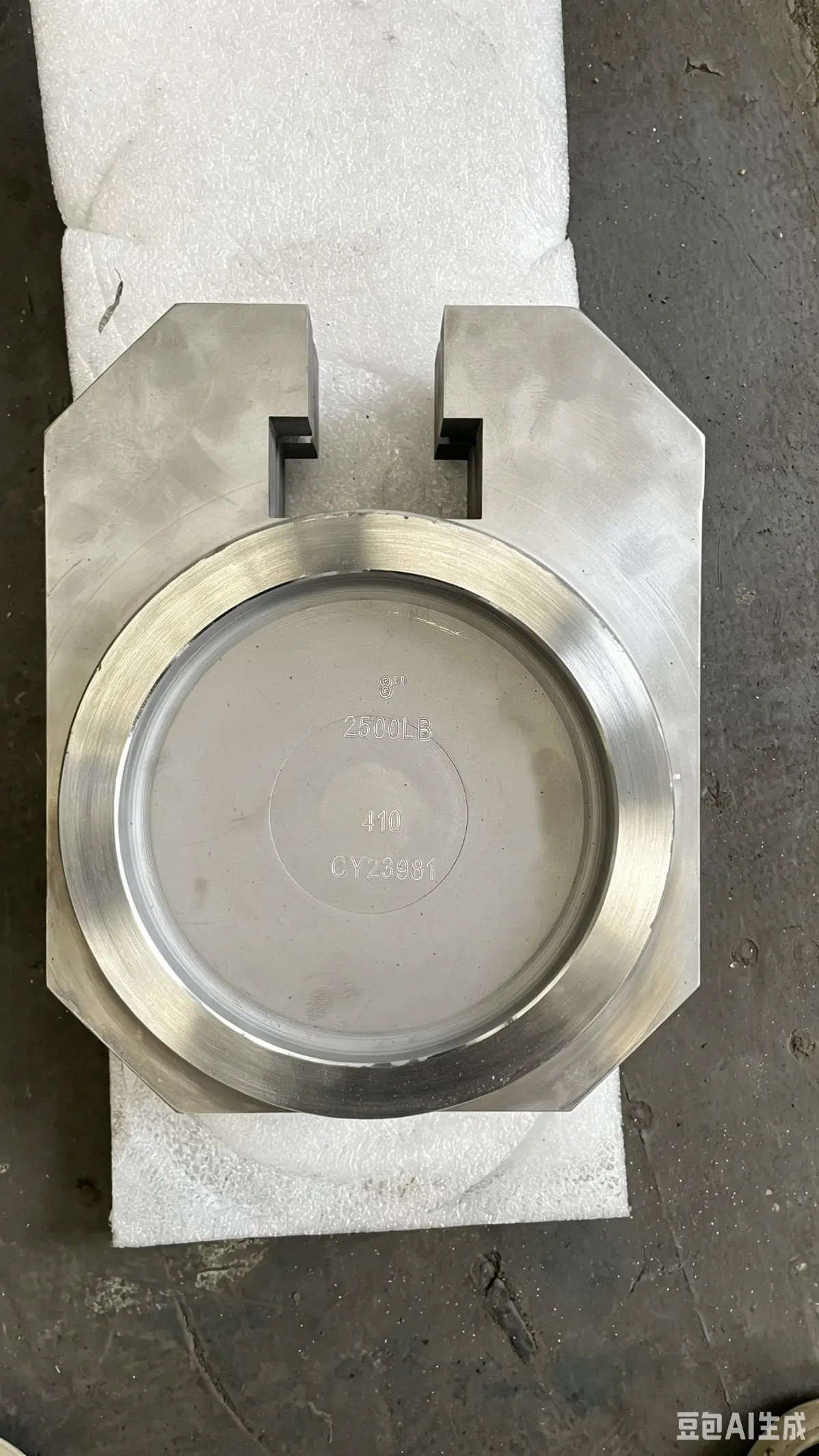
Stellite Alloys in Industrial Valves: High-Temperature Wear & Corrosion Resistance

Why Stellite Matters in Valve Manufacturing

In demanding industrial environments — high-temperature refining, sour gas processing, slurry-laden pipelines — conventional valve materials fail through a combination of wear, erosion, and corrosion. Stellite cobalt-based alloys have become the go-to solution for valve seats, discs, and trim components that must withstand these extreme conditions simultaneously.

This article examines the two most widely used Stellite grades in the valve industry — Stellite 3/3PM and Stellite 6/6PM — with real-world performance data from refinery and offshore installations.

Stellite 3 / 3PM: Maximum Wear Resistance at High Temperature

Typical Composition (wt%)

  • Cobalt (Co): 55–65%
  • Chromium (Cr): 28–32%
  • Tungsten (W): 8–10%
  • Carbon (C): 1.0–1.5%

Mechanical & Thermal Properties

  • As-cast hardness: HRC 40–45; up to HRC 50+ after heat treatment
  • Hot hardness: HRC ≥ 42 at 800°C
  • Tensile strength: ≥ 800 MPa at room temperature; ≥ 500 MPa at 600°C

Application Case: FCCU Control Valves

In fluid catalytic cracking units (FCCU) at refineries, Stellite 3PM is commonly used for hardfacing valve seats and plugs to resist continuous erosion from fine catalyst particles entrained in the crude oil stream. One refinery recorded only 0.03 mm of sealing surface wear after 2,000 hours of continuous operation — approximately 4× longer service life compared to conventional stainless steel or tungsten carbide alternatives.

Stellite 6 / 6PM: Balanced Performance for Multi-Phase Flow

Typical Composition (wt%)

  • Cobalt (Co): 60–65%
  • Chromium (Cr): 30–35%
  • Tungsten (W): 5–7%
  • Carbon (C): 1.5–2.0%

Mechanical & Corrosion Properties

  • As-cast hardness: HRC 45–50
  • Impact toughness: AKV ≥ 20 J at room temperature
  • Corrosion resistance: In H₂S-containing acidic environments, pitting potential is approximately 0.3 V higher than 316L stainless steel, significantly improving localized corrosion resistance

Application Case: Offshore Gas Throttle Valves

On an offshore platform, Stellite 6PM hardfaced throttle valves operating in high-velocity gas streams with 5% sand content showed no visible wear after 1,500 hours. The pressure drop remained stable at 0.2 MPa throughout the test period, confirming the alloy’s reliability in severe multi-phase flow conditions.

The Science Behind Stellite Performance

Stellite’s exceptional properties arise from a precisely engineered multi-element synergy:

Cobalt Matrix — The Tough Foundation

55–65% cobalt provides high toughness and thermal stability. Its coefficient of thermal expansion (~12 × 10⁻⁶/°C) closely matches carbon and low-alloy steels, significantly reducing thermal stress cracking during weld overlay or hardfacing operations.

Chromium — The Oxidation Shield

27–35% chromium forms a dense, self-healing Cr₂O₃ oxide film at elevated temperatures, reducing the oxidation rate at 1,000°C by approximately 80% compared to conventional heat-resistant steels.

Tungsten-Carbon Hard Phases — The Reinforcement

5–12% tungsten combines with carbon to form MC and M₆C-type hard carbides, dispersed throughout the matrix. These act like reinforcing bars in concrete, dramatically improving resistance to abrasive and fretting wear.

Trace Elements — Fine-Tuning Performance

  • Silicon (≤ 1%): Improves melt fluidity during casting
  • Iron (3–5%): Reduces cobalt content without significant performance loss, optimizing cost
  • Nickel (0.5–1.0%): Enhances low-temperature toughness, broadening the application temperature window

Conclusion

Through precise composition control, advanced powder metallurgy (PM) processing, and optimized hardfacing techniques, Stellite 3 and Stellite 6 alloys solve the multi-challenge problem of simultaneous high temperature, high pressure, severe corrosion, and heavy wear — conditions where conventional valve materials consistently fail.

The result is not just improved performance, but reduced total lifecycle costs and higher system reliability across refining, petrochemical, power generation, and offshore applications.

For valve specification support and Stellite-trimmed valve inquiries, contact Vornet Valve.

Industrial Valve Material Guide: Carbon Steel, Stainless Steel & Alloy Selection

# Industrial Valve Material Selection Guide: Carbon Steel, Stainless Steel & Alloy

By Vornet Valve | June 2026

## Introduction

The material you choose for your industrial valve directly determines its service life, safety margin, and total cost of ownership. A valve body that corrodes in six months costs far more than the upfront savings on a cheaper material.

This guide covers the three main material families used in industrial valves — carbon steel, stainless steel, and nickel alloys — with temperature limits, corrosion resistance, and cost comparisons to help you specify the right material.

## 1. Carbon Steel — The Economic Standard

### Common Grades
WCB / WCC — Cast carbon steel (ASTM A216)
A105 / A105N — Forged carbon steel (ASTM A105)
LCC / LCB — Low-temperature carbon steel

### Temperature Range
– WCB/WCC: -29°C to 425°C (-20°F to 800°F)
– LCC/LCB: -46°C to 345°C (-50°F to 650°F)

### Best For
– Non-corrosive services: water, steam, oil, natural gas
– Moderate temperature and pressure
– General industrial applications

### Advantages
– Lowest cost of all industrial valve materials
– Excellent strength-to-weight ratio
– Wide availability
– Good weldability

### Limitations
– Poor corrosion resistance — rusts in humid environments
– Not suitable for corrosive chemicals
– Brittle at cryogenic temperatures
– Requires painting/coating for external protection

### Typical Cost Index: ★☆☆☆☆ (baseline)

## 2. Stainless Steel — The Corrosion Fighter

### Common Grades

| Grade | Type | Key Property |
|——-|——|————-|
| CF8 / F304 | 304 SS | General corrosion resistance |
| CF8M / F316 | 316 SS | Superior pitting resistance (Mo added) |
| CF3M / F316L | 316L SS | Low carbon — better weldability |
| CF8C / F347 | 347 SS | Stabilized for high temperature |

### Temperature Range
– 304/316: -254°C to 815°C (-425°F to 1500°F)
– 316/316L preferred above 425°C

### Best For
– Corrosive chemicals and acids
– Food & pharmaceutical processing
– Marine and offshore environments
– Cryogenic (LNG) service

### Advantages
– Excellent corrosion resistance
– Wide temperature range
– No painting required
– Hygienic surface finish
– Long service life

### Limitations
– Higher cost than carbon steel (3–5×)
– Lower strength at very high temperatures
– Galling risk on threaded components
– Chloride stress corrosion cracking (above 60°C with 304)

### Typical Cost Index: ★★★☆☆

## 3. Chrome-Moly Steel — The High-Temperature Specialist

### Common Grades
WC6 — 1.25% Cr, 0.5% Mo (ASTM A217)
WC9 — 2.25% Cr, 1% Mo
C5 / C12 — 5%–9% Cr, 0.5%–1% Mo
F11 / F22 — Forged equivalents

### Temperature Range
– WC6: -29°C to 595°C (-20°F to 1100°F)
– WC9: -29°C to 650°C (-20°F to 1200°F)

### Best For
– High-temperature steam (power plants)
– Refinery and petrochemical services
– Hydrogen service at elevated temperatures
– Boiler feed water systems

### Advantages
– Superior creep strength at high temperature
– Better oxidation resistance than carbon steel
– Good thermal fatigue resistance
– Proven in power generation for decades

### Limitations
– Higher cost than carbon steel
– Requires preheat and post-weld heat treatment
– Limited corrosion resistance vs stainless

### Typical Cost Index: ★★☆☆☆

## 4. Nickel Alloys — The Extreme Environment Solution

### Common Grades
Monel (M-35-1 / N04400) — Ni-Cu alloy
Inconel (CY-40 / N06600) — Ni-Cr-Fe alloy
Hastelloy C (CW-6MC / N10276) — Ni-Cr-Mo alloy

### Temperature Range
– Monel: -240°C to 480°C
– Inconel: up to 1100°C

### Best For
– Severe corrosive environments (acids, chlorides)
– Seawater and brine (Monel)
– High-temperature oxidation (Inconel)
– Chemical processing with aggressive media

### Advantages
– Extreme corrosion resistance
– Retains strength at high temperatures
– Excellent cryogenic properties
– Longest service life in harsh conditions

### Limitations
– Very high cost (10–20× carbon steel)
– Long lead times for castings
– Specialized welding procedures required
– Difficult to machine

### Typical Cost Index: ★★★★★

## Material Selection Quick Chart

| Service Condition | Recommended Material |
|——————-|———————|
| Clean water, oil, air | WCB Carbon Steel |
| Wet CO₂ / mild acid | CF8M (316 SS) |
| High-temp steam > 500°C | WC9 Chrome-Moly |
| Seawater / brine | Monel or CF8M |
| LNG / cryogenic | CF8 / CF8M (304/316) |
| Hot hydrogen | WC9 or 347 SS |
| Concentrated H₂SO₄ | Hastelloy C |
| Boiler feed water | WC6 / WC9 |
| Food / pharma | CF8 (304 SS) |
| Sour gas (H₂S) | A105N + NACE MR0175 |

## Cost vs Performance: The Real Trade-off

Don’t just look at purchase price. Consider:

1. Installation cost — Exotic alloys need specialized welding
2. Maintenance intervals — Carbon steel needs painting, stainless doesn’t
3. Downtime cost — A failed valve in a critical line costs far more than the valve
4. Replacement frequency — Stainless lasts 3-5× longer in corrosive service

Rule of thumb: If checking and replacing a valve requires a plant shutdown, upgrade the material.

## Need a Material Recommendation?

Every application is different. [Contact Vornet Valve](https://www.vornetvalve.com/contact/) with your process conditions (medium, temperature, pressure, concentration) and our engineers will recommend the optimal material and valve type.

Vornet Valve — Supplying API, ASME & ISO certified industrial valves worldwide.

Gate Valve Types: Wedge, Parallel Slide, and Slab — Complete Selection Guide

# Gate Valve Types: Wedge, Parallel Slide, and Slab Gate Valve — Complete Selection Guide

By Vornet Valve | June 2026

## Introduction

Gate valves are the most widely used shut-off valves in industrial piping systems. Their simple design — a gate or wedge that slides perpendicular to flow — makes them ideal for applications requiring minimal pressure drop and full, unobstructed flow when open.

But not all gate valves are the same. Choosing the wrong type for your operating conditions can lead to leakage, galling, seat damage, and premature failure. This guide breaks down the three main gate valve types and helps you select the right one for your application.

## 1. Wedge Gate Valve — The Industry Workhorse

### Design
A one-piece or two-piece wedge-shaped disc that wedges tightly between two inclined seats.

### Best For
– General-purpose on/off isolation
– Steam, water, oil, and gas services
– Moderate temperature and pressure applications

### Advantages
– Simple, robust design
– Excellent sealing due to wedging action
– Cost-effective for standard applications
– Wide availability in cast and forged steel

### Limitations
– Thermal binding risk — wedge can stick when closed hot and cooled
– Not ideal for high-temperature cycling
– Requires torque to unseat after thermal contraction

### Common Standards
API 600, API 602, ASME B16.34

## 2. Parallel Slide Gate Valve — The Thermal Cycling Solution

### Design
Two parallel discs with a spring or spreader mechanism between them. The discs slide against parallel seats without wedging.

### Best For
– High-temperature steam systems
– Thermal power plants
– Applications with frequent temperature cycling
– High-pressure steam headers

### Advantages
– No thermal binding — freely expands and contracts
– Lower operating torque than wedge types
– Reliable sealing at high temperatures
– Longer seat life in cycling service

### Limitations
– More complex internal mechanism
– Higher initial cost than wedge type
– Requires good alignment during installation

### Common Standards
API 600, BS 1414

## 3. Slab Gate Valve — The Pipeline Standard

### Design
A single flat gate with a floating seat design. Line pressure forces the downstream seat against the gate for a tight seal.

### Best For
– Oil and gas pipelines
– Natural gas transmission
– Liquid petroleum products
– Underground and subsea applications

### Advantages
– Bubble-tight shut-off at both low and high pressure
– Self-relieving seat option available
– Low operating torque
– Full-bore design minimizes pressure drop
– Through-conduit — allows pigging

### Limitations
– Larger and heavier than comparable wedge valves
– Higher cost
– Requires more space for installation

### Common Standards
API 6D, API 6A

## Quick Selection Table

| Application | Recommended Type | Standard |
|————-|—————–|———-|
| General industrial isolation | Wedge Gate Valve | API 600 |
| Steam / high-temperature cycling | Parallel Slide Gate Valve | BS 1414 |
| Oil & gas pipeline | Slab Gate Valve | API 6D |
| Wellhead / Christmas tree | Slab Gate Valve | API 6A |
| Cryogenic service | Extended bonnet wedge | BS 6364 |
| Small bore / high pressure | Forged steel wedge | API 602 |

## 5 Key Factors to Consider

### 1. Operating Temperature
Above 450°C? Choose parallel slide to avoid thermal binding.

### 2. Pressure Class
Class 150 through Class 2500. Match to your piping spec.

### 3. Flow Medium
Clean liquids and gases: any type works. Slurries or solids: avoid wedge (particles can damage seats).

### 4. Cycling Frequency
Frequent open/close cycles? Parallel slide or slab valve lasts longer.

### 5. Space Constraints
Slab valves need more room. Forged steel wedge valves are compact for small-bore applications.

## Conclusion

The right gate valve selection depends on your operating conditions — not just price. Wedge valves serve 80% of general industrial applications. Parallel slide valves excel in steam and cycling service. Slab gate valves are the gold standard for pipelines and wellhead equipment.

Need help selecting? [Contact our engineering team](https://www.vornetvalve.com/contact/) for a recommendation based on your specific operating parameters.

Vornet Valve — API & ASME certified industrial valve manufacturer since 2003.

How to Select High-Temperature Valve Materials: Chrome-Moly, Stainless Steel and Nickel Alloys

Quick Answer: High-temperature valve materials fall into three main categories based on operating temperature. Chrome-moly steel (15CrMoG up to 550°C, WC9 to 593°C) is the standard for medium-high temperature service. Stainless steel (304 up to 550°C, 310S up to 700°C) offers corrosion resistance plus heat tolerance. Nickel-based alloys (Inconel 625/718 up to 700°C, Haynes 282 up to 950°C) handle extreme ultra-high temperature applications. Selection must also account for sealing materials and seating surface hardfacing.

1. Chrome-Moly Steel — Standard Choice for Medium-to-High Temperatures

Chrome-moly steel adds chromium and molybdenum to carbon steel, significantly improving creep resistance and oxidation resistance. It solves the graphitization and strength degradation problems of ordinary carbon steel at elevated temperatures.

GradeASTM EquivalentMax TemperatureCommon Applications
15CrMoGA217 WC5540–550°CPower plant auxiliary steam
WC9593°CSubcritical unit main steam piping
2.25Cr-1Mo565–590°C (up to 650°C with stress relief)Hydroprocessing units

Chrome-moly steel grades are the most cost-effective solution for medium-to-high temperature valve applications. WC9 is a common choice for power generation valves. Browse our gate valve product range for chrome-moly options.

2. Stainless Steel — Corrosion Resistance Plus High-Temperature Stability

Austenitic stainless steels combine corrosion resistance with excellent high-temperature stability, making them the most widely applied valve material category across industries.

GradeTemp LimitKey AdvantageBest For
304 / 304H550°C (higher for 304H)Standard, widely availableNon-corrosive high-temp fluid control
316L550–560°CMo addition for corrosion resistanceSulfur-containing media, corrosive fluids
321650°CTi-stabilized, prevents intergranular corrosionHigh-temp steam with moisture
310S700°C (oxidizing atm.)High Cr-Ni, superior oxidation resistanceFurnaces, incinerator exhaust

For applications above 700°C in oxidizing environments, nickel-based alloys become necessary. For corrosive high-temperature applications, 316L or 310S are preferred. See our globe valve and check valve ranges for stainless steel options.

3. Nickel-Based Alloys — Extreme Temperature Performance

Nickel-based superalloys are the primary choice for ultra-high-temperature applications. The high-temperature stability of nickel, combined with strengthening elements like chromium, molybdenum, and niobium, delivers temperature limits far beyond chrome-moly steel and stainless steel.

AlloyContinuous LimitPeak LimitPrimary Applications
Inconel 625650–700°C815°CCracking furnace outlets, gas systems
Inconel 718650–700°C980°C (≤1 hr)High-strength + corrosion resistance
Haynes 282650–950°CNuclear, concentrated solar power
Hastelloy C-276540–590°CStrong acid, medium-high temp

Nickel-based alloys are significantly more expensive than stainless steel and are specified only when operating conditions demand it. Inconel 718 is particularly valued for its combination of high-temperature strength and corrosion resistance.

4. Sealing Materials and Seat Hardfacing

The body material temperature limit is not the only selection criterion. Sealing materials and seating surfaces must also be rated for the operating temperature:

  • Flexible graphite packing: 450–500°C in air, up to 1600°C in inert environments. The preferred high-temperature sealing material for valve stems and gaskets.
  • Stellite 6 hardfacing: Withstands temperatures above 850°C. Provides excellent wear and erosion resistance for valve seating surfaces in high-temperature service.

Material Selection Summary

When selecting materials for high-temperature valves, apply this systematic three-layer approach:

  1. Body material — Match to maximum operating temperature (chrome-moly for medium, stainless for high, nickel-based for extreme)
  2. Sealing material — Flexible graphite for most high-temp services
  3. Seat hardfacing — Stellite 6 for erosion and wear resistance at temperature

This three-layer system — body alloy + sealing material + seating surface — must form a complete temperature-resistant solution for reliable long-term operation. Contact our engineering team for material selection assistance for your specific application.


FAQ: High-Temperature Valve Materials

Q: What temperature can standard carbon steel valves handle?
A: Carbon steel should not be used above 425°C due to graphitization. Chrome-moly steel is required above this temperature.

Q: Can 316L be used above 560°C?
A: Prolonged use above 560°C may cause carbide precipitation. For higher temperatures, use 321 or 310S stainless steel.

Q: What valve material is best for incinerator exhaust?
A: 310S stainless steel (up to 700°C) or nickel-based alloys for temperatures exceeding 700°C.

Q: Which material is used for supercritical power plant valves?
A: WC9 for subcritical units, advanced nickel-based alloys for supercritical/ultra-supercritical applications exceeding 600°C.

Need expert help selecting the right high-temperature valve material? Contact Vornet Valve for a free consultation.

Globe Valve Types: Y-Type, Angle, and Standard – Complete Selection Guide

Globe Valve Types: Y-Type, Angle, and Standard Globe Valves — Complete Selection Guide

Quick Answer: Globe valves are designed for flow regulation and throttling, unlike gate valves which are for isolation only. The three main types are standard (Z-type), Y-type (oblique), and angle globe valves. Selection depends on pressure drop tolerance, flow characteristics, and piping configuration.

Globe Valve Type Comparison

TypeFlow Coefficient (Cv)Pressure DropBest Application
Standard (Z-Type)ModerateHighGeneral throttling, clean fluids
Y-Type (Oblique)HighLowHigh-pressure, high-temp steam
Angle GlobeModerateModeratePiping direction changes, HP services

Browse our globe valve products for flow control applications.

1. Standard Globe Valve (Z-Type)

The standard globe valve has a Z-shaped flow path that creates a 90-degree turn. This provides good throttling but at higher pressure drop. Available in bolted bonnet and pressure seal designs.

2. Y-Type Globe Valve

Y-type globe valves feature a stem at 45 degrees, reducing pressure drop by up to 50% compared to standard globe valves. Preferred for high-pressure steam systems, main steam isolation, and boiler feedwater regulation up to 565°C.

3. Angle Globe Valve

Angle globe valves combine a 90-degree turn with the globe valve mechanism, eliminating a pipe fitting. Used for boiler blowdown, heater drains, and high-pressure letdown services.

Gate Valve vs Globe Valve

Use gate valves for isolation (fully open/closed) and globe valves for throttling. Using a gate valve for throttling damages seating surfaces.

FAQ

Q: Can globe valves be used for isolation?
A: Yes, but gate or ball valves are better due to lower pressure drop when fully open.

Q: How do I select the right globe valve size?
A: Size based on required Cv, not pipe size. Oversized valves operating partially open cause erosion. Contact us for sizing help.

Contact Vornet Valve for globe valve specifications and quotations.

Industrial Control Valve Types: A Complete Guide to Process Control Valves

Industrial Control Valve Types: A Complete Guide to Process Control Valves

Quick Answer: Control valves regulate flow, pressure, temperature, and level. Main types: globe control valves (general process), angle control valves (high pressure drop), self-operated regulators (no instrument air), and rotary control valves (large flows).

TypeFlow CharacteristicApplication
Globe ControlLinear or Equal %General process control
Angle ControlLinearHigh DP, erosive
Self-operatedProportionalPressure reduction

Browse control valve products.

Sizing: Calculate Cv based on flow rate, pressure drop, fluid properties. Undersized = cannot deliver flow. Oversized = erosion and poor control. Contact engineering for sizing assistance.

FAQ

Q: Control valve vs regular valve?
A: Control valves modulate continuously with positioners/actuators. Regular valves are for manual operation.

Q: Which actuator?
A: Pneumatic (most common), electric (no instrument air), hydraulic (very high thrust).

Contact us for control valve solutions.

API 6A Valve: Complete Guide to Wellhead and Christmas Tree Valves

API 6A Valve: Complete Guide to Wellhead and Christmas Tree Valves

Quick Answer: API 6A covers wellhead and Christmas tree equipment. API 6A valves include gate, ball, check, and choke valves rated from 2,000 to 20,000 psi for oil and gas production. Materials meet NACE MR0175 for sour service.

API 6A vs API 6D

FactorAPI 6AAPI 6D
ApplicationWellhead, Christmas treePipeline valves
Pressure2,000 – 20,000 psiClass 150 – 2500
MaterialsAA-HH (sour service)Standard carbon/SS

See our API 6A valve range.

Material Classes: AA (non-sour, carbon), BB (non-sour, SS trim), CC (sour, carbon controlled hardness), DD-FF (sour, CRA materials). PR2 certification is highest testing level.

FAQ

Q: What is PR2 certification?
A: Performance Requirement 2 — highest API 6A testing including cyclic pressure/temperature. Required for critical wellhead services.

Contact us for API 6A certified products.

Power Station Valves: High-Temperature High-Pressure Valve Guide for Thermal Power Plants

Power Station Valves: High-Temperature High-Pressure Valve Guide for Thermal Power Plants

Quick Answer: Power station valves are designed for HTHP steam services up to 570C and 2500 LB class. Types include gate, globe, check, and ball valves with pressure seal bonnets, flexible wedge discs, and Stellite hardfacing.

ApplicationValve TypeDesign
Main Steam IsolationGate ValvePressure seal, flexible wedge
Feedwater ControlGlobe ValveY-type, stellite trim
Extraction SteamCheck ValveTilting disc, slow-closing

View power station valve products.

Materials: Up to 425C: WCB. 425-540C: WC6 (1.25Cr-0.5Mo). 540-570C: WC9 (2.25Cr-1Mo). Above 570C: C12A or stainless. All seats Stellite hardfaced.

Pressure Seal Bonnet: Higher pressure tightens the seal — ideal for cycling thermal services where bolted bonnets may leak.

FAQ

Q: Why do power station valves fail?
A: Thermal fatigue, wire drawing, stem galling, thermal shock. Annual inspection recommended.

Contact Vornet Valve for power station valve specifications.

Ball Valve Types: Floating, Trunnion, and Fully Welded — Complete Guide

Ball Valve Types: Floating, Trunnion, and Fully Welded — Complete Guide for Industrial Applications

Quick Answer: Ball valves are quarter-turn valves using a rotating ball with a bore to control flow. Three main types: floating ball valves (low-medium pressure), trunnion-mounted (high pressure, large diameter), and fully welded (buried service, pipeline).

Ball Valve Type Comparison

FeatureFloating BallTrunnion MountedFully Welded
Pressure RangeClass 150-600Class 150-2500Class 150-1500
Size Range1/2″ – 12″2″ – 60″2″ – 56″
Best ForGeneral purposeHigh-pressure, largePipeline, buried

Browse ball valve products or see our detailed floating vs trunnion guide.

Floating Ball Valve: Ball floats between seats, line pressure pushes ball against downstream seat. Economical, bi-directional, good for clean fluids.

Trunnion Mounted: Ball supported by bearings at top and bottom. Low operating torque, high pressure, large sizes. Essential for pipelines and wellheads.

Fully Welded: One-piece welded body, zero external leakage. Buried service compatible, maintenance-free. API 6D compliant.

FAQ

Q: What is DBB ball valve?
A: Double Block and Bleed — two seating surfaces with cavity vent. Essential for gas/hydrocarbon safety isolation.

Q: Are ball valves suitable for high temperature?
A: PTFE seats to 230C, metal seats to 540C.

Contact Vornet Valve for ball valve support and pricing.

Check Valve Types: Swing Check, Lift Check, Dual Plate — Complete Guide

Check Valve Types: Swing Check, Lift Check, Dual Plate, and More — Complete Guide

Quick Answer: Check valves prevent backflow in piping systems. The main types are swing check valves, lift check valves, dual plate (wafer) check valves, and tilting disc check valves. Each type has distinct flow characteristics, pressure ratings, and installation requirements that make them suitable for specific applications.

Check Valve Comparison Table

TypeFlow ResistancePressure RatingSize RangeBest Application
Swing CheckLowClass 150-25002″ – 48″Horizontal pipelines, low velocity
Lift CheckHighClass 150-25001/2″ – 12″Vertical lines, clean fluids
Dual PlateVery LowClass 150-25002″ – 36″Compact spaces, water/hydrocarbon
Tilting DiscVery LowClass 150-9004″ – 36″Low pressure drop, large diameter

1. Swing Check Valve

The swing check valve uses a hinged disc that swings open with forward flow and closes when flow reverses. Its key features include:

  • Low pressure drop: The disc swings fully out of the flow path
  • Simple construction: Few moving parts, reliable and easy to maintain
  • Large size capability: Available up to 48″ or larger

Swing check valves are suitable for horizontal or vertical upward flow. They are commonly used in water supply, sewage, and general industrial applications. Available in bolted cover or pressure seal designs. See our swing check valve products.

2. Lift Check Valve

Lift check valves operate with a disc that lifts vertically off the seat as flow passes through. They are best suited for:

  • Steam and condensate systems
  • High-pressure services
  • Clean, non-viscous fluids
  • Vertical piping where gravity helps closing

Lift checks closely resemble globe valves in design and have higher pressure drop compared to swing checks. They are available in threaded, flanged, and socket weld ends.

3. Dual Plate (Wafer) Check Valve

Dual plate check valves use two spring-loaded plates that fold open with flow and close when flow stops. Benefits include:

  • Compact design: Short face-to-face dimension fits between flanges
  • Light weight: Up to 80% lighter than swing check valves
  • Quick closing: Spring-assisted closure minimizes water hammer
  • Low cost: Economical for large diameter applications

These are the most popular check valve type for water, HVAC, and general industrial services. Browse our dual plate check valves.

4. Tilting Disc Check Valve

Also known as extraction check valves or slow-closing check valves, these are designed to prevent slam and water hammer. They are essential in power plant extraction steam lines where sudden reverse flow can cause catastrophic damage. See our power station check valves for turbine extraction applications.

Check Valve Selection Guide

When selecting a check valve, consider these factors in order:

  1. Fluid type — Clean liquid, gas, steam, or slurry?
  2. Flow velocity — Minimum velocity must lift the disc fully open
  3. Pressure rating — Match or exceed system design pressure
  4. Pipe orientation — Horizontal, vertical up, or vertical down?
  5. Space constraints — Can you accommodate a swing check or need a compact wafer?
  6. Water hammer risk — Quick-closing or slow-closing design required?

Frequently Asked Questions

Q: Can check valves be installed horizontally?
A: Most check valves can be installed horizontally. Swing checks and dual plates work horizontally or vertically upward. Lift checks should be installed vertically for best performance.

Q: What causes check valve water hammer?
A: Water hammer occurs when reverse flow velocity is high before the disc closes. Using spring-assisted or slow-closing check valves can prevent this.

Q: How often should check valves be inspected?
A: Annual inspection is recommended. Look for seat wear, hinge pin corrosion, and disc damage. In critical services, inspect every 6 months.

Need expert advice on check valve selection? Contact Vornet Valve for technical support and quotes.