
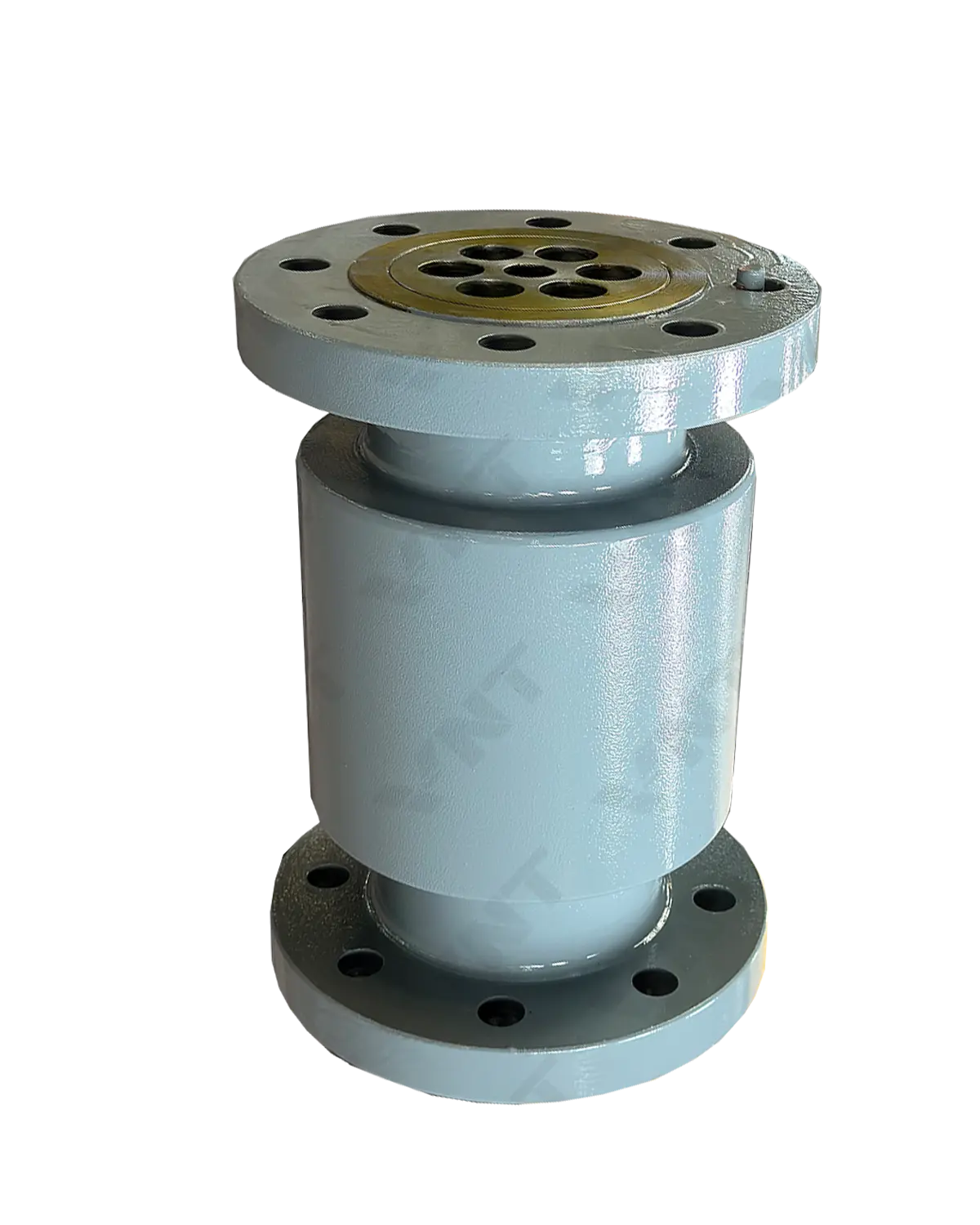
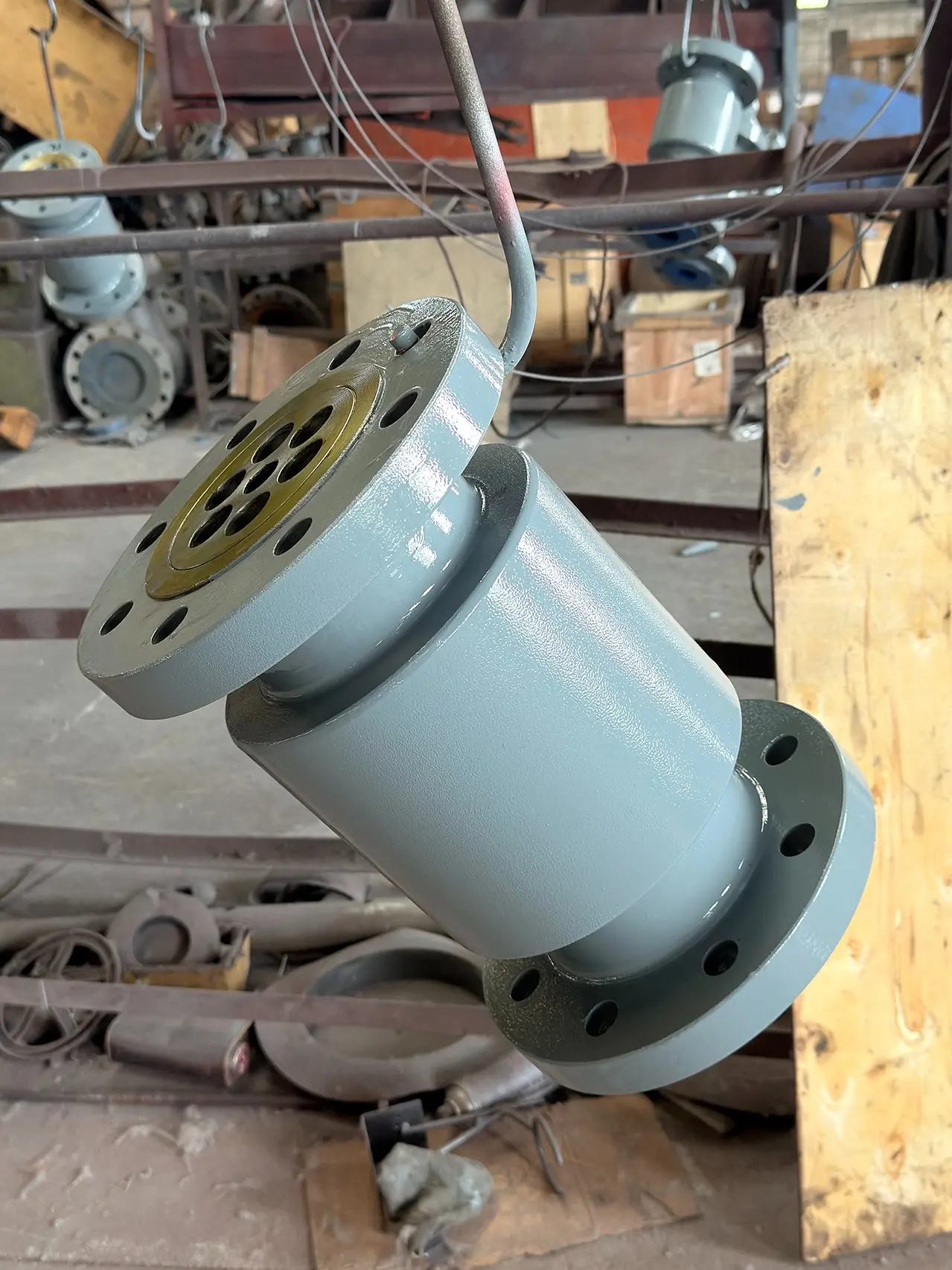
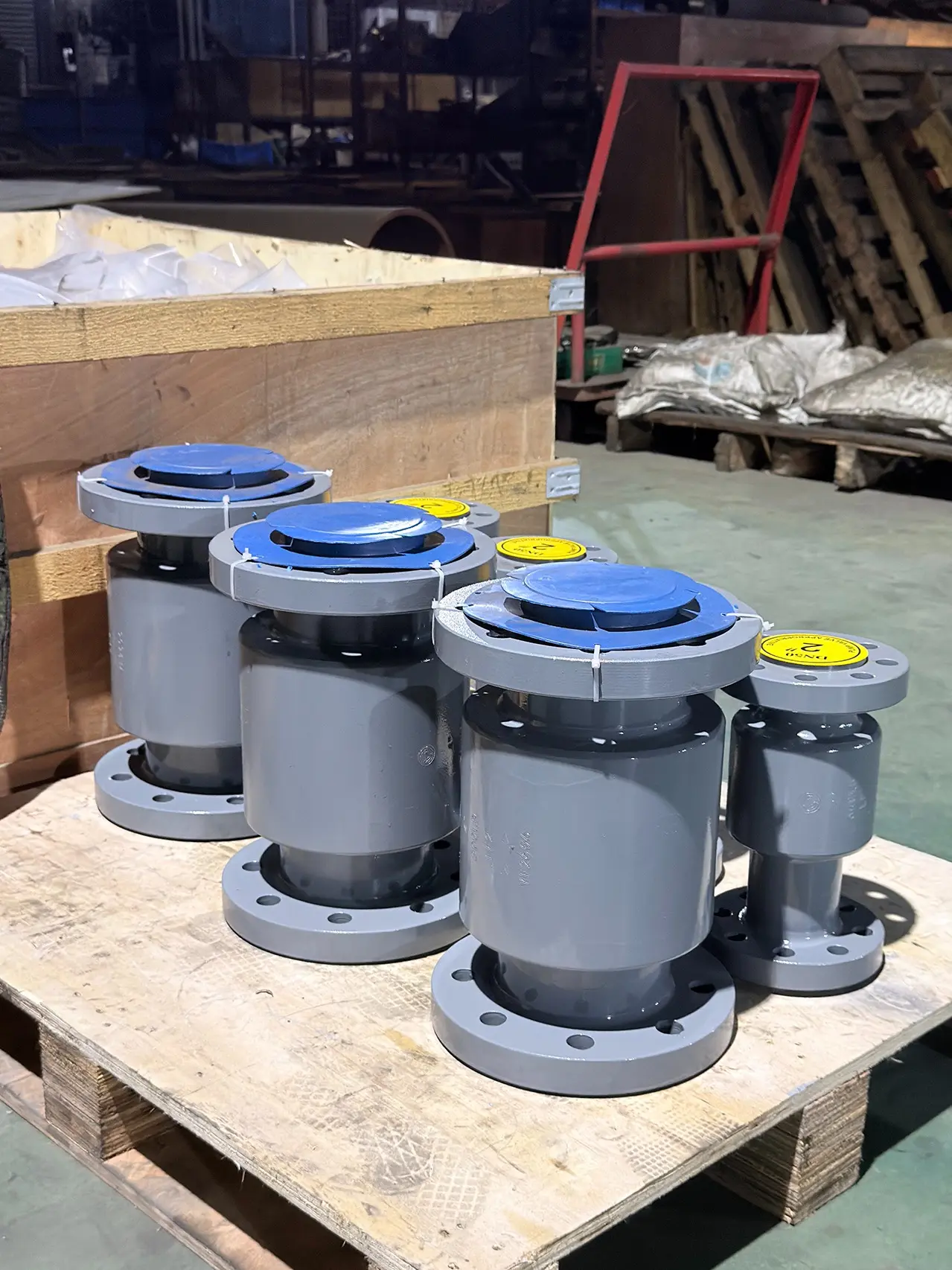
Vertical Check Valve for Upward-Flow Pump Discharge Lines
A vertical check valve for upward-flow pump discharge lines where compact automatic backflow prevention is required.
| Size Range | NPS 1/2″–12″ (DN15–DN300) |
|---|---|
| Standard Pressure Range | Class 150–2500 (PN16–PN420) |
| Special High-Pressure Rating | 4500 lb (PN760) |
| Body Material | Carbon steel, stainless steel, alloy steel, duplex steel, low-temperature steel, nickel-base alloy, titanium alloy, etc. |
| Connection Type | RF, BW, RTJ, etc. |
Frequently Asked Questions
Yes. This product is selected for a vertical pipeline with upward flow. Install it in the direction shown by the body flow arrow and the approved drawing.
No horizontal installation should be assumed for this configuration. Use a valve design specifically approved for the actual piping orientation.
The stated range is NPS 1/2″–12″ (DN15–DN300), with Class 150–2500 (PN16–PN420) standard pressure ratings and a special high-pressure rating of 4500 lb (PN760).
Carbon, stainless, alloy, duplex, low-temperature, nickel-base and titanium alloy materials may be supplied with RF, BW or RTJ ends, subject to size, rating and project requirements.
Provide NPS or DN, pressure class, medium, design pressure, operating temperature, flow rate, minimum differential pressure, body and trim materials, end connection, testing and documentation requirements.
Product Overview
This vertical check valve is engineered for upward-flow installation in vertical pump discharge and process lines. Forward flow moves the internal closure element away from the seat, while falling differential pressure or reverse flow returns it to the closed position.
Installation orientation and flow direction are not interchangeable. Confirm the body flow arrow, approved drawing, minimum differential pressure, operating velocity, allowable pressure drop and potential water-hammer risk for the actual system.
For quotation, provide line size, pressure class, body and trim materials, end connection, design pressure, operating temperature, medium, flow rate, testing and applicable project standard.
- Upward-Flow Installation: Designed for vertical piping with upward flow
- Automatic Non-Return Duty: Operates without external actuation
- Compact Inline Arrangement: Suitable for pump discharge and vertical riser layouts
- Project-Specific Construction: Broad material and RF, BW or RTJ end options
Related Check Valve Selection Guides
← Back to Check Valve ProductsDiscuss Your Vertical Check Valve Requirements
Send your datasheet or line conditions for engineering review and quotation.
Applications, Materials and Engineering Selection
Use the project datasheet to confirm upward-flow orientation, line size, pressure class, end connection, materials, temperature, flow rate, pressure drop and inspection scope.
Typical Applications
- Vertical pump discharge piping and risers
- Power-plant feedwater, steam and high-pressure utility systems
- Process lines requiring compact automatic reverse-flow protection
Material and Trim Options
Carbon, stainless, alloy, duplex, low-temperature, nickel-base and titanium alloy body materials are available. Internal trim, bolting and gasket selections must match the pressure-temperature rating, medium and corrosion requirements.
Technical Points to Verify
- Vertical pipeline with upward flow
- Minimum differential pressure and operating velocity
- Allowable pressure drop and closure response
- Pressure testing, MTC, PMI and NDE when specified
Related: Check Valve Types Guide · Power and Energy Applications · High-Pressure Valve Solutions
Procurement and Inspection Checklist
Select this valve from the complete vertical-piping duty. The upward-flow orientation, hydraulic conditions and pressure-temperature rating must be reviewed together.
- Service data: state NPS or DN, pressure class, medium, design pressure, operating temperature, flow rate and minimum differential pressure.
- Installation: confirm a vertical pipeline with upward flow, body flow arrow, available straight length and approved drawing orientation.
- Construction: confirm body and trim materials, RF/BW/RTJ ends, seat arrangement, bolting and gasket requirements.
- System review: check pressure drop, minimum operating velocity, expected flow variation and potential water-hammer risk.
- Inspection: request MTC, dimensional report, shell and seat tests, plus PMI or NDE when specified.
Review the check valve selection guide, compare power and energy applications, or send the project datasheet for engineering review.