
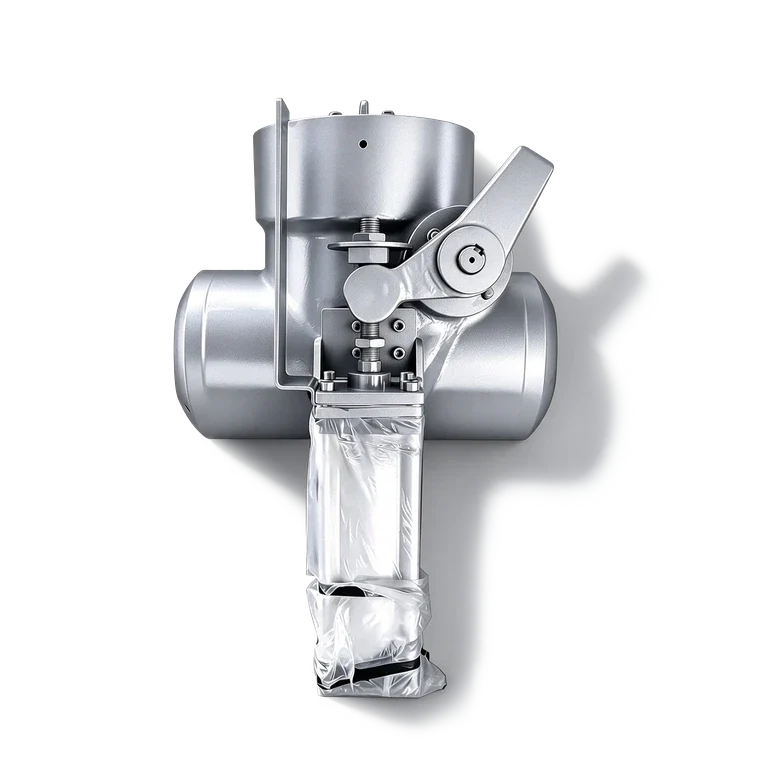
Extraction Steam Quick-Closing Check Valve
Product Description
A steam extraction check valve is a quick closing non return valve for turbine extraction and bleed lines supplying feedwater heaters, a deaerator or process equipment. It combines self-acting backflow prevention with assisted closing for the specified turbine trip duty, helping limit reverse flow of steam and entrained water toward the turbine. Selection must consider normal operation, pressure changes following a trip or load rejection, and the required actuator control arrangement.
Key Features
- Assisted quick closing for turbine trip duty; required closing time and test conditions are agreed for the selected configuration.
- Self-acting non-return function as forward steam flow falls or reverses.
- Pneumatic or hydraulic closing arrangement selected with the project control requirements.
How a Steam Extraction Check Valve Works
Normal steam flow
Forward flow from the turbine opens the check disc. The assisted-closing mechanism must allow the disc to perform its normal check function in the approved operating arrangement.
Falling or reverse flow
As forward flow falls, the disc moves toward its seat under the closing forces of the selected design. Reverse differential pressure contributes to the non-return action.
Turbine trip
The specified trip signal initiates assisted closing. Pneumatic or hydraulic actuation helps move the disc to the closed position, limiting reverse flow from the extraction line and connected equipment.
Control and testing
For a spring-return pneumatic configuration, release of air can allow the stored spring force to assist closure. Confirm the actual circuit, loss-of-air and loss-of-power actions, reset sequence and test procedure for each project.
The valve forms part of the turbine protection arrangement. Heater-level protection, drains and system interlocks must be coordinated by the plant or turbine designer.
General Information
| Size Range | NPS 2–48 |
|---|---|
| Pressure Rating | Class 150–2500 |
| Body Material | Carbon steel, low alloy steel, stainless steel |
| Temperature Range | Material-dependent; confirm against design temperature and pressure–temperature rating. |
| Operation | Pneumatic or hydraulic actuator |
| Design Standard | ASME B16.34 |
| Face to Face Dimension | ASME B16.10 |
| Ends Connections | ASME B16.5 / ASME B16.25 |
| Test & Inspection | API 598 |
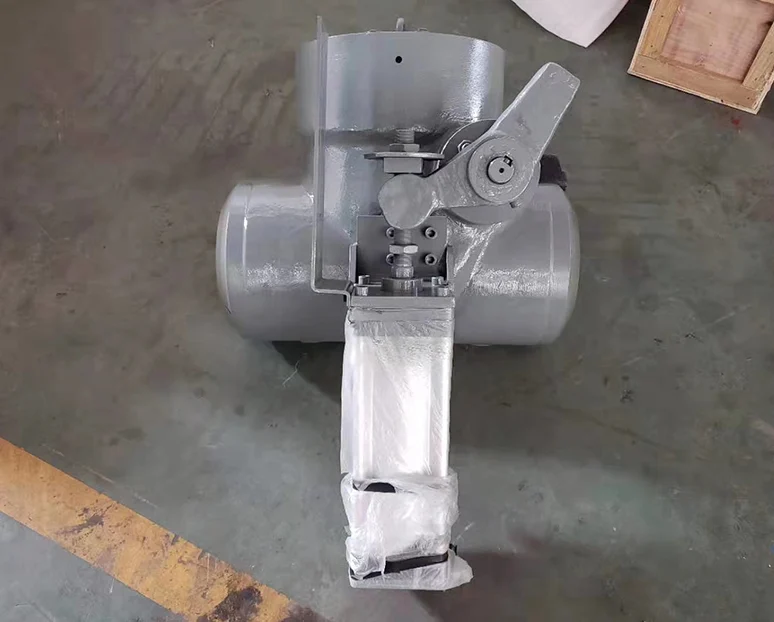
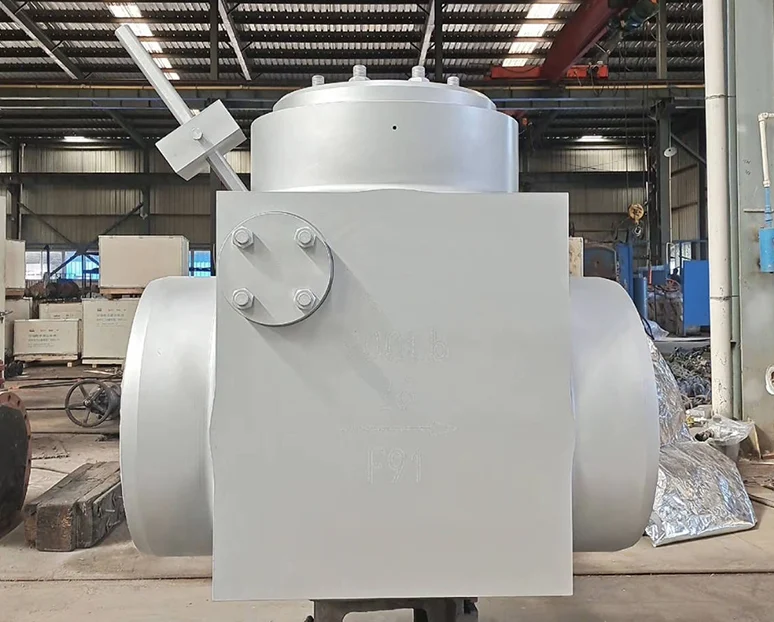
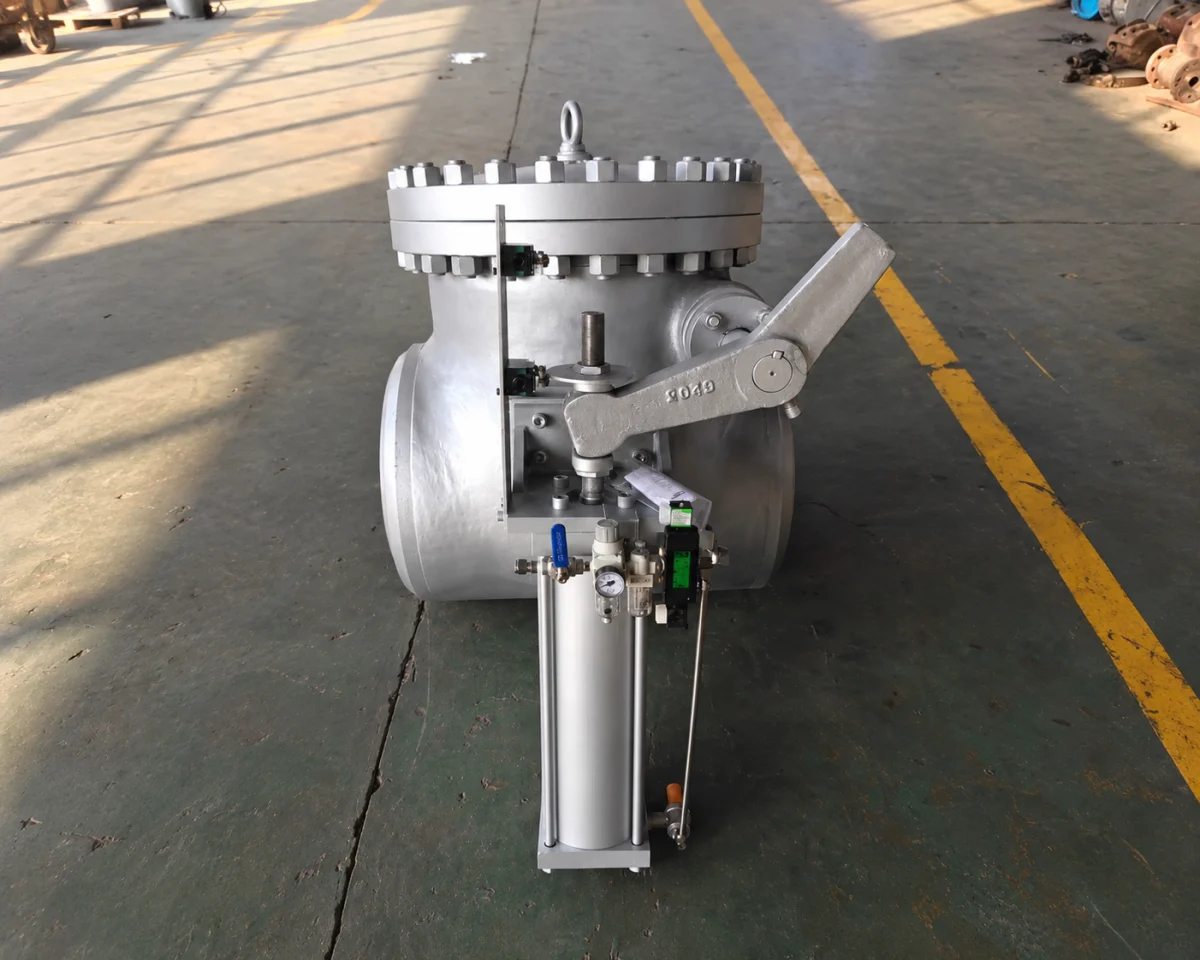
Extraction Check Valve
Selection Information
Send the available datasheet or the information below. Missing details can be identified during technical review.
Submit Your Valve DatasheetOperating Data for Selection
| Steam conditions | Normal and design pressure and temperature; minimum, normal and maximum steam flow; upstream and downstream conditions. |
|---|---|
| Valve and piping | NPS or DN, pressure class, material requirements, end connection, pipe schedule or weld preparation, and required face-to-face dimensions. |
| Closing duty | Required closing time, differential pressure during closure, turbine trip signal, and the agreed start and end points for timing. |
| Actuator and controls | Pneumatic or hydraulic supply range, solenoid voltage, loss-of-supply action, position indication and required control diagram. |
| Installation | Flow direction, horizontal piping layout, actuator mounting side, clearance and any replacement-valve drawings. |
| Inspection and delivery | Quantity, destination, required leakage acceptance, material certificates, inspection plan and functional or closing-time test requirements. |
Valve Project
Case Studies
Explore selected Vornet valve projects for power-generation applications, including gate-valve isolation and pump-protection configurations.
View All Case StudiesRelated Industrial Valves
Related
Documents
Download the Gate, Globe & Check Valve catalogue for the relevant valve family. Request an extraction-steam valve datasheet, GA drawing, pneumatic control diagram and inspection plan for your project.
Explore All Downloads ↗
What is an extraction steam check valve?
It is a non-return valve for steam turbine extraction or bleed lines. It helps prevent steam and entrained water from flowing back toward the turbine. An assisted-closing arrangement can support the required response to a turbine trip.
How is it different from a conventional swing check valve?
A conventional swing check valve relies on its self-acting disc movement and the flow conditions. An extraction quick-closing configuration also has a closing-assist mechanism connected to the specified protection system. The actuator arrangement must permit the intended check function during normal service.
Will the valve close if instrument air or electrical power is lost?
This depends on the actuator and control circuit. A spring-return arrangement can provide stored-energy closing, but the loss-of-air and loss-of-power actions must be stated in the approved control diagram. Do not assume that all pneumatic or hydraulic configurations behave identically.
Can you supply a closing time below one second?
State the required response in the RFQ. Closing time must be confirmed for the selected size, differential pressure, actuator supply and control arrangement. Agree whether timing starts at the trip signal or actuator movement, and whether it ends at disc seating or the closed indication.
What should I specify when requesting a quotation?
Provide steam conditions, minimum and maximum flow, line size, pressure class, materials, connections, required closing duty, actuator supply, control signals, installation drawing and quantity. The selection checklist above can be used with your project datasheet.
Can the valve be installed in horizontal or vertical piping?
The listed installation is horizontal. Confirm flow direction, actuator mounting side and maintenance clearance against the approved general arrangement drawing. Vertical installation requires a separately reviewed design and must not be assumed suitable.
How is the temperature rating selected?
The allowable service temperature depends on the actual body and trim materials, pressure rating and design requirements. Confirm the design pressure and temperature together; the highest temperature of one material grade does not apply to every valve configuration.