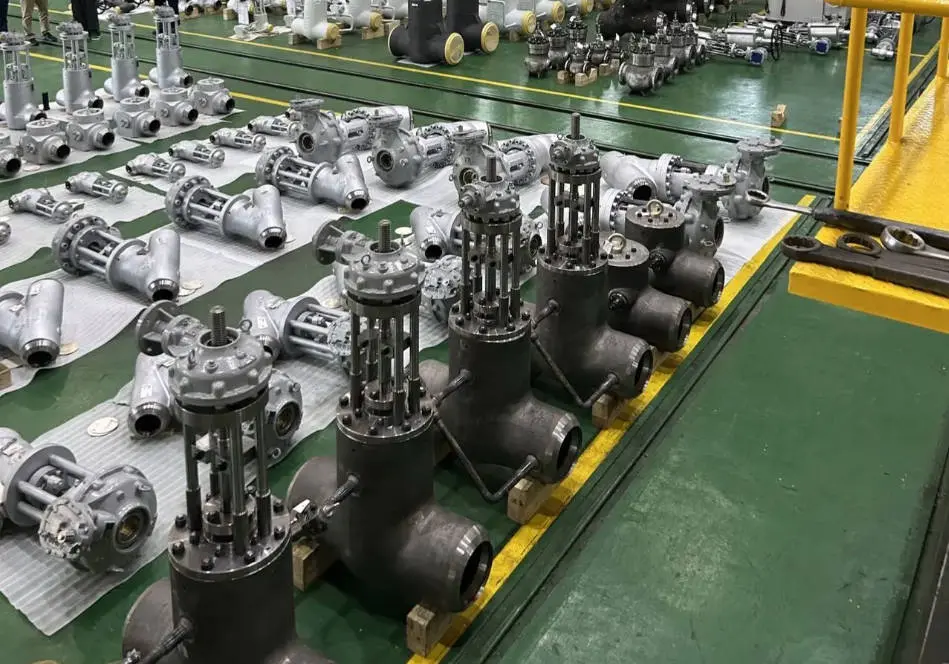
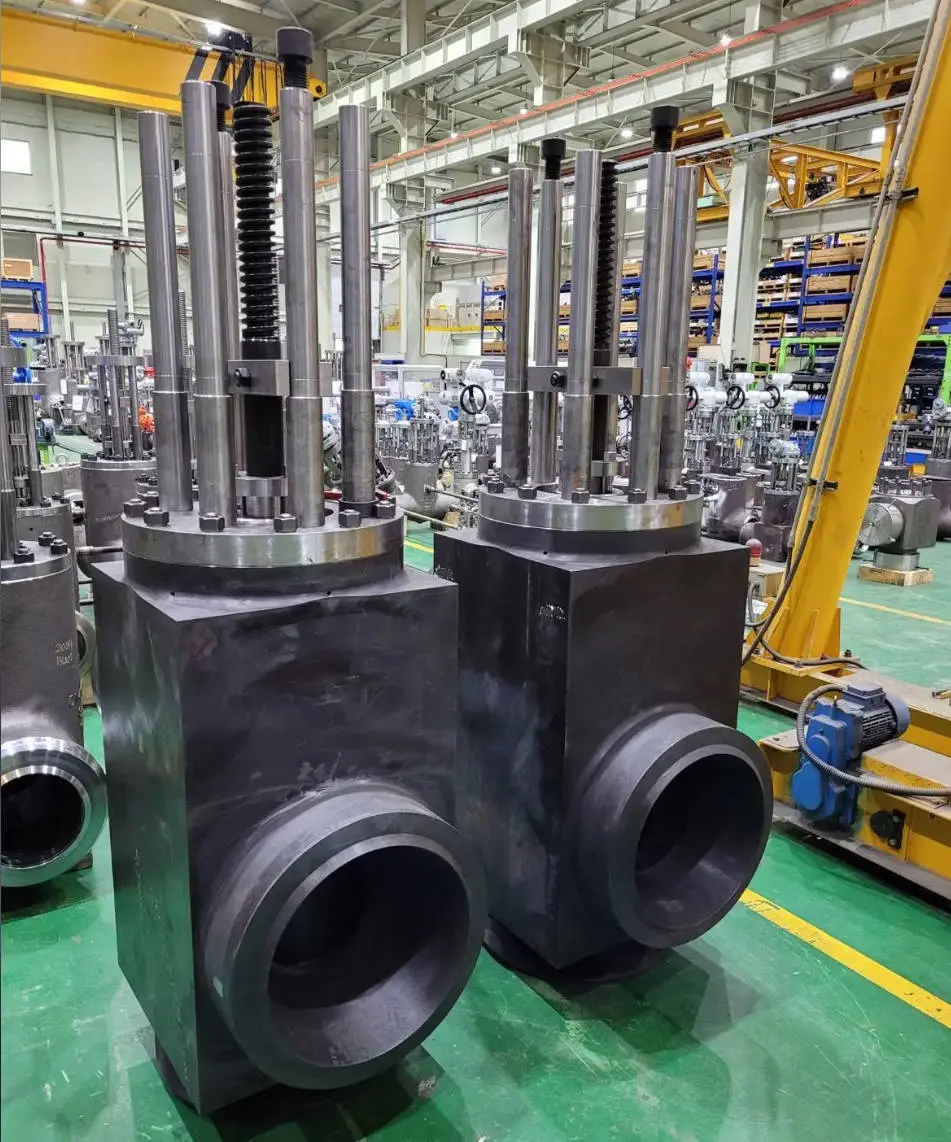
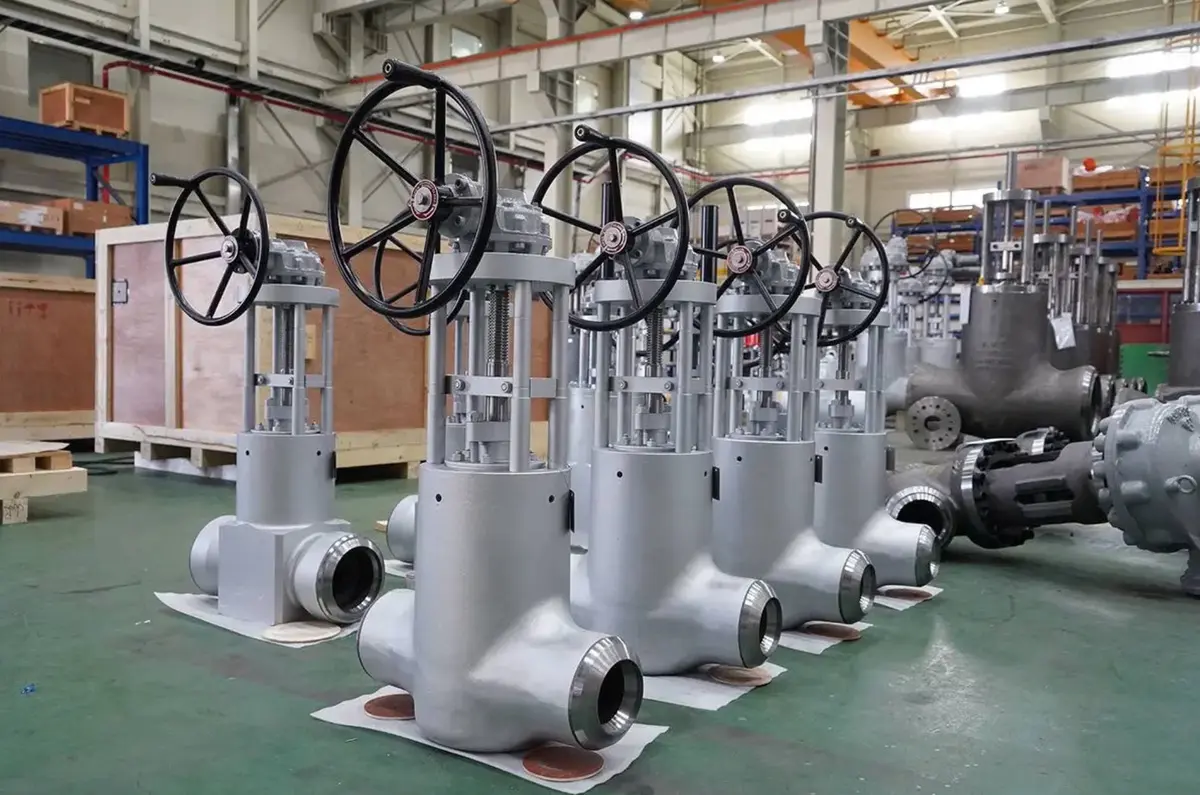
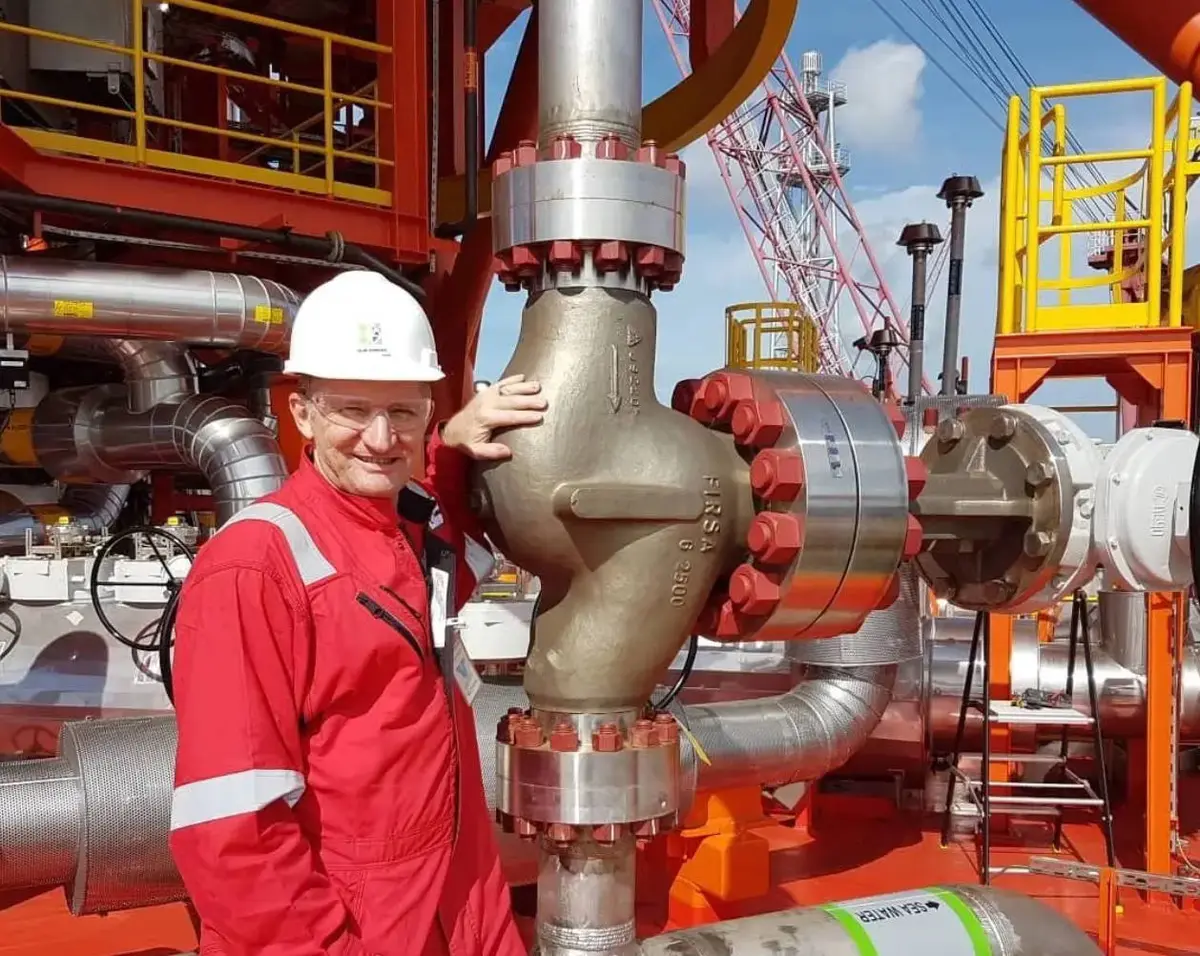
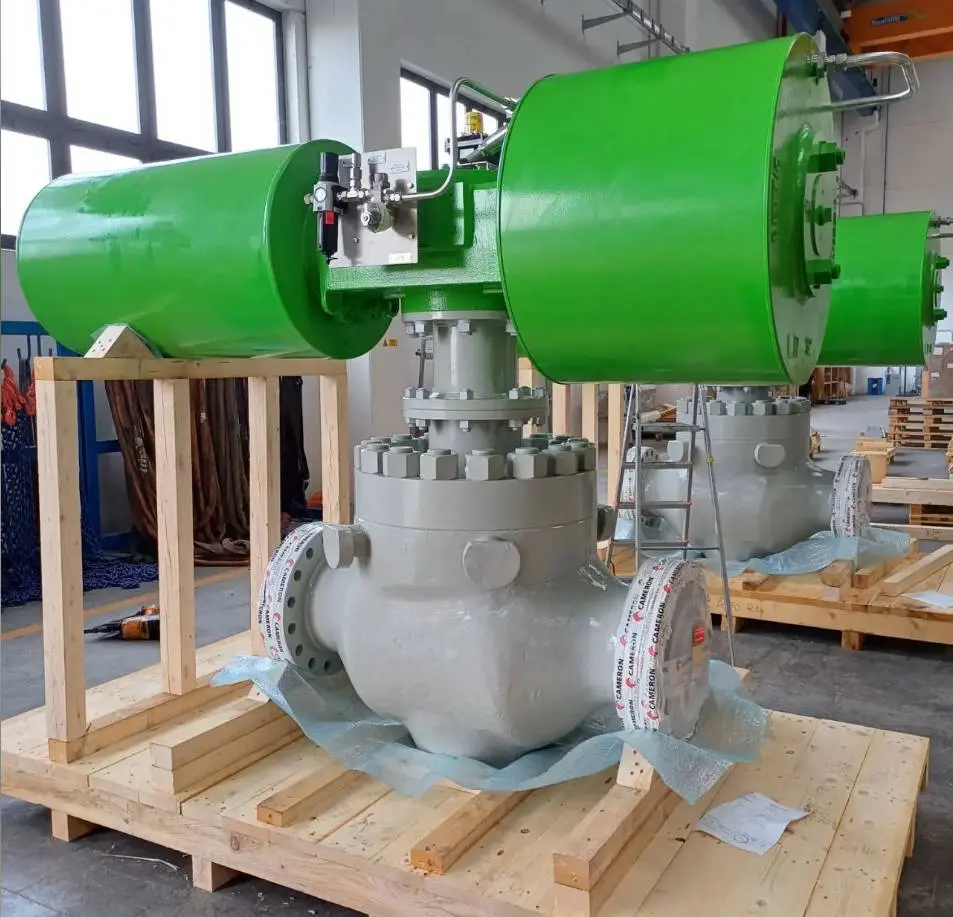
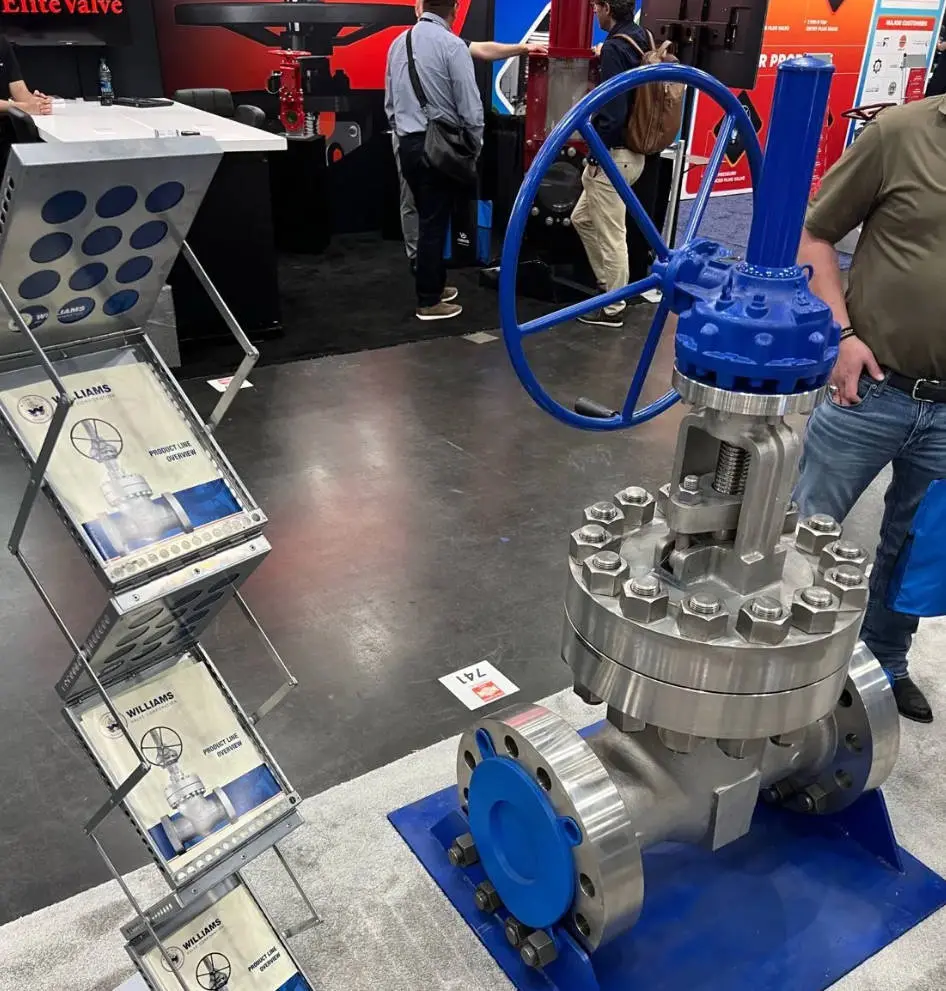
Задвижки являются одними из наиболее фундаментальных и широко используемых запорных клапанов в промышленных трубопроводных системах по всему миру. Являясь критически важным двухпозиционным клапаном с линейным перемещением, задвижка обеспечивает беспрепятственный полнопроходной поток с минимальным перепадом давления в полностью открытом положении, что делает его предпочтительным выбором для изоляции магистральных трубопроводов, операций очистки скребков и технологических трубопроводов высокой пропускной способности. Для специалистов по закупкам B2B, EPC-подрядчиков и групп технического обслуживания предприятий выбор правильной конфигурации задвижек напрямую определяет надежность системы, эксплуатационную безопасность и общую стоимость жизненного цикла. В этом руководстве по выбору промышленных задвижек систематически представлены 7 основных технических факторов, которые определяют решения о закупках задвижек в нефтегазовой, нефтехимической, энергетической, водоочистной и морской отраслях.
Задвижки работают, поднимая прямоугольную или клиновидную заслонку с пути потока, обеспечивая прямой канал с незначительной турбулентностью. В отличие от проходных клапанов, которые дросселируют поток, задвижки предназначены исключительно для полностью открытого или полностью закрытого режима работы — частичное открытие вызывает вибрацию затвора, эрозию седла и ускоренный износ. Понимание этого фундаментального эксплуатационного ограничения является первым шагом на пути к правильному подбору размеров задвижек и материалов для промышленных трубопроводных проектов B2B.
1. Анализ средней собственности
1.1 Химические свойства. Коррозионная активность определяет материал корпуса
Химическая природа технологической среды является наиболее важным фактором, определяющим выбор материала корпуса задвижки и трима. Различные агрессивные среды требуют специфических металлургических решений:
- Углеродистая сталь (WCB/WCC): Suitable for non-corrosive or mildly corrosive services — water, steam, oil, natural gas, and neutral hydrocarbon fluids at moderate temperatures. The most economical choice for general industrial water and hydrocarbon mainline isolation.
- Нержавеющая сталь 304 (CF8): Provides good oxidation and mildly acidic corrosion resistance. Suitable for food-grade, pharmaceutical, and atmospheric corrosive environments where chloride levels are low. Resists nitric acid and organic acid at ambient to moderate temperatures.
- Нержавеющая сталь 316 (CF8M): Molybdenum-enhanced austenitic stainless steel offering superior pitting resistance in chloride-bearing environments. The standard choice for chemical processing, marine atmosphere, coastal installations, and mildly acidic chloride-containing streams.
- Дуплексная нержавеющая сталь (4A/5A): Combines high strength with excellent chloride stress corrosion cracking resistance. Ideal for seawater cooling, offshore platform firewater, and high-pressure corrosive gas production piping where both mechanical strength and corrosion resistance are required.
- Хастеллой C276: Premium nickel-chromium-molybdenum alloy for extreme corrosive service — hydrochloric acid, hot sulfuric acid, wet chlorine gas, and high-temperature mixed acid environments. Reserved for the most aggressive chemical process duty where standard stainless grades fail.
1.2 Физическое состояние: среда, насыщенная частицами, нуждается в специальной конструкции
Технологические жидкости, содержащие взвешенные твердые вещества, частицы катализатора, суспензию или среды, склонные к кристаллизации, представляют собой уникальные проблемы для задвижек. Стандартные конструкции клиновых затворов задерживают частицы между клином и поверхностями седла, предотвращая полное закрытие и вызывая задиры на седле. Для трубопроводов, содержащих частицы, необходимы следующие конструктивные изменения:
- Укажите параллельные шиберные задвижки с плавающими седлами, которые самовыравниваются и очищаются во время каждого цикла хода.
- Встроенные отверстия для промывки полости корпуса для удаления скопившихся твердых частиц из мертвого пространства корпуса клапана.
- Выбирайте седла с твердой поверхностью и накладкой из стеллита или карбида вольфрама для обеспечения стойкости к истиранию.
- Рассмотрите ножевые задвижки со скошенными кромками, которые прорезают осевшие твердые частицы и суспензии, содержащие волокна, для специализированных применений.
- Для потоков с высоким содержанием катализатора (FCCU, установка коксования) необходимо использовать конструкции с параллельными шиберами с направляющими дисками и увеличенными полостями корпуса для предотвращения скопления твердых частиц и заклинивания шиберов.
2. Ключевые параметры условий эксплуатации
2.1 Рабочее давление и импульсное давление
Выбор класса давления задвижки должен учитывать как установившееся рабочее давление, так и кратковременные скачки давления. Номинальные значения давления, соответствующие отраслевым стандартам, соответствуют обозначениям классов ASME B16.34:
- Класс 150: Standard duty for water, low-pressure steam, and general utility services up to 19.6 bar at ambient temperature
- Класс 300: Medium-pressure hydrocarbon, chemical process, and refinery transfer lines up to 51.1 bar
- Класс 600: High-pressure production manifolds, wellhead isolation, and compressor station piping up to 102.1 bar
- Класс 900/1500: High-integrity pressure isolation for deep-well production, supercritical steam, and high-pressure gas transmission
- Класс 2500: Extreme pressure service for ultra-deep wells, HIPPS-protected segments, and supercritical power plant applications
Для жидкостных трубопроводов, подверженных гидроударам, выбранный класс давления задвижки должен превышать максимальное пиковое давление как минимум в 1,1 раза, чтобы предотвратить утечку соединений корпуса и деформацию седла. Также необходимо оценить сценарии аварийных остановов и аварийных остановов газопровода.
2.2 Рабочая температура и экстремальная температура
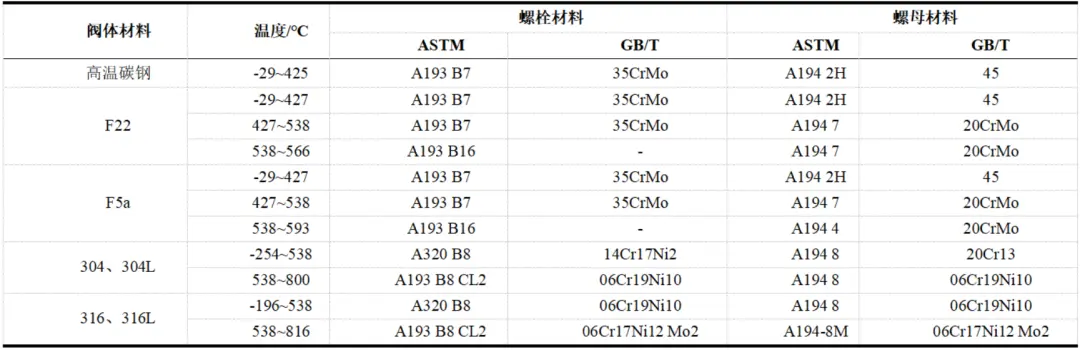
Экстремальные температуры фундаментально изменяют механические свойства материала, целостность уплотнений и требования к рабочему крутящему моменту. Выбор материала задвижки должен соответствовать полному диапазону рабочих температур:
- Криогенная работа (от -196°C до -29°C): Extended bonnet designs with stainless steel body/bonnet in CF8M or CF3M. The extended bonnet moves the stem packing away from the cold zone to maintain seal integrity. LNG, liquid oxygen, and liquid nitrogen gate valves require degreased, moisture-free assembly and cryogenic type-testing per BS 6364.
- Низкая температура (от -29°C до 0°C): Low Carbon Steel (LCC) or 3.5% Nickel steel body per ASME B16.34 low-temperature requirements. Impact-tested materials per ASME SA-352 ensure ductile fracture behavior below the nil-ductility transition temperature.
- Умеренная температура (от 0°C до 425°C): Standard carbon steel WCB bodies with graphite-based flexible graphite stem packing and spiral-wound gaskets. This covers the majority of refinery, petrochemical and power plant gate valve applications.
- Высокая температура (от 425°C до 570°C): Chrome-molybdenum alloy steel bodies (WC6, WC9, C5, C12) with Stellite-hardfaced seat rings and gate guide rails. Required for superheated steam, hot oil, and high-temperature hydrocarbon services.
- Экстремальная температура (>570°C): Austenitic stainless steel or nickel-alloy bodies with full hard-facing of all sliding contact surfaces. Reserved for refinery fired heater isolation, FCCU regenerator slide valve service, and supercritical boiler applications.
Необходимо строго соблюдать температурные понижения согласно таблицам «давление-температура» ASME B16.34 — задвижка из углеродистой стали класса 300, рассчитанная на давление 51,1 бар при 38 °C, может быть рассчитана только на давление 25,9 бар при 425 °C.
2.3 Расход трубопровода и номинальный диаметр
Задвижки по своей сути представляют собой полнопроходную конструкцию; диаметр отверстия седла соответствует внутреннему диаметру трубы, чтобы минимизировать падение давления и обеспечить возможность очистки скребками. При выборе задвижек для технологических трубопроводов:
- Ду клапана (номинальный диаметр) должен соответствовать номинальному диаметру соединительной трубы для эксплуатации запорного клапана магистрали.
- Для высокоскоростных газопроводов (>30 м/с) убедитесь, что затвор в полностью открытом положении находится вне потока потока, чтобы предотвратить вибрацию затвора, вызванную потоком.
- Для жидкостных трубопроводов со скоростью потока более 5 м/с убедитесь, что силы посадки затвора превышают гидродинамические подъемные силы.
- Задвижки большого диаметра (DN600 и выше) обычно требуют привода или механического привода из-за массы затвора и требований к усилию при посадке/высвобождении.
- Для приложений с малым расходом или дозирующим байпасом задвижки с уменьшенным проходным отверстием или Вентури обеспечивают экономию веса и затрат при сохранении функциональности запорного клапана.
3. Классификация конструктивного типа задвижки
Конфигурация внутреннего затвора и седла определяет, как клапан обеспечивает принудительное закрытие, и является основным фактором, определяющим пригодность к эксплуатации в различных температурных диапазонах, классах давления и условиях среды.
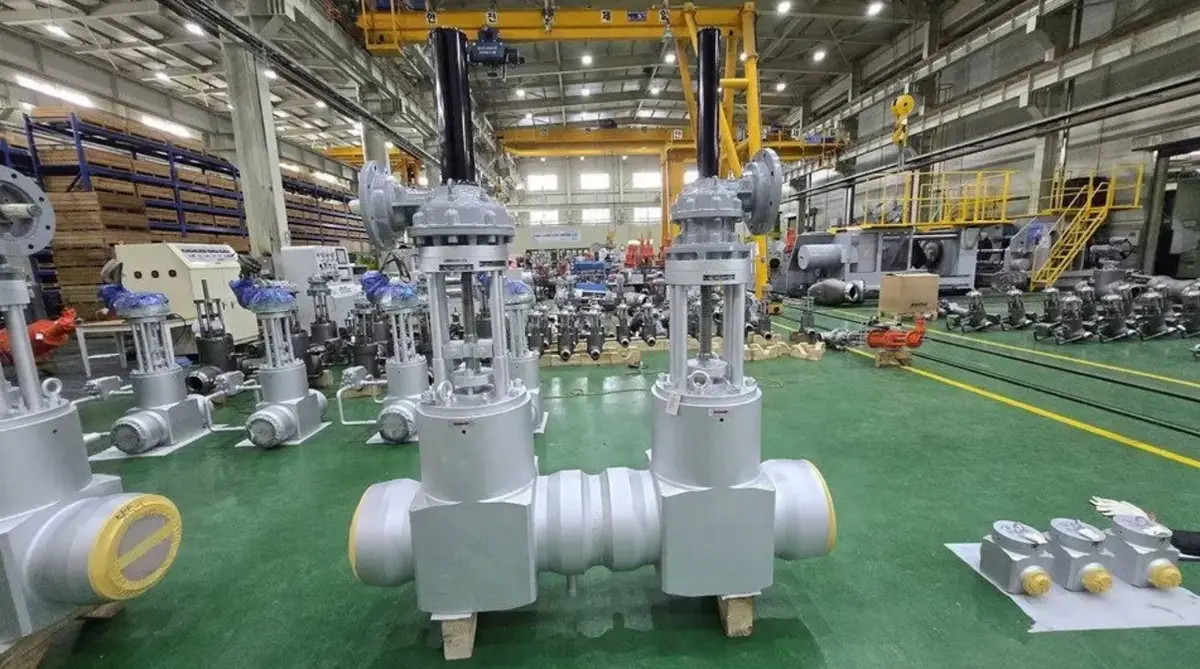
3.1 Клиновая задвижка
The клиновая задвижка features a single wedge-shaped gate that seats against matching tapered body seats. Wedge tightening action creates high seating stress for positive metal-to-metal shutoff. Two sub-types serve different temperature ranges:
- Гибкий клин (от -29°C до 425°C): The gate incorporates a machined peripheral groove or slot that allows the wedge faces to flex independently and self-align with the body seats during closure. This flexibility compensates for minor thermal misalignment and seat wear, maintaining leak-tight sealing in moderate-temperature thermal cycling services. The flexible wedge design tolerates body distortion from pipeline stress better than solid wedge variants, making it the preferred choice for above-ground piping subject to ambient temperature swings.
- Цельный одиночный клин (от -29°C до 570°C): A one-piece rigid wedge without any flexibility provision. The solid construction provides maximum mechanical integrity and resistance to flow-induced vibration at elevated temperatures. However, the rigid wedge is susceptible to thermal binding — if the valve is closed hot and allowed to cool, differential contraction between the wedge and body seats can lock the gate in the closed position. Solid wedge gate valves are therefore best specified for services where the valve remains in one position for extended periods (normally open block valves) or where operating temperature is constant.
3.2 Клиновая двойная задвижка (от -29°C до 570°C)
В клиновой конструкции с двойными затворами (или раздельно-клиновыми) используются два отдельных затворных диска с центральным разбрасывающим механизмом — обычно шаровым или коническим разбрасывателем между дисками. Когда шток толкается вниз, распределитель выталкивает оба диска наружу, прижимая их к соответствующим седлам корпуса, создавая независимую силу посадки с каждой стороны. Эта конфигурация предлагает явные преимущества:
- Обе поверхности затвора фиксируются независимо друг от друга, что компенсирует производственные допуски и дифференциальное тепловое расширение между входной и выходной сторонами.
- Конструкция плавающего диска исключает риск термического заедания — даже если происходит тепловое сжатие, диски не фиксируются механически на седлах.
- Конструкция с двумя дисками обеспечивает превосходную целостность уплотнения при двунаправленном давлении, что делает ее подходящей для изоляции с блокировкой и стравливанием, когда давление может поступать с любого направления.
- Обычно используется в высокотемпературных нефтеперерабатывающих заводах (линии подачи коксования, висбрекинга, гидрокрекинга) до 570°C.
3.3 Параллельная задвижка
Задвижки параллельные employ a плоские ворота with parallel seating faces, using either a spring-energized spreading mechanism or line pressure to achieve downstream sealing. Two configurations cover different service ranges:
- Параллельный одинарный затвор (от -29°C до 350°C): A single flat gate disc positioned between parallel body seats, relying on downstream line pressure pushing the gate against the downstream seat for positive shutoff. The upstream seat experiences reduced sealing force at low differential pressures — this design is therefore oriented specifically with the pressure direction marked on the body. Parallel single gate valves excel in high-cycle isolation duties (tank farm manifold valves, loading rack isolation) where rapid open/close operation and minimal seat wear are required.
- Параллельный двойной затвор (от -29°C до 570°C): Two independent gate discs with an internal spring or mechanical spreading mechanism that energizes both discs against their respective seats regardless of line pressure direction. This design provides true bi-directional tight shutoff and eliminates the orientation sensitivity of single-disc parallel gates. Parallel double gate valves are the standard choice for mainline block valves in gas transmission pipelines, refinery process unit isolation, and power plant steam header isolation where reliable bi-directional sealing at elevated temperatures is mandatory.
4. Режим срабатывания
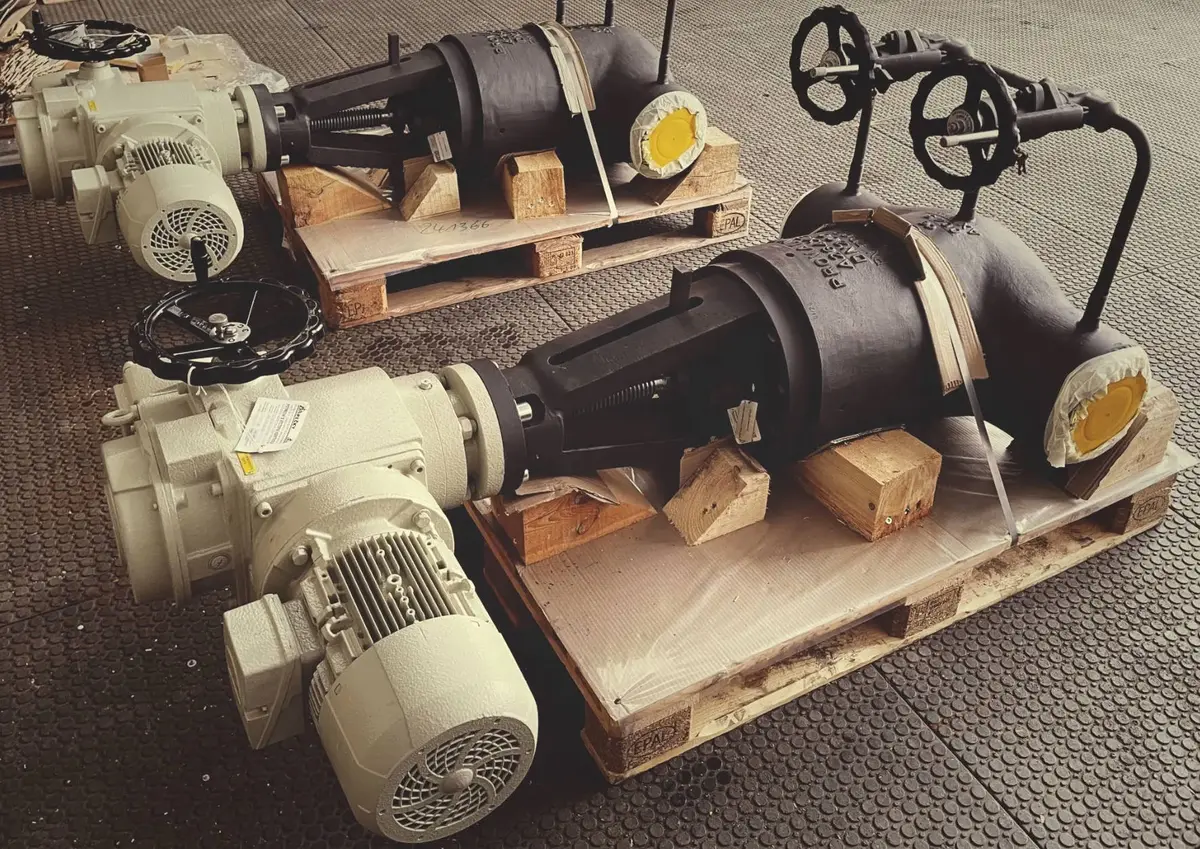
Выбор привода задвижки зависит от размера клапана, рабочей частоты, доступности, требований безопасности и философии автоматизации:
- Ручной маховик: The most economical and reliable actuation method for gate valves up to DN300 in accessible locations with infrequent operation. Rising stem (OS&Y) handwheel-operated gate valves provide visual stem position indication — an important safety feature for field operators. For valves DN350 and above, a bevel gear operator reduces handwheel rim pull forces to practical limits. Manual gate valves remain the backbone of refinery unit block valve isolation where valves are operated only during turnaround maintenance.
- Электрический привод: Multi-turn electric actuators provide remote operation capability with precise position feedback, torque monitoring, and programmable stroke limits. Essential for valves in hazardous or inaccessible locations — tank roof isolation, buried valve pits, high-elevation pipe racks, and process areas requiring operator evacuation during emergencies. Modern intelligent electric actuators support Modbus, Foundation Fieldbus, and HART communication protocols for integration into plant DCS and asset management systems. Electric actuation is also mandatory for emergency shutdown (ESD) gate valves requiring fail-in-place or fail-close functionality with SIL-rated safety integrity.
- Пневматический привод: Pneumatic piston or scotch-yoke actuators deliver rapid stroke times (typically 3–15 seconds for full travel) for safety-critical isolation. Pneumatic gate valves are specified where fast emergency closure is required, where electrical power is unreliable, or where explosive atmospheres make electric actuation costly due to explosion-proof certification requirements. Spring-return pneumatic actuators achieve fail-safe close or fail-safe open functionality through stored spring energy without any external power source. Common in offshore platform firewater deluge systems, refinery ESD block valves, and gas processing plant emergency isolation.
5. Типы соединений трубопроводов
Торцевые соединения задвижки должны соответствовать характеристикам трубопровода, обеспечивая при этом механическую целостность под давлением, температурой и внешними нагрузками:
- Фланцевое соединение: The universal standard for industrial gate valves from DN15 through DN3000. ASME B16.5 raised face (RF) flanges provide positive gasket sealing with bolted joint integrity. For higher integrity, RTJ (ring-type joint) flanges with octagonal metal ring gaskets are specified for Class 900 and above, high-temperature hydrogen service, and cyclic pressure/fatigue duty. Flanged gate valves allow straightforward removal for maintenance without cutting pipe — essential for refinery and chemical plant installations where process unit turnaround windows are critical.
- Резьбовое соединение (NPT/гнездо): Cost-effective for small-bore gate valves (typically DN15–DN50, Class 800 and below) in utility services — instrument air, sampling lines, chemical injection quills, and drain/vent connections. Threaded gate valves eliminate welding costs but are limited to non-critical, low-vibration services where threaded joint leakage risk is acceptable.
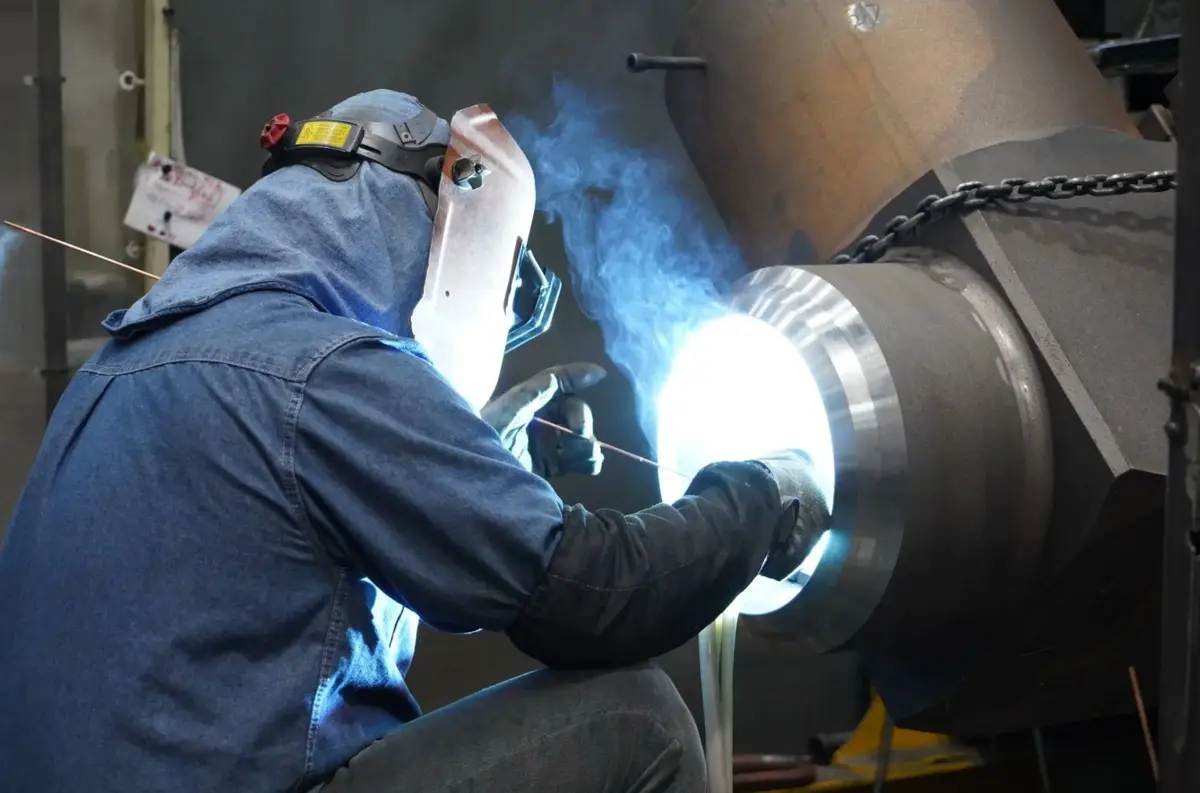
- Сварное соединение: Butt-weld (BW) end gate valves provide a permanent, leak-free connection for high-integrity pipelines where zero fugitive emissions are mandatory. Socket-weld (SW) ends serve small-bore high-pressure lines. Butt-weld gate valves are the industry standard for gas transmission pipelines, supercritical steam lines, high-pressure hydrogen service, and any application where flanged joint leakage or gasket degradation is unacceptable over the design life. Welded gate valves require field cutting for removal, so their use is reserved for permanent mainline installations with design lives of 25+ years.
6. Промышленные стандарты и квалификация
Проектирование, производство и испытания задвижек должны соответствовать международно признанным стандартам, которые определяют требования к материалам, номинальным значениям давления и температуры, размерным границам раздела и протоколам обеспечения качества:
- API 600 — Стальные задвижки: The primary standard governing bolted bonnet steel gate valves for refinery, petrochemical, and natural gas industries. API 600 defines body/bonnet wall thickness, gate/seat design requirements, stem diameter minima, packing dimensions, and pressure-temperature ratings. Valves stamped with the API 600 monogram have been manufactured by an API-licensed facility under API Q1 quality management system oversight.
- API 602 — Компактные стальные задвижки: Governs small-bore (DN50 and smaller) gate valves with threaded, socket-weld, or flanged ends for refinery and chemical plant services. API 602 gate valves feature compact body designs optimized for high-pressure small-bore isolation in tight piping configurations.
- ASME B31.1 — Силовые трубопроводы: Defines the design, materials, fabrication, erection, and testing requirements for gate valves installed in power plant boiler external piping, steam distribution, and balance-of-plant piping systems. Gate valves specified for power generation must bear ASME B31.1-compliant material certifications and pressure-temperature ratings.
- ISO 5208 — Испытание промышленных клапанов под давлением: The international standard for shell strength and seat leakage acceptance criteria during production pressure testing. ISO 5208 defines leakage rate classes (Rate A through Rate D) for both metal-seated and soft-seated gate valves. Procurement specifications shall reference the required ISO 5208 seat tightness class — typically Rate B or better for critical isolation gate valves.
Помимо опубликованных стандартов, группы закупок B2B должны проверять квалификацию производителя задвижек с помощью документированных протоколов испытаний на пожаробезопасность, сертификации неорганизованных выбросов в соответствии с ISO 15848-1 и отчетов о положительной идентификации материалов (PMI) для материалов корпуса и отделки из сплавов. Производители, имеющие собственные возможности неразрушающего контроля (RT, UT, PT, MT в соответствии с разделом V ASME) и прошедшие гидростатические испытания корпуса/седла, обеспечивают высочайшую уверенность в качестве поставляемого клапана.
Заключение
Выбор задвижки для закупок промышленных трубопроводов B2B — это многомерное инженерное решение, включающее химический состав среды, диапазон давления и температуры, тип конструкции, принцип срабатывания и спецификации соединения. Систематическая 7-факторная система оценки, представленная в этом руководстве — анализ свойств среды, условий эксплуатации, конструктивного типа затвора, режима срабатывания, типа соединения и соответствия отраслевым стандартам — предоставляет специалистам по закупкам и инженерам-проектировщикам структурированную методологию для технических спецификаций задвижек.
The optimal gate valve selection balances technical performance requirements against total lifecycle cost. An API 600 carbon steel задвижка с гибким клином и фланцем with manual handwheel operation may be the correct choice for an ambient-temperature water mainline isolation valve, while the same size line in high-pressure hydrogen service at 450°C demands a Задвижка цельноклиновая WC9 with butt-weld ends, Stellite hard-facing, and electric actuation with SIL-2 ESD functionality. Applying the seven core factors systematically ensures that each gate valve procurement decision serves the required process duty safely, reliably, and cost-effectively over the full asset lifecycle.
Часто задаваемые вопросы
Вопрос 1: Какова основная функция задвижки в промышленных трубопроводах?
Gate valves are isolation (on/off) valves designed for fully open or fully closed service. They provide a straight-through unobstructed flow path with minimal pressure drop when open and achieve positive metal-to-metal shutoff when closed. Gate valves are not designed for throttling or flow regulation — partial opening causes gate vibration, seat erosion, and premature failure.
В2: Как выбрать правильный материал корпуса задвижки?
Gate valve body material selection is primarily driven by the chemical corrosivity of the process medium. Carbon steel (WCB) for non-corrosive water/oil/gas; 304 SS (CF8) for mildly corrosive food/chemical service; 316 SS (CF8M) for chloride-containing chemical and marine environments; duplex stainless for high-strength seawater applications; and Hastelloy C276 for extreme acid and wet chlorine service. Operating temperature range and pressure class further refine material grade selection per ASME B16.34.
Q3: В чем разница между задвижками с твердым клином и гибким клином?
Solid wedge gate valves feature a one-piece rigid gate providing maximum mechanical strength and vibration resistance up to 570°C, but are susceptible to thermal binding if closed hot and allowed to cool. Flexible wedge gate valves incorporate a machined flexibility slot in the gate, allowing the wedge faces to self-align with body seats during thermal cycling up to 425°C. Flexible wedges are preferred for services with temperature fluctuations; solid wedges are preferred for constant-temperature high-vibration applications.
В4: Когда мне следует выбирать параллельную задвижку вместо клиновой задвижки?
Parallel gate valves are preferred for high-cycle isolation duties, particle-laden media, and applications requiring reliable bi-directional sealing. Parallel double gate valves with spring-energized spreading mechanisms provide consistent sealing force independent of line pressure direction at temperatures up to 570°C. Parallel single gate valves are suitable for dedicated directional flow applications up to 350°C. Wedge gate valves generally offer tighter low-pressure shutoff due to wedge mechanical advantage.
Вопрос 5: Какие стандарты API регулируют проектирование промышленных задвижек?
API 600 is the primary standard for bolted bonnet steel gate valves (DN50 and larger) for refinery and petrochemical service. API 602 covers compact steel gate valves DN50 and smaller. Both standards define body wall thickness, gate/seat design, stem dimensions, and pressure-temperature ratings. API-licensed manufacturers operate under API Q1 quality management oversight.
В6: Когда требуется электропривод для задвижек?
Electric actuation is required for gate valves in remote or hazardous locations, valves DN350 and larger where manual operation forces exceed practical handwheel rim pull limits, emergency shutdown (ESD) valves requiring SIL-rated fail-safe functionality, and automated process control isolation valves integrated into plant DCS systems. Intelligent electric actuators with network communication protocols also provide valve health monitoring and predictive maintenance diagnostics.
Вопрос 7: Какой тип соединения лучше всего подходит для задвижек высокого давления?
For high-pressure gate valves (Class 600 and above), butt-weld (BW) end connections provide the most reliable leak-free joint with zero fugitive emissions risk over decades of service. For applications requiring maintenance access without pipe cutting, RTJ (ring-type joint) flanged connections with octagonal metal ring gaskets per ASME B16.5 are the standard choice for high-pressure hydrogen, steam, and hydrocarbon services.
Вопрос 8: Как температура влияет на номинальное давление задвижки?
Gate valve pressure ratings must be de-rated at elevated temperatures per the ASME B16.34 pressure-temperature tables. For example, a Class 300 carbon steel (WCB) gate valve rated at 51.1 bar at 38°C is only rated for approximately 25.9 bar at 425°C. Chrome-molybdenum alloy (WC6/WC9) and stainless steel bodies maintain higher pressure ratings at elevated temperatures. Procurement specifications must reference the pressure-temperature table for the selected body material at the maximum operating temperature.
For inquiries about gate valve selection, technical quotation, custom manufacturing, or bulk procurement, свяжитесь с нашей командой инженеров.