
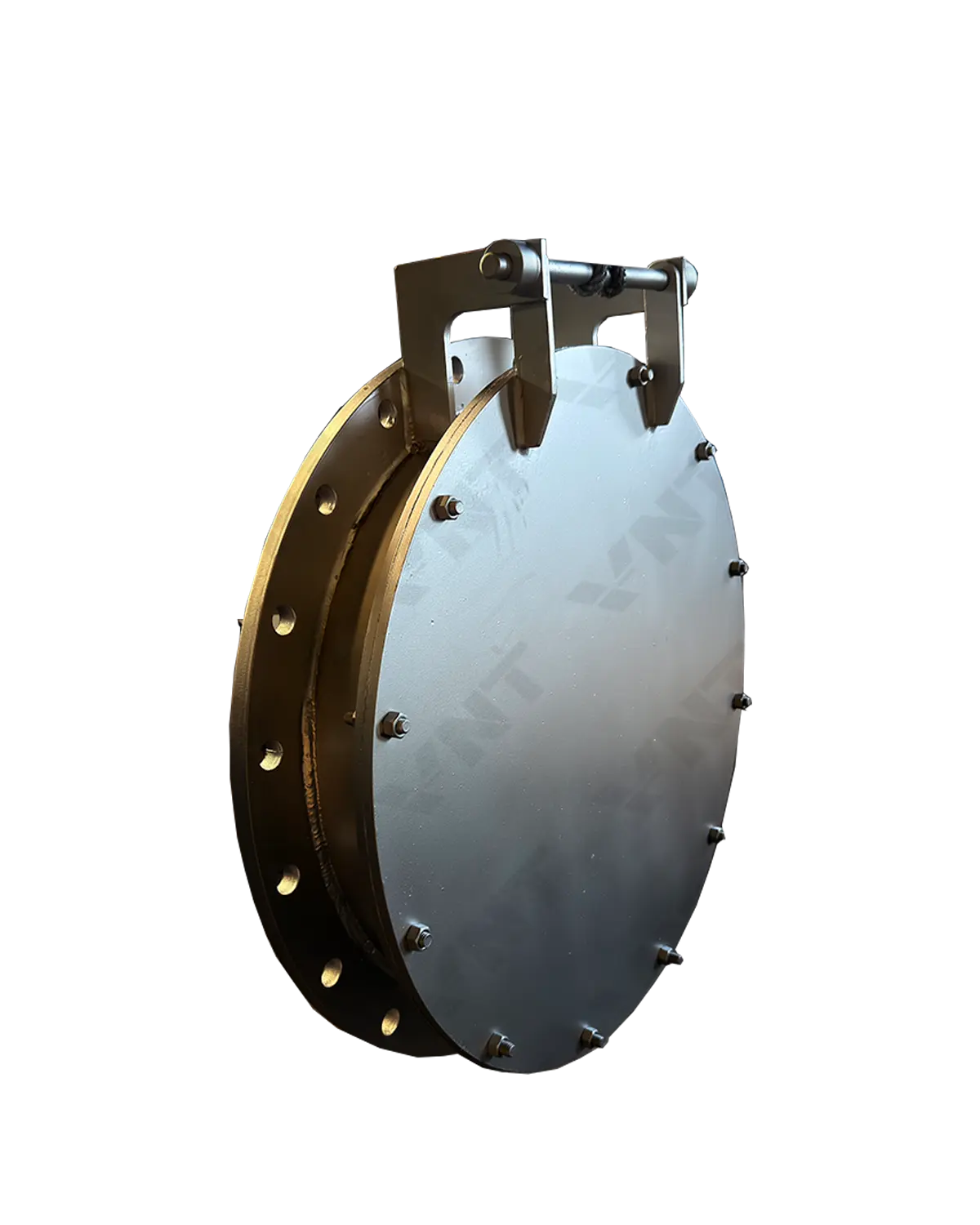
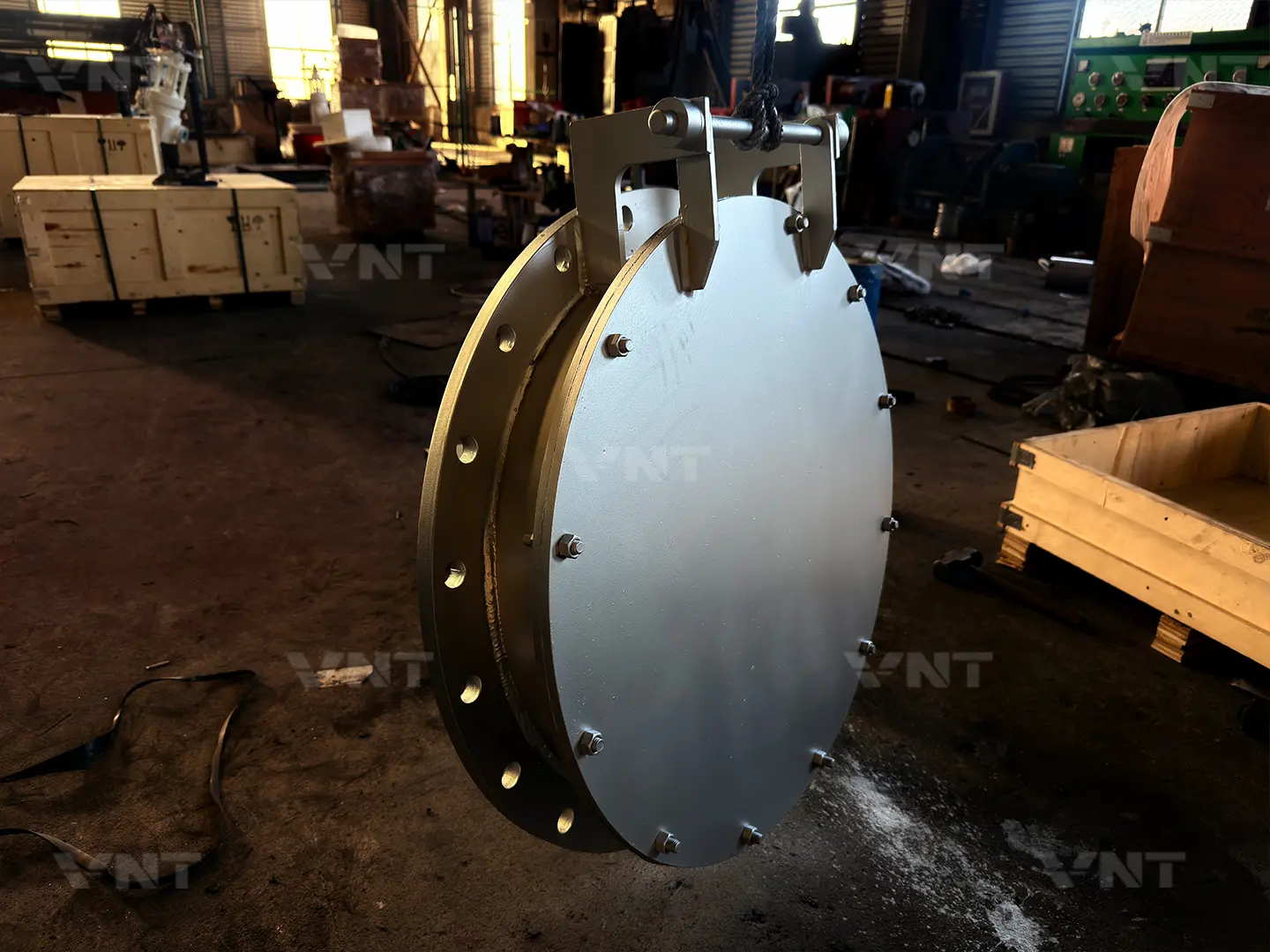
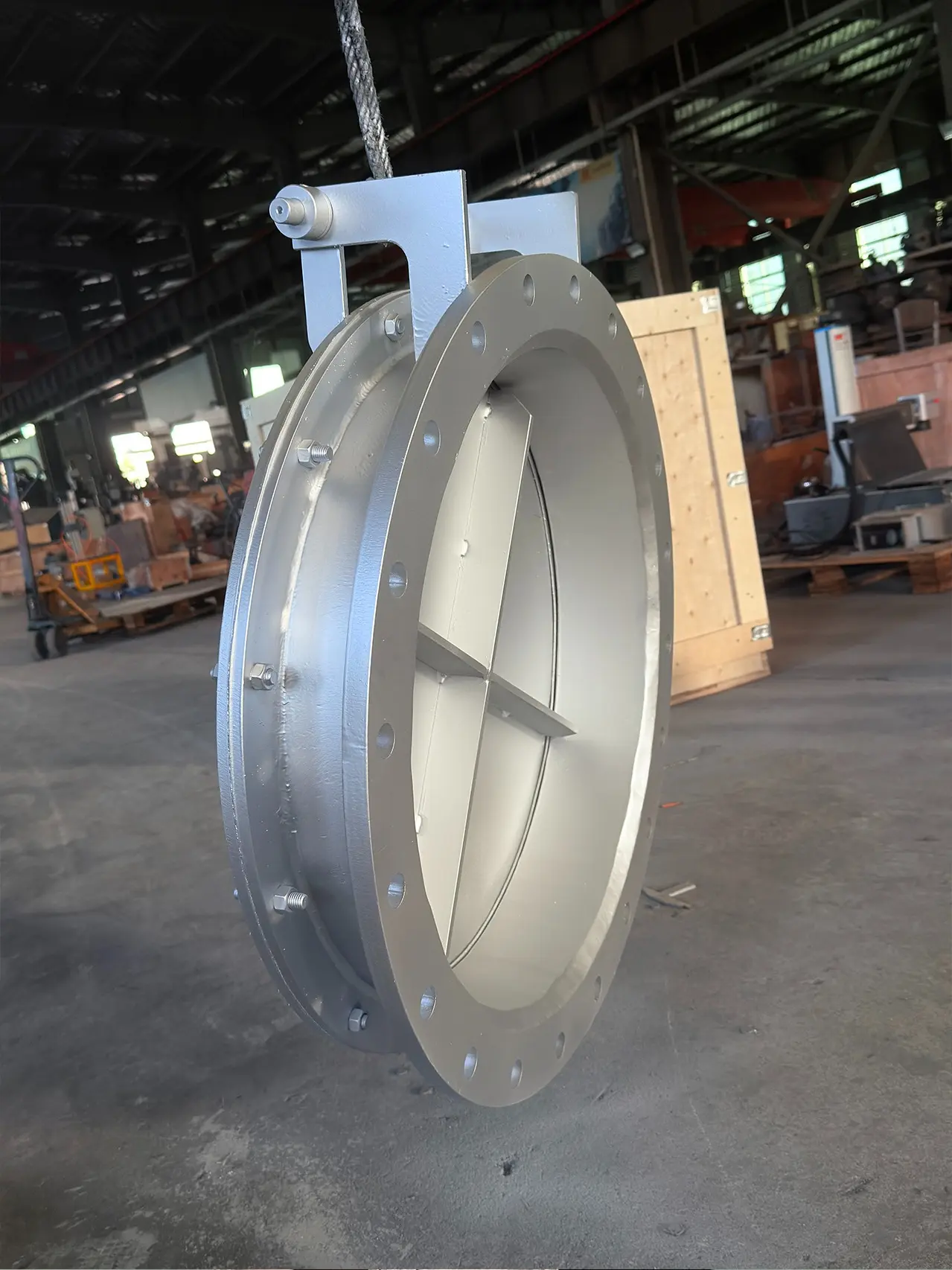
Flap Check Valve for Wastewater and Drainage Backflow Prevention
An end-of-line flap gate for drainage and wastewater outfalls, opening under forward discharge and closing to prevent external water backflow.
| Size Range | 4″–120″ (DN100–DN3000) |
|---|---|
| Pressure Rating | PN2.5–PN10, PN16 available on request |
| Body / Disc Material | Cast Iron, Ductile Iron, Carbon Steel, Stainless Steel, HDPE or FRP |
| Seal | EPDM or NBR |
| Connection Type | Flanged |
Frequently Asked Questions
It is installed at the terminal end of a drainage pipe, channel or outfall, with the hinge and mounting face arranged to suit the approved orientation.
Forward discharge pressure from inside the pipe lifts the flap. When discharge stops, flow reverses or the external water level becomes higher, disc weight and reverse head return the flap to the seat to limit backflow.
No external actuator is normally required. Counterweights, hydraulic assists or other accessories are project-specific and should be confirmed separately.
Body and disc options include cast iron, ductile iron, carbon steel, stainless steel, HDPE and FRP. EPDM or NBR seals are selected for the water chemistry, temperature and exposure conditions.
Provide size, forward and reverse water head, flow rate, solids or debris conditions, water quality, flange standard, installation orientation, immersion level and required sealing performance.
Product Overview
This flap check valve, also called a flap gate, is designed for installation at the terminal end of a drainage pipe, wastewater outlet or outfall. It is an end-of-line backflow-prevention device rather than a conventional inline high-pressure process check valve.
Forward discharge pressure from inside the pipe lifts the hinged flap. When discharge stops, flow reverses or the external water level rises above the internal level, the flap returns toward the seat under its own weight and reverse water head, helping prevent external water from entering the drainage system.
Typical duties include municipal stormwater and wastewater outlets, pumping-station discharge structures, river or tidal outfalls, drainage channels and reservoir outlets. Selection should consider maximum forward and reverse head, opening head, solids and debris, water chemistry, immersion, corrosion, UV exposure and the approved mounting orientation.
Reliable operation depends on an unobstructed opening and free hinge movement. Periodic inspection should remove sediment or debris from the seat area and confirm the hinge, pin, seal and protective coating remain serviceable.
- End-of-line installation: intended for drainage pipes, channels and outfalls.
- Automatic hydraulic operation: opens under forward discharge without external power.
- Backflow protection: closes under disc weight and reverse or external water head.
- Large-size material options: available in metal, HDPE or FRP construction for project conditions.
Related Check Valve Selection Guides
← Back to Check Valve ProductsDiscuss Your Flap Check Valve Requirements
Send your datasheet or line conditions for engineering review and quotation.
Applications, Materials and Engineering Selection
Use the project datasheet to confirm outlet geometry, maximum forward and reverse water head, size, materials, seal, flange drilling, exposure conditions and inspection scope.
Typical Applications
- Municipal stormwater and wastewater outfalls
- Pumping stations, river and tidal discharge points
- Drainage channels, reservoirs and flood-control structures
Materials and Seals
Cast iron, ductile iron, carbon steel, stainless steel, HDPE and FRP body or disc options are available. EPDM or NBR seals and protective systems should match water chemistry, immersion, corrosion and UV exposure.
Technical Points to Verify
- Outlet orientation, mounting face and flange drilling
- Maximum forward and reverse water head
- Opening head, solids, debris and sediment conditions
- Hinge, pin, coating and seal requirements
Related resources: Water and Wastewater Applications · Check Valve Selection Guide · Contact Vornet
Procurement and Inspection Checklist
Select the flap valve from the complete drainage or outfall duty. Reverse water level, installation geometry and debris conditions should be reviewed together.
- Service data: state size, flow rate, maximum forward and reverse head, external water level, solids content and environmental exposure.
- Installation: confirm pipe or channel terminal position, mounting face, flange drilling, hinge orientation, invert elevation and submerged condition.
- Construction: confirm body and disc material, EPDM or NBR seal, hinge and pin materials, coating and corrosion-protection requirements.
- Operation: verify opening head, closing action, disc travel, debris clearance and safe maintenance access.
- Inspection: request dimensional checks, free opening and closing movement, seat or seal examination, coating inspection and material documentation when specified.
Review the water and wastewater application guide, compare the check valve selection guide, or send the project datasheet for engineering review.