
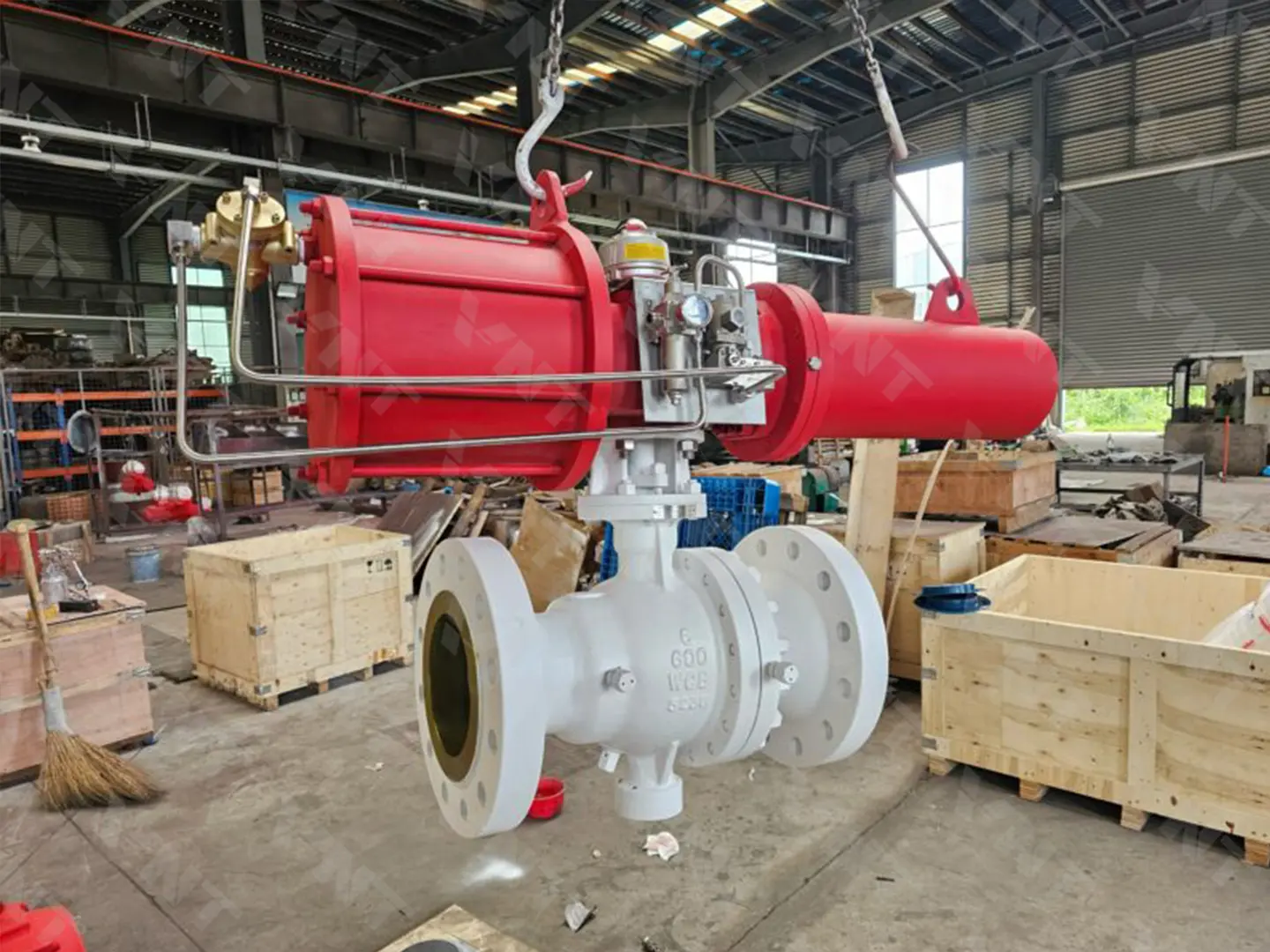
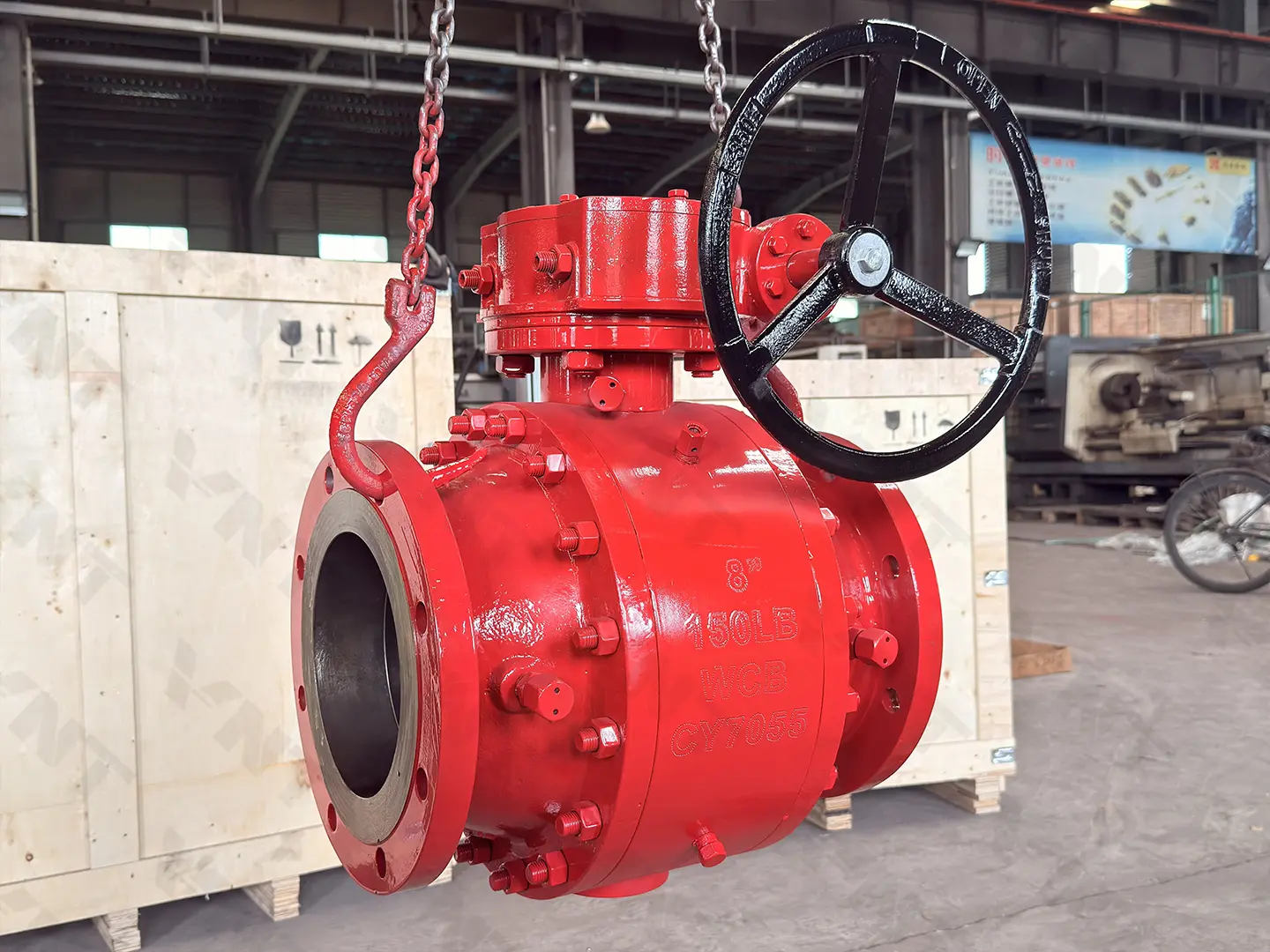
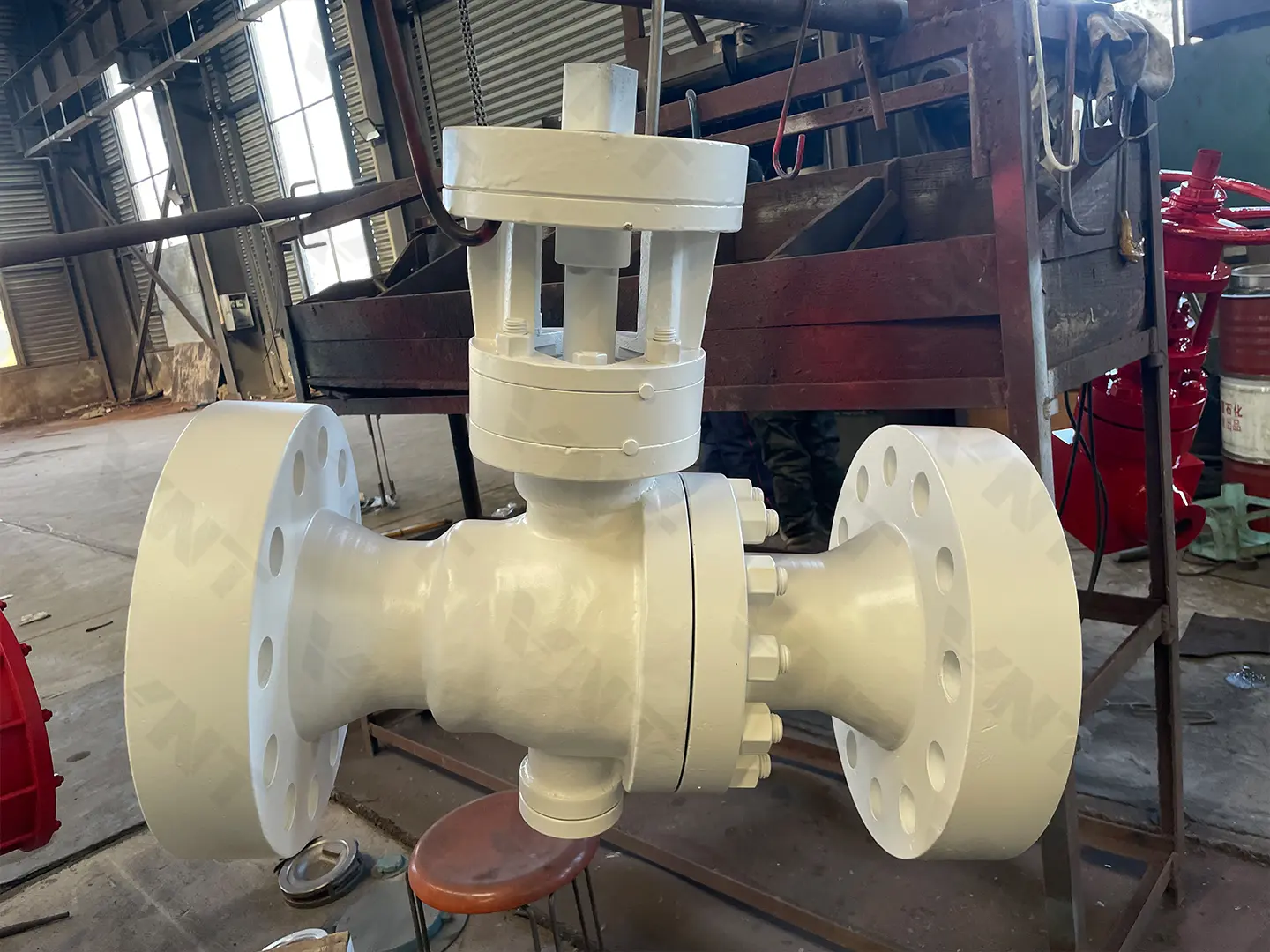
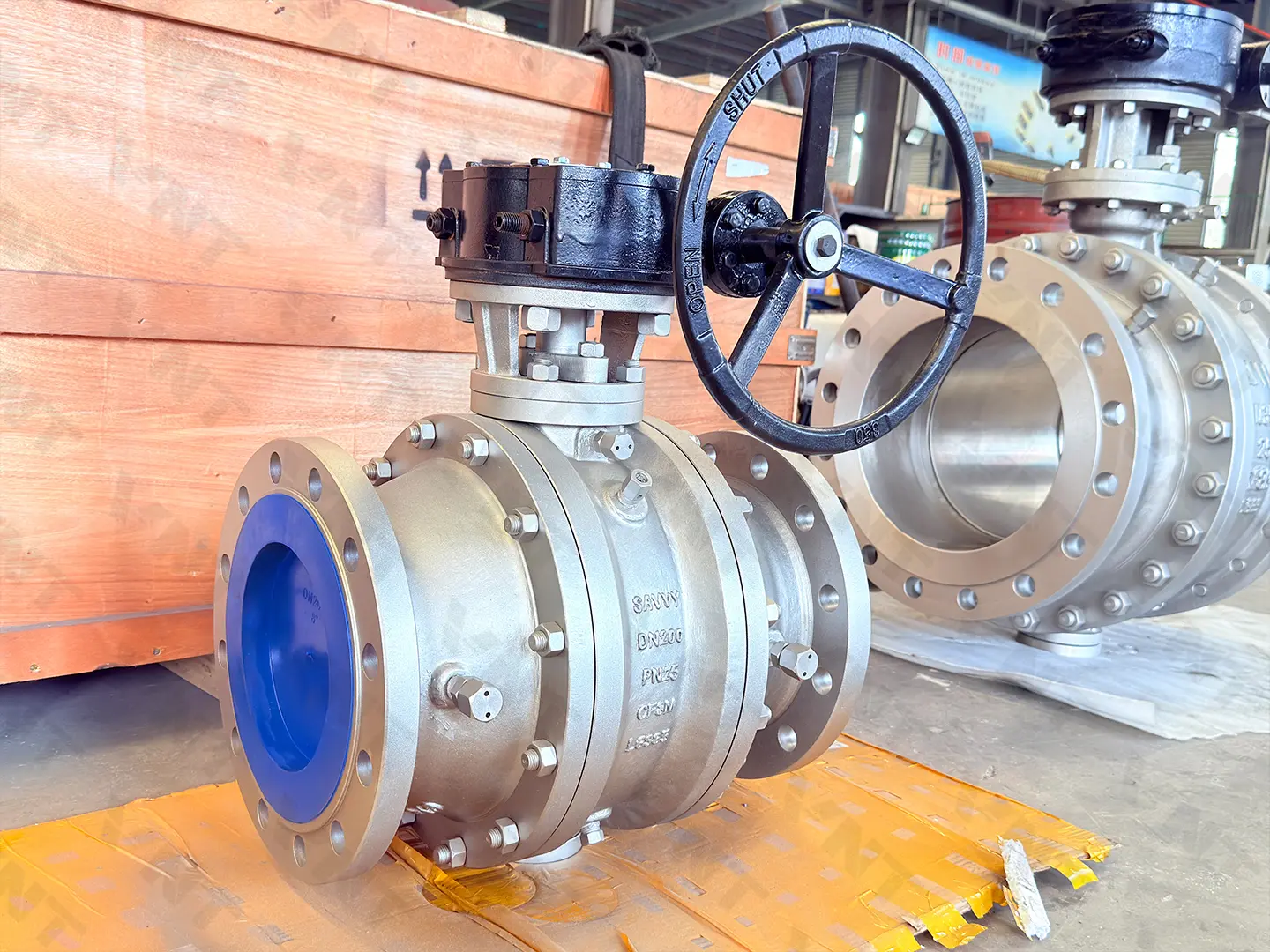
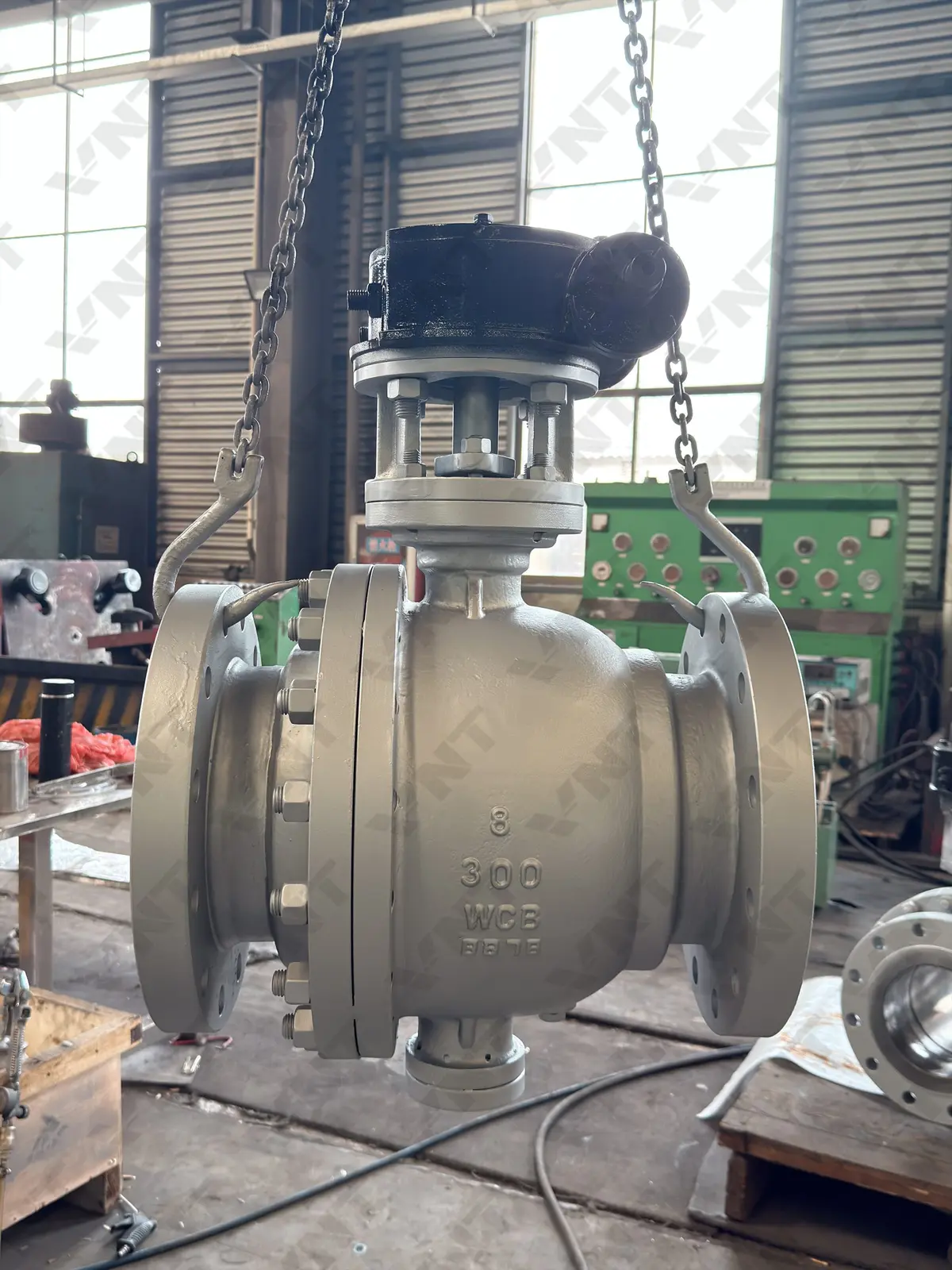
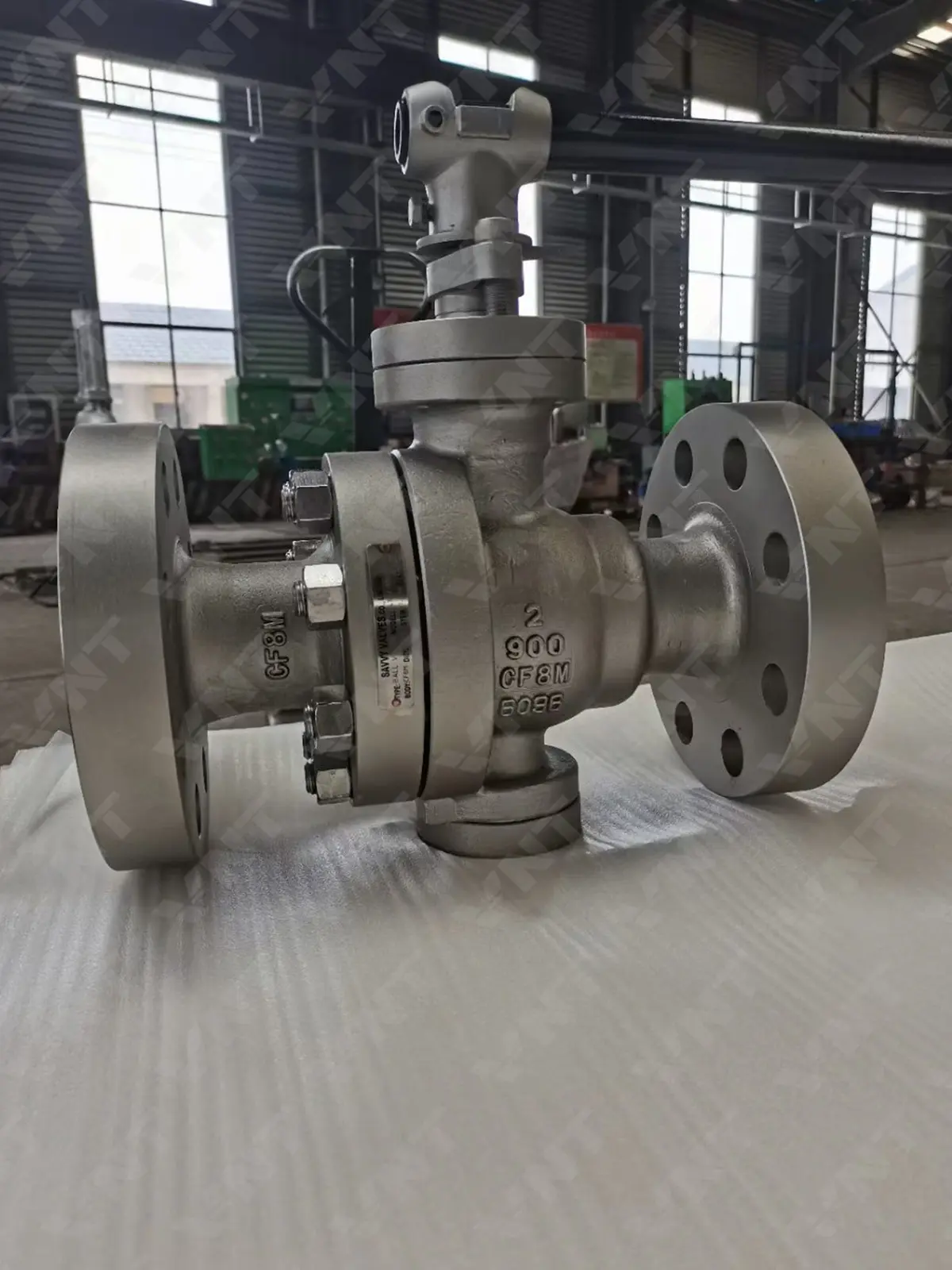
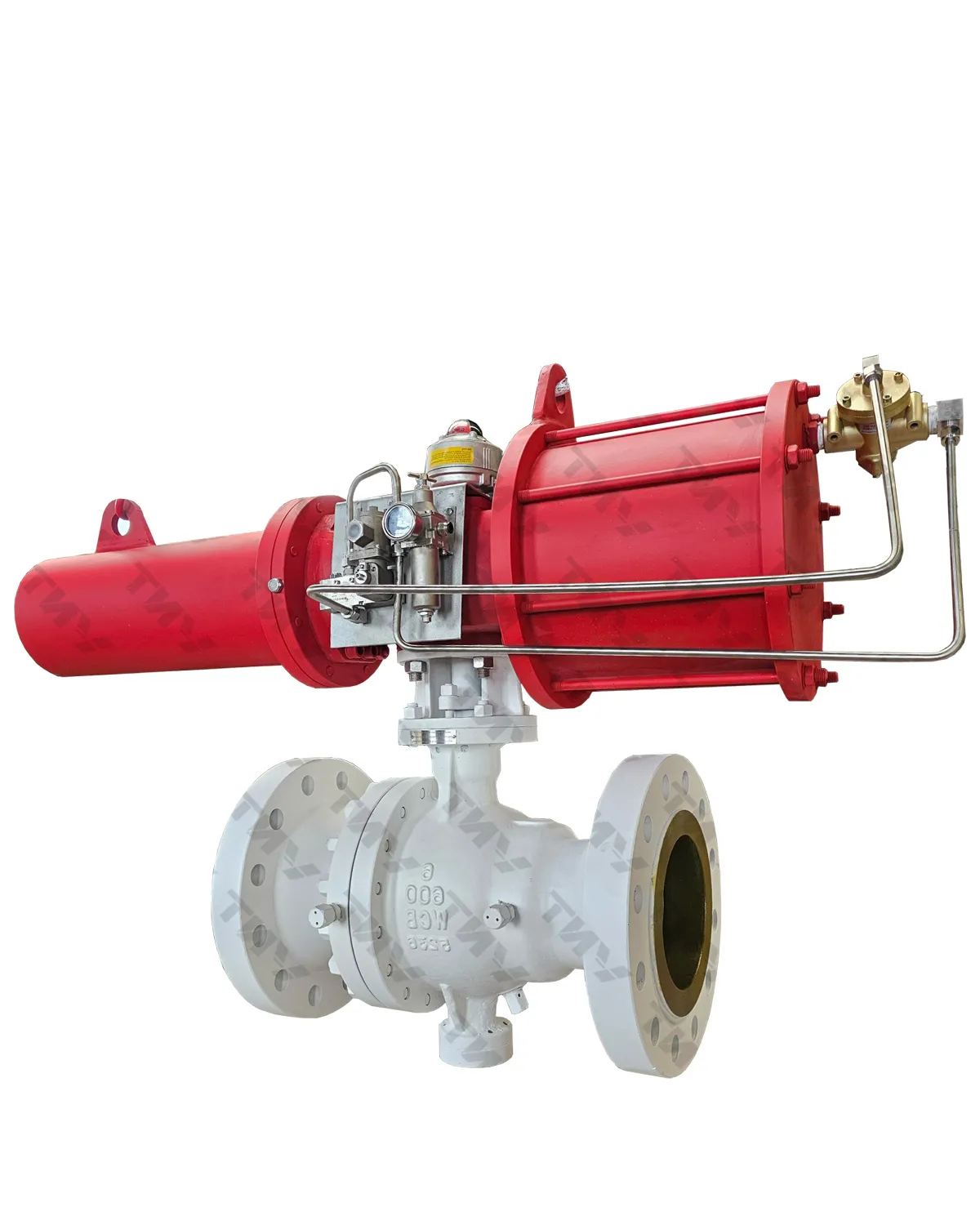
Cast Steel Soft-Sealed Trunnion Mounted Ball Valve for Pipeline Isolation
Cast steel soft-seated trunnion mounted ball valve for pipeline isolation, available in two- or three-piece configurations with RF or BW ends and manual or powered actuation.
| Size Range | 2″–48″ (DN50–DN1200) |
|---|---|
| Pressure Rating | Class 150–2500 (PN16–PN420), subject to size, material and seat limits |
| Body Material | Cast carbon, low-temperature, stainless, alloy or duplex steel, subject to project specification |
| Connection Type | RF or BW, subject to project piping specification |
| Design Standard | API 6D, ASME B16.34 or project specification |
| Testing | API 6D, API 598 or contractually specified test standard |
| Operation | Manual, pneumatic, electric or hydraulic |
Frequently Asked Questions
Trunnion support is commonly considered for larger sizes, higher pressure classes or duties where controlled operating torque and stable seat loading are important. Final selection must follow the line conditions and project specification.
State the medium, design and operating temperatures, maximum differential pressure, solids content, chemical compatibility and required leakage acceptance. Do not select a soft seat from temperature alone.
Specify full or reduced bore in the RFQ. Full bore may be required for pigging or minimum-flow-area requirements, but the certified bore must be confirmed on the approved drawing.
State the required design and test standards with editions. When fire-safe performance is required, request the applicable API 607 or API 6FA certificate and confirm that its valve type, size, class, seat and construction scope cover the offered configuration.
Provide size, class, bore, end connection, medium, pressure, temperature, body and trim materials, seat material, actuator, fire-safe requirement, inspection scope and document requirements.
Product Overview
A cast steel soft-seated trunnion mounted ball valve supports the ball at the stem and lower trunnion, helping control operating torque for pipeline on-off isolation. Two-piece and three-piece body configurations may be selected to suit the required size, pressure class and maintenance philosophy.
Soft-seat suitability depends on the actual medium, temperature, pressure differential, solids content, chemical compatibility and leakage requirement. Seat material, stem seals, packing, cavity-pressure relief and fire-safe requirements must therefore be reviewed together rather than selected from a generic temperature range.
Full- or reduced-bore construction, RF or BW ends and manual, pneumatic, electric or hydraulic operation can be configured within the approved project datasheet. Final dimensions, bore, seat arrangement and actuator torque should be confirmed on the certified drawing.
- Trunnion Supported Ball: Stable ball support for pipeline isolation and controlled operating torque
- Soft-Seat Selection: Seat and seal materials reviewed against the complete service duty
- Pipeline Configuration: Two- or three-piece body, full or reduced bore, and RF or BW ends
- Testing and Records: API 6D, API 598 or project-specific inspection and documentation
Discuss Your Cast Steel Trunnion Ball Valve Requirements
Send the line medium, size, pressure class, temperature, bore, seat material, end connection and actuator requirements for engineering review.
Cast Steel Trunnion Ball Valve Applications, Materials and Engineering Selection
Use the project datasheet—not the country name alone—to confirm size, pressure class, bore, end connection, seat material, temperature, medium, operating frequency, actuator and inspection scope.
Target-Market Applications
- Pipeline, terminal and station isolation for Saudi Arabia and UAE oil and gas projects
- Refinery, petrochemical and energy packages in India, Indonesia and Malaysia
- Process and utility pipelines in South Africa where soft-seat compatibility is confirmed
Body, Trim and Seat Options
Cast carbon, low-temperature, stainless, alloy and duplex body materials must be checked against pressure-temperature ratings and corrosion requirements. Seat material, ball coating, stem packing, seals and bolting remain project-specific.
Engineering Points to Verify
- Full- or reduced-bore flow and pigging requirement
- Seat sealing, cavity relief, anti-static and fire-safe requirements
- Double-block-and-bleed arrangement when specified
- Actuator sizing at maximum differential pressure
Related: Ball valve selection guide · Trunnion vs floating ball valve
Cast Steel Trunnion Ball Valve Procurement and Inspection Checklist
Specify the valve from the complete service duty: size, pressure class, full or reduced bore, end connection, body and ball materials, seat and seal materials, stem packing, operating mode and installation orientation.
- Applications: confirm the medium, temperature, pressure, operating frequency, solids content and required isolation function.
- Standards: state the design, face-to-face, end-connection, fire-safe and pressure-test standards with applicable editions.
- Inspection: request MTC, dimensional report, shell and seat test records, and PMI, NDE, fugitive-emission or fire-safe documents when specified.
- Buying question: verify whether the selected soft seat suits the maximum temperature, pressure differential, chemical exposure and leakage requirement.
Final valve configuration, cavity-relief direction, certified bore and actuator torque must be reviewed against the approved project datasheet before manufacturing.