
DN65 PN320 A105 High-Pressure Descaling Valve | Steel Rolling Project in China
Project Overview
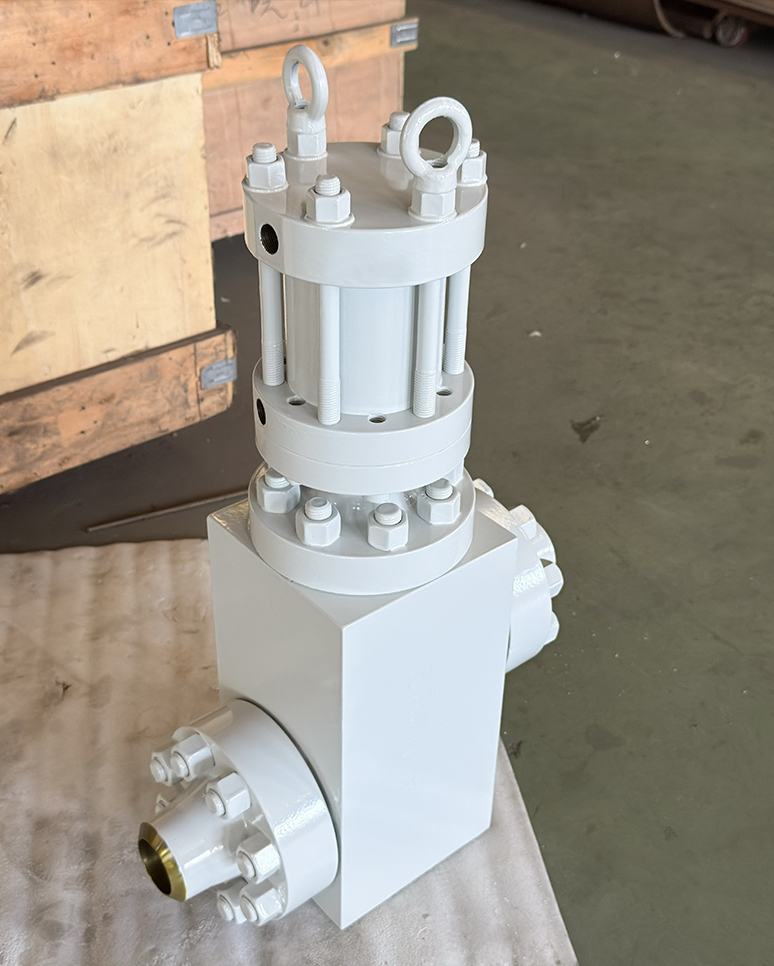
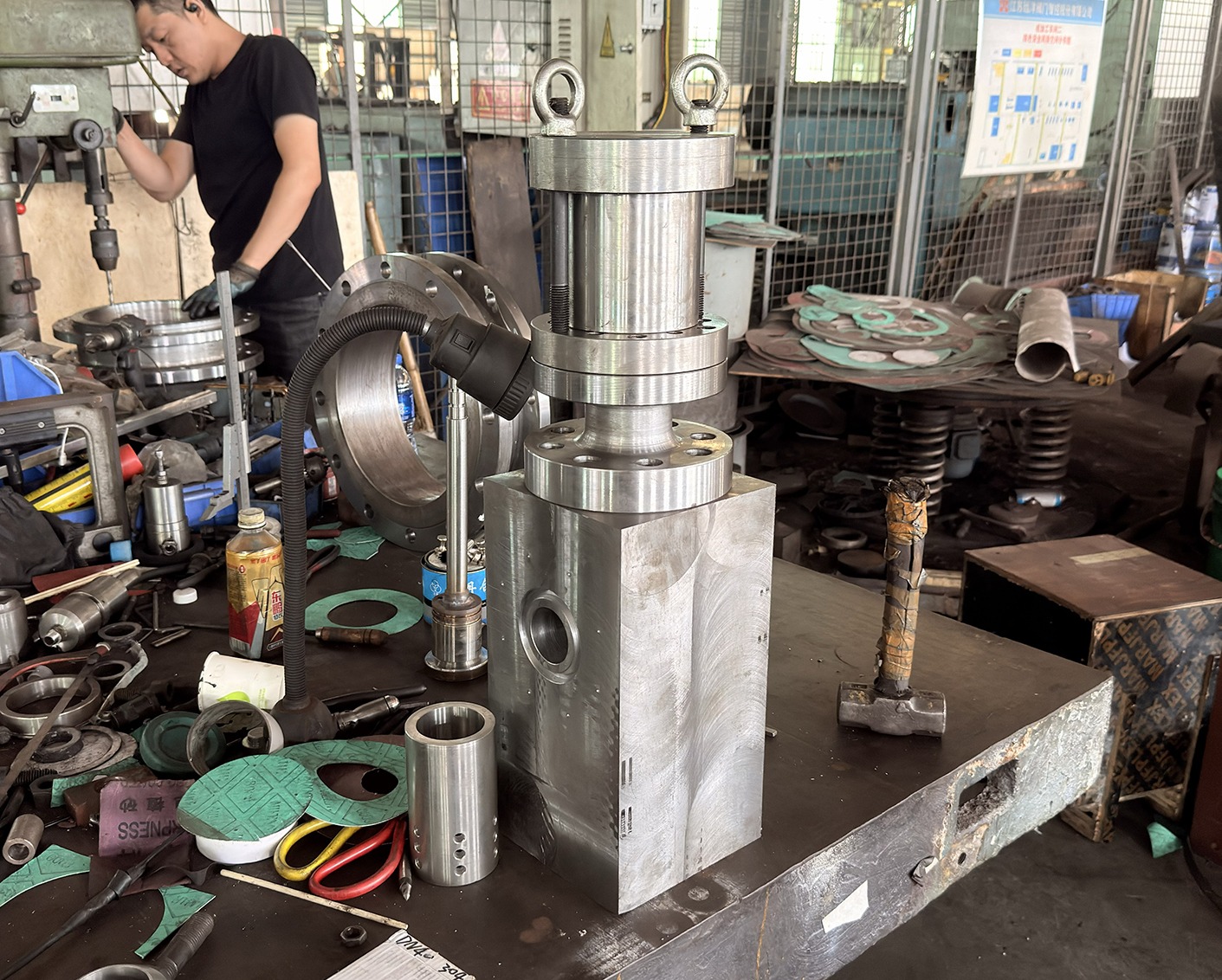
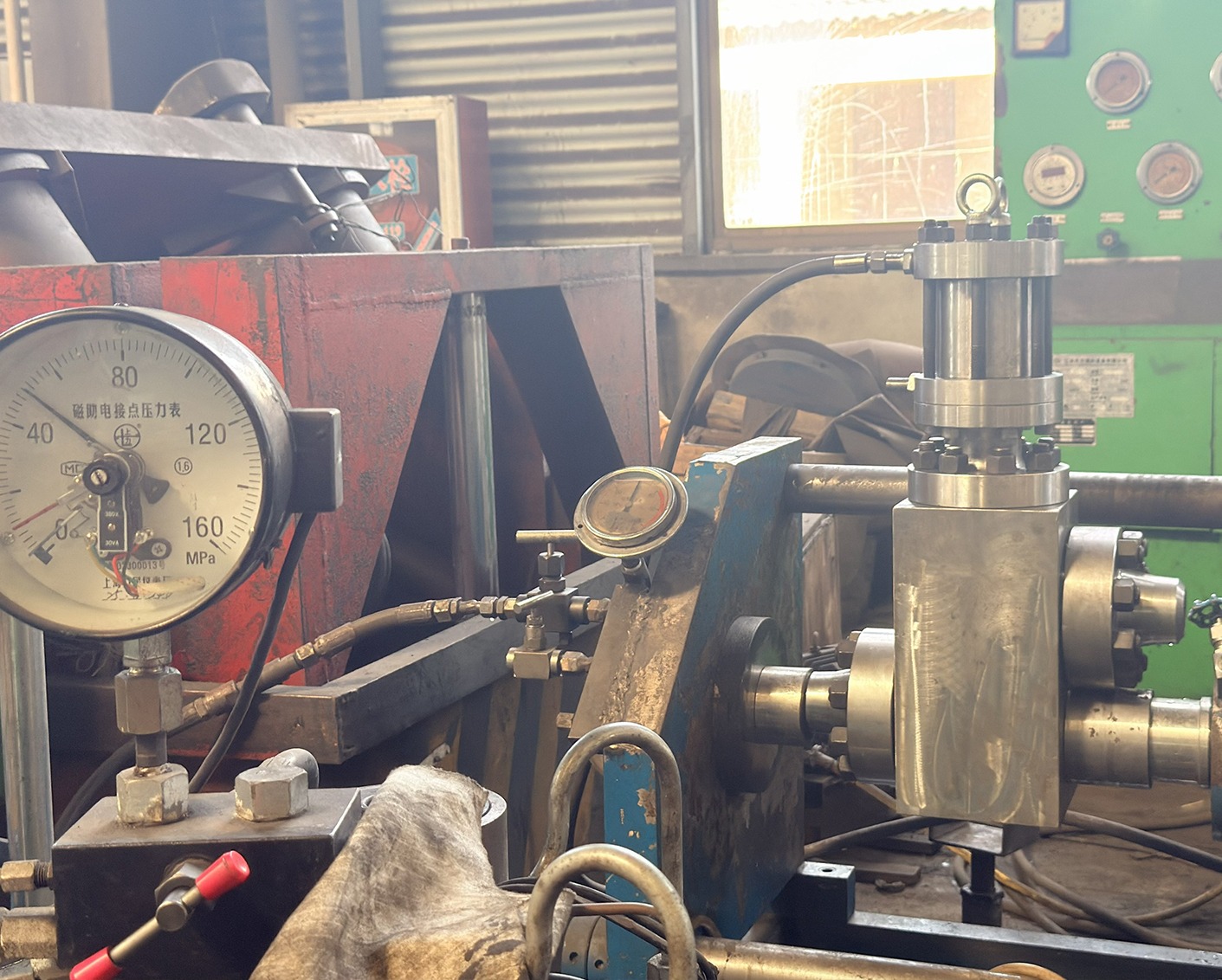
This case covers a DN65, PN320 high-pressure descaling valve with an ASTM A105 body for a steel rolling project in China’s steel and metallurgy industry. The valve is intended to control the on/off supply of high-pressure water to descaling headers.
During steel rolling, high-pressure water jets remove oxide scale from the hot steel surface before relevant rolling stages. The valve works with the pumping system, accumulators and spray nozzles to coordinate intermittent water delivery.
Application
1. Hot Rolling Lines
Before roughing, high-pressure water removes oxide scale from steel billets to prevent it from being rolled into the surface and causing pits or other defects. Water pressures of 20–30 MPa are application examples. A second descaling stage before finishing supports the surface quality required for products such as automotive and appliance sheet.
2. Plate Mills
Heavy-reduction plate rolling may use descaling systems above 40 MPa with rotating nozzles for full surface coverage, including the edges. This is a general system example and does not establish the allowable pressure of this PN320 valve.
3. Cold Rolling Lines
Before pickling, high-pressure water pre-descaling of hot-rolled coils may use 10–15 MPa to remove oxide scale, reduce acid consumption and lower processing costs. Actual performance depends on the process conditions.
Send Your Valve Specifications| Valve Type | High-Pressure Descaling Valve |
|---|---|
| Size | DN65 |
| Pressure Rating | PN320 |
| Body Material | ASTM A105 |
| Project Location | China |
| Industry | Steel & Metallurgy |
Design Considerations
1. Simplified Structure & Reliability
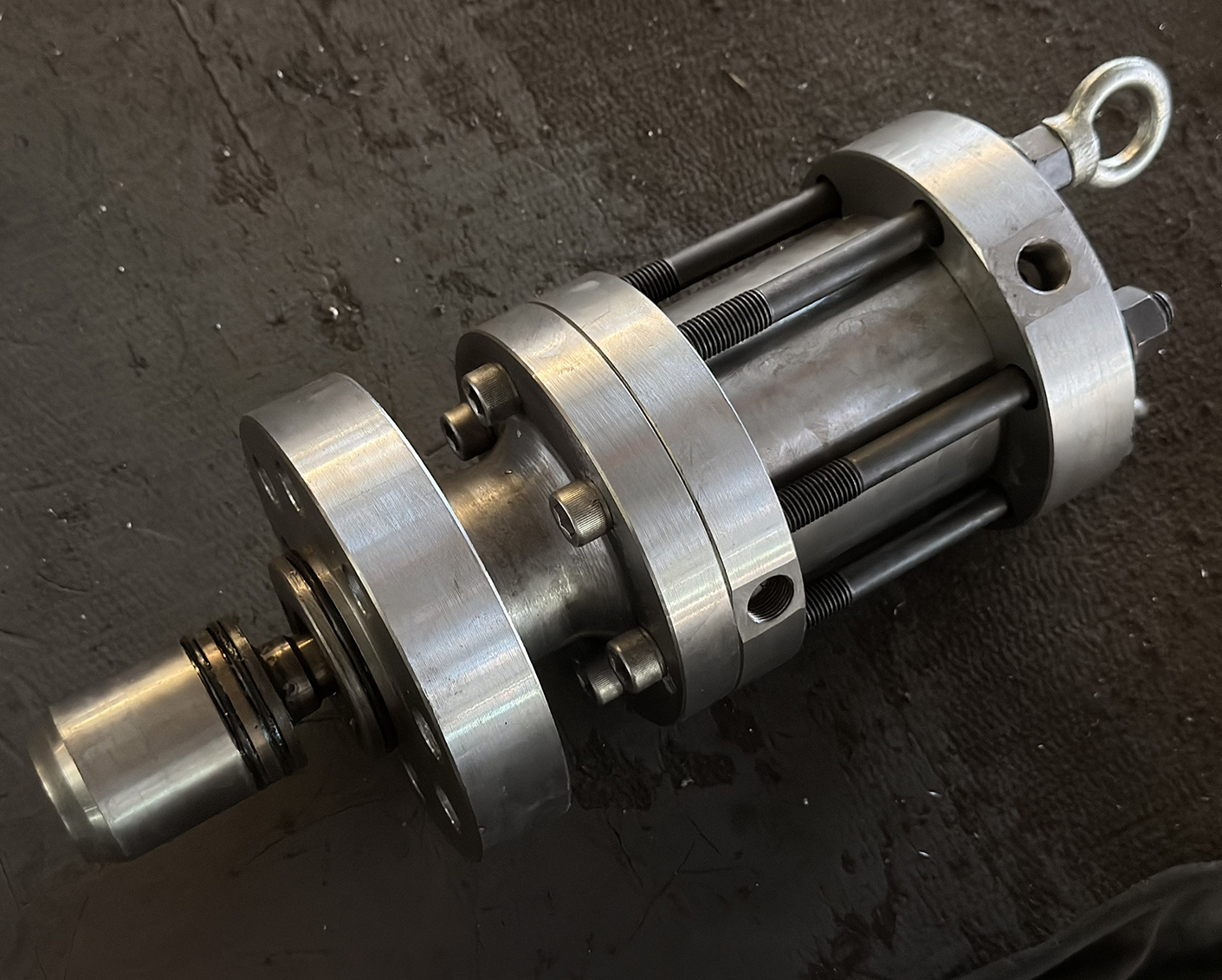
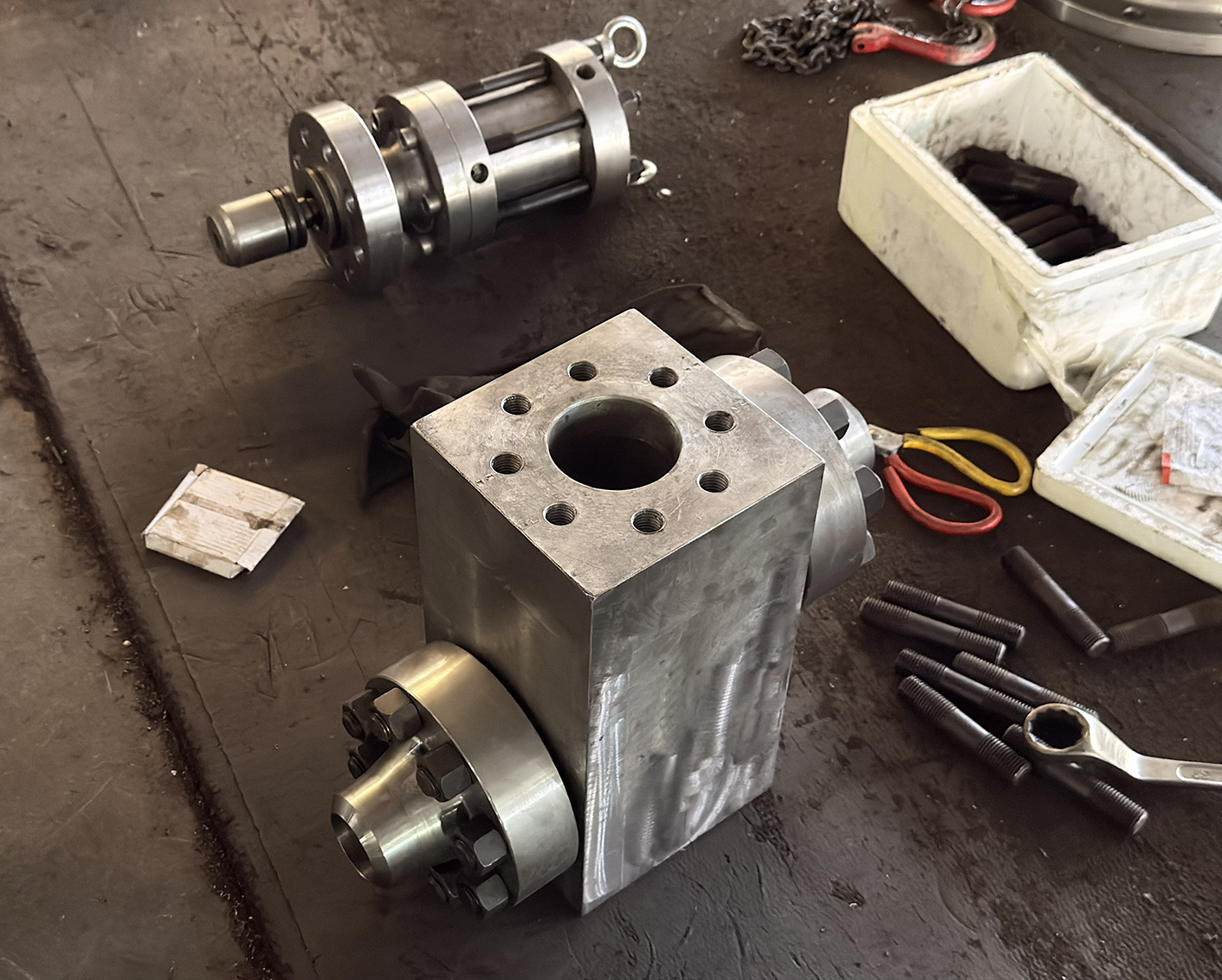
In compact pneumatic designs, the cylinder assembly connects directly to the valve stem without a separate bracket or connecting block. This reduces overall height, simplifies on-site maintenance and helps maintain stem alignment to limit scoring during operation.
Modular designs may integrate pre-fill valve assemblies and high-pressure filters to simplify the system and improve response. These features depend on the selected valve configuration.
2. Materials & Sealing Technology
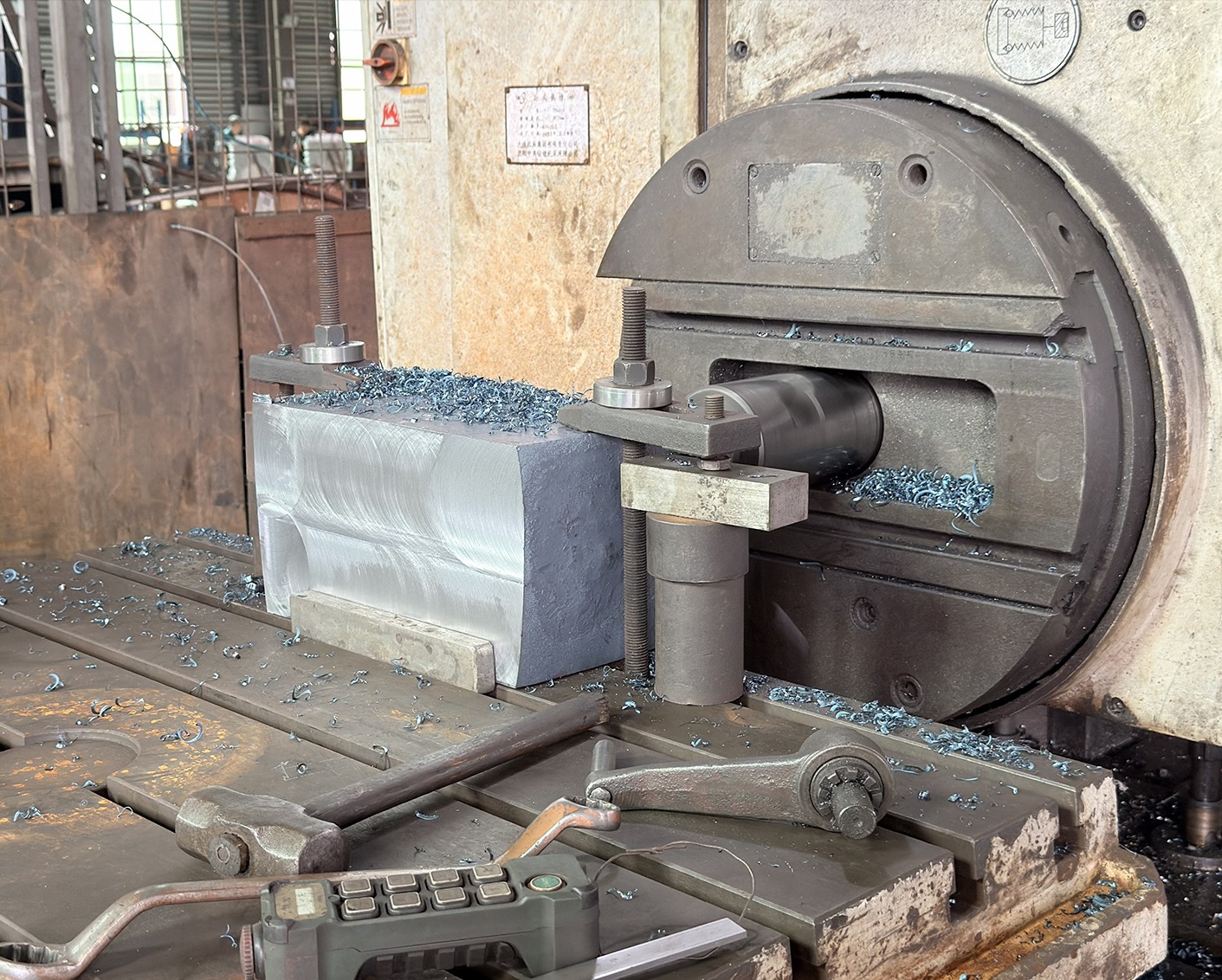
Hard-alloy trim or laser-clad surfaces can be specified for the valve disc and seat to resist high-pressure water erosion and wear from oxide scale. Seals between the disc and seat must be selected for the actual water temperature, pressure and duty to limit internal leakage and maintain spray pressure.
How do I select a high-pressure descaling valve for a steel rolling line?
A descaling valve switches the high-pressure water supply to the spray headers. Check required flow, inlet and outlet pressures, differential pressure, water temperature and quality, switching frequency and opening/closing times. This case specifies DN65, PN320 and an ASTM A105 body; the allowable operating conditions, trim, seals and actuation must be confirmed in the approved valve specification.
Does a descaling valve need pre-fill control to reduce water hammer?
A pre-fill circuit can keep the header and connecting pipework full before high-pressure spraying begins. The need for pre-fill, the valve opening sequence and closing time depend on the pump, accumulator, header and piping arrangement. Pre-fill equipment is configuration-dependent and is not confirmed as included in this DN65 valve.
What should be checked when a descaling valve leaks or switches slowly?
With the system safely isolated and depressurized, review water cleanliness and filtration, disc and seat condition, seals, stem alignment and the actuator or pilot supply. Compare the observed operation with the specified pressure differential and switching sequence. Inspection intervals and replacement parts must follow the approved maintenance instructions; no fixed service life is stated for this case.
What information is needed to quote a DN65 PN320 descaling valve?
Send the valve data sheet, required quantity, water temperature and quality, inlet and outlet pressures, flow rate, cycle frequency and opening/closing times. Include actuation and fail-position requirements, control signals and available supply, end connections, installation dimensions, and inspection requirements. A piping diagram and any header pre-fill requirements help define the technical scope.