
Manufacturing & Assembly Process
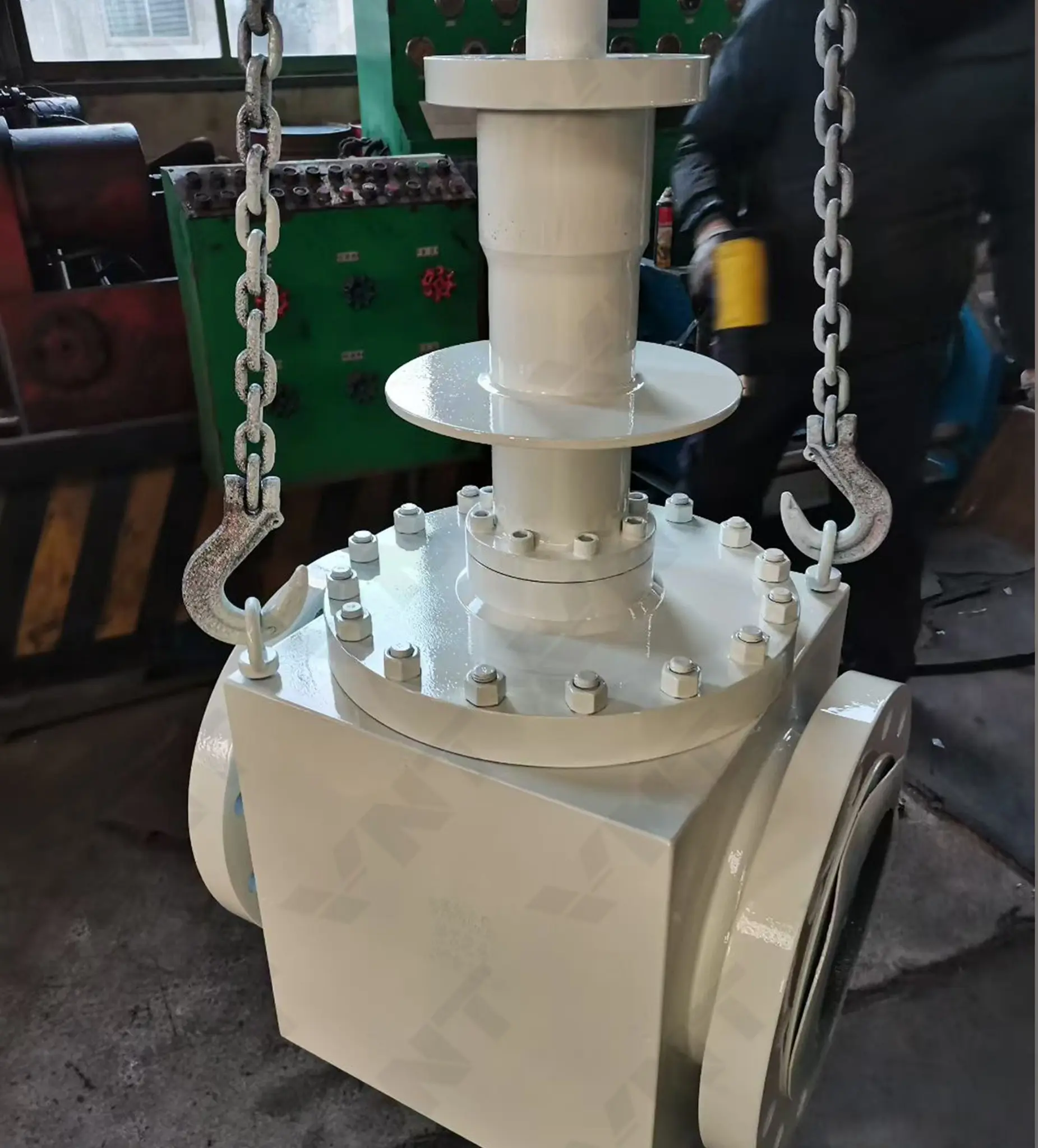
 01
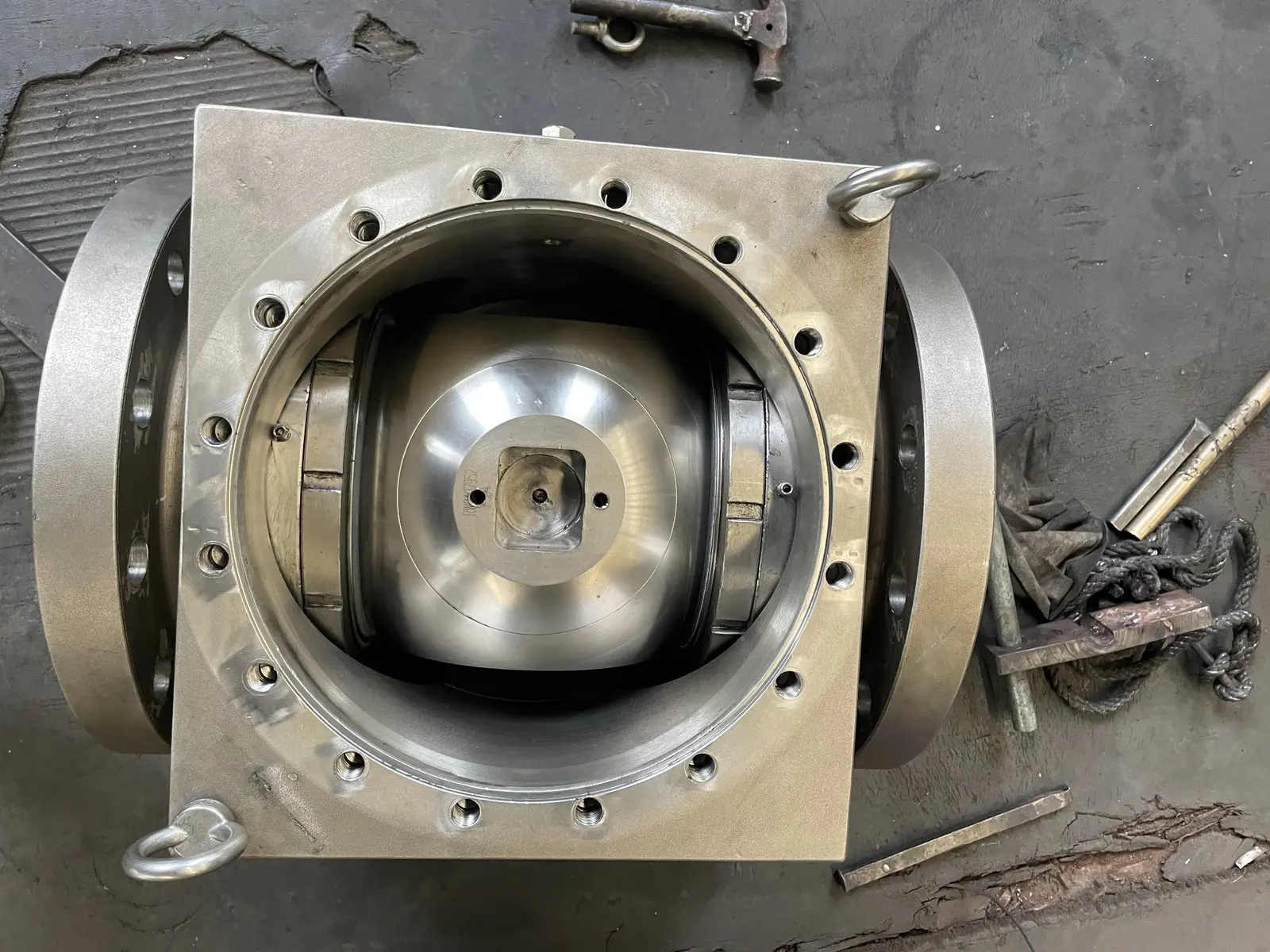
01Top-Entry Body CavityInternal access from the top opening for inspection of the ball, seat pockets and body cavity.
 02
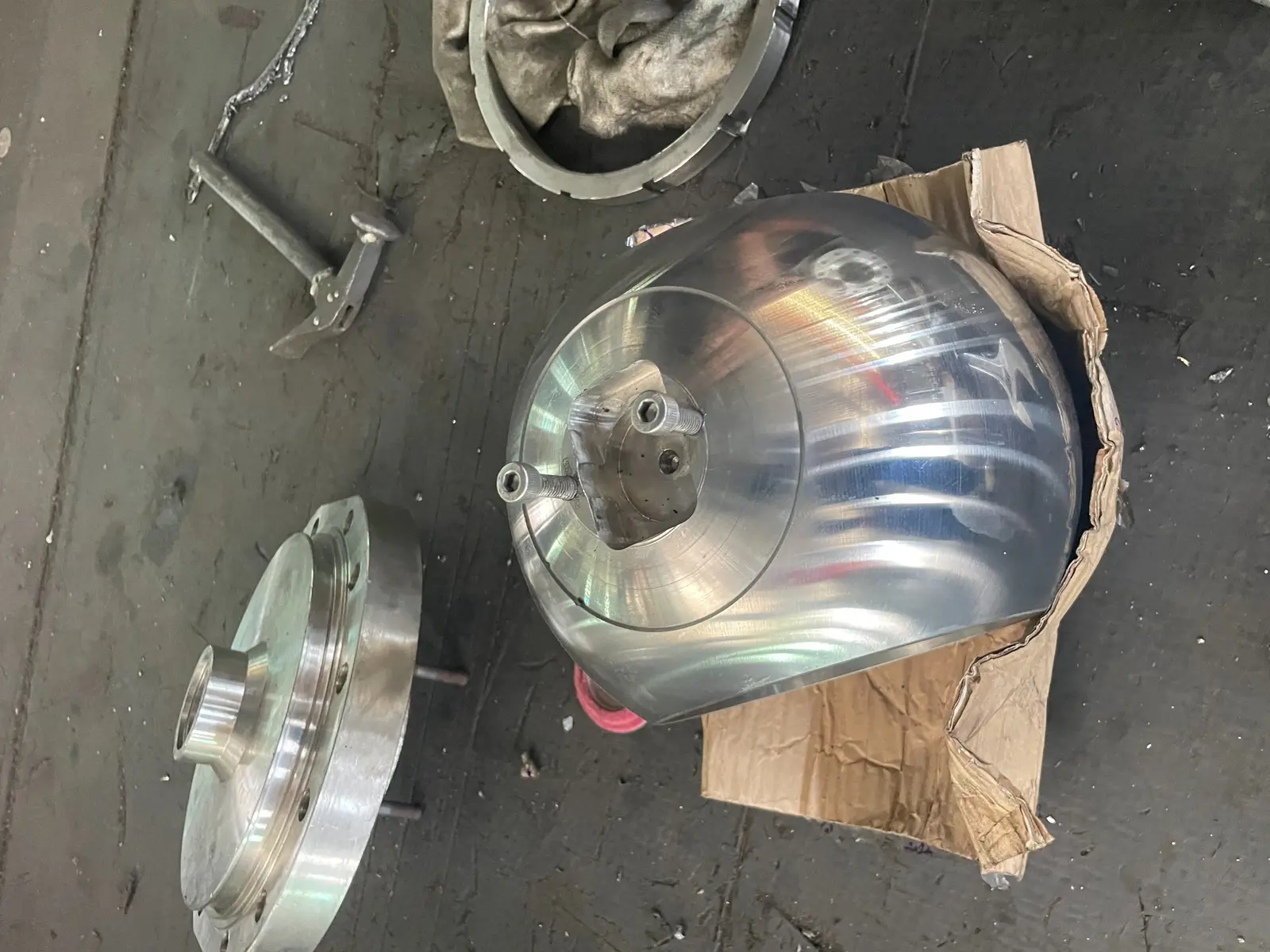
02Machined BallFinished ball surface and stem interface prepared before final internal assembly.
 03
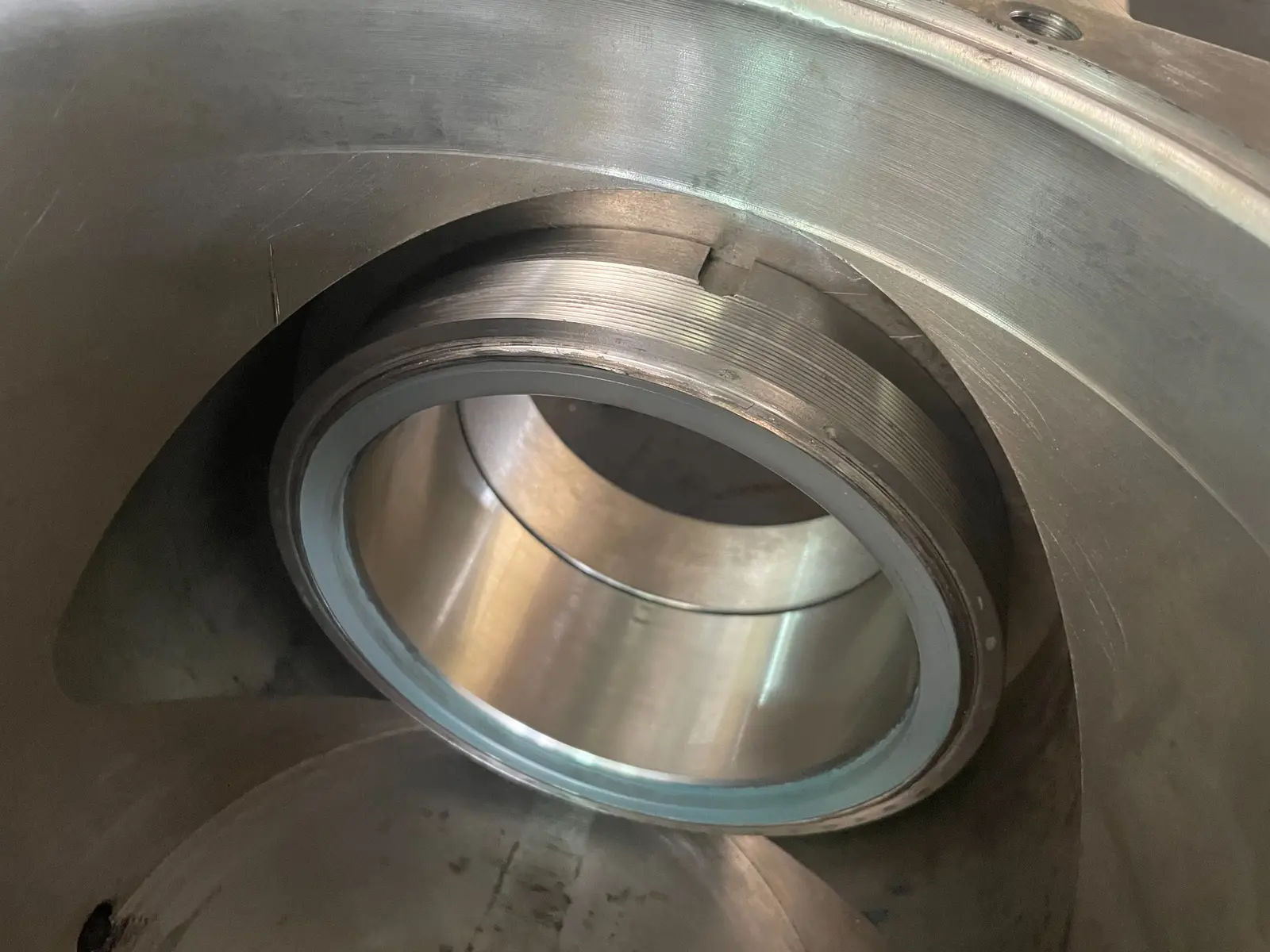
03Seat PocketMachined body seating area checked for fit and sealing component installation.
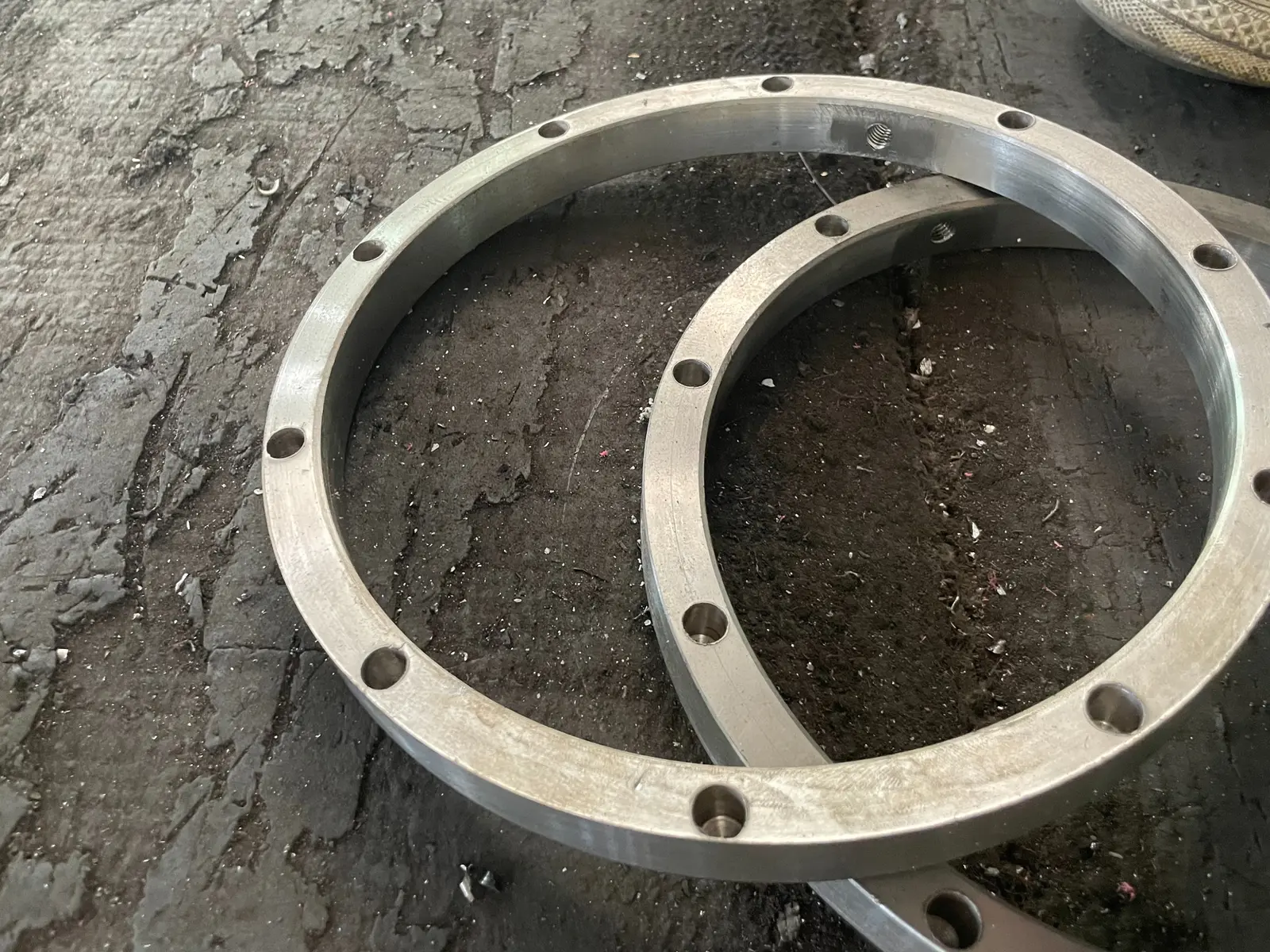 04
04Seat Ring ComponentsMatched seat rings prepared for the top-entry valve’s internal assembly.
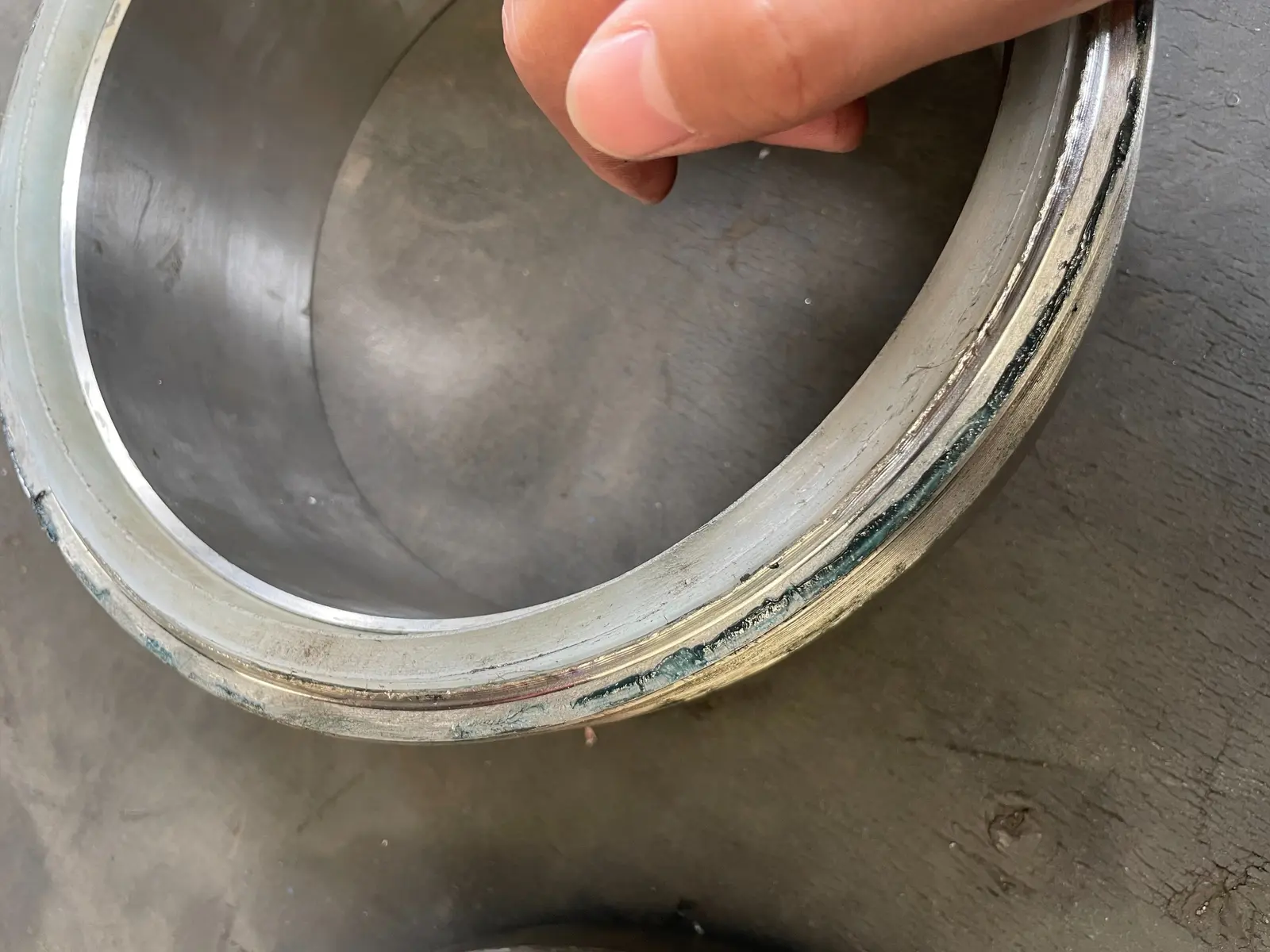 05
05Cryogenic Seat SealInspection of the seat sealing area before installation for low-temperature service.
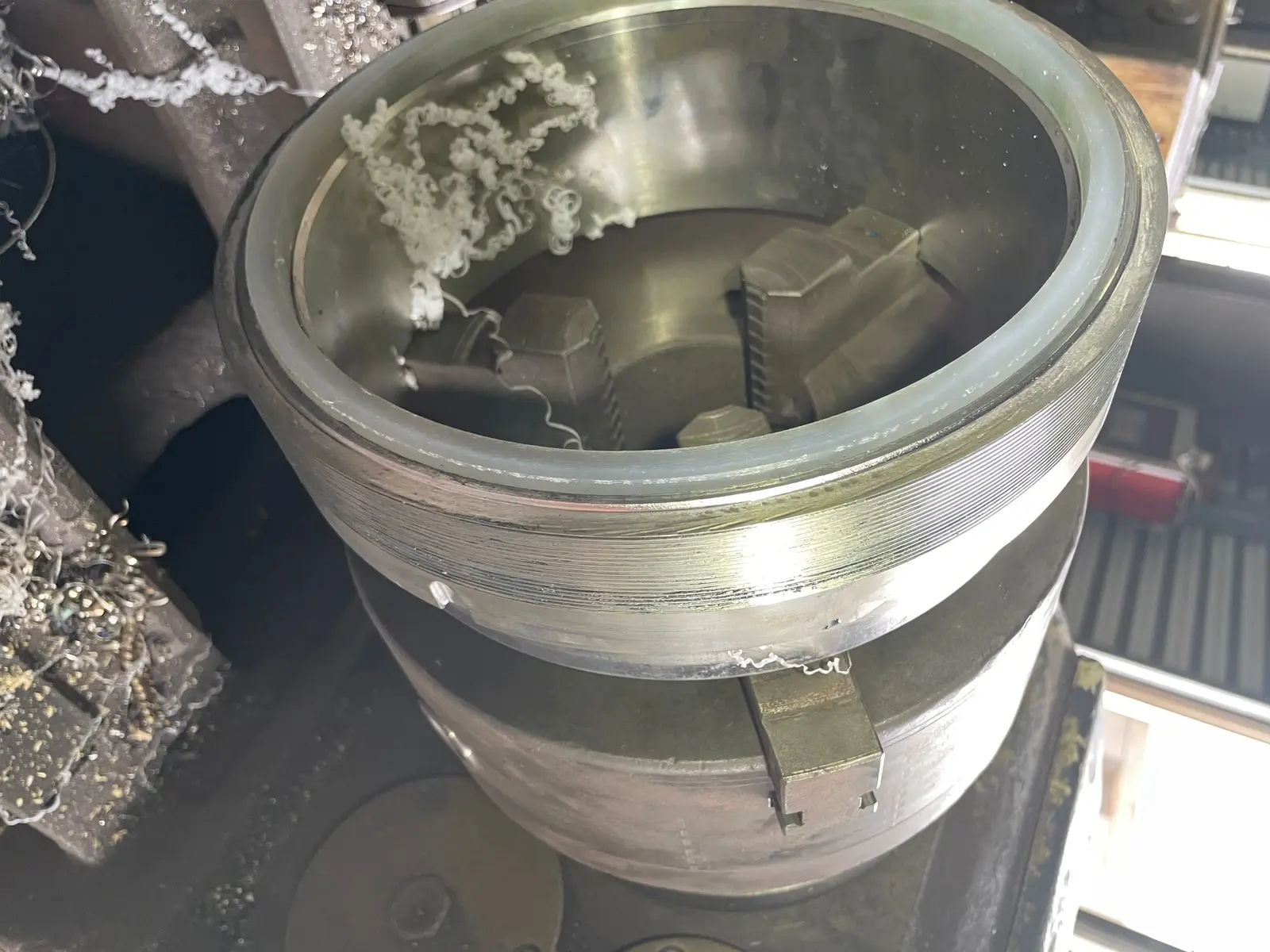 06
06Seat Assembly PreparationSeat assembly and machined sealing components prepared for final fit-up.
Cryogenic Assembly and Inspection Scope
This production record documents the internal preparation and assembly of a 6-inch Class 300 F316 top-entry cryogenic ball valve for LNG service. Final configuration and acceptance criteria remain governed by the approved drawing, purchase specification, inspection and test plan, and project-specific cryogenic test procedure.
Items confirmed during assembly
- Body, cover, ball, stem and seat component identification against the production traveller and material records.
- Top-entry body cavity, ball surface, seat pockets and accessible sealing surfaces before final closure.
- Ball, stem and seat alignment, component fit, operating movement and internal positioning.
- Extended bonnet orientation, packing arrangement, bolting, flange protection, marking and preservation requirements.
- Cleanliness controls appropriate for oxygen-free LNG and low-temperature service requirements specified by the purchase order.
Cryogenic verification and records
Liquid nitrogen (LN₂) at −196°C is identified as the low-temperature verification medium. LNG normally operates at approximately −162°C; the approved procedure should define cooling rate, stabilization time, pressure stages, leakage acceptance criteria, measurement points and post-test inspection requirements.
Documents to request before shipment
Depending on the purchase order, the final document package may include material certificates, dimensional records, applicable NDE reports, pressure-test records, cryogenic test procedure and report, seat-leakage results, functional checks, nameplate details, preservation records and final packing photographs.
Project release basis
Project release should reference the approved drawing, bill of materials, inspection and test plan, pressure and cryogenic test procedures, and traceability records. Trim, seat design, leakage class, fire-safe or antistatic requirements, NDE extent and shipping preservation remain order-specific until confirmed in the purchase order and approved manufacturing documents.
Need a comparable cryogenic ball valve?
Send the LNG service conditions, datasheet and required inspection scope for a project-specific technical review.