
Assembly Process
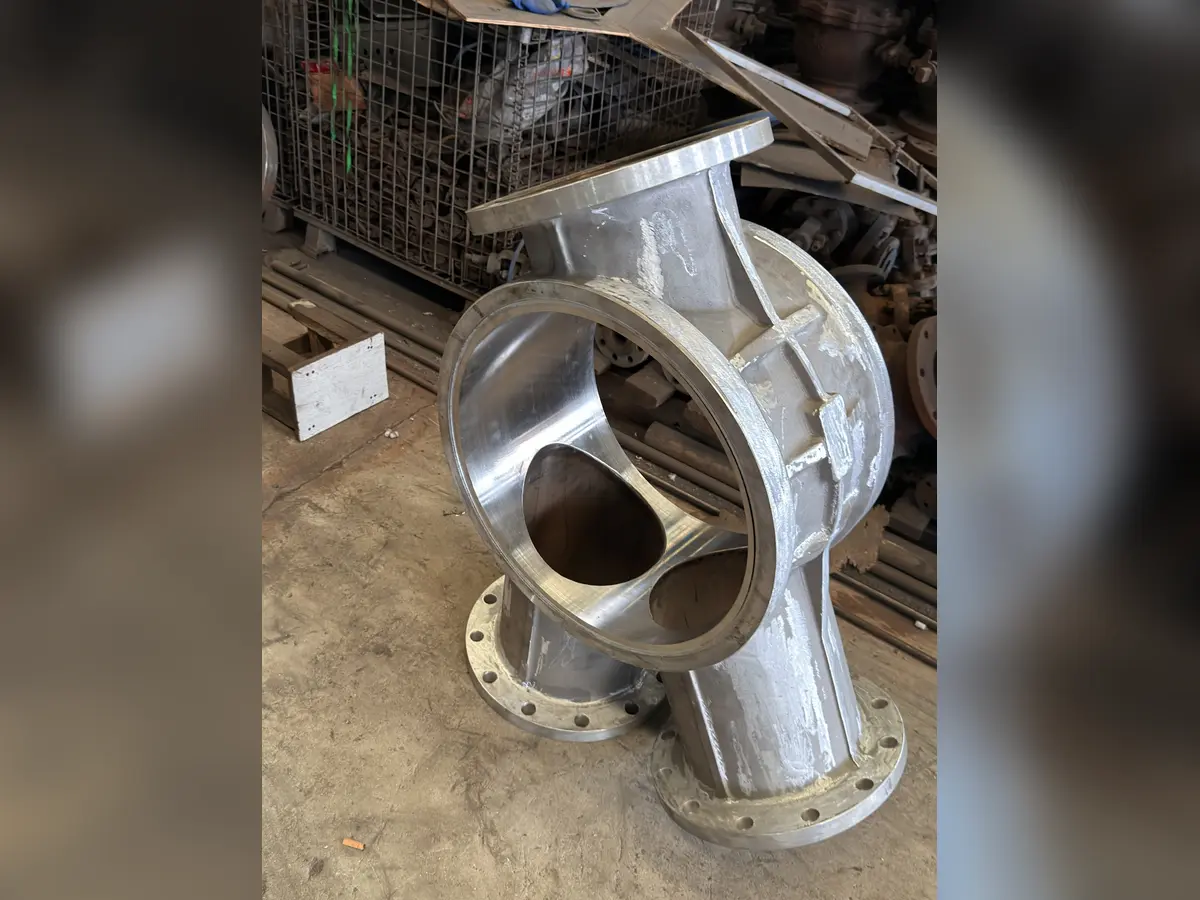 01
01Three-Port Body PreparationMachined cast-aluminum housing prepared for the rotary plug and cover assembly.
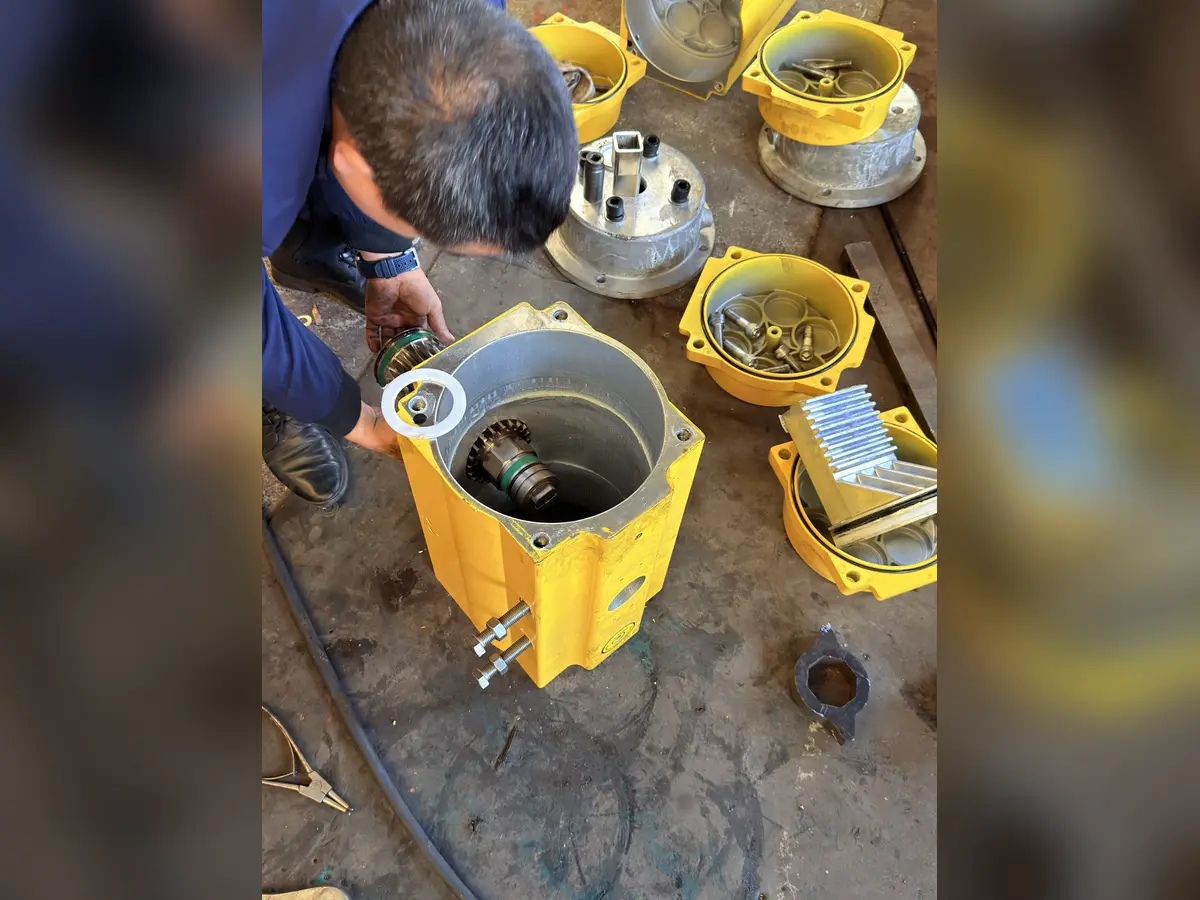 02
02Pneumatic Drive Fit-upWorkshop installation of the pneumatic actuator drive and internal mechanism.
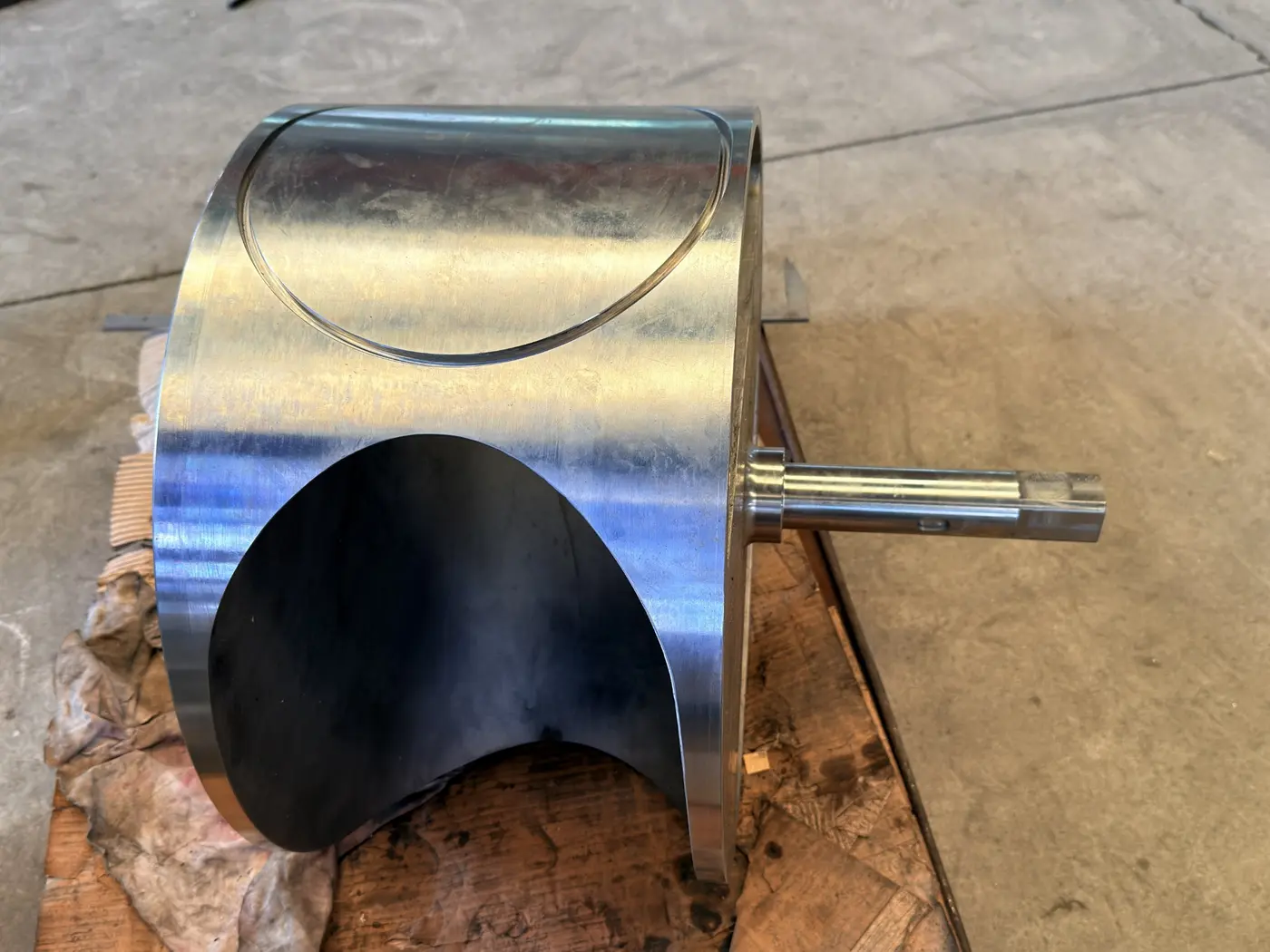 03
03Rotary Plug ComponentMachined diverter plug and shaft prepared for installation.
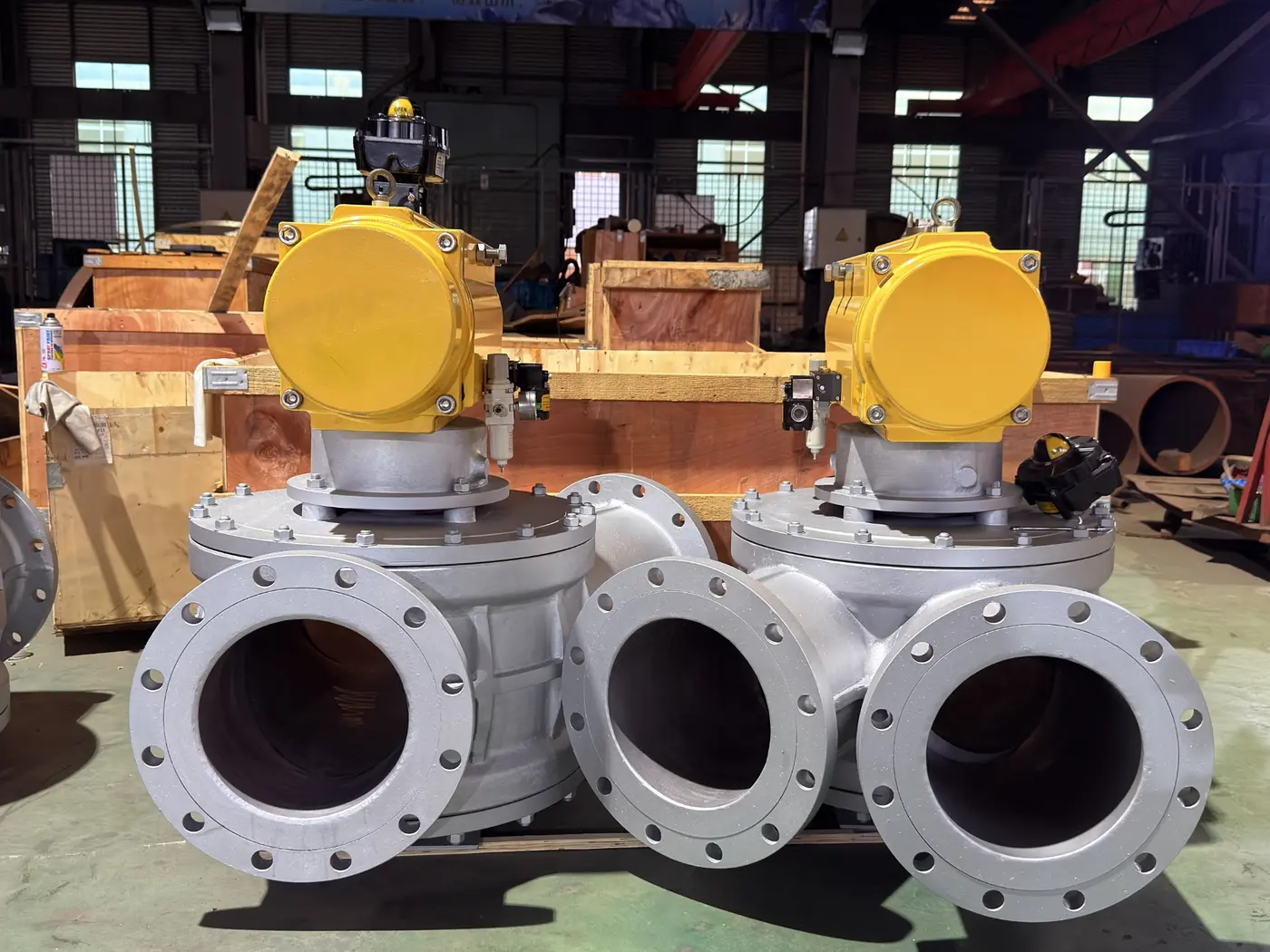 04
04Completed Valve AssemblyPneumatic actuators, valve bodies and three flanged ports assembled for workshop inspection.
Assembly and Inspection Scope
This workshop case documents the assembly of a 10-inch cast-aluminum pneumatic plug diverter valve supplied with Class 150 flanged connections. Its three-port body and rotating internal plug are configured to select between two dust-conveying paths. The photographs and video record body preparation, plug fit-up, actuator assembly and the completed valve.
Operating pressure, temperature, leakage criteria, air-supply conditions and hazardous-area requirements remain project-specific and should be confirmed in the approved datasheet and production documents.
Items to Confirm During Assembly
- Inspect the body bore, plug surfaces and accessible sealing areas for cleanliness and visible damage.
- Verify the rotary plug, shaft and actuator coupling are installed in the specified orientation.
- Confirm free rotation, travel limits and mechanical end-stop positions.
- Check cover fasteners, actuator mounting and accessible connections against the approved assembly procedure.
- Cycle the assembled valve and record pressure or leakage testing only when required by the purchase order and inspection plan.
Documents to Request Before Shipment
Depending on the purchase order, the release package may include the approved drawing, datasheet, bill of materials, material records, dimensional report, inspection and test plan, functional test record, actuator documentation and final packing photographs.
Project Release Basis
Final acceptance should reference the approved port orientation, connection dimensions, body material, actuator configuration, operating conditions and specified inspection criteria.
Conveyed material, particle size, bulk density, moisture content, conveying pressure or vacuum, operating temperature, cycle frequency, allowable leakage, air supply, fail position and hazardous-area classification remain order-specific until confirmed in the approved manufacturing documents.
Need a comparable dust-conveying diverter valve?
Send the line size, flange class, dust characteristics, conveying conditions and actuation requirements for a project-specific technical review.