
High-Temperature Valve Material Selection Guide: Chrome-Moly, Stainless Steel and Nickel Alloys
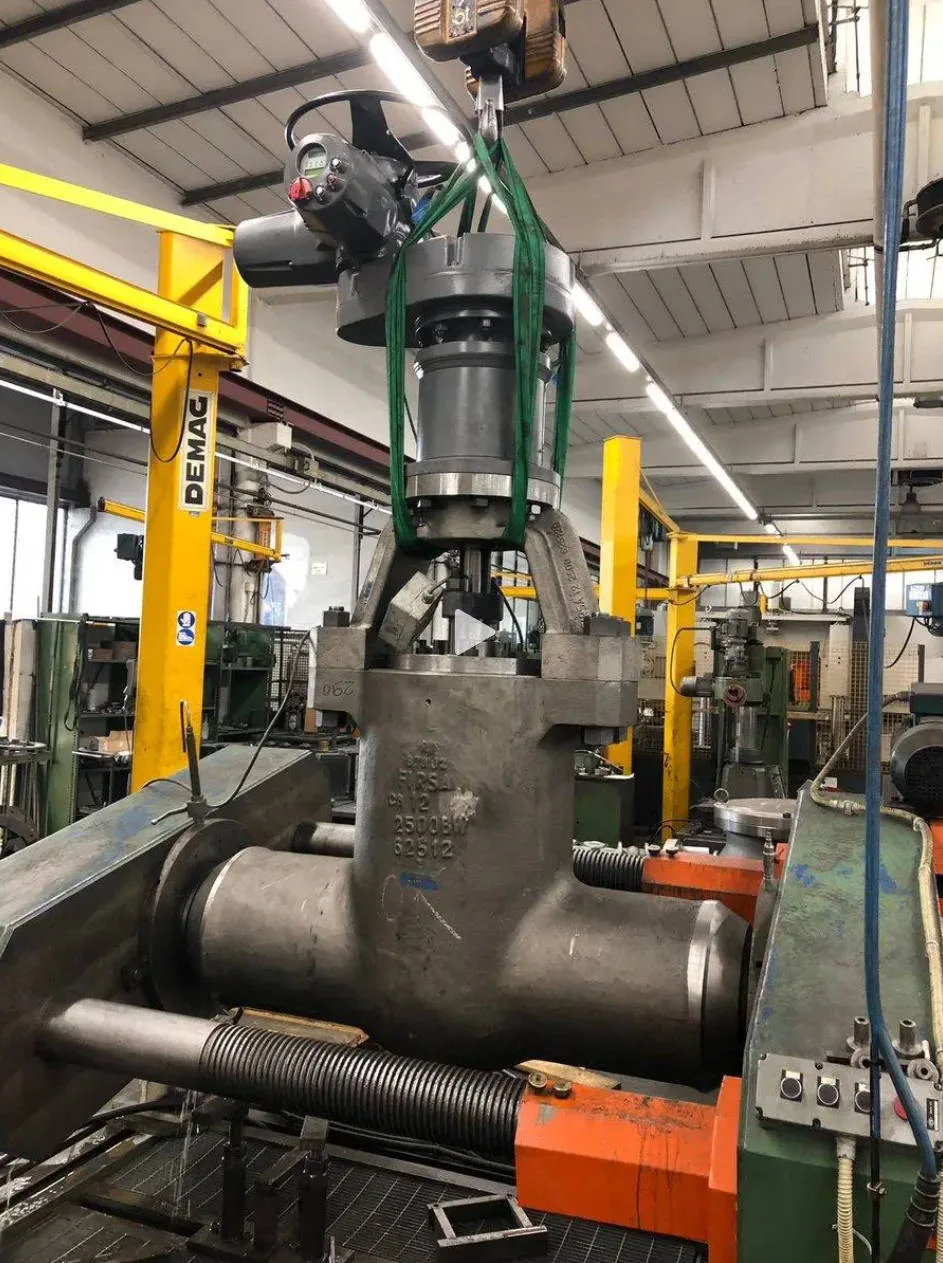
Under high-temperature operating conditions, the maximum allowable service temperature of valve materials is one of the key parameters determining equipment safety, stability, and service life. Due to differences in composition ratios and microstructure, the temperature limits of various materials vary significantly. Chrome-moly steel, stainless steel, and nickel-based alloys are the three most widely used categories of high-temperature valve materials. Their temperature characteristics must be matched to actual operating conditions to avoid safety hazards such as seal failure or structural deformation caused by exceeding temperature limits.
Chrome-Moly Steel — Standard Choice for Medium-to-High Temperatures
Chrome-moly steel, produced by adding chromium and molybdenum to carbon steel, significantly improves creep resistance and oxidation resistance, solving the problems of graphitization and strength degradation that occur in ordinary carbon steel at high temperatures. It is the mainstream choice for medium-to-high temperature applications.
- 15CrMoG (equivalent to ASTM A217 WC5): Long-term temperature limit of 540–550°C (1004–1022°F). Suitable for power plant auxiliary steam systems.
- WC9: Up to 593°C (1099°F). Commonly used in main steam piping of subcritical power generation units.
- 2.25Cr-1Mo: Standard design range of 565–590°C (1049–1094°F). With special stress-relief treatment, can reach up to 650°C (1202°F). Suitable for hydroprocessing units.
Stainless Steel — Corrosion Resistance Plus High-Temperature Stability
Austenitic stainless steels combine corrosion resistance with excellent high-temperature stability, making them the most widely applied valve material category across industries.
- 304 / 304H: Up to 550°C (higher for 304H). Best for non-corrosive high-temperature fluid control.
- 316L: Up to 550–560°C. Added molybdenum improves resistance to sulfur-containing and corrosive media.
- 321 (Ti-stabilized): Up to 650°C. Titanium addition prevents intergranular corrosion. Excellent for high-temperature steam systems with moisture.
- 310S (High Cr-Ni): Up to 700°C in oxidizing atmospheres. Superior oxidation resistance. Suitable for furnaces and incinerator exhaust systems.
Nickel-Based Alloys — Extreme Temperature Performance
Nickel-based superalloys are the primary choice for ultra-high-temperature applications. The high-temperature stability of nickel, combined with strengthening elements like chromium, molybdenum, and niobium, delivers temperature limits far beyond chrome-moly steel and stainless steel.
- Inconel 625: Long-term 650–700°C, short-term peak up to 815°C. For cracking furnace outlets and high-temperature gas systems.
- Inconel 718: Long-term 650–700°C, short-term peak up to 980°C (≤1 hr). Combines high-temperature strength with corrosion resistance.
- Haynes 282: Long-term 650–950°C. Directional solidification enhances creep strength. For nuclear power and concentrated solar power.
- Hastelloy C-276: Long-term 540–590°C. Strong acid corrosion resistance for medium-high temperature acidic fluids.
Sealing Materials and Seat Hardfacing
The temperature limit of high-temperature valves is not the sole selection criterion. Sealing materials and seating surfaces must also be matched to the operating temperature.
- Flexible graphite packing: 450–500°C in air, up to 1600°C in inert environments. The preferred high-temperature sealing material.
- Stellite 6 hardfacing: Withstands temperatures above 850°C. Provides excellent wear and erosion resistance for valve seating surfaces.
Summary
In practical applications, body materials, sealing materials, and seating surface hardfacing layers must be matched according to operating temperature levels to form a complete temperature-resistant system. This three-layer approach — body alloy + sealing material + seating surface — ensures long-term reliable operation of high-temperature valves.