
Power Station Valve Features | High-Temp High-Pressure Valves for Thermal Power Plants
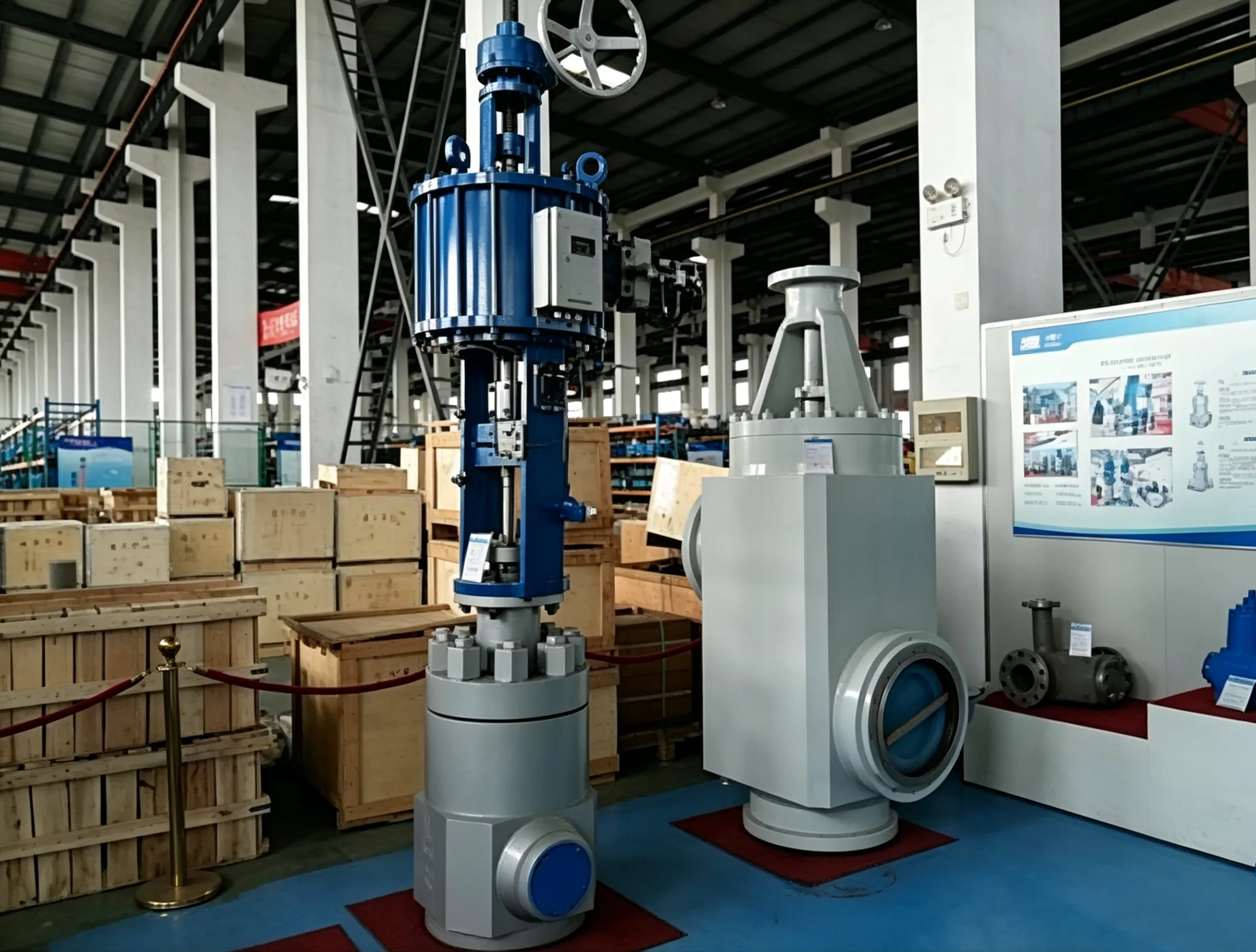
In China, power generation is dominated by thermal power plants, which heat water into steam by burning coal and other fuels to drive turbines and generators. Valves used in power plants have distinct characteristics summarized as follows:
1. Extreme Operating Conditions
High Temperature & High Pressure
Main steam and reheat systems require valves to withstand temperatures up to 565°C or even above 600°C, and pressures of 17.5MPa, 25MPa or higher. This demands exceptional high-temperature strength, creep resistance and oxidation resistance of valve body materials.
Severe Thermal Shock & Thermal Cycling
During unit start-stop and load changes, medium temperature and pressure in pipelines and valves fluctuate drastically, generating huge thermal stress. Valves must resist frequent thermal fatigue without cracking or leakage.
High-Velocity Medium Erosion
Steam and water flow at extremely high speed, especially at throttling areas of seats and discs, causing serious erosion and cavitation damage to sealing surfaces.
Corrosive Environment
– Water-steam cycle: Feed water may contain trace dissolved oxygen and chloride ions, leading to pitting and stress corrosion.
– Flue gas desulfurization (FGD) system: Valves contact highly corrosive limestone or gypsum slurry, requiring excellent corrosion and wear resistance.
2. Extremely High Performance Requirements
Strict Sealing Performance
– Zero or Minimal Leakage: Both shut-off valves (globe, gate) and control valves require ultra-high internal and external sealing. External leakage (stem packing) causes energy loss and pollution; internal leakage (seat sealing) reduces unit efficiency and risks safety incidents.
– Sealing Surfaces: Hardfaced with Stellite or other hard alloys to resist high-temperature erosion.
High Reliability & Long Service Life
Power plants require continuous stable operation; unplanned shutdown causes huge losses. Valves must be reliable, with service life matching unit overhaul cycles (usually 4–6 years) or longer. Critical valves are often 100% redundant (one operating, one standby) to ensure uninterrupted operation.
Fast Action & Precise Control
– Safety/relief valves: Must open and reseat quickly and accurately at overpressure, serving as the last line of system protection.
– Control valves: Precisely adjust flow, pressure and other parameters per DCS commands, requiring excellent regulation, response and stability.
– Shut-off valves: Achieve quick cut-off in emergencies (boiler main steam globe valve, feedwater globe valve).
Good Operability
– High pressure results in large operating torque; valves are usually equipped with electric, pneumatic or hydraulic actuators with high output, stable and reliable movement.
– In case of power loss, key valves (bypass, relief) must move to fail‑safe position (auto open or close).
3. Special Materials & Structural Design
Wide Application of Special Materials
– Body/bonnet: Carbon steel (WCB), chrome‑moly steel (WC6, WC9), stainless steel (CF8, CF8M), high-grade martensitic heat‑resistant steels such as P91, P92.
– Stem: Stainless steel (17-4PH, 420 series) for high strength, corrosion resistance and anti‑seizure.
– Sealing surfaces: Stellite hardfacing or tungsten carbide hard alloy rings.
Unique Structural Design
– Pressure Seal Bonnet: Used in high‑parameter valves; medium pressure enhances mid-flange sealing.
– Welded End Connections: Commonly used in high‑parameter pipelines to eliminate potential leakage from flanges.
4. Summary
Power station valves are defined by “Three Highs, One Strict, One Reliable”:
High temperature, high pressure, high requirements; strict sealing; high reliability.
They are the cornerstone of safe, economical and stable operation of power plants. With the development of ultra‑supercritical units and new energy peak regulation, performance requirements continue to rise.