
What Is Control Valve Pressure Drop? A Key to Stable Fluid Systems
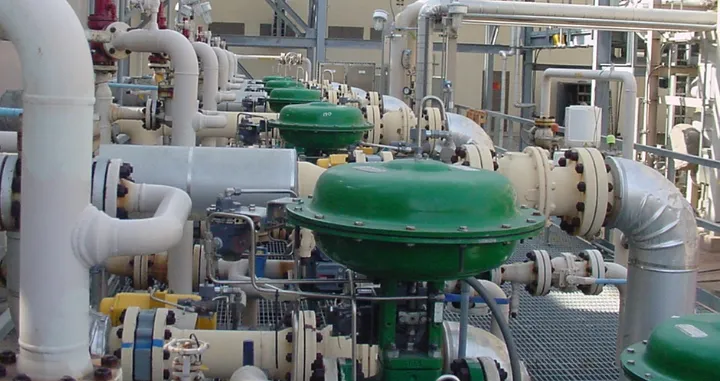
In industrial fluid systems, control valves regulate flow and pressure — but they inevitably cause a pressure drop as fluid passes through. This drop, known as control valve pressure drop (ΔP), is a critical parameter for pipeline design, valve sizing, and system diagnostics. Overlooking it can lead to poor control, cavitation, energy waste, and equipment failure.
How Pressure Drop Occurs
Inside a control valve, internal components like the plug, seat, and flow passages create resistance. As fluid moves through narrow sections, its velocity changes dramatically, causing turbulence and friction. The result: a measurable drop in pressure between the valve inlet and outlet.
Dynamic Factors at Play
Pressure drop isn’t fixed — it changes with operating conditions.
Valve opening: Smaller openings increase resistance and pressure drop; fully open reduces it to a minimum.
Flow rate & fluid properties: Higher flow or lower viscosity amplifies the drop.
Why Sizing Matters
Proper valve selection requires balancing pressure drop.
Too low a drop → weak throttling, poor control response.
Too high a drop → excessive energy loss, vibration, noise, and higher pumping costs.
Media-Specific Risks
Liquids: Excess drop may trigger cavitation or flashing, eroding valve internals.
Gases/steam: High drop can cause sonic flow, noise, and pipeline stress.
Best Practices
Design systems with moderate, stable pressure drop — enough for control, but low enough to avoid damage. Account for flow variations, corrosive media, and high-pressure conditions to ensure reliable, efficient operation.