
DBB Valves: The Safety Solution for Zero-Leak Isolation in High-Risk Chemical Processes
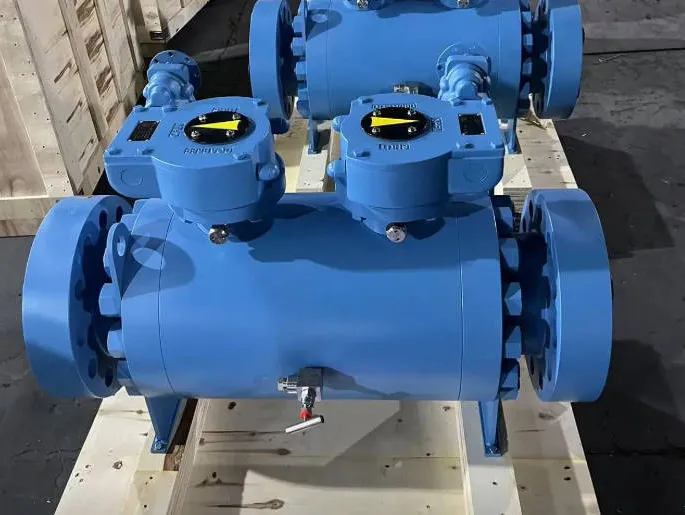
In high-risk sectors such as chemical processing, oil and gas, and refining, internal valve leakage is a hidden hazard that can cause splashing, poisoning, and explosions. Compared with conventional valves and series-mounted dual valves, DBB valves represent the most direct and effective solution for internal leakage prevention, widely known as integrated double isolation safety valves.
1. What Exactly Are DBB Valves?
DBB stands for an all-in-one safety isolation valve integrating dual shut-off valves and a central bleed valve within a single body, delivering double isolation + central venting to structurally eliminate internal leakage risks.
It highly integrates “dual shut-off valves + central bleed valve” to replace multi-valve series arrangements, featuring fewer potential leak points and higher safety.
2. Core Structure and Working Principle
DBB = Dual Block + Bleed
Core Structure: Single valve body, two independent seals or seat rings forming a closed central chamber, and one central bleed valve.
Operating Logic:
1) Dual Block: Both upstream and downstream seals close simultaneously. If one seal fails, the other maintains reliable isolation, providing true dual redundancy.
2) Bleed: After closing the main valve, open the bleed valve to drain residual medium in the central chamber and verify internal leakage (continuous flow means upstream valve internal leakage).
3. Core Advantages of DBB Valves
– Top-tier safety isolation: Physical double sealing + verifiable internal leakage, stable for high-pressure, toxic, flammable conditions.
– More compact structure: Integrated body greatly reduces potential leakage points such as flanges and welds.
– Low maintenance & space saving: Replaces multi-valve series for better installation, maintenance and footprint.
– Fire-safe & low emission: Metal hard seal as standard, compliant with API 6D and low emission requirements.
4. Applications of DBB Valves
Suitable for all working conditions requiring high isolation reliability:
– High-pressure, high-temperature, flammable, explosive, toxic media
– Oil and gas transmission, refining, petrochemical, pipeline maintenance isolation
– Instrument connection, medium sampling, chemical injection
– Key positions requiring online internal leakage verification
In short: Choose DBB valves wherever leakage and accidents are unacceptable.
5. DBB Valve Selection Points
– Standard compliance: Prioritize API 6D and other safety specifications.
– Structure type: Integrated double ball valve, dual seat structure.
– Parameter matching: Pressure class, temperature, material match the working condition.
– Actuation: Manual, worm gear, pneumatic, electric as required.
⚠️ Avoid confusion: Do not mix DBB with hydraulic DBV, digital balance valves or ordinary butterfly valves.