
METALLURGICAL INDUSTRY
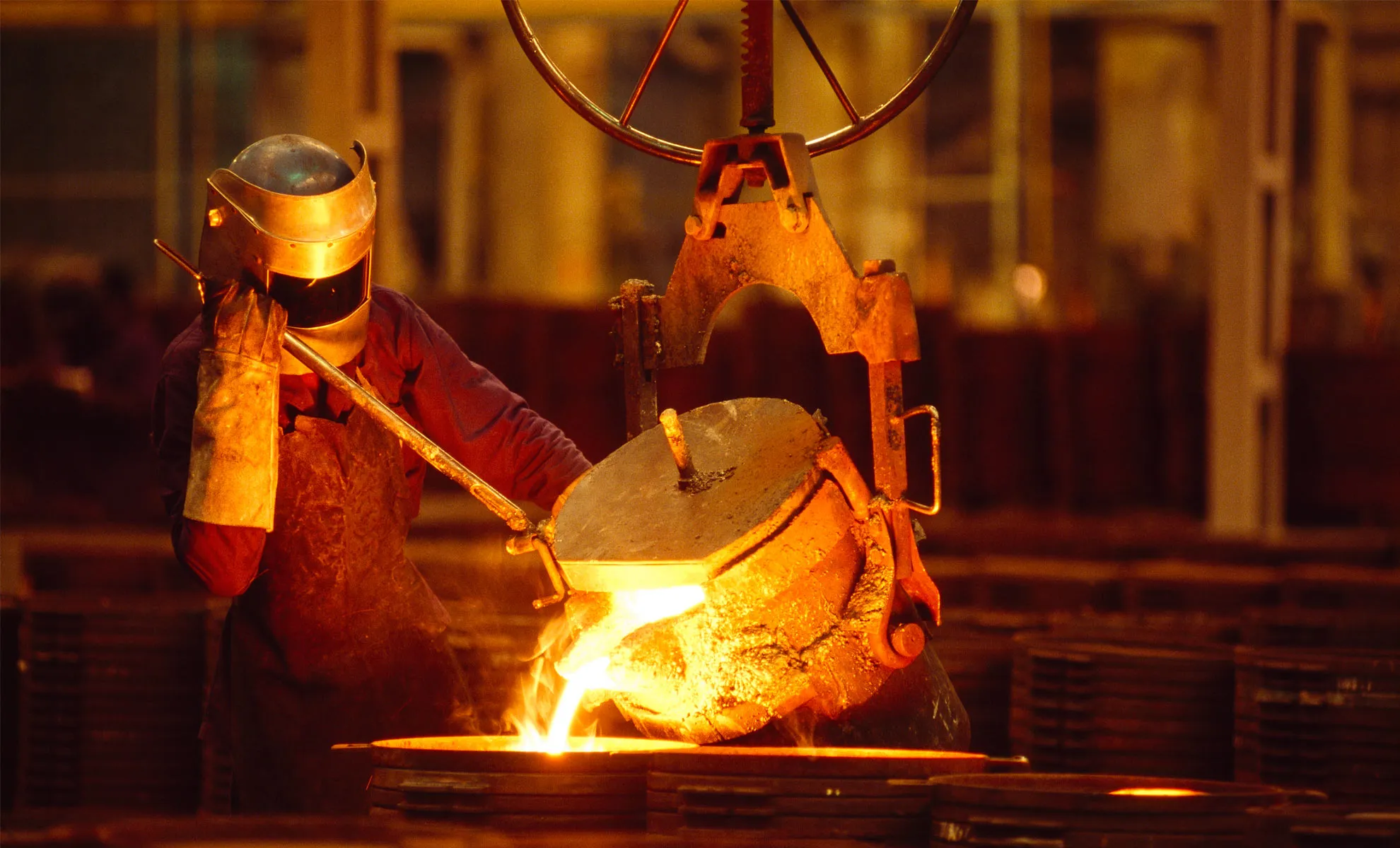
Specialized valve solutions for steelmaking, non-ferrous metal processing, and foundry operations. Our high-temperature and wear-resistant valves perform reliably in extreme heat and abrasive conditions.
STEELMAKING APPLICATIONS
From blast furnaces to continuous casting, our valves control critical processes including oxygen blowing, gas handling, and cooling water systems with precision and durability.
NON-FERROUS METALS
For aluminum, copper, and other non-ferrous metal production, we provide corrosion-resistant valves that handle molten metal and aggressive chemical environments.
PETROLEUM INDUSTRY
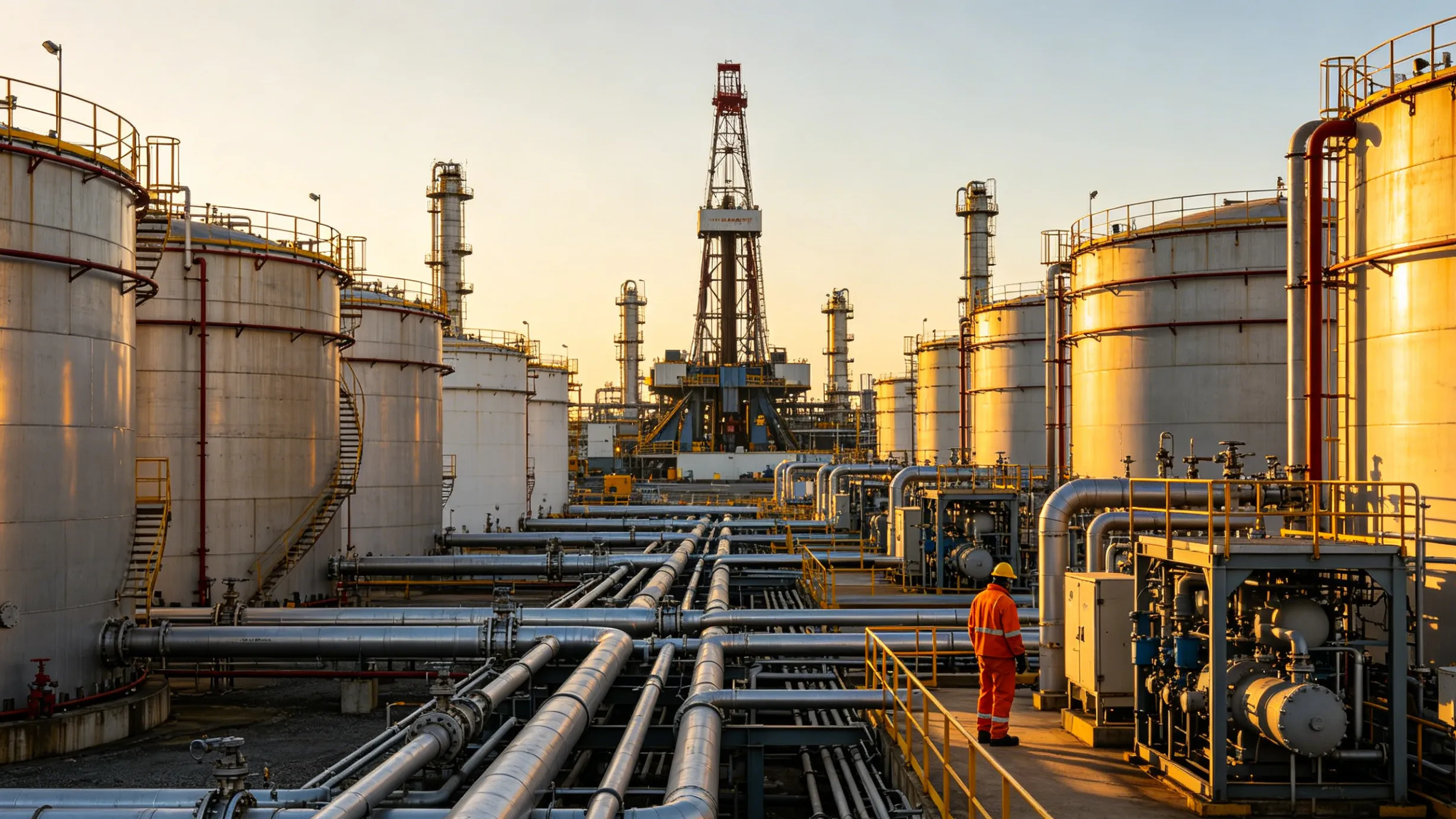
The petroleum industry covers oil and gas exploration, drilling, production, gathering, transportation, and long-distance pipelines, featuring complex working conditions and diverse media. Valves are required to have high pressure resistance, corrosion resistance, and reliable sealing performance.
Valves in wellhead assemblies and Christmas trees must withstand high pressure (up to 20,000 psi), corrosive media containing H₂S/CO₂, and sand erosion. Gate valves, ball valves, and choke valves made of sulfur-resistant alloys with hard sealing and hardfacing technologies are the mainstream choices.
VORNET API 6A valves and wellhead assemblies are widely used in the upstream oil and gas sector. Reliable sealing and suitable materials are key to ensuring safe, continuous, and efficient production in the petroleum industry.
ELECTRIC POWER & ENERGY INDUSTRY
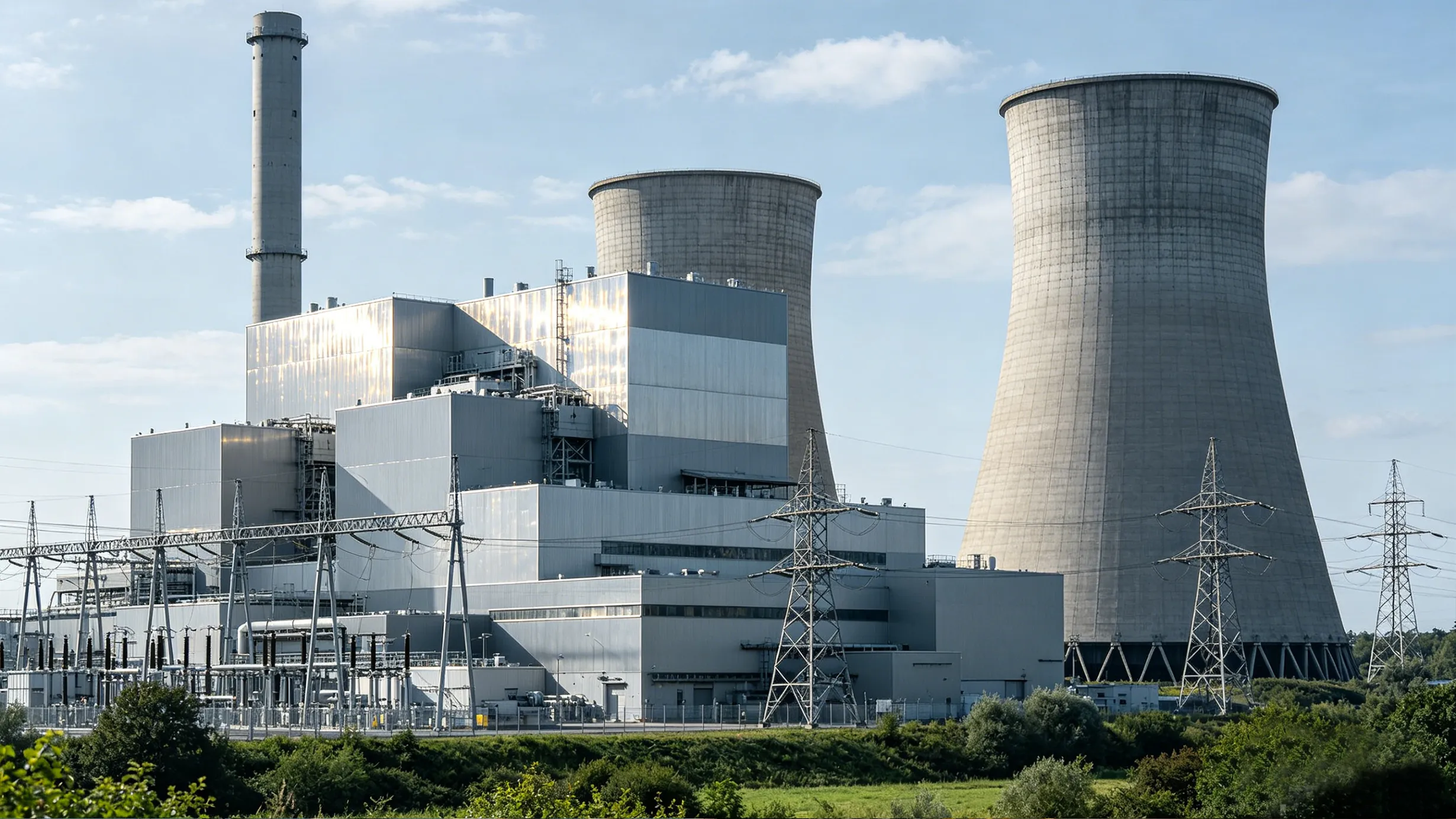
The electric power and energy industry includes thermal power, nuclear power, hydropower, solar thermal, biomass, and other new energy power generation. As basic equipment for medium control, valves are widely used in boilers, steam turbines, water supply systems, cooling circulation, desulfurization and denitrification, and other key sections.
In thermal and nuclear power plants, the main steam system operates under ultra-high temperature and pressure, requiring gate valves, globe valves, and safety valves made of heat-resistant alloys for long-term reliable operation. Control valves and check valves are used in water supply systems for flow control and backflow prevention.
COAL CHEMICAL INDUSTRY
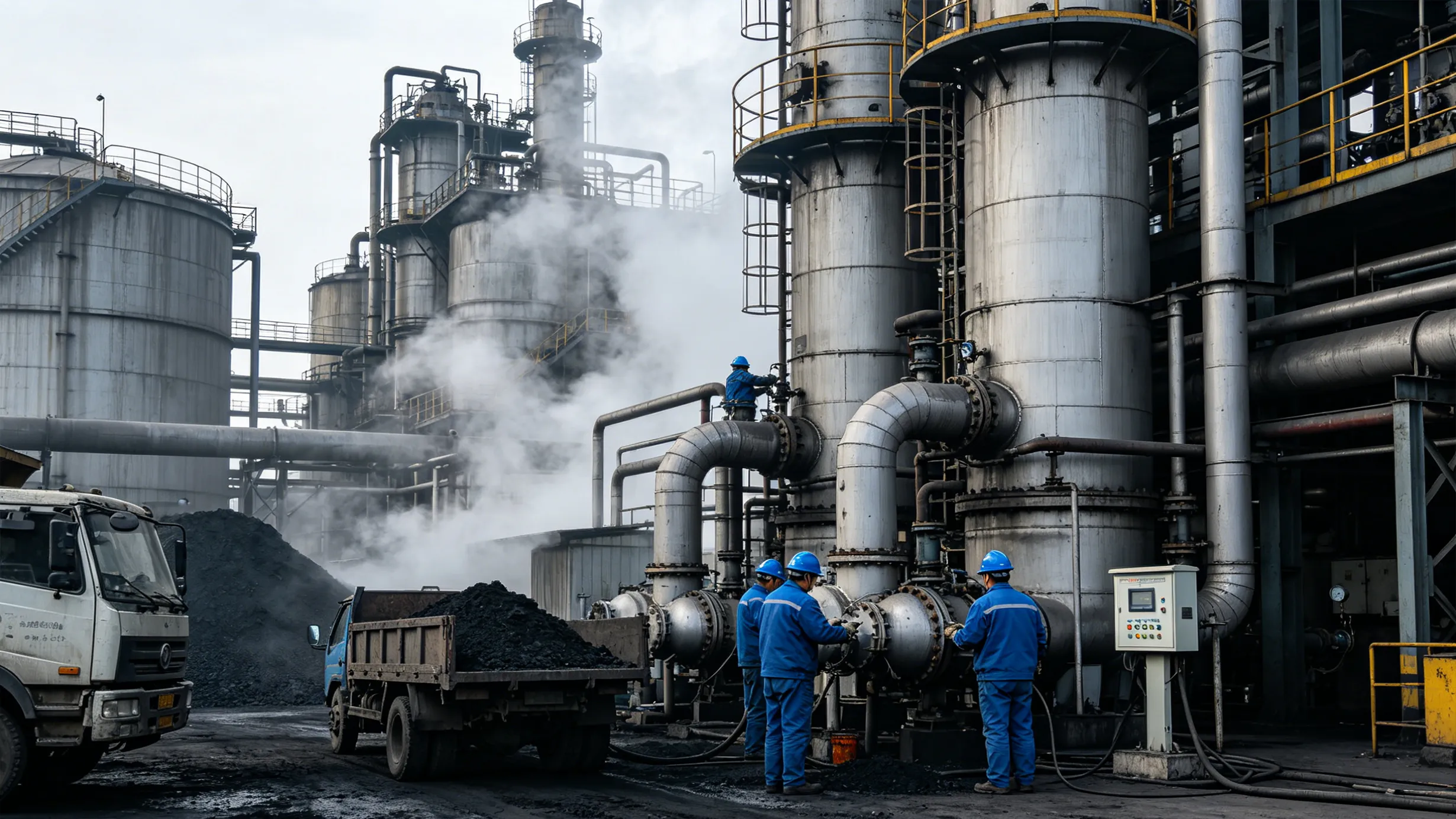
The coal chemical industry includes gasification, purification, synthesis, and other processes. Media are mostly high-temperature and high-pressure coal slurry, black water, ash water, syngas, and highly corrosive liquids, imposing strict requirements on valve wear resistance, corrosion resistance, and sealing performance.
COAL GASIFICATION
Lock hopper valves and black water valves in gasification units withstand frequent switching and erosion by solid-containing media, with hard-sealed ball valves and angle valves widely applied. Gate valves and butterfly valves are used for coal slurry transportation.
COAL-TO-CHEMICALS
VORNET valves with hard alloy hardfacing and corrosion-resistant alloy materials effectively extend the continuous operation cycle of coal chemical plants and reduce maintenance costs, serving as key components for safe and stable production in gasification, purification, and synthesis sections.
CHEMICAL INDUSTRY
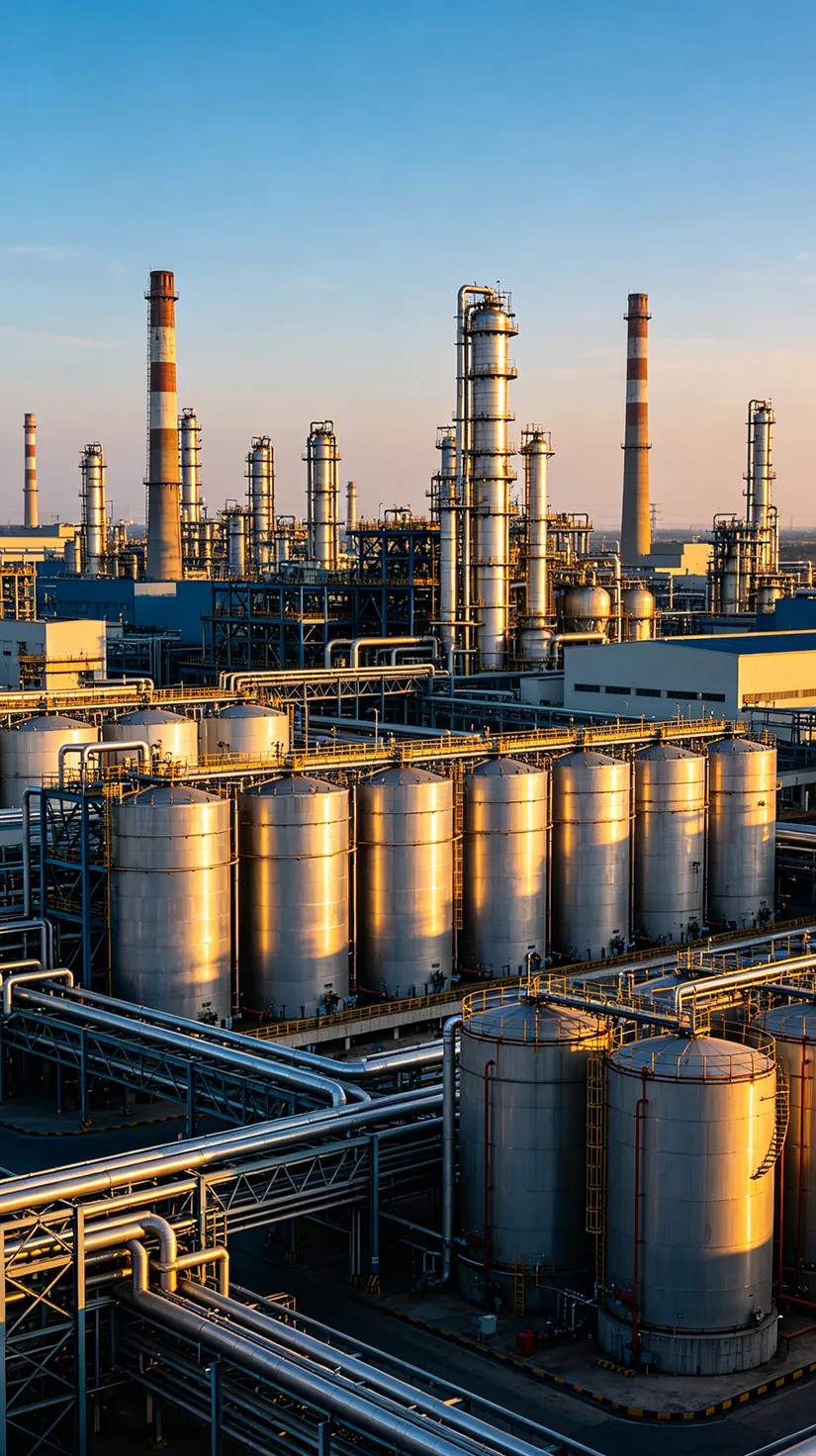
The chemical industry includes organic, inorganic, fine chemicals, and other fields. Media are mostly acids, alkalis, salts, solvents, and toxic/hazardous substances, requiring valves to have high corrosion resistance, high temperature resistance, zero leakage, and long service life.
Fluorine-lined valves, stainless steel valves, and special alloy valves are commonly used in reactors, distillation columns, and pipelines to handle highly corrosive media. Bellows-sealed globe valves and high-temperature ball valves are used in high-temperature conditions to prevent external leakage and ensure stable regulation. Jacketed valves and knife gate valves are used for high-viscosity or solid-containing media in polymerization processes.
Valves with low-emission design (ISO 15848) effectively control volatile organic compound emissions to meet environmental and safety requirements. Reliable chemical valves are core equipment for ensuring production continuity, preventing leakage accidents, and reducing maintenance costs.
HYDROGEN ENERGY INDUSTRY
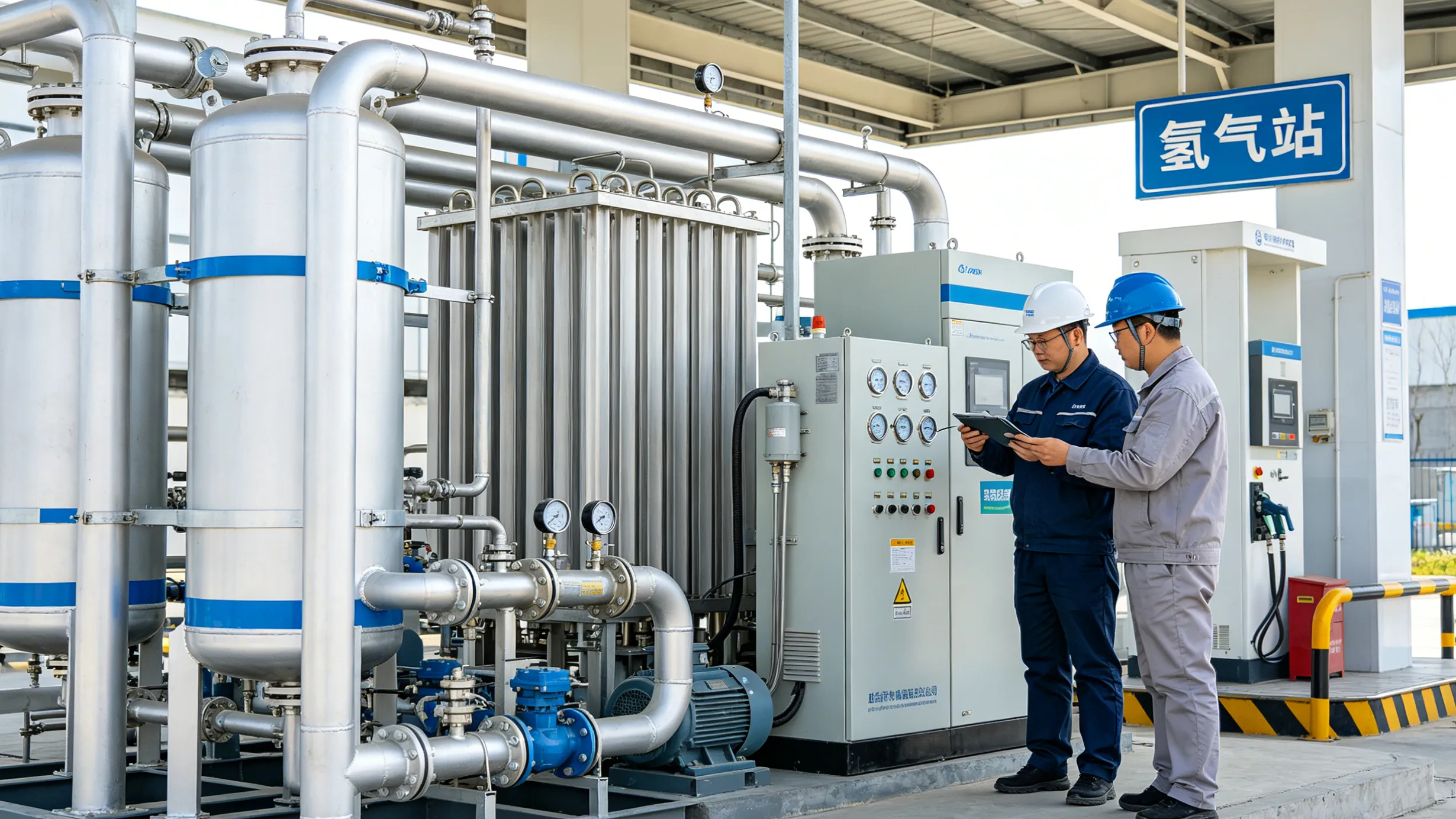
The hydrogen energy industry chain covers hydrogen production, storage, transportation, refueling, and utilization. Valves are core safety components, addressing four major challenges: small hydrogen molecule leakage, high-pressure permeation, hydrogen embrittlement, and flammability/explosiveness, to achieve precise control and safe shutdown.
Valves in hydrogen production systems require corrosion resistance, tight sealing, and low leakage. High-pressure hydrogen storage (35MPa/70MPa) and hydrogen refueling stations rely on high-pressure ball valves, globe valves, and safety valves with zero leakage, fatigue resistance, fire safety, and anti-static properties. Liquid hydrogen storage and transportation (-253°C) impose strict requirements on valve low-temperature performance.
Valves made of special alloys with anti-hydrogen embrittlement treatment and high-precision sealing technologies are critical to the safe and reliable operation of hydrogen energy systems.
OIL & GAS LONG-DISTANCE PIPELINES
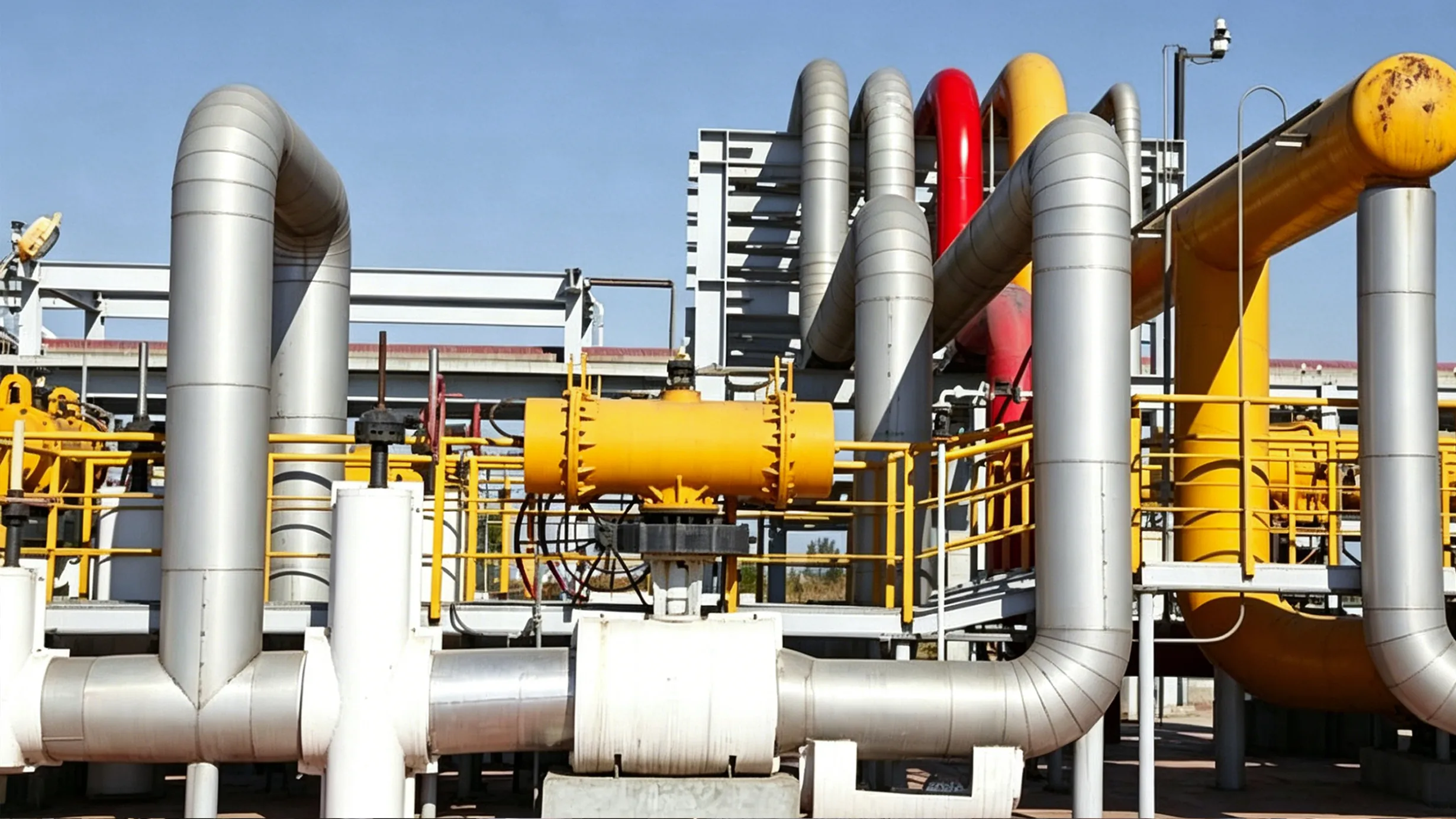
Oil and gas long-distance pipelines transport crude oil, refined oil products, and natural gas across regions on a large scale. Despite treatment, media contain sulfur, rust, and metal particles, requiring zero-level sealing. Harsh operating environments and the importance of energy supply lines impose strict technical requirements on pipeline ball valves.
Full-bore ball valves or flat gate valves are used for medium isolation, featuring corrosion resistance, zero leakage, low flow resistance, long maintenance intervals, easy pig passage, fire safety, anti-static performance, and remote automatic control. Natural gas pipelines have particularly strict sealing requirements, commonly adopting double piston effect design and low-emission structures.
Long-distance pipelines equipped with high-reliability valves and intelligent control systems effectively reduce operational risks and ensure the safe and stable operation of national energy transmission channels.
OFFSHORE ENGINEERING & MARINE INDUSTRY
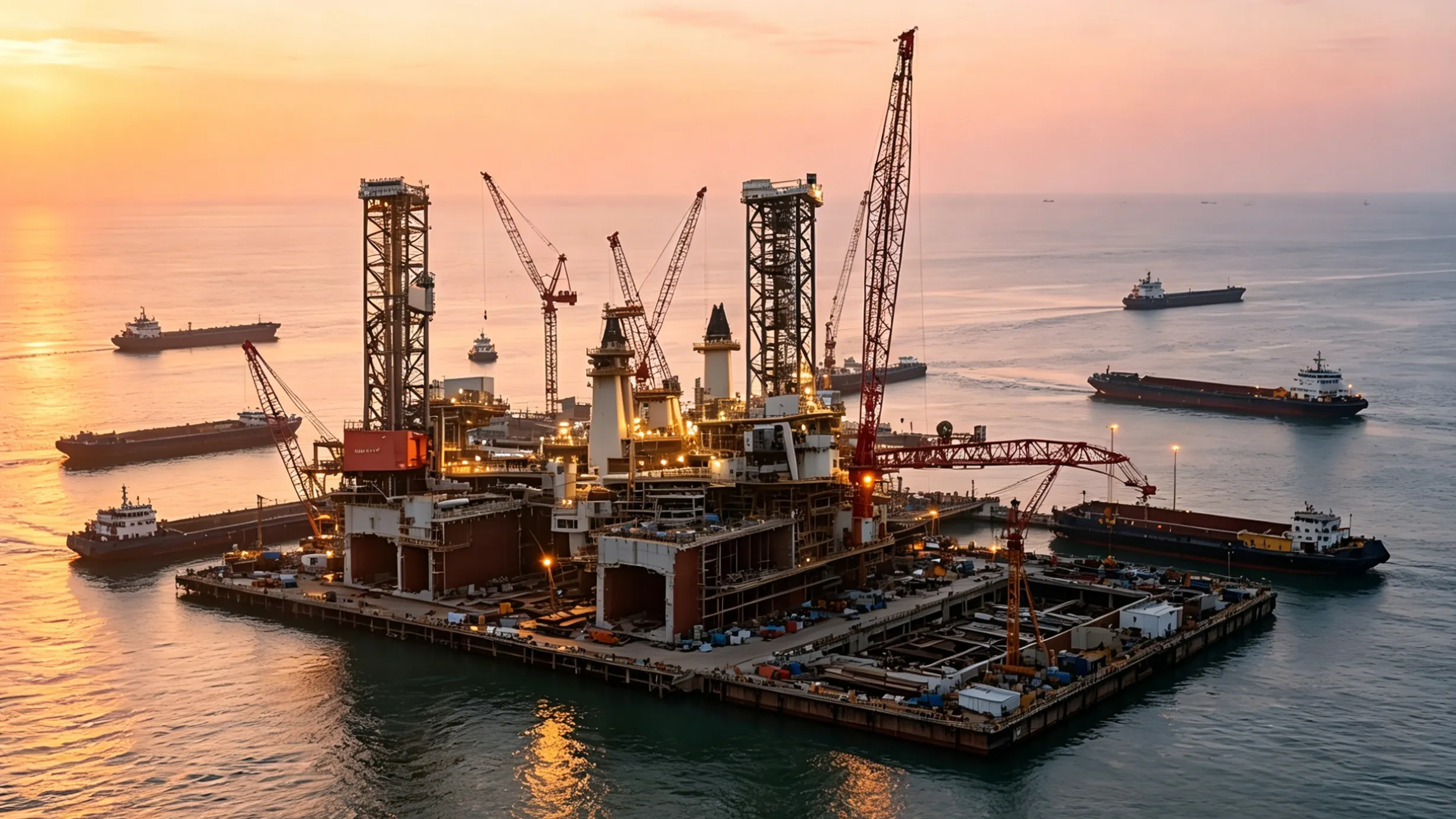
The offshore engineering and marine industry includes offshore drilling platforms, FPSO (Floating Production Storage and Offloading), subsea pipelines, engineering vessels, and transport ships. Valves are exposed to salt spray, seawater immersion, and wave impact for a long time. Materials such as duplex stainless steel, 316L, and copper alloys are selected for corrosion resistance; nickel-based alloys are used in high-pressure and corrosive environments to prevent pitting and crevice corrosion.
Valves are the “safety lifeline” of offshore engineering and vessels, supporting fluid control from ballast stability to deep-sea oil and gas operations. Valves with seawater-resistant alloys, duplex stainless steel, and remote intelligent control technologies are core components for ensuring long-term stable operation of offshore equipment and reducing maintenance frequency.